

Executive Overview
As lawmakers on Capitol Hill prepare to leave Washington for the fierce final stretch of the midterm campaign season, a deeply divided Senate has missed a critical window to finalize one of the most consequential legislative packages of the decade. A bipartisan coalition of lawmakers, racing against the clock, has spent weeks attempting to forge a comprehensive energy permitting reform bill. Proponents argue this legislation is vital to avert a looming national energy crisis, modernize an obsolete grid, and sustain the explosive growth of the American technology sector.
However, the path to a legislative breakthrough has collapsed under the weight of competing political incentives, entrenched ideological battles, and a profound public relations dilemma. At the heart of the standoff is a paradox: while Washington leaders across the aisle agree that the nation’s federal permitting apparatus is deeply broken—stifling everything from solar arrays and wind farms to natural gas pipelines—the primary catalyst for this urgency, the booming tech-driven data center industry, is toxic to everyday voters.
Public opinion research reveals intense, bipartisan grassroots opposition to data center construction in local communities. This dynamic creates an acute political hazard for incumbents facing reelection. Compounding these domestic anxieties are fierce geopolitical pressures. Lawmakers increasingly warn that bureaucratic red tape is hamstringing U.S. competitiveness against adversaries like China in the global race for artificial intelligence and advanced manufacturing dominance.
With negotiations officially stalled until after the midterms, the debate over American energy infrastructure highlights a fundamental tension: how to fuel a rapidly electrifying economy without alienating voters or dismantling bedrock environmental protections.
Detailed Chronology: The Road to the Permitting Impasse
Efforts to streamline the United States’ sluggish federal review process are not new, but the convergence of unprecedented electricity demand and heightened geopolitical rivalry has injected the issue with unprecedented urgency.
Years of Legislative False Starts
For over a decade, energy developers, industry trade groups, and business leaders have complained that complex environmental impact studies, multi-agency reviews, and endless litigation from conservation groups have crippled the deployment of both renewable and fossil fuel infrastructure. Previous attempts to overhaul the system culminated in the high-profile introduction of the Energy Permitting Reform Act of 2024. Although that bill successfully navigated committee deliberation, it ultimately stalled before reaching the full Senate floor.
Summer and Fall 2026: A Late-Stage Surge
The momentum for a new legislative push revived dramatically in August 2026. A bipartisan group of senators, led by key figures like Republican Senator Marsha Blackburn of Tennessee and Senator Roger Wicker, began building momentum behind the American Energy and Mineral Infrastructure Act, drawing a wave of new cosponsors.
By September, negotiations narrowed to the highest-ranking members of the Senate’s two primary energy-related committees. The goal was simple yet extraordinarily difficult: craft a compromise bill that could thread the needle between fossil fuel advocates and clean energy champions before Congress broke for the midterm elections.
The White House Factor and Final Collapse
Complicating the legislative mechanics was the posture of the executive branch. President Donald Trump signaled a willingness to greenlight renewable energy projects—particularly wind and solar—as a concession to draw Democrats to the negotiating table. However, congressional Democrats remained deeply skeptical. They feared that even if statutory permitting rules were relaxed, a future White House could effectively block renewable developments in practice.
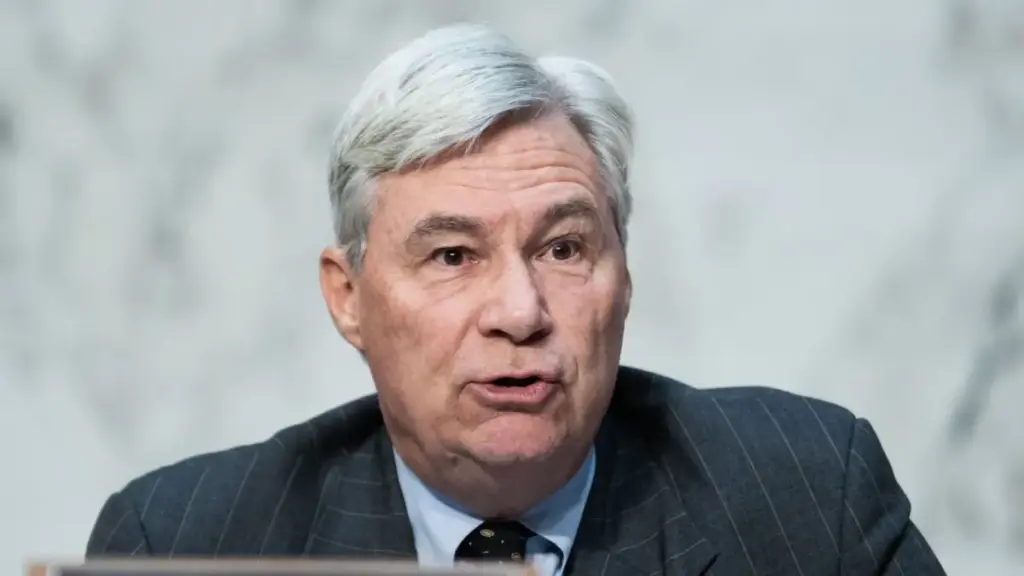
Senator Sheldon Whitehouse, a Rhode Island Democrat and one of the four primary negotiators, voiced these lingering concerns publicly, noting that the caucus required concrete clarity regarding what a "return to regular order" for wind and solar projects would entail under the current administration.
Ultimately, these unresolved details, combined with the impending departure of lawmakers for the campaign trail, proved fatal to the timeline. Politico reported that the Senate negotiators failed to reach a final agreement before the recess, pushing any potential floor action deep into the post-election period, where it will face an uncertain future against a backdrop of potential shifts in congressional power.
Supporting Context & Metrics: The Perfect Storm of Power Demand
To understand why Washington is desperately trying to untangle federal permitting rules, one must examine the staggering macroeconomic shifts occurring across the American energy landscape. The United States is experiencing an unprecedented surge in electricity demand, driven by three distinct structural transformations.
1. The Electrification of Everyday Life
For decades, energy efficiency gains—most notably the widespread adoption of LED lighting during the 2010s—kept overall U.S. electricity consumption relatively flat. That era has officially ended. Americans are rapidly "electrifying" their daily lives. The widespread adoption of residential heat pumps, energy-efficient electric water heaters, and electric vehicles (EVs) has steadily escalated residential and commercial power loads.
2. The Domestic Manufacturing Renaissance
Concurrently, federal policy and shifting global supply chains have incentivized a resurgence in domestic manufacturing. Bringing heavy industrial production back to American soil requires massive, reliable baseload and peaking power capacity. Without expanded transmission lines and generation facilities, the industrial sector’s growth will hit a hard ceiling.
3. The Data Center and AI Explosion
Magnifying these trends is the exponential expansion of the tech industry’s data center footprint. Powered by the generative artificial intelligence boom, tech giants are constructing massive computing facilities at a breakneck pace. These installations require immense, continuous supplies of electricity, straining local grids and supply chains to their absolute limits.
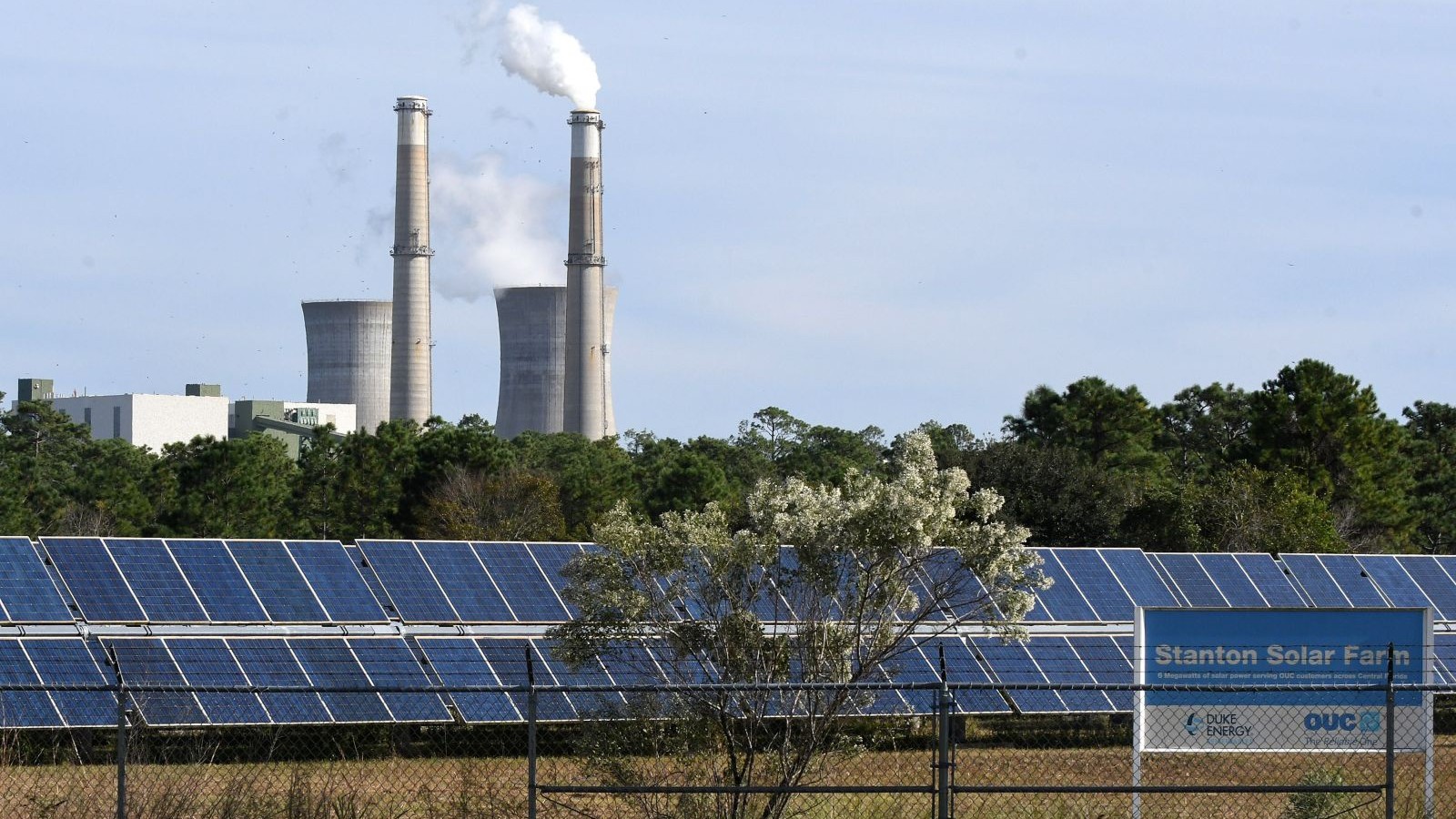
According to data from the U.S. Energy Information Administration (EIA), solar power and battery storage systems account for nearly 80 percent of all new power generation capacity expected to come online in the United States. Meanwhile, natural gas remained the single largest source of electricity generation nationwide, with projections showing continued growth. Natural gas has emerged as a preferred fuel source for data centers, which are projected to consume unprecedented volumes of gas-fired electricity over the next decade.
This power crunch has united historically adversarial sectors. Solar industry leaders warn that without permitting reform, clean energy deployment will remain bottlenecked—or, in the blunt words of Solar Energy Industries Association President Tim Pawlenty, the nation’s energy system will remain "constipated." Simultaneously, major data center developers, such as Google, have actively lobbied lawmakers to streamline permitting so they can secure the power necessary to maintain operational growth.
Official Statements and Political Realities
The debate over permitting reform is defined by a sharp disconnect between how Washington policymakers view the crisis and how everyday voters experience it.
The Competitiveness Argument vs. Grassroots Resistance
Proponents of aggressive reform frequently frame the issue through the lens of national security and international competition. Lawmakers argue that the United States is locked in a high-stakes economic and technological race with China. They contend that while adversaries cut regulatory corners to accelerate infrastructure development, American dynamism is choked by bureaucratic red tape.
"While Communist China cuts corners to get ahead, a mountain of red tape has America fighting the energy war with one hand tied behind our backs," declared Senator Rick Scott in a recent policy statement.
However, public opinion research suggests this geopolitical narrative is losing traction with the electorate. Alex Lundry, president of the D.C.-based public opinion research firm Redbud Consulting, notes that voters are increasingly skeptical of arguments centered purely on outcompeting foreign rivals.
More critically, data centers have developed a severe public relations problem. According to Redbud Consulting’s polling data, strong majorities of Democrats, Republicans, and independents express profound opposition to having data centers built within their local communities. When permitting reform is explicitly linked to facilitating the data center boom, public support plummets.
The Consumer Cost Crisis
Voters are far more focused on their personal economic well-being, particularly rising utility bills. A September poll by Redbud found that 70 percent of respondents reported their energy bills had increased over the past year. Conversely, the same polling revealed that 71 percent of Americans firmly believe that "making renewable energy a bigger part of the country’s energy supply is the right move."
Recognizing this populist anxiety, lawmakers in the House of Representatives recently passed legislation aimed at insulating ordinary utility ratepayers. The bill would encourage states to require data center operators to pay directly for the dedicated power generation facilities they consume, rather than shifting those infrastructure costs onto residential ratepayers. However, that measure has currently stalled in the Senate, where progressive Democrats have argued it does not go far enough to protect consumers.
Future Outlook: What Lies Ahead for Energy and Environment
As Capitol Hill empties for the campaign trail, the future of U.S. permitting reform hangs in a delicate balance. The contours of the draft, while not fully public, indicate that any future legislative compromise will likely feature controversial concessions.
The Core Trade-Offs
Stakeholders familiar with the closed-door negotiations anticipate that a successful bill would include:
- Streamlined Environmental Reviews: Curtailing the scope of potential environmental and social impacts that federal agencies must evaluate when issuing project permits.
- Reduced Legal Vulnerability: Weakened requirements under bedrock statutes like the Clean Water Act and the Endangered Species Act, specifically as they apply to interstate transmission lines and natural gas pipelines.
- Litigation Protections: Measures designed to shield successfully issued permits from protracted legal challenges mounted by environmental organizations and local opponents.
This creates a profound dilemma for environmental groups. Organizations like the Natural Resources Defense Council (NRDC) are eager to accelerate the deployment of clean energy infrastructure, but they fiercely oppose weakening foundational environmental laws. Conversely, industry leaders and bipartisan pragmatists argue that compromises are essential to maintain grid reliability and foster economic growth.
The Post-Election Landscape
When lawmakers return to Washington following the midterm elections, the political math surrounding permitting reform will shift. If the balance of power in Congress tilts—particularly if Republicans lose control of either chamber—the legislative momentum could dissipate entirely, or conversely, transform into a high-stakes lame-duck priority.
Ultimately, the debate over energy permitting is a proxy war for the future of the American economy. Whether policymakers can successfully bridge the gap between Big Tech’s insatiable hunger for power, the imperatives of a clean energy transition, and the deep-seated skepticism of local voters will determine the trajectory of U.S. infrastructure for decades to come.



