

Executive Overview
In 2026, Indonesia executed one of the most dramatic interventions in recent commodity history. As the undisputed titan of the global nickel market—accounting for approximately 60% of the world’s total output—Jakarta issued a sharp, structural curtailment of its mining allowances. The decision sent shockwaves through energy markets, electric vehicle (EV) supply chains, and foreign investment corridors from Beijing to Detroit.
After years of relentless production expansion that flooded world markets with low-cost nickel, the Indonesian government reversed course by reducing nationwide mining quotas (known locally as Rencana Kerja dan Anggaran Biaya, or RKAB) by roughly 40% compared to 2025 levels.
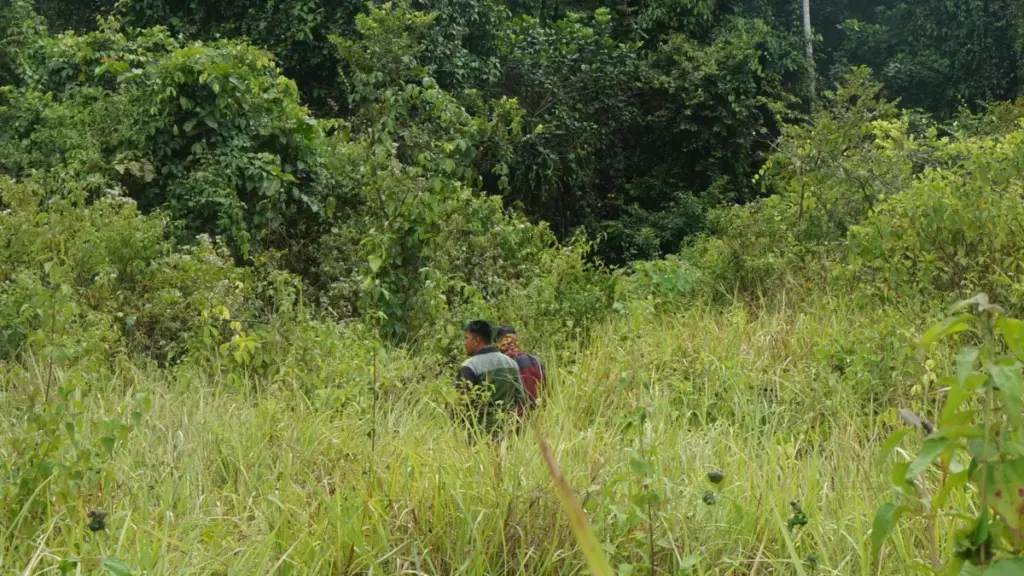
The epicenter of this policy shift is Weda Bay on Halmahera Island—the largest nickel mining operation on Earth. Subjected to an aggressive quota reduction exceeding 70%, Weda Bay exhausted its entire full-year 2026 extraction allowance by the end of May. The milestone forced a complete halt to raw extraction at the site, freezing primary supply until at least 2027, barring emergency regulatory interventions.
       GLOBAL NICKEL PRODUCTION SHARE (2026 EST.)

       [========================] Indonesia (~60%)
       [====] Philippines (~10%)
       [===] Russia (~6%)
       [==] New Caledonia (~5%)
       [==] Australia (~4%)
       [===] Rest of World (~15%)
This unprecedented supply squeeze represents a calculating recalibration of Indonesia’s critical minerals policy. Led by macroeconomic logic and growing domestic environmental strains, the move serves a multi-pronged agenda: artificially firming global market prices, extending the lifespan of domestic high-grade ore reserves, curbing unchecked environmental degradation, and leveraging Indonesia’s near-monopolistic control over a foundational green-transition asset.
However, the rapid implementation of these quota cuts has exposed severe vulnerabilities. Smelters across the archipelago are scrambling for feedstock, Western original equipment manufacturers (OEMs) face fresh supply uncertainty, and Chinese industrial conglomerates—which poured tens of billions of dollars into Indonesian refining infrastructure—find themselves navigating unprecedented regulatory friction.
Detailed Chronology: The Anatomy of a Supply Shock
TIMELINE OF INDONESIA'S NICKEL POLICY EVOLUTION
┌─────────────────────────────────────────────────────────────────────────┐
│ 2014–2020: Raw Export Bans & Bauxite/Nickel Downstreaming Directives    │
│ └─ Mining laws mandate domestic processing; foreign capital pours in.   │
├─────────────────────────────────────────────────────────────────────────┤
│ 2020–2025: Massive Capacity Buildout & Market Saturation                │
│ └─ Chinese-backed smelters proliferate; global prices sink below $16k/t.│
├─────────────────────────────────────────────────────────────────────────┤
│ Early 2026: The RKAB Quota Overhaul                                     │
│ └─ Ministry of Energy & Mineral Resources slashes nationwide RKAB ~40%. │
├─────────────────────────────────────────────────────────────────────────┤
│ May 2026: The Weda Bay Shutdown                                         │
│ └─ World's largest mine depletes >70%-slashed quota; extraction halts. │
└─────────────────────────────────────────────────────────────────────────┘
The Downstreaming Boom (2014–2025)
The roots of the 2026 supply shock lie in Indonesia’s aggressive downstreaming (hilirisasi) policy. Instituted initially under the 2009 Mining Law and fully enforced with a complete ban on raw nickel ore exports in 2020, Jakarta sought to transform the nation from a low-value exporter of soil and raw minerals into an industrial powerhouse manufacturing battery-grade nickel chemicals, cathode materials, and finished electric vehicles.
Capitalizing on the ban, Chinese industrial majors—most notably Tsingshan Holding Group, Zhejiang Huayou Cobalt, and Lygend Mining—invested heavily in domestic infrastructure. Massive industrial estates emerged in Central Sulawesi (Morowali) and North Maluku (Weda Bay). By deploying High-Pressure Acid Leaching (HPAL) technology to process low-grade limonite ores alongside traditional Rotary Kiln Electric Furnace (RKEF) processing for high-grade saprolite ores, Indonesia’s refined output expanded at unprecedented speed.
Between 2020 and 2025, Indonesia’s share of global mined nickel surged from roughly 30% to over 60%. However, this hyper-expansion brought unintended macroeconomic consequences. An oversupply of nickel pig iron (NPI) and nickel matte inundated international exchanges, driving benchmark prices on the London Metal Exchange (LME) down toward multi-year lows.
High-cost operational mines in Australia, New Caledonia, and North America were forced into care, maintenance, or insolvency, consolidating global battery-grade nickel dependencies almost entirely within the Indonesian supply chain.
The 2026 Pivot and the Weda Bay Freeze
Recognizing that unchecked overproduction was cannibalizing state revenues and prematurely depleting high-grade saprolite reserves—which analysts warned could be exhausted within a decade—the Indonesian government engineered a pivot in early 2026.
- January–February 2026: The Ministry of Energy and Mineral Resources (ESDM) introduced strict caps on annual RKAB permits, signaling a formal transition from market-share expansion to resource conservation and price defense. Total approved mining volumes nationwide were cut by approximately 40% relative to 2025 allocations.
- March 2026: Mining concession holders received reduced quotas. Weda Bay Nickel—an expansive complex jointly owned by French mining group Eramet and Chinese partners including Tsingshan—faced a targeted reduction exceeding 70% of its requested extraction baseline.
- April–May 2026: To fulfill long-term off-take commitments and maintain downstream processing feeds, operators at Weda Bay accelerated extraction rates, running through their reduced allowances at maximum capacity.
- May 31, 2026: Weda Bay officially exhausted its full-year 2026 RKAB quota. Under strict regulatory penalty threats, large-scale open-pit extraction ground to an abrupt halt.
Without an emergency revised quota approval from Jakarta, the world’s largest nickel mine was forced to put its heavy extraction fleet into idleness, surviving solely on remaining stockpiles and forcing nearby smelters to look elsewhere for feedstocks.
Supporting Context & Metrics: Structural Analysis of the Market
The 2026 quota cuts disrupted the delicate balance between domestic raw ore supply and downstream smelting capacity across Indonesia.
+-------------------------------------------------------------------------+
|                  INDONESIAN NICKEL SECTOR AT A GLANCE                   |
+------------------------------------+------------------------------------+
| Global Market Share (Mined Nickel) | ~60%                               |
| 2026 Nationwide RKAB Quota Cut     | ~40% vs. 2025 levels               |
| Weda Bay Concession Quota Cut      | >70% reduction                     |
| Estimated Mine Life (Saprolite)    | 7 to 12 years (at pre-2026 rates)  |
| Regional Feedstock Arbitrage       | Rapid rise in Philippines imports  |
+------------------------------------+------------------------------------+
Smelter Feedstock Deficits and Regional Arbitrage
Over the preceding decade, Indonesia permitted the construction of dozens of RKEF and HPAL processing units based on the assumption of unconstrained domestic ore availability. The 2026 quota reduction laid bare a structural mismatch: domestic smelting capacity now far outstrips the legally allowed extraction volume of raw ore.
This artificial scarcity generated immediate ripple effects across regional commodity trades:
- Escalating Ore Premiums: Domestic factory-gate prices for high-grade saprolite ore surged, reducing operational margins for independent, non-integrated processors.
- Importing from the Philippines: In an unprecedented shift, domestic processing plants in Sulawesi began importing nickel ore from neighboring Philippines—traditionally a direct competitor—to keep furnaces lit and avoid costly thermal shutdowns of high-temperature RKEF kilns.
- Stockpile Depletion: Smelter complexes drawn down their strategic ore reserves at accelerated rates, leaving many plants operating with less than 15 days of inventory buffer by mid-2026.
The ESG Equation and Environmental Imperatives
Beyond macroeconomic calculus, the 2026 policy shift reflects intense internal and international Environmental, Social, and Governance (ESG) pressures. The meteoric expansion of Indonesian nickel came at a steep ecological cost:
- Deforestation & Carbon Intensity: Vast tracks of primary rainforest in North Maluku and Sulawesi were cleared for open-pit operations. Furthermore, because Indonesia relies heavily on captive coal-fired power plants to run its inland RKEF smelters, the carbon footprint of its nickel product remained higher than competing global operations.
- Marine Disruption and Tailings: Coastal communities adjacent to mega-projects reported significant marine turbidity, coastal erosion, and disruption to local fisheries due to run-off and controversy surrounding Deep Sea Tailings Placement (DSTP) proposals.
By forcing a structural slowdown in extraction, the government effectively created regulatory breathing room to clean up non-compliant operators, enforce tighter environmental remediation standards, and address domestic public backlash over localized land displacement.
      NICKEL PROCESSING & ENVIRONMENTAL PATHWAYS

      Saprolite Ore  ---> RKEF Smelting ---> NPI / Matte ---> High Carbon
      (High Grade)        (Coal Powered)                       Footprint

      Limonite Ore   ---> HPAL Processing -> MHP / Sulfate -> Tailings / Waste
      (Low Grade)         (Chemical Leach)                     Management Issues
Official Statements & Analytical Perspectives
The policy shift triggered widespread analysis from economists, government officials, and industrial stakeholders. Central to this discourse is the perspective of the Center of Economic and Law Studies (CELIOS), an independent economic think tank based in Jakarta that has tracked the financial and environmental footprints of Indonesia’s industrial policies.
The CELIOS Perspective
Bhima Yudhistira Adhinegara, Executive Director of CELIOS, underscored that the quota cuts reflect a necessary, albeit painful, policy correction following years of unsustainable resource exploitation.
"Indonesia’s aggressive quota reductions in 2026 signal a major shift away from unconditional resource depletion. For years, the market was flooded at the expense of our long-term mineral reserves and local environments. By curbing supply, Jakarta is asserting its sovereign pricing power on the global stage, forcing international capital to recognize the true, fully internalized cost of critical mineral extraction."
— Bhima Yudhistira Adhinegara, Executive Director, CELIOS
Adding an analysis of the geopolitical and Chinese capital dimensions, Muhammad Zulfikar Rakhmat, Director of the China-Indonesia Desk at CELIOS, highlighted the delicate diplomatic equilibrium Jakarta must maintain.
"The abrupt halt at Weda Bay directly impacts major Chinese infrastructure investments that were designed around assumptions of continuous, high-volume ore supply. China has viewed Indonesia as the cornerstone of its global battery supply network. These RKAB cuts demonstrate that Jakarta is willing to challenge its primary foreign investors to preserve domestic industrial control and manage its own economic trajectory."
— Muhammad Zulfikar Rakhmat, Director of China-Indonesia Desk, CELIOS
+-------------------------------------------------------------------------+
|                       KEY PERSPECTIVES ON THE CUTS                      |
+-------------------+-----------------------------------------------------+
| Stakeholder       | Primary Stance / Strategic Priority                 |
+-------------------+-----------------------------------------------------+
| CELIOS            | Structural correction needed to prevent reserve     |
| Think Tank        | depletion, internalize ESG costs, assertion of power|
+-------------------+-----------------------------------------------------+
| Ministry of ESDM  | Resource preservation, extending national mine life,|
| (Indonesia)       | enforcing regulatory & environmental compliance     |
+-------------------+-----------------------------------------------------+
| Smelter Operators | Feedstock shortages, margin compression, turned to  |
| (Tsingshan, etc.) | importing raw ore from alternative regional markets |
+-------------------+-----------------------------------------------------+
| Western Auto OEMs | Elevated battery input costs, supply chain stress,  |
| (Tesla, European) | ongoing tension over non-IRA compliant material     |
+-------------------------------+-----------------------------------------+
Government Rationale vs. Industry Frustration
Offices within the Ministry of Energy and Mineral Resources maintained that the policy was designed to bring discipline back to a wild-west mining sector. Officials noted off-the-record that uncoordinated overproduction was rapidly eroding national strategic wealth without returning optimal tax yields to the state treasury.
Conversely, domestic mining associations—including the Indonesian Nickel Miners Association (APNI)—expressed anxiety regarding the pace of implementation. Operators argued that while price stabilization is a worthy long-term goal, abrupt, mid-year quota exhaustion creates operational chaos, risks breach-of-contract penalties with international buyers, and threatens local employment across mining communities.
Strategic Future Outlook: The Global EV Supply Chain at a Crossroads
Indonesia’s 2026 nickel squeeze marks the end of an era of cheap, virtually unlimited battery feedstock from Southeast Asia. As the market adapts to this regulated environment, several strategic implications emerge for the global economy.
                     GLOBAL EV SUPPLY CHAIN RIPPLE EFFECTS

   +----------------------------------------------------------------------+
   |                       INDONESIAN RKAB ORE CUTS                       |
   +----------------------------------+-----------------------------------+
                                      |
                                      v
   +----------------------------------------------------------------------+
   |                   Smelter Ore Shortages & Cost Inflation             |
   +----------------------------------+-----------------------------------+
                                      |
         +----------------------------+----------------------------+
         |                                                         |
         v                                                         v
+---------------------------------+               +---------------------------------+
|   Battery Chemistry Shifts      |               |  Geopolitical Supply Realignment|
| - Acceleration of LFP adoption  |               | - Western OEMs seek alt sources |
| - High-nickel chemistry stress  |               | - Higher reliance on recycling  |
+---------------------------------+               +---------------------------------+
1. Acceleration of Alternative Battery Chemistries
Sustained higher nickel prices and structural supply bottlenecks in Indonesia will likely accelerate the automotive industry’s adoption of alternative battery technologies. Lithium Iron Phosphate (LFP) and manganese-rich chemistries—which require zero nickel—stand to capture greater market share, particularly in entry-level and mid-tier electric vehicles across China, Europe, and North America.
2. Geopolitical Realignment and the US IRA
The squeeze complicates Western efforts to build supply chains compliant with the U.S. Inflation Reduction Act (IRA). The IRA denies tax credits to vehicles using critical minerals processed by "Foreign Entities of Concern" (FEOCs)—a designation targeting Chinese-dominated entities.
Because Western automakers hoped non-Chinese companies would step in to build clean, non-FEOC HPAL operations in Indonesia, Jakarta’s tighter regulatory grip and reduced quotas raise the baseline operational risk, slowing non-Chinese capital deployment.
3. Price Floor Establishment and Recycling Imperatives
By demonstrating a willingness to shut down even mega-assets like Weda Bay to defend quota limits, Indonesia has effectively established an artificial price floor under the global nickel market. In response, secondary supply chains will face added pressure to scale:
- Investment in battery recycling infrastructure (black mass recovery) will accelerate in North America and Europe to recover secondary nickel.
- Secondary nickel-producing nations, including Canada, Australia, and Brazil, may see renewed interest in high-grade deposits that were previously uncompetitive against low-cost Indonesian output.
4. The Policy Horizon for Jakarta
The central question for late 2026 and early 2027 is whether President Prabowo Subianto’s administration will hold firm or grant selective, emergency RKAB revisions. If the government maintains its quota caps, global refined nickel markets face a structural deficit heading into 2027. If Jakarta capitulates to industry lobbying and grants emergency mid-cycle expansions, it risks undermining its newfound strategic leverage over world mineral markets.
What remains clear is that the global energy transition can no longer treat Indonesian mineral extraction as an infinite tap. Through deliberate regulatory intervention, Jakarta has signaled that the path to a electrified world will run on its terms—and at its price.



