

Executive Overview
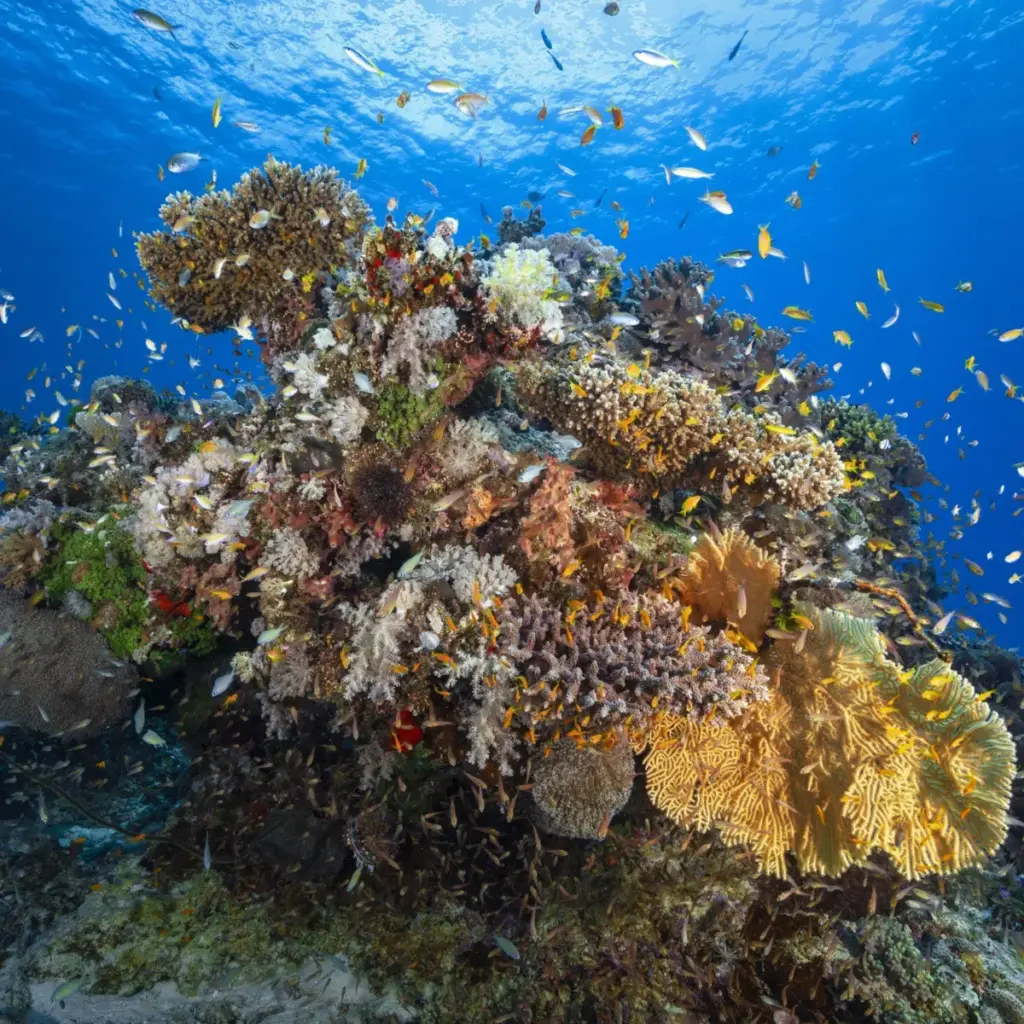
The health of the world’s oceans, freshwater systems, and coastal habitats is facing an unprecedented convergence of systemic pressures, escalating climate shocks, and critical regulatory bottlenecks. Recent scientific findings, environmental data, and international policy updates paint a stark picture: global marine environments are absorbing historical levels of thermal energy, driving extreme weather, bleaching coral reefs, and destabilizing delicate species distributions from the polar regions to tropical river basins.
At the same time, human-induced threats—ranging from intractable overfishing and widespread plastic pollution to massive pre-harvest mortalities in aquaculture—continue to strain marine life. Yet, this alarming degradation is being met with remarkable breakthroughs in marine science, grassroots conservation, and community-led engagement. Researchers are pioneering innovative mitigation tools, such as underwater shading structures to protect bleaching reefs and acoustic deterrents to safeguard seabirds, while global coalitions demand stringent adherence to science-based fisheries management.
This comprehensive report details the state of marine science, fisheries management, conservation efforts, and the overarching climate crisis affecting our blue planet. By analyzing the intersection of policy failures, industrial pressures, and scientific innovation, we examine what these developments mean for the future of global aquatic biodiversity.
Detailed Chronology: Recent Milestones in Marine and Environmental Science
Marine Science and Biodiversity Discoveries
The relentless exploration of Earth’s aquatic ecosystems continues to reveal hidden layers of biodiversity, even as these habitats face mounting environmental stress. In a significant discovery, researchers in the southern United States have identified five previously unknown freshwater mussel species, emphasizing the rich, yet fragile, endemic biodiversity of North American river systems. Simultaneously, deep within the Brazilian Amazon, scientists have uncovered a vibrant new species of orange killifish, highlighting the urgent need to protect freshwater catchments from encroaching industrial degradation.
In marine environments, technological and methodological advances are transforming how researchers monitor complex ecosystems. Underwater surveys and cutting-edge environmental DNA (eDNA) analyses have confirmed the vital role that shellfish reefs play as crucial biodiversity hotspots. In open waters, behavioral studies have shed light on the sophisticated lives of cetaceans. Recent research indicates that dolphins segregate their daily activities, utilizing distinct parts of the ocean for feeding versus social interactions. Meanwhile, observational studies of sperm whales have revealed a unique physiological adaptation: these massive marine mammals release deliberate bubbles to help maintain their buoyancy and position in the water column while resting.
Fisheries Under Siege: Mackerel, Sardines, and Bottom Trawling
Despite marginal improvements in biomass, the Northeast Atlantic mackerel fishery remains under severe ecological and economic pressure due to years of sustained overfishing. The North Atlantic Pelagic Advocacy (NAPA) group has issued strong warnings that international negotiations to establish equitable, sustainable catch limits are progressing at an "excruciatingly slow" pace, threatening the long-term viability of the stock.
In the Southern Hemisphere, a massive sardine die-off off the coast of South Africa has triggered a cascading ecological crisis. The collapse in local prey availability is directly pitting the survival of endangered African penguin populations against the immediate economic livelihoods of local fishers. Compounding these pressures, the International Council for the Exploration of the Sea (ICES) has urgently called for the retention of strict deep-sea bottom fishing closures. These protective measures are essential to safeguarding fragile, slow-growing seafloor habitats and the deep-water species that rely on them for survival.
Geopolitical Tensions and Overseas Territories
Human exploitation and territorial claims continue to intersect in the world’s most remote waters. In the UK Overseas Territories, the Falkland Islands Government has opened recruitment for a Fisheries Protection Officer to manage and police its lucrative and heavily contested surrounding waters. However, geopolitical friction has intensified, with Argentina threatening international legal action against the United Kingdom unless plans to develop the controversial Sea Lion oilfield near the Falklands are immediately halted.
In a positive counter-development, the Marine Conservation Society has ramped up the implementation of its Community Voice Method across island territories. This participatory framework uses storytelling and structured community engagement to ensure that local populations retain a central, meaningful role in marine conservation decision-making. Complementing this, the UK’s Blue Belt Programme released a series of short films showcasing recent scientific expeditions to the Cayman Islands, Anguilla, and the Turks and Caicos Islands, illuminating vital habitat mapping and offshore ecosystem research.
Supporting Context & Metrics: Data Behind the Crisis
The scale of environmental disruption currently impacting aquatic ecosystems can be quantified through a series of alarming metrics and empirical studies released over the past year:
- 23 Zettajoules of Heat: According to comprehensive global climate assessments, the world’s oceans absorbed a record-shattering 23 zettajoules of heat energy in 2025 alone. This staggering influx of thermal energy is accelerating global ocean warming, severely compressing the recovery windows for stressed marine ecosystems.
- $855 Billion Economic Threat: A landmark economic study revealed that rising sea levels could inflict up to $855 billion in damages across Australia by the end of the century, devastating coastal infrastructure, residential communities, and sensitive marine ecosystems.
- $3,421 Annual Loss per Vessel: In Vietnam, small-scale fishing fleets bear a devastating economic toll from marine plastic pollution. Individual boat owners lose an average of $3,421 annually due to gear damage, fouled nets, and reduced catches—a financial burden that underscores the need to integrate fishers into waste collection initiatives.
- 15 Million Pre-Harvest Mortalities: Despite robust production figures in Scottish aquaculture, recent transparency reports indicate that approximately 15 million farmed salmon died before reaching harvest size, raising severe ethical questions regarding fish welfare and local environmental carrying capacities.
- 45% Wild Fish Diversion: Projections warn that if current aquaculture trajectories persist without dietary reform, up to 45% of all wild-caught fish could be diverted into fishmeal and fish oil to feed farmed finfish and shrimp by the year 2040.
Official Statements and Public Sentiment
Public Demand for Science-Based Catch Limits
Public frustration with political inertia in fisheries management has reached a boiling point. A comprehensive YouGov poll commissioned by the Blue Marine Foundation revealed overwhelming consumer support in the United Kingdom for strict regulatory reform. An impressive 71% of UK adults back a legal requirement stipulating that fishing catch limits must never exceed independent scientific advice. Furthermore, 75% of respondents believe that scientific recommendations should form the bedrock of all governmental fisheries policy.
Geopolitical Realities and the Energy Transition
The global energy landscape is experiencing profound shifts, driven largely by geopolitical instability. Commenting on the complex intersections of international conflict, energy security, and environmental policy, geopolitical analysts note:
"This war has completely gutted any sort of romantic notions of energy security and it’s compelled folks to think differently. It’s accelerating investments in clean energy and renewables. If Trump has been an accidental environmentalist, it’s been in the international sphere."
This sentiment reflects a broader global realization: while traditional fossil fuel dependencies have historically dictated geopolitical strategies, the compounding cost of climate disasters and supply volatility is forcing a rapid pivot toward renewable energy infrastructures.
Future Outlook: Mitigation, Innovation, and the Path Forward
As the oceans navigate an era of profound transformation, the path forward relies heavily on technological innovation, community empowerment, and uncompromising enforcement of environmental protections.
Technological and Grassroots Innovations
Conservationists and engineers are increasingly deploying creative solutions to mitigate human-wildlife conflicts at sea. In Cornwall, trials utilizing floating devices and bird-shaped kites ("scarecrows") deployed around fishing nets have successfully slashed accidental seabird deaths by approximately two-thirds. In Orkney, fishermen are trialling advanced underwater drones to locate, map, and retrieve lost or abandoned fishing gear ("ghost nets"), actively removing marine debris and preventing chronic wildlife entrapment.
To combat thermal stress on coral reefs, researchers are testing temporary underwater shading structures—colloquially termed underwater "umbrellas"—designed to deflect intense solar radiation and reduce localized bleaching during marine heatwaves. Meanwhile, large-scale ecological restorations, such as the newly brokered agreement to restore salmon access to British Columbia’s upper Skagit River by improving fish passage around outdated U.S. dams, offer a blueprint for freshwater recovery.
The Urgency of Systemic Reform
Protecting the future of marine life requires dismantling outdated governance models. Whether addressing the suppressed UK climate national security report, halting the expansion of high-risk offshore oil extraction, or pivoting aquaculture feedstocks away from overexploited wild forage fish, policymakers must align economic ambitions with planetary boundaries.
Initiatives like the media production How to Live on Earth, presented by figures such as Benedict Cumberbatch, demonstrate a growing cultural appetite for actionable, practical solutions to reverse nature loss. However, cultural awareness must be matched by legislative teeth. Only by enforcing science-backed catch limits, funding grassroots community-led conservation, and treating ocean warming as an existential security threat can global society hope to secure a resilient, biodiverse future for the world’s oceans.



