For decades, the American climate movement operated under a relatively straightforward, if frequently contested, operational ethos: stop the extraction, block the pipelines, and starve the fossil fuel industry of the infrastructure it needs to expand. From the fierce, multi-year resistance against the Keystone XL pipeline to local blockades of fracking sites and coal terminals, the playbook of modern environmentalism was rooted in prevention. The goal was simple—keep carbon in the ground.
However, the reality of the global energy transition has collided with the bureaucratic inertia of American infrastructure law. Today, solving climate change requires a dual, often contradictory imperative: stopping the burning of fossil fuels while simultaneously building unprecedented volumes of clean energy generation and transmission at breakneck speed.
That inherent tension has now boiled over into a full-scale civil war within the American climate movement. The catalyst is the Bipartisan American Affordability and Jobs Act (BAAJA), a sprawling, 400-page Senate bill designed to radically accelerate the construction of power plants, high-voltage transmission grids, and natural gas pipelines. To achieve this, the legislation weakens bedrock environmental statutes, slashes timelines for federal project reviews, and severely curtails the ability of citizens, tribal nations, and conservationists to halt approved projects through litigation.
For its supporters—ranging from renewable energy developers and pragmatic policy wonks to prominent Democratic climate hawks—BAAJA represents a necessary, if agonizing, compromise. They argue that building clean energy capacity at scale is the only viable path to weaning the United States off fossil fuels, even if the legislative package contains bitter pills like regulatory relief for natural gas and mining. For its opponents—grassroots environmental justice organizations, Indigenous groups, and preservationist nonprofits—the bill is nothing short of a Faustian bargain. They contend it sacrifices vulnerable frontline communities in the Gulf South and compromises sacred tribal lands to feed an insatiable national energy appetite, all while entrenching fossil fuel dominance.
As the political fallout reverberates from Washington to statehouses across the country, BAAJA has exposed a profound ideological fault line: when the race to build renewable energy conflicts with the traditional mandate to protect local environments, which side wins?
Detailed Chronology: Anatomy of a Bipartisan Compromise
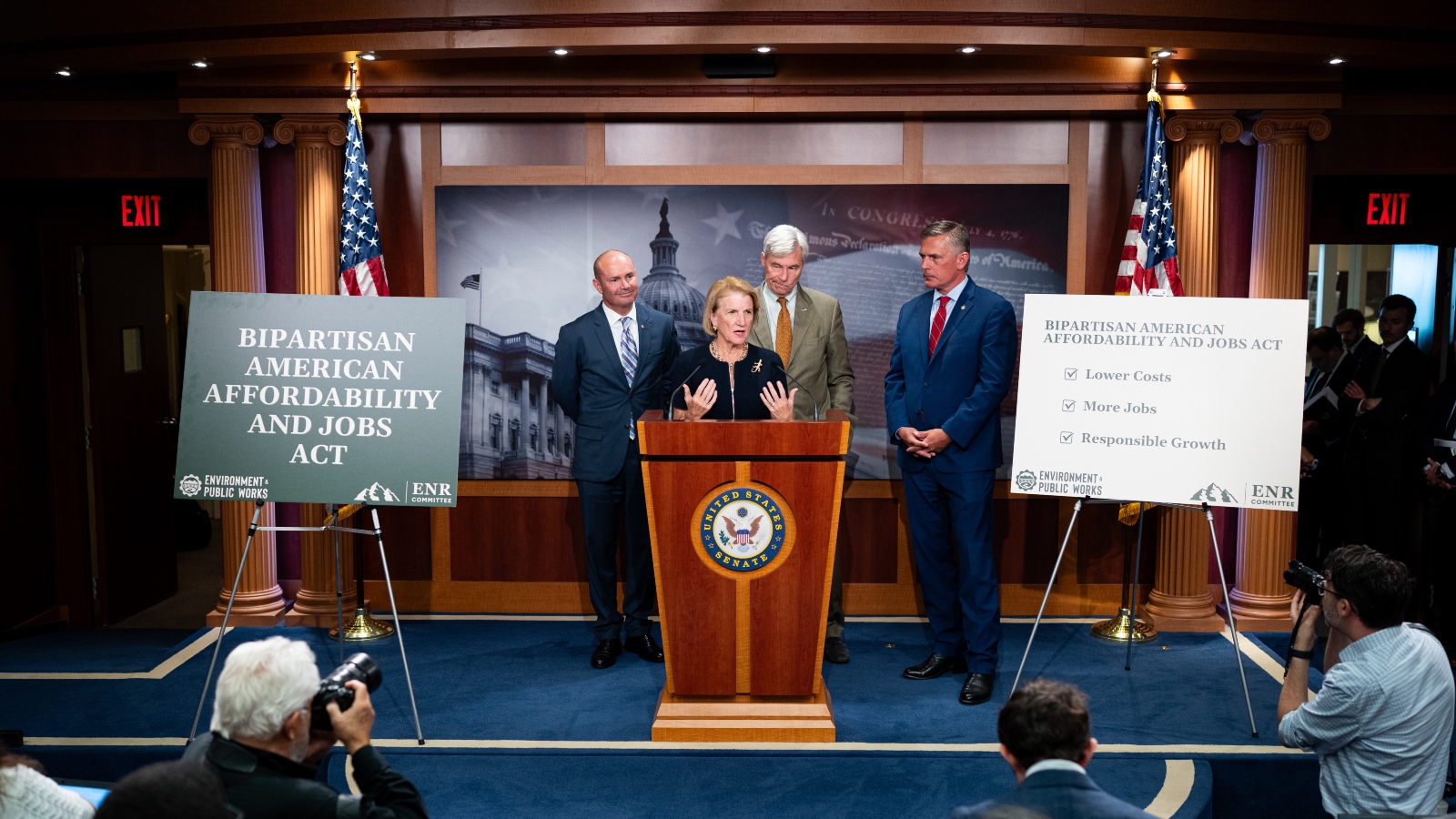
The origins of BAAJA trace back to months of intense, behind-closed-doors negotiations among four key members of the Senate energy and environmental committees—collectively known on Capitol Hill as the "four corners."
The bipartisan talks brought together two ideological opposites:
The Clean Energy Advocates: Democratic Senators Sheldon Whitehouse of Rhode Island and Martin Heinrich of New Mexico, both recognized climate hawks.
The Fossil Fuel Champions: Republican Senators Mike Lee of Utah and Shelley Moore Capito of West Virginia, staunch defenders of traditional energy sources and critics of federal environmental regulations.
Despite their fundamental disagreements over the future of American energy, the four senators managed to forge a sprawling legislative compromise just before Congress adjourned for its fall recess. The resulting 400-page bill touches on hundreds of individual provisions, fundamentally overhauling how federal agencies evaluate, permit, and litigate major infrastructure projects.
The release of the text immediately ruptured the fragile coalition of the climate movement. Because the Senate departed for its fall recess immediately following the deal’s announcement, the legislation has yet to clear committee review, and its prospects in the House of Representatives remain precarious. The intervening weeks have transformed Washington into a high-stakes lobbying battleground. Builders of clean energy, reeling from years of regulatory hostility and political whiplash under successive administrations, are aggressively pushing for the bill’s passage. Conversely, a coalition of environmental justice and conservation groups is mobilizing an equally fierce campaign to derail it.
The strategic calculations driving the builders’ faction are heavily influenced by recent political realities. Over the past two years, the administration of President Donald Trump has systematically dismantled federal climate policies, repealed major emissions rules, and sought to obstruct new renewable energy developments. Many mainstream climate advocates, weary of endless defensive legal battles, have signaled a willingness to accept an imperfect, compromise-driven bill now rather than gamble on reversing environmental damage after future political cycles.
Supporting Context & Metrics: The Bottleneck of Modern Infrastructure
To understand why clean energy advocates are willing to make concessions on environmental reviews, one must examine the physical and legal bottlenecks stalling the American energy transition.
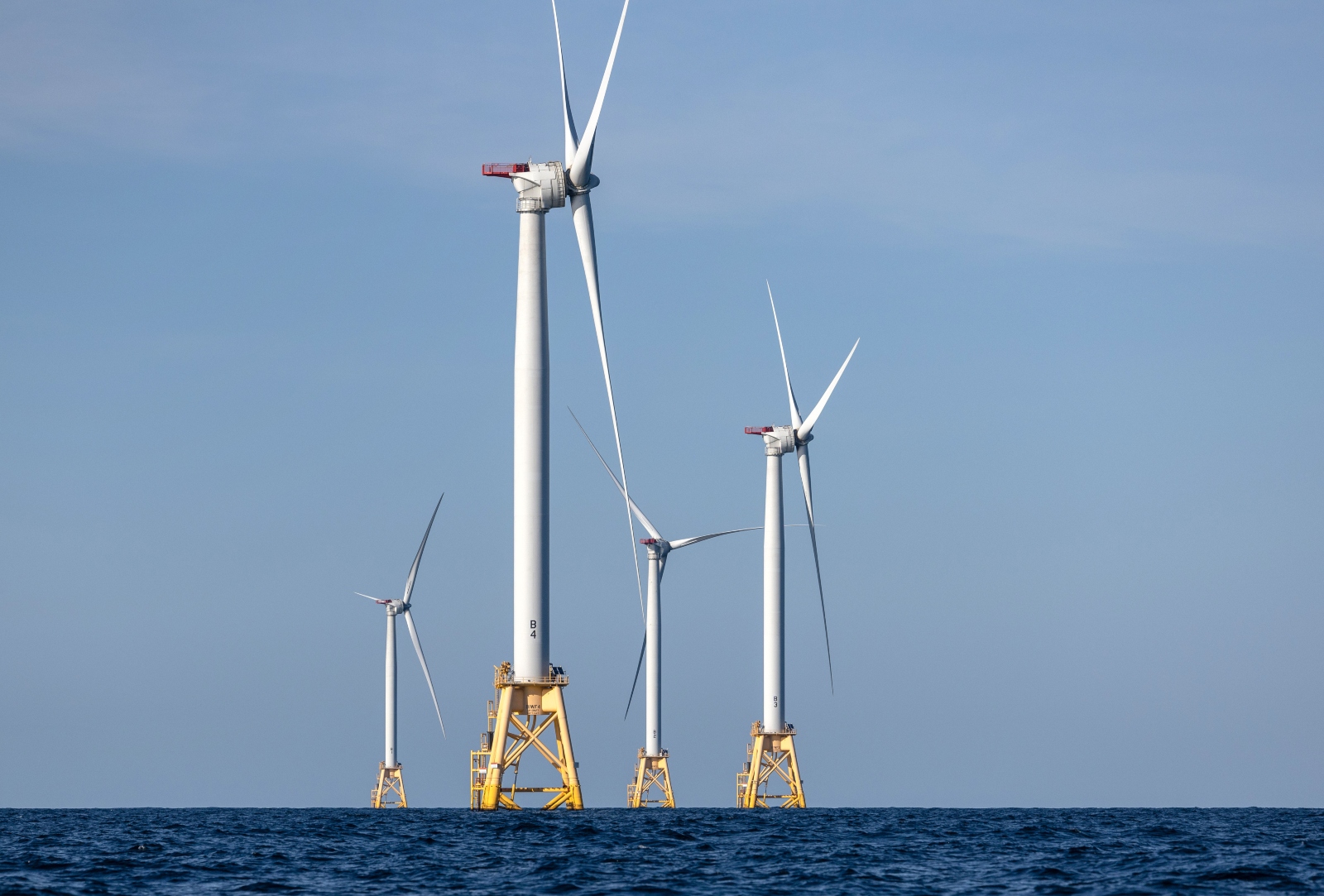
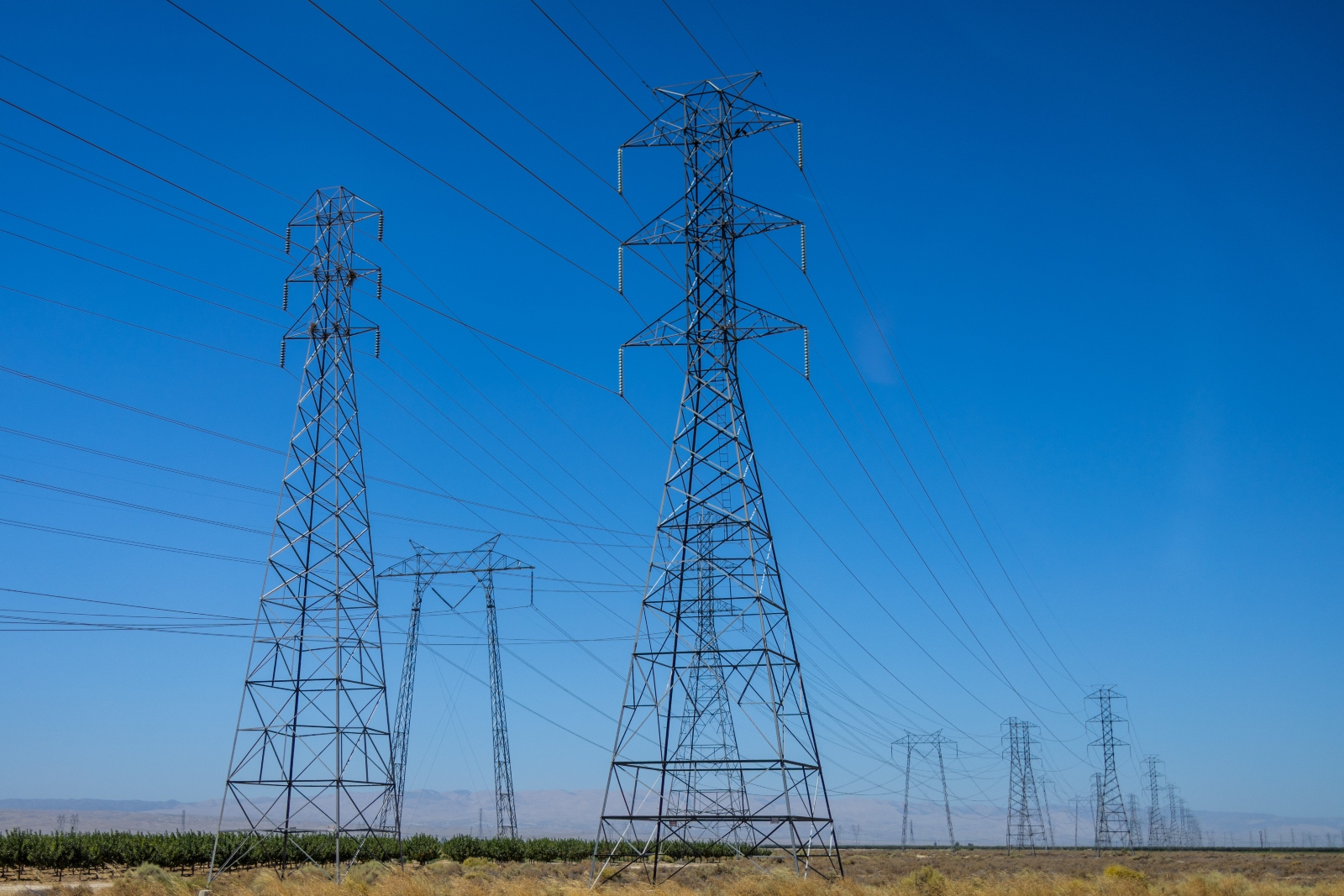
Unlike traditional fossil fuel plants—which can be localized near consumption centers or resource extraction sites—renewable energy facilities are highly location-specific. Solar farms in the Nevada desert and wind installations across the Dakotas require vast expanses of land. Crucially, moving that power to population centers in the East, Midwest, or Appalachia requires a massive buildout of high-voltage interregional transmission lines.
The NEPA Quagmire
Under the National Environmental Policy Act (NEPA)—the foundational 1970 law governing federal environmental reviews—agencies must conduct exhaustive studies of environmental impacts before issuing permits for projects touching federal lands or waters. While vital for safeguarding ecosystems, NEPA has increasingly become a weaponized procedural hurdle for both fossil fuel and renewable projects.
A comprehensive 2005 legal study revealed the staggering scale of the problem:
64 percent of all solar energy projects face NEPA-related litigation.
38 percent of wind energy projects are similarly tied up in court.
31 percent of major transmission line developments encounter lawsuits.
These legal challenges can materialize years after initial reviews are completed. For instance, while a coalition of tribes and environmental groups ultimately failed to block the SunZia transmission line—a vital artery carrying wind power to Arizona and California—the litigation caused significant delays. On the other end of the spectrum, opponents of a California wind project stalled development for years by leveraging pseudoscientific claims regarding electromagnetic field hazards.
The Transmission Deficit
Compounding the permitting crisis is a historic drought in interstate transmission construction. The United States has built vanishingly few interregional transmission lines over the last few decades, rendering vast tracts of high-potential renewable energy stranded.
BAAJA attempts to break this logjam by forcing utilities and regional grid operators to proactively plan for interregional transmission lines. Crucially, the bill empowers private developers to step in and build these lines if regulated utilities fail to do so, while dismantling procedural roadblocks historically used by regional monopolies to block competition.
Official Statements and Divergent Perspectives
The schism over BAAJA has drawn sharp commentary from lawmakers, policy experts, and industry leaders across the political spectrum, highlighting the deep divisions over the future of American environmental policy.
The Case for Building: Speed Over Perfection
Proponents of the legislation argue that the existential threat of climate change leaves no room for procedural purism.
"It’s a lot easier to prevent things from being built than to build things, and that applies both to fossil fuels and to renewables. I don’t want us to run roughshod over any community, but we also can’t give everyone a veto for an issue as important as climate change. So ultimately, we need to strike a balance there."
— Zeke Hausfather, climate expert at Berkeley Earth and climate research director at Stripe.
Ray Long, president of the American Council on Renewable Energy (ACORE), echoed this urgency regarding consumer costs and deployment timelines:
"This is a great bill, and it’s a huge step in the right direction. We need to really put this in reality. We need to build a ton of stuff over the next four years, or else we’re gonna have higher [electricity] prices."
Furthermore, the clean energy industry has praised provisions aimed at providing "permitting certainty." Following years of regulatory volatility—marked by the Biden administration’s pause on liquefied natural gas (LNG) export terminals and subsequent Trump-administration efforts to halt offshore wind projects—industry leaders welcomed mechanisms that protect developers from discriminatory administrative delays.
"This president has found ways to skirt the edges of every law that we have, and his attacks will continue. But at least if developers know they can recoup some of their development costs, as this bill might allow, it’s more appealing for them to return to the market."
— Kris Ohleth, Executive Director of the Special Initiative on Offshore Wind.
The Case Against: A Faustian Bargain for Frontline Communities
Conversely, opponents argue that the legislation trades away hard-won legal safeguards, disproportionately harming marginalized populations, Indigenous communities, and local ecosystems.
"That battle between fossil fuels and renewables is not going to necessarily go well for the people of our region, especially if you take those regular protections that we’ve relied on for years away."
— Liz Zepeda, Director of Federal Policy at the Southern Environmental Law Center.
Indigenous groups have raised alarms regarding the erosion of historic preservation laws, warning that abbreviated review timelines will shut tribal nations out of consultation processes for sacred sites.
"These changes will reduce opportunities for Tribal Nations to learn that an infrastructure project is occurring or to participate before decisions are made, all but guaranteeing that construction or other activities affecting sacred places can proceed without meaningful Tribal involvement."
— Valerie Grussing, Executive Director of the National Association of Tribal Historic Preservation Officers.
Critics also point out that BAAJA includes major concessions to the fossil fuel industry, including broad environmental exemptions for natural gas pipelines and weakened state authority under the Clean Water Act. Brett Hartl, government affairs director at the Center for Biological Diversity, warned of long-term consequences:
"If you have a dominant industry right now, which is the fossil fuel industry, you are creating a structure that makes it possible for them to lock in their dominance forever."
Erich Pica, president of Friends of the Earth, summarized the fundamental philosophical objection of the blockers’ faction:
"Do we just ignore the political and economic power of the fossil fuel industry, and just hope and pray we can deploy renewable energy fast enough to reduce emissions? That’s what this bill does."
Future Outlook: A Movement at the Crossroads
The legislative fate of the Bipartisan American Affordability and Jobs Act remains highly uncertain. Even as major environmental groups split—with some mainstream organizations like the Natural Resources Defense Council acknowledging the bill’s utility for clean energy while others actively lobby against it—the political map in Congress ensures that any final path forward will require cross-aisle cooperation.
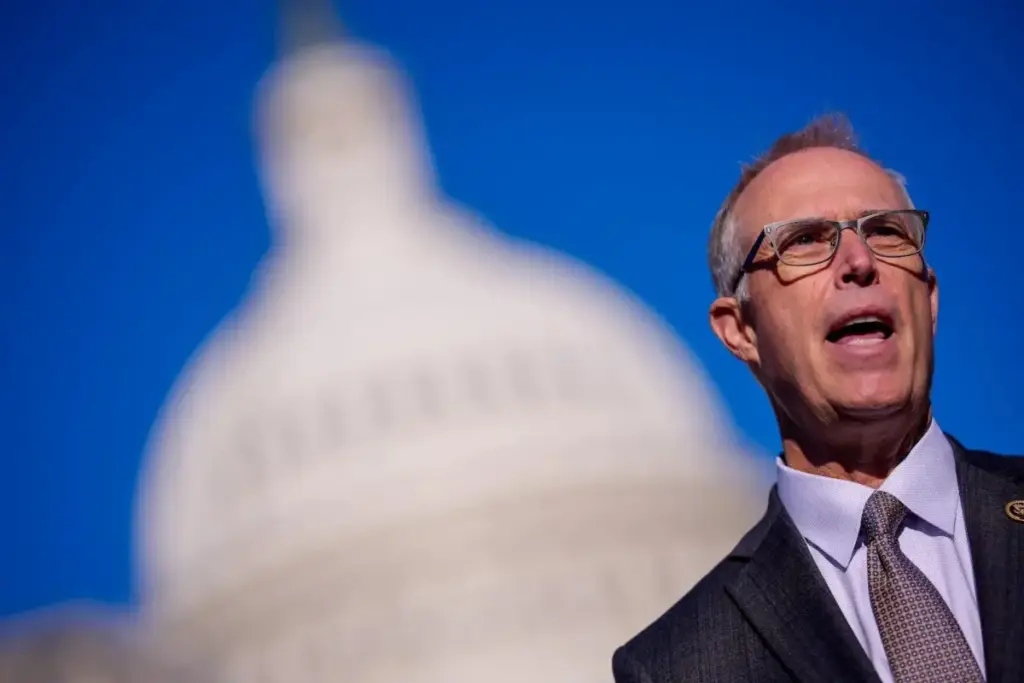
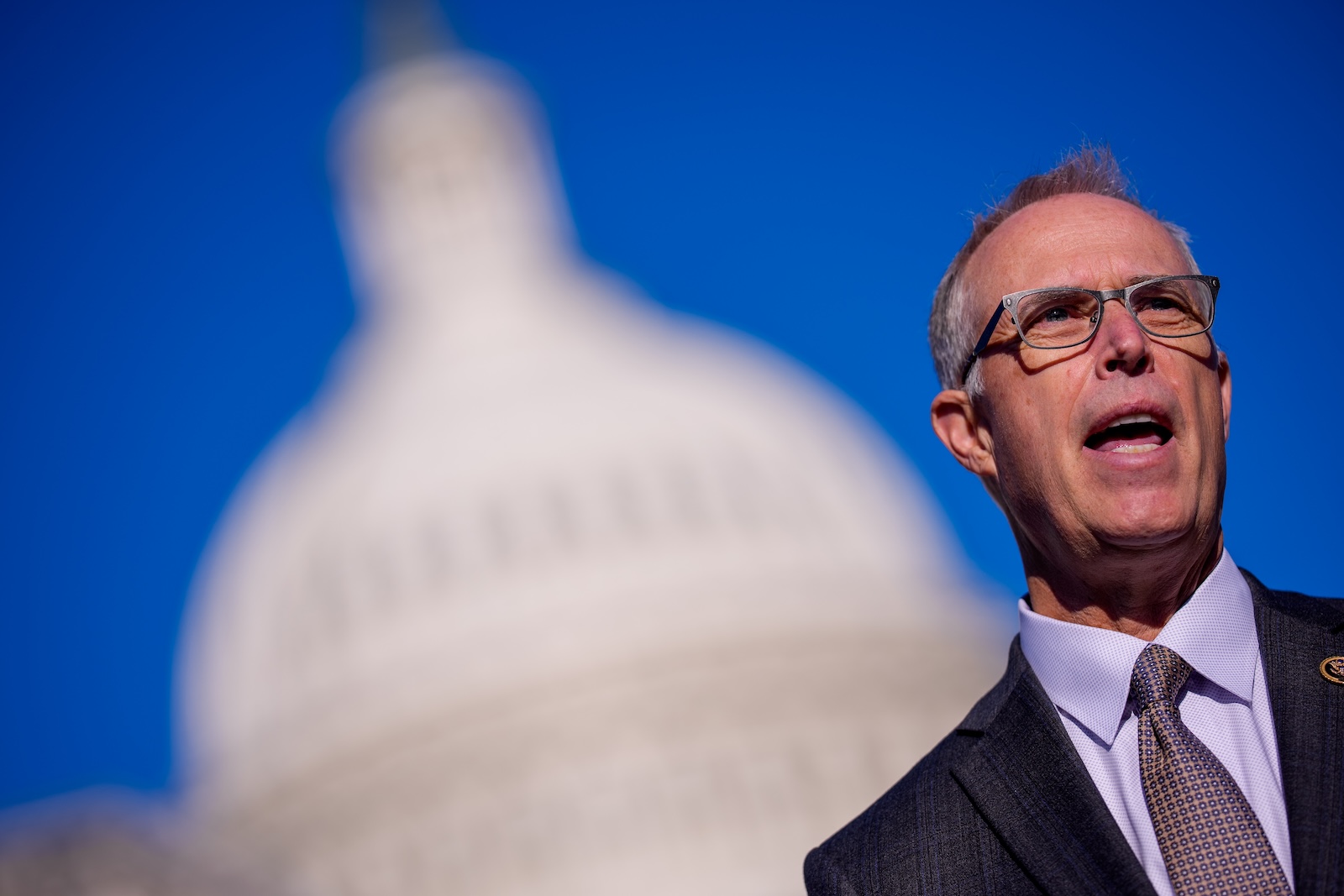
If Democrats retake control of the House of Representatives following upcoming midterm elections, progressive lawmakers like Representative Jared Huffman have signaled an intent to reject BAAJA in favor of cleaner, more focused renewable energy legislation. However, political realities dictate that passing major transmission reform will still necessitate Republican votes in the Senate, making some form of compromise unavoidable.
Ultimately, BAAJA is a mirror reflecting the maturation and internal friction of the American climate movement. Born out of the anti-pipeline protests of the fracking era, the movement is now grappling with the unglamorous, nuts-and-bolts reality of industrial deployment. Whether the "builders" successfully institutionalize a new era of rapid infrastructure growth, or the "blockers" succeed in preserving the environmental review walls of the past, the outcome will define the trajectory of American climate policy for decades to come. As the debate over BAAJA proves, the hardest part of solving climate change may no longer be proving that clean energy works—it is deciding who bears the cost of building it.