

Executive Overview
In the sprawling, ecologically rich waters of the Pacific Northwest, a quiet battle for marine preservation is being waged every single day. The Salish Sea—a complex network of coastal marine waterways encompassing the Puget Sound, the Strait of Georgia, and the Strait of Juan de Fuca—serves as a vital sanctuary for an astonishing diversity of marine life. Designated globally as a Mission Blue Hope Spot and bolstered by the vital conservation framework of the Rolex Perpetual Planet Initiative, this ecosystem is a critical barometer for planetary health. Yet, it is also an environment under severe anthropogenic and environmental stress.
At the epicenter of this struggle is SeaLife Response, Rehabilitation and Research (SR3), a premier marine wildlife organization acting as a dedicated Hope Spot Champion. During the tumultuous spring and summer pupping seasons, SR3’s specialized facilities become a lifeline for vulnerable, orphaned, and abandoned harbor seal pups (Phoca vitulina richardsi). Without maternal care, these young mammals face near-certain mortality in the wild due to starvation, predation, or human-induced disturbances.
This in-depth report explores the meticulous, science-driven rehabilitation protocols employed by SR3, charting the journey of vulnerable seal pups from the brink of death to their eventual, triumphant reintegration into the Salish Sea. Through a synthesis of veterinary medicine, behavioral conditioning, and rigorous ecological monitoring, SR3 and its partners are not merely saving individual animals; they are actively bolstering the resilience of an interconnected marine ecosystem at a crucial historical juncture.
Detailed Chronology: From Rescue to Reintegration
The path from a vulnerable, stranded pup on a rocky Washington beach to a thriving, self-sufficient marine predator in the Salish Sea is an arduous process governed by strict veterinary timelines, behavioral milestones, and empirical assessments.
Phase 1: Rescue, Triage, and Stabilization
The journey typically begins with a public report or a strategic surveillance alert regarding a lone harbor seal pup. In the Pacific Northwest, well-meaning beachgoers often misinterpret a resting pup as abandoned, inadvertently causing stress or interference. However, when marine mammal strandings are genuinely verified as orphaned, sick, or injured, SR3’s specialized response teams are deployed.
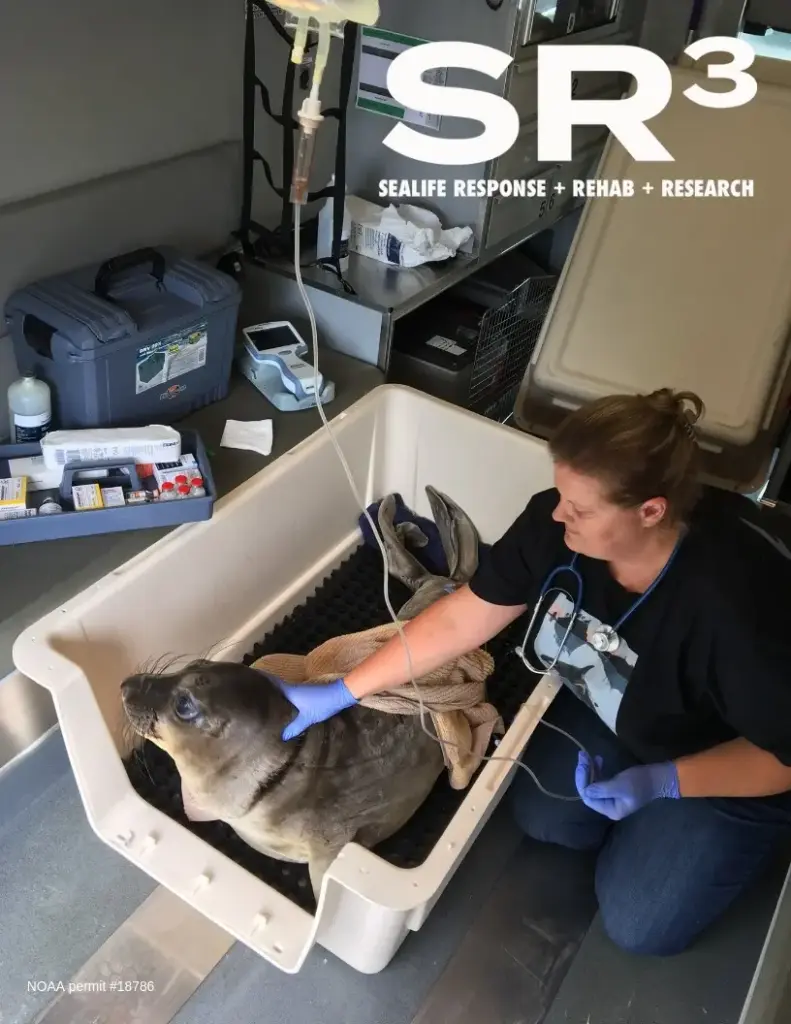
Upon arrival at the SR3 facility, patients undergo immediate comprehensive veterinary triage.
- Initial Diagnostics: Clinicians record core body temperatures, assess hydration levels, check for external trauma, and draw blood for complete blood counts (CBC) and serum chemistry panels.
- Nutritional Crisis Intervention: Many incoming pups arrive suffering from severe dehydration, hypoglycemia, and hypothermia. Rehydration protocols involve the administration of subcutaneous or intravenous isotonic fluids enriched with essential electrolytes.
- The Formula Transition: Because maternal harbor seal milk is exceptionally rich in fats (often exceeding 40% fat content) to support rapid blubber development, veterinary staff formulate specialized, high-calorie tube-feeding mixtures. These formulas provide the precise balance of lipids, proteins, and micronutrients required to stabilize metabolic rates during the critical first 48 to 72 hours of care.
Phase 2: Nursery Care and Weaning
As the pups stabilize, they transition from intensive medical triage into the nursery phase of rehabilitation. This period is characterized by intensive feeding schedules and minimal human contact to prevent habituation—a dangerous psychological condition where wildlife loses its natural fear of humans and vessels.
- Formula to Solid Food Transition: Around three to four weeks of age, pups naturally begin transitioning from milk formulas to solid food. Animal care technicians introduce small, thawed sustainable fish, such as herring and capelin, placed in shallow water pools.
- Self-Feeding Mastery: Encouraging predatory instincts requires patience. Technicians utilize underwater presentation techniques and live-action simulations to stimulate the pups’ innate chase-and-capture reflexes. Success in this phase is marked by the pup independently hunting, capturing, and consuming whole fish without human intervention.
Phase 3: Aquatic Conditioning and Socialization
Once weaning is successfully achieved, the seals move into large, deep-water rehabilitation pens designed to mimic the natural marine environment of the Salish Sea.
- Physical Conditioning: Harbor seals must develop robust cardiovascular endurance and powerful musculature to navigate strong tidal currents, evade predators (such as transient orca pods and bald eagles), and hunt agile fish. The rehabilitation pools feature variable current simulations and underwater obstacles to build strength, stamina, and diving proficiency.
- Social Dynamics: Pups are housed in communal pools with conspecifics (other seals of similar age and size). This social interaction is critical. Through playful sparring, vocalizations, and competition, seals establish social hierarchies, learn species-specific communication, and develop normal behavioral repertoires essential for wild pack dynamics.
Phase 4: Final Medical Clearance and Release
The culmination of weeks—and sometimes months—of intensive rehabilitation is the pre-release evaluation.
- Health Metrics: Veterinarians perform final physical examinations, ensuring the seal has attained a healthy target weight (typically exceeding 20 to 25 kilograms), robust blubber thickness, clear lungs, and normal blood chemistry.
- Tagging and Identification: Prior to release, permanent identification markings, flipper tags, and occasionally satellite or acoustic telemetry tags are applied. These tracking devices provide researchers with invaluable post-release survival data.
- The Return Home: Transported in specialized, dark, stress-reducing crates, the rehabilitated seals are returned to secluded, biologically rich shorelines within the Salish Sea Hope Spot. The moment the crate doors open represents the ultimate realization of SR3’s mission: a second chance at a wild, untamed life.
Supporting Context & Metrics: The Salish Sea Ecosystem and SR3’s Impact
To understand the profound significance of SR3’s rehabilitation work, one must examine the ecological framework of the Salish Sea and the historical pressures facing its apex and mesopredator populations.
The Salish Sea: A Mission Blue Hope Spot
Spanning the international border between Washington State (USA) and British Columbia (Canada), the Salish Sea is a semi-enclosed inland sea teeming with biological productivity. It supports hundreds of species of fish, seabirds, and marine mammals, including the critically endangered Southern Resident killer whales, Dall’s porpoises, Steller sea lions, and harbor seals.
However, this marine biome faces immense cumulative pressures:
- Habitat Fragmentation and Coastal Urbanization: Industrial development, shoreline armoring, and urban runoff degrade nearshore nurseries where fish and invertebrates spawn.
- Chemical Contaminants: Historic and ongoing pollution introduces persistent organic pollutants (POPs), polychlorinated biphenyls (PCBs), and heavy metals into the marine food web, bioaccumulating in top predators like seals and orcas.
- Underwater Noise Pollution: Commercial shipping, ferry traffic, and recreational boating disrupt acoustic communication and foraging efficiency for marine mammals.
Within this fragile ecosystem, harbor seals serve as vital keystone indicators. Because they occupy a high trophic level and spend their lives foraging locally within the Salish Sea, their health, population stability, and tissue contaminant loads provide scientists with a clear diagnostic profile of the entire ecosystem’s health.
Quantitative Metrics of Intervention
SR3 operates at the intersection of veterinary science and conservation biology, managing high volumes of marine wildlife stranding cases annually.
- Caseload Management: During peak pupping seasons, SR3’s dedicated facility processes dozens of marine mammal cases simultaneously, ranging from harbor seals and northern elephant seals to California sea lions.
- Survival and Success Rates: Through state-of-the-art protocols, SR3 achieves high release rates for rehabilitated harbor seal pups, with the vast majority successfully transitioning back into wild populations.
- Community Engagement and Education: Beyond direct clinical intervention, SR3’s educational outreach programs reach thousands of regional residents, boaters, and school groups annually, fostering a culture of coexistence and marine stewardship across the Pacific Northwest.
Official Statements and Expert Perspectives
The success of SRecover’s conservation model relies heavily on collaborative partnerships, scientific rigor, and institutional support from global organizations such as Mission Blue and the Rolex Perpetual Planet Initiative.
Dr. Casey McLean, Executive Director and co-founder of SR3, emphasizes the delicate balance required in wildlife rehabilitation:
"Every harbor seal pup that comes through our doors represents a direct connection to the health of the Salish Sea. Our goal is never to domesticate these animals, but rather to bridge the gap during their most vulnerable weeks of life. When we open those transport crates on a quiet Washington beach and watch a healthy, strong seal surge back into the cold Pacific waters, we are investing directly in the ecological resilience of this entire region."
The designation of the Salish Sea as a Mission Blue Hope Spot—supported by the Rolex Perpetual Planet Initiative—has amplified the visibility of local conservation efforts on an international scale. Sylvia Earle, legendary oceanographer and founder of Mission Blue, has repeatedly underscored the importance of regional marine sanctuaries:
"Hope spots are special places that are scientifically identified as critical to the health of the ocean. The Salish Sea is an extraordinarily rich, vibrant marine ecosystem, but it is deeply vulnerable to human impacts. Organizations like SR3 are the frontline defenders of this ecosystem, demonstrating that human intervention, when guided by science and empathy, can reverse environmental decline and restore balance to our natural world."
Furthermore, marine mammal veterinarians and researchers highlight the broader ecological implications of individual rehabilitations. By maintaining stable harbor seal population structures, SR3 helps preserve natural predator-prey dynamics within the nearshore food web, ensuring that the Salish Sea remains a functioning, biodiverse wilderness.
Future Outlook: Challenges and Conservation Horizons
As we look toward the future, the operational landscape for marine wildlife rehabilitation in the Pacific Northwest is evolving rapidly in response to shifting climatic and environmental conditions.
Climate Change and Ocean Warming
Rising ocean temperatures, marine heatwaves (often referred to as "The Blob" phenomena), and ocean acidification are fundamentally altering the distribution, abundance, and nutritional quality of forage fish species in the Salish Sea. When mother seals experience diminished foraging success due to shifting fish stocks, lactation can be compromised, leading directly to higher rates of abandoned and malnourished pups. SR3 and regional researchers are actively studying these correlations to anticipate surge years in stranding rates and adapt clinical protocols accordingly.
Expanding Infrastructure and Technological Innovation
To meet the rising demands of coastal conservation, SR3 continues to innovate across multiple fronts:
- Advanced Telemetry and Post-Release Monitoring: Future initiatives aim to expand post-release satellite tracking capabilities, allowing scientists to gather granular data on post-rehabilitation survival rates, foraging site fidelity, and long-term integration into wild social groups.
- Enhanced Veterinary Facilities: Upgrades to medical imaging, isolation wards, and aquatic conditioning enclosures will enable SR3 to handle increasingly complex trauma and infectious disease cases, including zoonotic pathogens emerging in marine environments.
- Policy and Public Stewardship: Strengthening public reporting networks, enforcing marine mammal protection laws (such as the U.S. Marine Mammal Protection Act), and promoting responsible boating and shoreline recreation remain paramount to reducing human-caused strandings before they occur.
Conclusion
The narrative unfolding within the Salish Sea Hope Spot is one of profound resilience. Through the tireless, science-based efforts of SeaLife Response, Rehabilitation and Research (SR3)—backed by the global vision of Mission Blue and the Rolex Perpetual Planet Initiative—orphaned harbor seal pups are given more than just a second chance at life. They are given a voice in the ongoing survival of one of the planet’s most extraordinary marine ecosystems. As these young seals reclaim their rightful place in the cold, nutrient-rich waters of the Pacific Northwest, they stand as living testaments to what can be achieved when human compassion, rigorous science, and steadfast conservation dedication converge.



