


A compounding series of international security crises, supply-chain disruptions, and global oil market shocks has widened the financial divide between conventional internal combustion engine (ICE) vehicles and electric vehicles (EVs) in the United Kingdom to unprecedented levels.
New analysis from Carbon Brief, drawing on data from the Department for Energy Security and Net Zero (DESNZ), Ofgem, Zapmap, and the Society of Motor Manufacturers and Traders (SMMT), reveals that driving an EV charged on an off-peak domestic tariff is now up to nine times cheaper per mile than driving a diesel or petrol car.
As global crude oil prices breach the $100-per-barrel mark driven by severe military escalations in the Middle East and sustained infrastructure strikes in Eastern Europe, UK motorists at petrol pumps are facing record-high fuel costs. Conversely, household electricity structures—buffered by domestic renewable generation—have shielded electric vehicle drivers from the worst of the global fossil fuel crisis, saving the average EV owner over £1,200 per year in fuel expenses alone.
Executive Overview: The Widening Cost Gulf
The economic narrative of UK personal transport has undergone a seismic shift. Geopolitical flashpoints have triggered a 50% surge in crude oil benchmarks since June, causing forecourt diesel prices to rise by 38% since February to an average of £1.96 per litre, with petrol climbing 31% to £1.72 per litre. In many regions, pump prices have already touched or breached the psychological £2.00 per litre threshold.
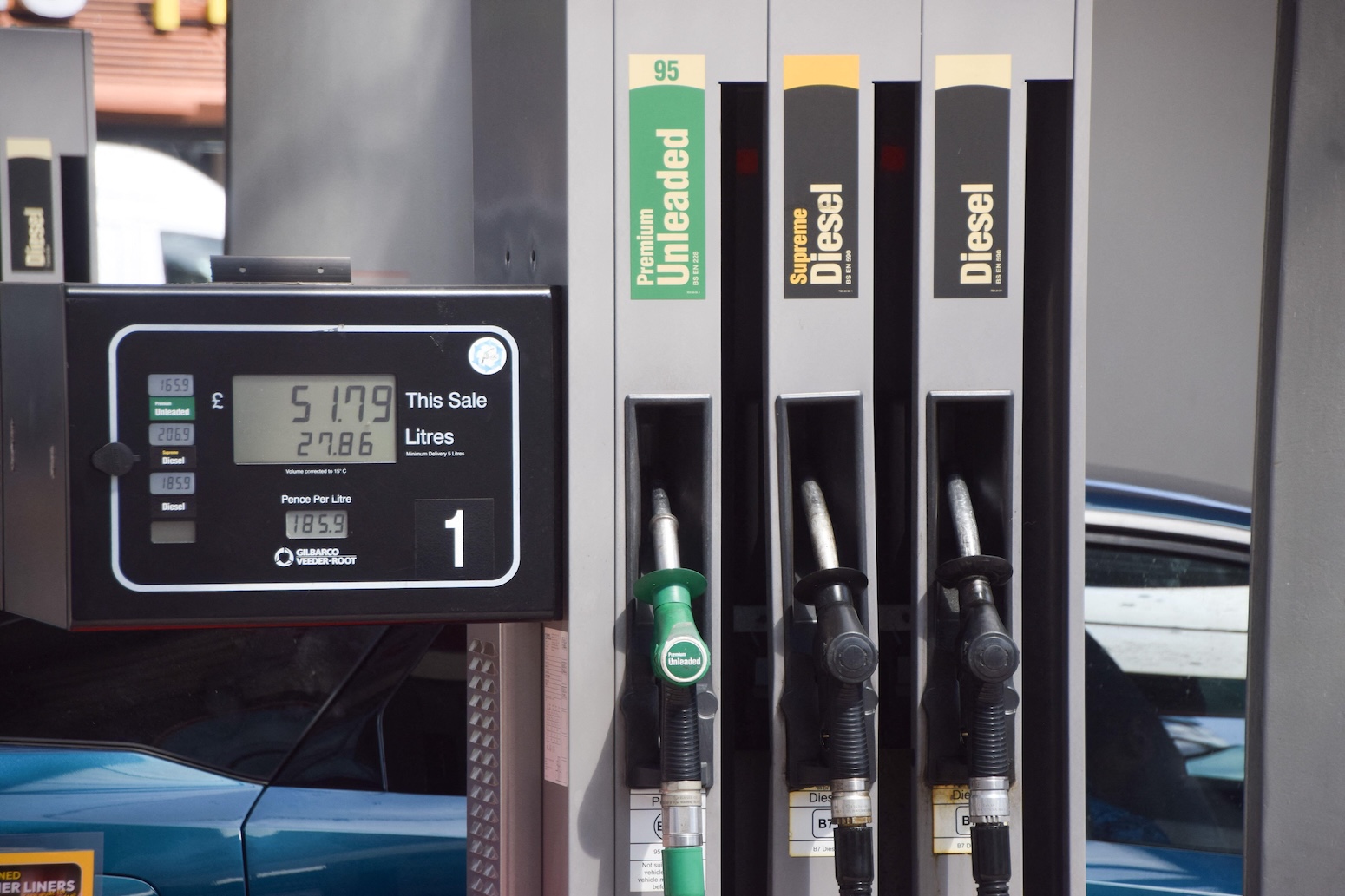
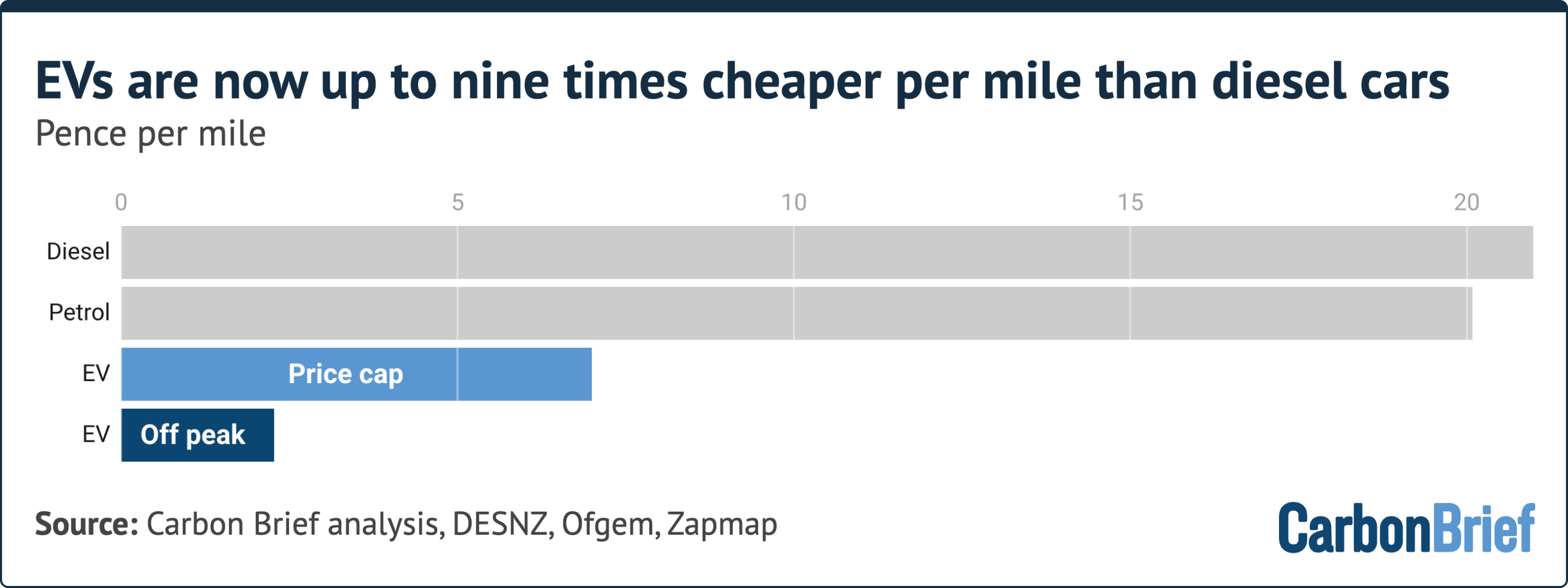
This price spike translates to a running cost of 21.0p per mile for diesel vehicles and 20.1p per mile for petrol cars.
In contrast, an electric vehicle charged at home using a dedicated off-peak EV tariff costs approximately 2.3p per mile to run. Even when charged using standard peak electricity rates capped by the energy regulator Ofgem, driving an EV costs roughly 7.0p per mile—making it three times cheaper than a conventional petrol or diesel equivalent.
+-----------------------------------------------------------------------+
| MILEAGE RUNNING COST COMPARISON (Pence Per Mile)                      |
+-----------------------------------------------------------------------+
| Diesel (Average Pump Price)             | 21.0p                       |
| Petrol (Average Pump Price)             | 20.1p                       |
| EV (Standard Ofgem Price Cap Tariff)    |  7.0p                       |
| EV (Smart Off-Peak Domestic Tariff)     |  2.3p                       |
+-----------------------------------------------------------------------+
While petrol and diesel models still comprise nearly 85% of the UK’s existing 35-million-vehicle passenger fleet, the stark operating cost divergence is accelerating the consumer transition toward electrification.
Detailed Chronology: The 2026 Geopolitical Energy Shock
The current crisis at British fuel pumps is the direct result of cascading geopolitical disruptions across key oil-producing regions that escalated rapidly throughout 2026.
       FEBRUARY 2026               H1 2026               SEPTEMBER 2026
┌─────────────────────────┐  ┌───────────────────┐  ┌─────────────────────────┐
│ U.S.-Iran Hostilities   │  │ Drone Campaigns   │  │ Kapotnya Strike &       │
│ Spark Initial Crude     │─►│ Target Russian    │─►│ Hormuz Crisis Push Oil  │
│ Rally                   │  │ Refining Fleet    │  │ Beyond $100/Barrel      │
└─────────────────────────┘  └───────────────────┘  └─────────────────────────┘
1. February Hostilities and Initial Price Volatility
The catalyst for the current market shock began in February, when military engagements involving the United States and Iran disrupted maritime traffic in vital Middle Eastern shipping lanes. The immediate market response forced crude oil out of its multi-month trading range, instigating a steadily rising price baseline for refined products.
2. Systematic Strikes on Eastern European Refining Capacity
Throughout the first six months of the year, targeted long-range drone strikes systematically dismantled critical refining infrastructure in Russia—historically the world’s second-largest exporter of diesel. Russian refining facilities were struck on average once every three days during this period, stripping hundreds of thousands of barrels of daily processing capacity from the global market.
The crisis culminated on September 20 with a massive strike on the Kapotnya oil refinery near Moscow. The resulting loss of output severely restricted global middle-distillate supplies, triggering an immediate spike in international wholesale diesel margins.
3. Red Sea Escalation and the Strait of Hormuz Crisis
Simultaneously, the conflict between Yemen’s Houthi forces and Saudi Arabia escalated into open warfare around maritime energy corridors. Threat conditions in the Strait of Hormuz—the choke point through which nearly a fifth of global petroleum supply passes—forced tanker fleets to reroute around the Cape of Good Hope or pay exorbitant war-risk insurance premiums.
The cumulative effect drove Brent crude oil past $100 per barrel, representing a ~50% jump from June price levels and sending immediate shockwaves to British forecourts.
Supporting Context & Economic Metrics
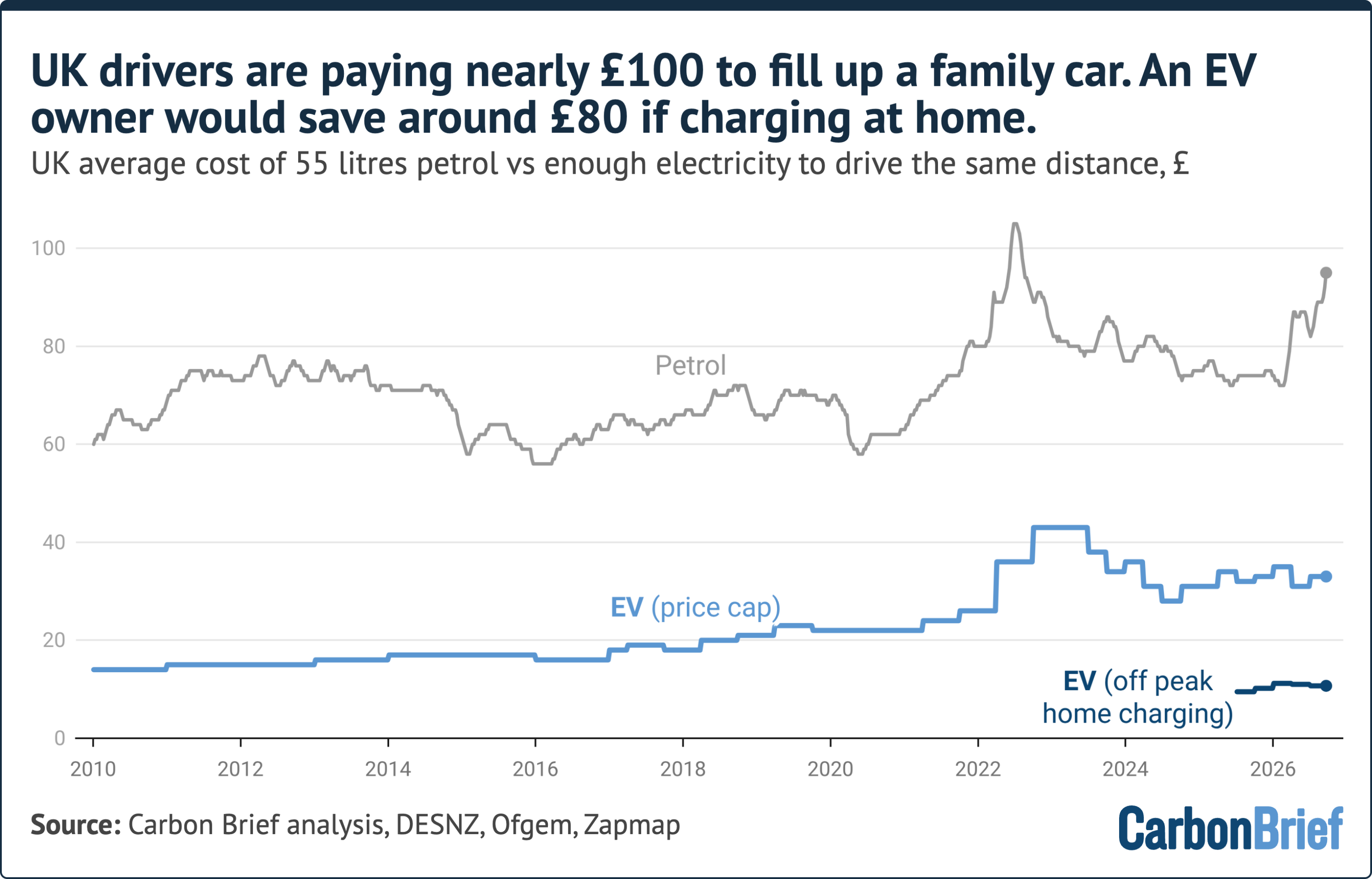
The financial pressure on fossil-fuel vehicle drivers is most acute when examining full-tank costs versus battery replenishment costs.
+-----------------------------------------------------------------------+
| COST COMPARISON: FILLING A TYPICAL FAMILY CAR (55L / EQUIVALENT kWh) |
+-----------------------------------------------------------------------+
| Petrol (National Average @ £1.72/L)      | £94.60                     |
| EV (Standard Price Cap - Domestic)       | £33.00                     |
| EV (Smart Off-Peak Tariff)               | £14.20                     |
+-----------------------------------------------------------------------+
| NET SAVINGS (Off-Peak EV vs. Petrol)    | ~£80.40 Per "Full Tank"    |
+-----------------------------------------------------------------------+
Direct Consumer Savings
For a standard family car equipped with a 55-litre fuel tank, a single fill-up of petrol now costs approximately £94.60, while a full tank of diesel averages £107.80.
To cover an equivalent driving distance, an electric vehicle owner charging at home on an off-peak overnight tariff spends roughly £14.20. This represents a direct saving of over £80 per full charge compared to petrol.
On an annualized basis:
- In June, Carbon Brief calculated that UK EV drivers were saving an average of £1,100 per year compared to petrol car drivers.
- Following the late-summer fuel price surge, annual operational savings have expanded to £1,200 per driver.
  ANNUAL SAVINGS PER DRIVER (EV vs. Petrol)

  June:       [£1,100]
  Current:    [£1,200]  (+9.1% increase in savings)
Electricity Price Cap Mechanics
A crucial factor preserving the EV cost advantage is the regulatory structure of the UK domestic energy market. Under Ofgem’s quarterly price cap system:
- October Adjustment: Despite soaring wholesale oil markets, the domestic electricity unit rate under the price cap rises by less than 1%, moving from 26.1p per kWh to 26.3p per kWh. This is because October’s cap adjustment reflects prior contract periods and a muted immediate jump in marginal electricity generation costs.
- January 2027 Outlook: A larger 20% increase in electricity unit rates is anticipated under the price cap in January 2027 as high natural gas import costs gradually filter into wholesale electricity pricing.
- Impact Assessment: Even if standard electricity rates rise to ~31.5p per kWh in early 2027, the cost per mile for an EV charged at price-cap rates would rise to only ~8.4p—remaining less than half the operating cost of a fossil fuel car.
+-----------------------------------------------------------------------+
| EQUIVALENT FUEL COST COMPARISON (Pence Per "E-Litre")                 |
+-----------------------------------------------------------------------+
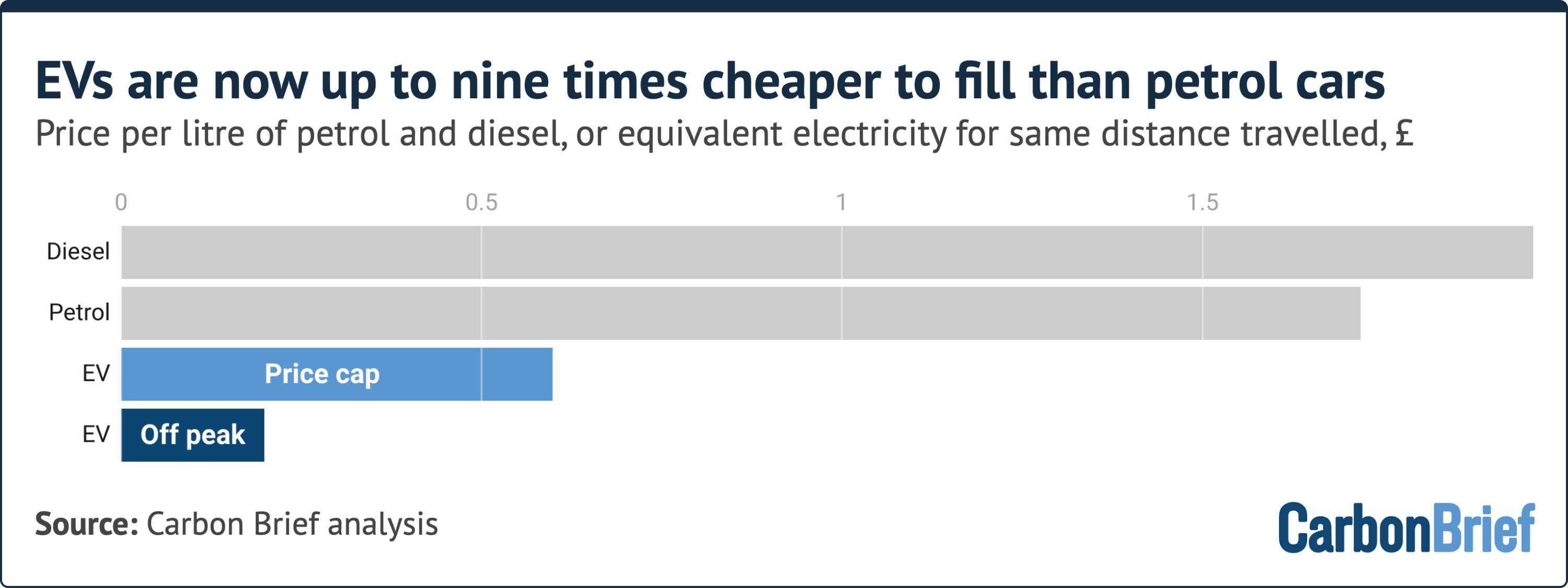
| Diesel (Pump Price)                     | 196p / Litre                |
| Petrol (Pump Price)                     | 172p / Litre                |
| EV Equivalent (Price Cap Rates)         |  60p / Litre Equivalent     |
| EV Equivalent (Off-Peak Rates)          |  20p / Litre Equivalent     |
+-----------------------------------------------------------------------+
Fleet Transition and Infrastructure Realities
Despite the compelling financial argument for electric propulsion, the total composition of the UK auto fleet reflects the structural legacy of decades of fossil-fuel dominance.
Fleet Composition vs. New Registration Dynamics
- Existing Fleet: Out of approximately 35 million passenger cars registered on British roads, 55% remain petrol-powered, with diesel accounting for much of the remainder. Fully electric battery-electric vehicles (BEVs) comprise 6% of the national fleet, with plug-in hybrid electric vehicles (PHEVs) making up an additional 3%.
- New Car Sales Trajectory: Consumer purchase patterns at the dealership level are shifting rapidly. Data from the Society of Motor Manufacturers and Traders (SMMT) reveals that 30% of all new car registrations in August were pure BEVs, up from 26.5% in August of the previous year.
  UK PASSENGER VEHICLE FLEET SHARE
  ┌───────────────────────────────────────────┬─────────┬────────┐
  │ Petrol (55%)                              │ BEV(6%) │PHEV(3%)│
  └───────────────────────────────────────────┴─────────┴────────┘

  NEW CAR REGISTRATIONS (AUGUST)
  ┌───────────────────────────────┬──────────────────────────────┐
  │ BEV: 30%                      │ ICE / Hybrid / Other: 70%    │
  └───────────────────────────────┴──────────────────────────────┘
The Charging Infrastructure Divide
A persistent point of friction in the UK market remains the price disparity between home charging and public infrastructure:

- Domestic Access: Government data indicates that 76% of all EV charging events occur at home, supported by the fact that approximately 90% of current EV owners have access to off-street parking and domestic chargepoints.
- Public Charging Costs: Drivers reliant exclusively on public rapid-charging networks face substantially higher unit costs due to higher commercial electricity tariffs, land site fees, and a 20% VAT rate (compared to 5% VAT on domestic energy). However, even for high-mileage drivers using a mix of public and home charging, total operating costs remain significantly below those of equivalent petrol and diesel vehicles.
Official Policy Responses and Future Outlook
The macro-economic pressure exerted by the 2026 fuel shock has accelerated debate across Whitehall regarding vehicle taxation, energy resilience, and grid modernization.
┌─────────────────────────────────────────────────────────────────┐
│                 KEY POLICY & MARKET TIMELINE                    │
├───────────────┬─────────────────────────────────────────────────┤
│ October       │ Ofgem Electricity Price Cap rises <1%           │
│               │ (26.1p to 26.3p per kWh)                        │
├───────────────┼─────────────────────────────────────────────────┤
│ January 2027  │ Anticipated 20% electricity price cap increase  │
│               │ due to delayed gas market pass-through          │
├───────────────┼─────────────────────────────────────────────────┤
│ April 2028    │ Government implementation of EV Pay-Per-Mile    │
│               │ Tax (EVED), adding 3p per mile                  │
└───────────────┴─────────────────────────────────────────────────┘
Regulatory Reform: The 2028 Pay-Per-Mile Tax
To offset declining fuel duty revenues—which historically contributed over £24 billion annually to the Exchequer—HM Treasury has confirmed plans to introduce a pay-per-mile tax system for electric vehicles starting in April 2028.
The Electric Vehicle Excise Duty (EVED) structure will levy a charge of 3p per mile on BEVs.
Even when factoring in this future tax burden:

- An EV charged at off-peak home rates will cost 5.3p per mile (2.3p electricity + 3.0p tax).
- Compared to current ICE costs of 20p–21p per mile, electric vehicles will retain a ~75% operating cost advantage, ensuring that the economic incentive for electrification remains intact.
Renewable Buffering and National Security
The 2026 oil crisis has underscored the macroeconomic protection afforded by domestic clean energy. Parallel analysis indicates that expanded UK wind and solar generation saved the national economy an estimated £5.9 billion in unneeded natural gas imports during the peak of the Strait of Hormuz crisis. By insulating the domestic power market from total exposure to imported fossil energy, renewables have mitigated domestic electricity inflation.
As global oil supplies remain constrained by geopolitical friction in the Middle East and structural reductions in Eastern European refining capacity, internal combustion vehicles are increasingly viewed by industry analysts not just as an environmental concern, but as an acute financial vulnerability for households. With battery supply chains expanding and off-peak smart charging technology maturing, the economic tipping point in personal transport has firmly arrived.



