

Executive Overview
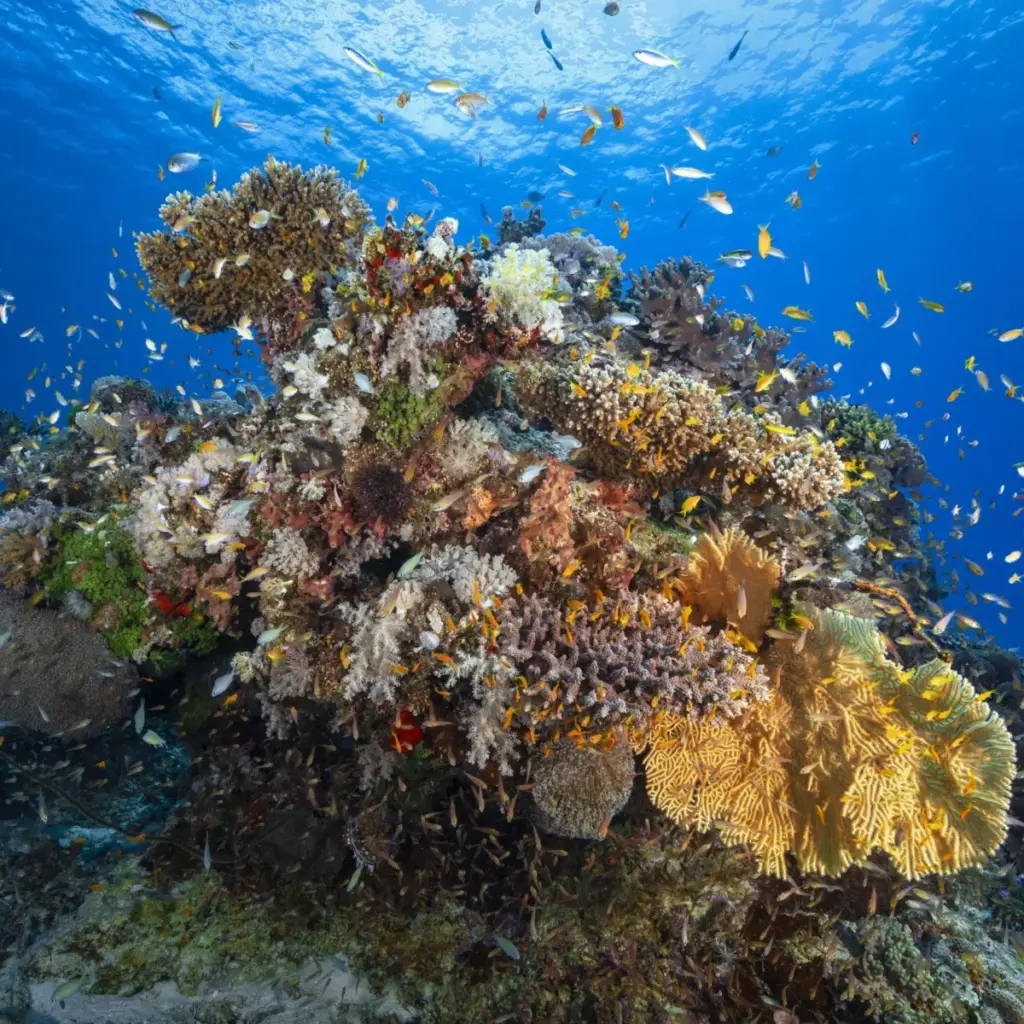
The global marine ecosystem stands at a critical historical crossroads. Recent scientific disclosures, geopolitical flashpoints, and ecological metrics paint a stark picture of an ocean realm buckling under cumulative pressures. In 2025 alone, the world’s oceans absorbed an unprecedented 23 zettajoules of heat, accelerating global marine warming and severely shortening the recovery windows for delicate coral reef ecosystems worldwide.
From the shifting geographic ranges of endangered sea turtles off the U.S. West Coast and Mexico to the alarming mortality rates within commercial aquaculture and the ongoing degradation of critical habitats like the North Atlantic mackerel fisheries, the planetary life-support system is displaying acute signs of distress. Yet, this era of unprecedented environmental strain is simultaneously matched by groundbreaking scientific discoveries—including newly identified freshwater mussel species, ingenious shade-cloth "umbrellas" engineered to protect bleaching corals, and innovative citizen-science conservation frameworks. This comprehensive report synthesizes the latest developments across marine science, commercial fisheries, international policy, and climate resilience, offering an authoritative assessment of the state of our blue planet.
Detailed Chronology of Recent Marine Developments
Biodiversity Milestones and Novel Discoveries
Recent ecological surveys continue to reveal the astonishing—and fragile—hidden diversity of aquatic environments. In the southern United States, researchers formally identified five previously unknown species of freshwater mussels, underscoring the vital, often-overlooked richness of freshwater systems. Simultaneously, deep within the Brazilian Amazon, scientists uncovered a vibrant new species of orange killifish, expanding our taxonomic understanding of tropical wetlands.
Marine mammal behavior has also yielded fascinating insights. A comprehensive tracking study revealed that dolphins strategically segregate their habitats, utilizing entirely different segments of the ocean for feeding versus social interactions. In a separate physiological breakthrough, researchers documented sperm whales releasing deliberate bubble rings—not merely for play, but as a sophisticated buoyancy control mechanism to maintain their spatial orientation while resting in the dark depths of the pelagic zone.
Fisheries Management and Commercial Strains
The commercial fishing sector remains locked in a tense battle between economic survival and ecological limits. Despite a minor, temporary rebound in biomass, the Northeast Atlantic mackerel fishery faces severe systemic threats following years of chronic overfishing. Representatives from the North Atlantic Pelagic Advocacy (NAPA) alliance have publicly decried international quota negotiations, describing the pace of regulatory consensus as "excruciatingly slow."
In South Africa, a catastrophic mass die-off of sardines has triggered a profound ecological and economic bottleneck. The sudden disappearance of primary prey has severely compromised already-struggling African penguin populations while directly threatening the daily livelihoods of coastal fishers. To combat the pervasive threat of marine debris, innovative pilot programs in Orkney are currently deploying advanced underwater drones to locate, map, and retrieve lost or abandoned fishing gear—commonly known as "ghost gear"—which continues to indiscriminately kill marine wildlife.
Geopolitical Tensions in UK Overseas Territories
Geopolitical friction in marine territories has intensified significantly. The Falkland Islands Government recently opened recruitment for a dedicated Fisheries Protection Officer to safeguard its lucrative and ecologically sensitive sovereign waters. However, this administrative action occurs under a dark cloud of international tension: the government of Argentina has formally threatened sweeping international legal action against the United Kingdom unless controversial plans to develop the Sea Lion offshore oilfield near the Falklands are immediately halted.
Meanwhile, proactive conservation initiatives continue across other British Overseas Territories. The Blue Belt Programme recently released a trio of high-definition short films documenting comprehensive scientific expeditions to the Cayman Islands, Anguilla, and the Turks and Caicos Islands. These visual records highlight intensive efforts to map uncharted marine habitats, monitor vulnerable offshore megafauna, and bolster regional management strategies.
Climate Shocks and Coastal Vulnerabilities
Global heating is violently rewriting the rules of marine migration and survival. Along the coast of Mexico, over 330,000 endangered olive ridley sea turtles arrived for their annual nesting migration, only to find their traditional breeding grounds destabilized by erratic climatic patterns and soaring sand temperatures. In a historic first for the U.S. West Coast, confirmed sea turtle nesting activity was recorded on California beaches, signaling that warming oceans may be forcing reptilian species to hastily expand their breeding ranges northward into unaccustomed latitudes.
In the Southern Hemisphere, climate-driven alterations are equally severe. Ocean warming tied to intense El Niño cycles has pushed critical fish stocks away from traditional Latin American fishing grounds into colder waters, causing steep localized catch declines and skyrocketing operational costs for small-scale fleets. In Peru and New Zealand, iconic penguin populations—specifically the Humboldt and yellow-eyed penguins—are suffering catastrophic population declines driven by a deadly triple-threat of warming seas, emerging avian diseases, and chronic competition with industrial fisheries for scarce prey. Even in extreme freshwater anomalies, roughly 20 critically endangered Ganges river dolphins persist in Bangladesh’s heavily industrialized Buriganga River, surviving in waters chemically deemed too toxic to support standard fish life.
Supporting Context and Metrics
To properly grasp the scale of current marine degradation, quantitative data from recent scientific assessments provides an unavoidable reality check:
- 23 Zettajoules: The staggering amount of thermal energy absorbed by the global oceans in the year 2025 alone, shattering historical records and fueling intensified marine heatwaves.
- $855 Billion: The projected cumulative economic loss Australia faces by the turn of the century if unmitigated sea-level rise continues to batter its coastal infrastructure, low-lying communities, and fragile marine ecosystems.
- 71% and 75%: According to a robust YouGov poll commissioned in the United Kingdom, 71% of UK adults strongly support establishing a legal requirement ensuring commercial fishing catch limits never exceed independent scientific advice, while 75% believe scientific consensus should form the absolute baseline for all marine resource quotas.
- $3,421: The average annual financial loss experienced by individual small-scale fishing boats in Vietnam due to gear entanglement, fouled propellers, and catch contamination caused by runaway plastic pollution.
- 15 Million: The estimated number of farmed Atlantic salmon that perished before ever reaching harvest size in Scottish aquaculture facilities during recent production cycles, illuminating deep-seated animal welfare and environmental management failures.
- 45%: The alarming projection that nearly half of all wild-caught fish stocks could be diverted away from human consumption to serve as high-protein meal and oil for farmed fish and shrimp aquaculture by the year 2040.
Official Statements and Expert Perspectives
The gravity of the current ecological crisis has elicited urgent commentary from conservation leaders, researchers, and political analysts alike:
Regarding the glacial pace of international consensus on pelagic fisheries, the North Atlantic Pelagic Advocacy (NAPA) released a joint policy statement emphasizing that political expediency is actively endangering ecological stability:
"International negotiations to address the overfishing of shared pelagic stocks remain excruciatingly slow, prioritizing short-term national quotas over the long-term biological survival of the resource."
Highlighting the unintended environmental side-effects of global geopolitical conflicts on energy transition pathways, one prominent policy analyst remarked on the shifting paradigms of energy security:
"This war has completely gutted any sort of romantic notions of energy security and it’s compelled folks to think differently. It’s accelerating investments in clean energy and renewables. If Trump has been an accidental environmentalist, it’s been in the international sphere."
On the ground in local communities, organizations like the Marine Conservation Society continue to champion participatory governance through tools like the Community Voice Method. By integrating qualitative storytelling with hard ecological data, researchers ensure that indigenous and coastal populations retain a definitive voice in shaping localized marine protected areas (MPAs) and zoning laws.
Future Outlook: Mitigation, Adaptation, and Path Forward
As the oceans absorb the overwhelming brunt of anthropogenic climate change, reactionary measures are no longer sufficient; proactive, systemic transformation is required across every sector of marine interaction.
Technological and Structural Innovations
Science is rising to meet the challenge through inventive, localized interventions. The successful testing of underwater shading structures—colloquially termed "underwater umbrellas"—offers a glimmer of hope for high-value coral reefs, providing critical thermal refugia during peak marine heatwaves. Similarly, low-cost preventative measures—such as floating deterrent devices and bird-shaped scarecrow kites deployed around commercial fishing nets off Cornwall—have proven capable of reducing accidental seabird bycatch by up to two-thirds.
Policy and Conservation Priorities
Moving forward, international bodies, regional fisheries management organizations (RFMOs), and sovereign governments must align policy with empirical reality. Key imperatives include:
- Legally Binding Scientific Quotas: Transitioning public sentiment into law by mandating that catch limits strictly adhere to independent scientific recommendations rather than political lobbying.
- Habitat Protection and Expansion: Preserving critical carbon sinks and wave-buffering barriers, such as mangrove forests and shellfish reefs, which recent hydrodynamic studies show provide unmatched natural coastal defense against intensifying storms.
- Equitable Aquaculture Reform: Addressing the looming feed-security crisis by decoupling aquaculture growth from wild-caught forage fisheries through the development of sustainable, algal-based and insect-derived alternative proteins.
- Enhanced Enforcement and Monitoring: Leveraging remote sensing, electronic monitoring on commercial vessels, and community-led conservation frameworks to eliminate illegal, unreported, and unregulated (IUU) fishing globally.
The trajectory of the twenty-first-century ocean will be defined by the choices made within this decade. Whether humanity chooses to drift toward ecological collapse or pivot decisively toward rigorous, science-based stewardship remains the defining question of our time.



