

WASHINGTON — The United States clean energy sector is experiencing a historic paradox. On one side of the ledger, soaring power demands driven by artificial intelligence data centers, industrial expansion, and the electrification of transport are pushing utility companies to the brink. To meet this insatiable appetite for electricity, clean energy developers announced more than 50 new utility-scale solar, wind, and battery storage projects in the first quarter of 2026 alone.
Yet, running parallel to this unprecedented surge is a chilling wave of cancellations. Plagued by shifting political winds, legislative rollbacks, and a looming federal tax incentive deadline tied to the previous year’s Omnibus Budget and Billing Act (OBBA), companies are simultaneously slamming the brakes on billions of dollars in planned manufacturing and generation infrastructure.
According to data from E2’s latest “Clean Economy Works” report, the first three months of 2026 have exposed a deep fracture in the American energy transition: an industry desperately sprinting to break ground before policy doors slam shut, even as regulatory uncertainty forces others to abandon ship entirely.
Executive Overview: A Dual-Track Energy Economy
The opening quarter of 2026 has painted a contradictory portrait of the U.S. clean economy. Between January and March, developers announced 54 new large-scale renewable energy projects. This single-quarter burst nearly matches the total number of active projects announced throughout the entirety of 2025.
Representing upwards of $18 billion in planned private investments, these projects are slated to inject more than 12 gigawatts (GW) of new electricity generation and storage capacity directly into the national grid—enough to power approximately 2 million American homes.
However, this aggressive deployment is reactive rather than purely organic. Industry insiders have warned for months that the gold rush is fundamentally driven by panic. Developers are scrambling to break ground ahead of a critical July 4 federal deadline. That date marks a major shift in regulatory rules under the OBBA, after which securing crucial clean energy tax incentives will become exponentially more difficult, threatening the financial viability of future pipelines.
Simultaneously, the headwinds facing the sector are mounting. E2’s report highlights that the Trump administration’s vocal hostility toward renewables—coupled with congressional efforts to dismantle federal climate funding—is actively destabilizing regional electricity supplies and driving up consumer pricing pressures.
In Q1 2026 alone, companies pulled the plug on 38 utility-scale solar, wind, and battery projects. This single-quarter casualty list represents nearly half of the total cancellations recorded during all of 2025, when 85 projects were formally scrapped. The scrapped infrastructure would have yielded nearly 8 GW of clean electricity—enough to power up to 3 million homes—while stripping away $13 billion in local capital investments and approximately 33,000 construction jobs.
Detailed Chronology: How the Q1 2026 Crisis Unfolded
To understand the current state of America’s energy infrastructure, it is necessary to examine how regulatory anxiety has transformed the project pipeline over the past 36 months.
The Golden Years and the Post-Legislation Pivot (2023–2024)
During 2023 and 2024, the clean energy manufacturing sector experienced a golden era. Bolstered by long-term federal incentives, companies announced an average of more than 60 new clean energy factories every single quarter. Billions of dollars poured into states across the American heartland and the Sun Belt as supply chains repatriated.
The 2025 Chill and Policy Retrenchment
As political power shifted and the OBBA made its way through Congress, the landscape shifted dramatically. Throughout 2025, developers scrapped 85 utility-scale projects, translating to roughly $27 billion in lost investments and 45,000 potential jobs. Manufacturers began second-guessing multi-billion-dollar commitments as the narrative surrounding federal tax credits turned hostile.
The Q1 2026 Deadline Squeeze
Entering 2026, the timeline compressed severely. The impending July 4 regulatory deadline created a "use-it-or-lose-it" dynamic for developers. Consequently, Q1 saw a massive spike in desperate project announcements (54 new utility-scale builds).

Yet, the very same policy environment choked off manufacturing. Across states like Ohio, Oklahoma, North Carolina, and Georgia, companies canceled, closed, or downsized seven major manufacturing facilities in Q1 alone, totaling $1.35 billion in lost investments and erasing 8,100 jobs. By contrast, only 12 new manufacturing projects were announced during the entire quarter, netting a paltry $758 million and roughly 2,000 jobs—a staggering 90% drop from the quarterly averages seen just two years prior.
Supporting Context & Metrics: Sector-by-Sector Breakdown
The turbulence hitting the clean energy sector is not distributed evenly. Different technologies are responding to the regulatory squeeze in sharply contrasting ways.
1. Electric Vehicle (EV) Manufacturing Takes the Heaviest Blow
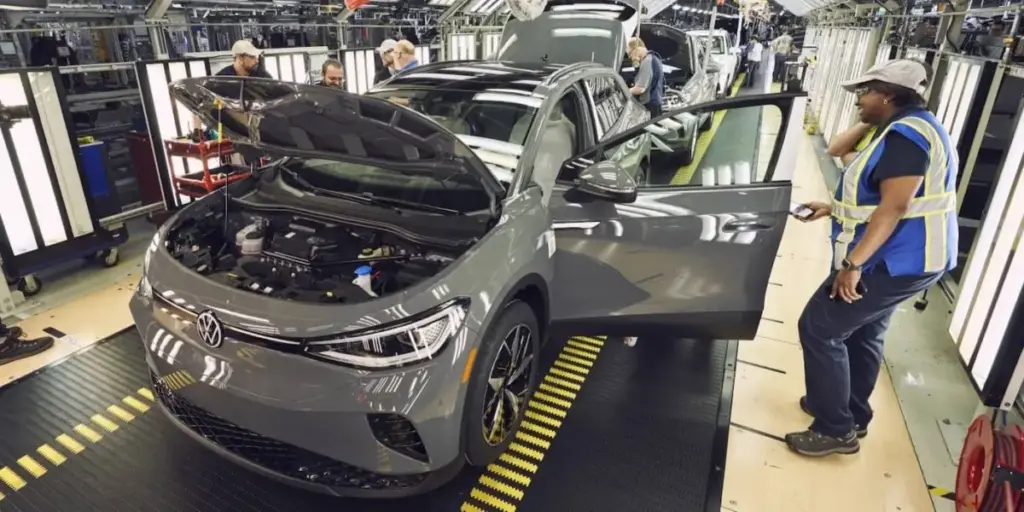
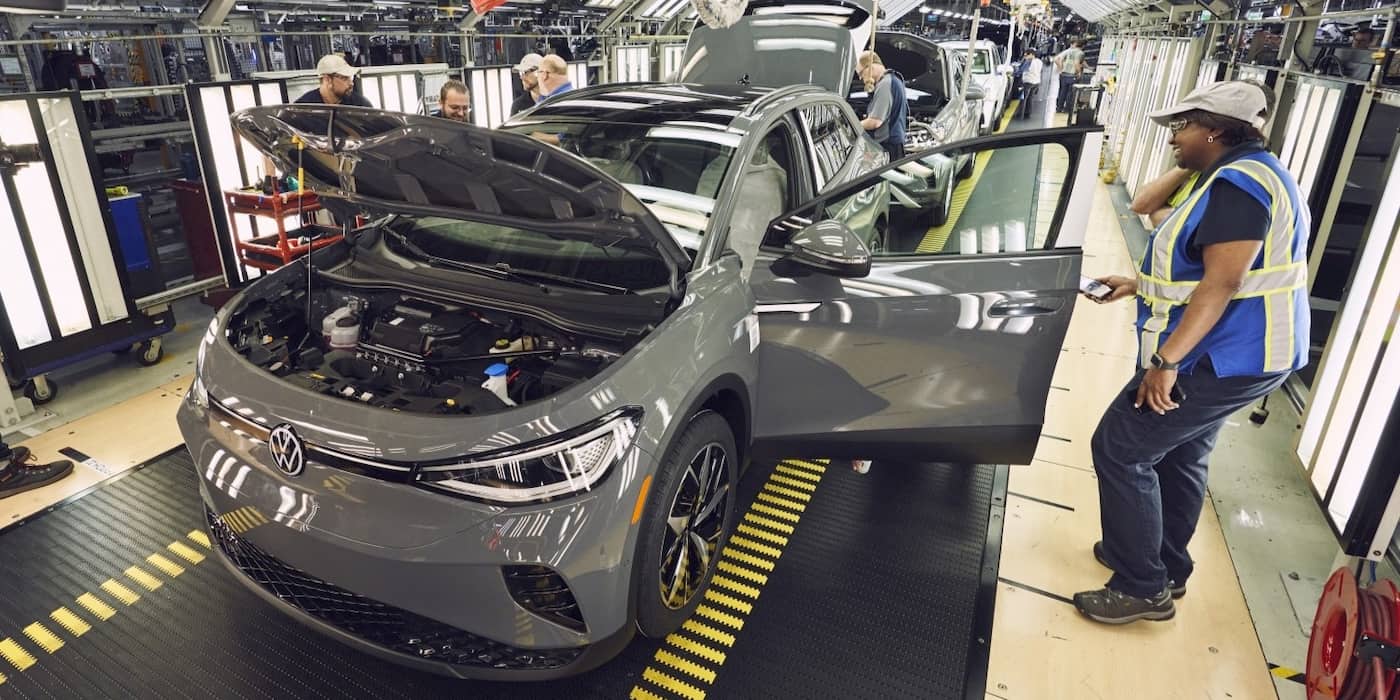
EV manufacturing remains the single largest clean energy manufacturing sector tracked by E2, boasting 166 active projects totaling more than $84.4 billion in announced investments. However, it has also absorbed the most severe structural damage.
Since 2022, E2 has documented 58 canceled, closed, or downsized EV manufacturing projects, accounting for roughly $25.5 billion in evaporated capital—nearly a quarter of all capital initially committed to the EV transition.
2. Battery Storage: High Growth, High Casualties
Battery energy storage manufacturing has witnessed the highest cancellation rate relative to its total footprint. While E2 tracks nearly $16.9 billion in active battery and storage manufacturing investments, more than $8.6 billion across 18 separate projects has already been shelved or downsized. This means that roughly one-third of all announced battery storage manufacturing capital has vanished into thin air.
3. Renewable Energy (Solar & Wind) Holds Firm
Solar and wind manufacturing have proven remarkably resilient compared to their automotive and storage counterparts. Accounting for roughly 116 active projects and $20.4 billion in total investments, the renewable equipment sector has seen only about $2 billion in project cancellations—representing less than 10% of total announced capital.

4. Grid and Transmission Equipment: The Stability Anchor
Grid infrastructure and transmission technology manufacturing have emerged as the most stable pillars of the clean energy economy. Since 2022, companies have announced more than $6.4 billion in active investments across 58 grid-related manufacturing projects. Out of this massive portfolio, only a single project cancellation totaling $150 million has been recorded. This stability aligns directly with Q1 2026 data, which revealed that nearly all new factory announcements were tied strictly to grid equipment, high-voltage transmission, or energy storage technologies.
Official Statements and Industry Analysis
The economic dissonance documented in E2’s report has prompted sharp rebukes from clean energy advocates, economists, and industry analysts who point out the profound disconnect between Washington’s policy decisions and the grim realities of physics and market demand.
Bob Keefe, executive director of E2, emphasized the dangerous game being played with America’s energy security:
"While developers are desperately trying to race past the finish line before arbitrary legislative roadblocks are thrown up, the broader clean energy manufacturing economy is experiencing a manufactured slowdown. We are staring down a historic surge in electricity demand from data centers and re-industrialization, yet federal lawmakers are actively undermining the cheapest, fastest tools we have to keep the lights on and bills affordable."
Energy economists have repeatedly noted the profound irony of the current political landscape: Republican-held congressional districts continue to capture the largest share of both clean energy investments and, conversely, project cancellations. Red-state industrial centers that once welcomed billions in battery gigafactories and EV supply chain hubs are now bearing the brunt of the policy-induced pullback.
Future Outlook: A Precarious Crossroads
As the U.S. clean energy sector looks past the July 4 regulatory deadline, the road ahead remains fraught with peril and opportunity in equal measure.

According to recent data from the U.S. Energy Information Administration (EIA), total installed renewable energy capacity is on track to surpass natural gas by 2027. The fundamental drivers of the clean energy transition—soaring electricity consumption, corporate decarbonization mandates, and the sheer cost-efficiency of wind, solar, and storage—remain overwhelmingly powerful.
However, the contraction in domestic manufacturing threatens to make the U.S. heavily reliant on foreign supply chains just as domestic grid modernization becomes most critical. If federal policymakers continue to dismantle tax incentives and penalize clean technology investments, the country risks facing a severe power deficit precisely when artificial intelligence and transportation electrification demand maximum grid reliability.
For now, developers are running as fast as they can, betting that the sheer momentum of market demand will outlast the political crosswinds. Whether that gamble pays off will determine the trajectory of American energy independence for decades to come.



