

Executive Overview
Humanity generates roughly 2.56 billion metric tonnes of municipal solid waste every single year—a figure projected by the World Bank’s What a Waste 3.0 report to balloon to nearly 4 billion tonnes annually by 2050. This staggering accumulation of discarded packaging, electronics, textiles, and organic matter represents one of the most visible yet systematically obscured impacts of contemporary urbanization. While traditional architecture has spent centuries focusing on the vertical—maximizing height, structural integrity, and aesthetic facade treatment—the planetary reality of our consumer society demands an urgent shift toward the subterranean and the peripheral. We must examine not only what cities build up, but what they bury under.
At its core, the modern landfill or transnational waste route is not merely an engineering feat; it is a profound geopolitical and spatial decision. Landfills, incinerators, and e-waste scrapyards are mapped directly onto landscapes deemed expendable, serving as material monuments to global inequality. From the marshlands of Staten Island to the informal recycling hubs of Accra, the geography of waste disposal reveals a stark reality: the ecological and social costs of hyper-consumption are systematically externalized away from wealthy nations and onto communities with limited political agency. Through the lenses of landscape architecture, urban planning, and critical sociology, this article investigates how the politics of waste shape our built environment, driving a global conversation on environmental justice, corporate accountability, and architectural intervention.
Detailed Chronology: From Temporary Dumps to Manufactured Topographies
The genealogy of the modern mega-landfill is tied to mid-20th-century urban expansion and centralized municipal planning. Understanding how waste transformed from localized refuse into monumental artificial topography requires tracking several key historical turning points:
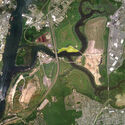
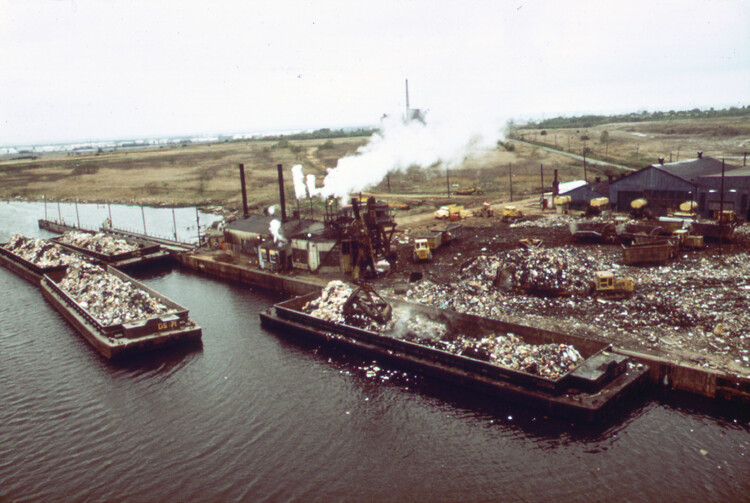
- 1948 – The Inception of Fresh Kills: Urban planner Robert Moses established the Fresh Kills Landfill on the western shore of Staten Island, New York. Chosen for its remote marshland character and exceptionally low land value, the site was initially pitched as a temporary solution for the city’s mounting refuse.
- 1955 – Planetary Scale: Within a mere seven years of operation, Fresh Kills expanded rapidly to become the largest landfill on Earth. At its peak in 1991, it ingested up to 29,000 tons of refuse per day.
- 1988 – The Koko Incident & The Basel Wake-Up Call: International outrage erupted following the revelation that Italian companies had illegally dumped 3,800 tons of hazardous chemical waste in Koko, Nigeria, paying a local farmer a paltry monthly fee for toxic storage. This crisis, paired with the infamous Khian Sea waste-ash carrier controversy, galvanized global resistance against transboundary dumping.
- 1989 – The Basel Convention: In direct response to these African and Caribbean dumping scandals, the international community adopted the Basel Convention to regulate and severely restrict the export of hazardous waste from wealthy nations to the developing world. (Notably, the United States never ratified the treaty).
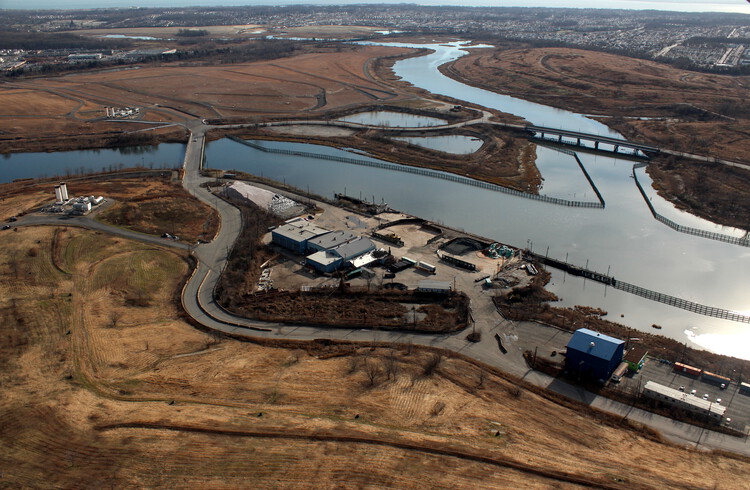
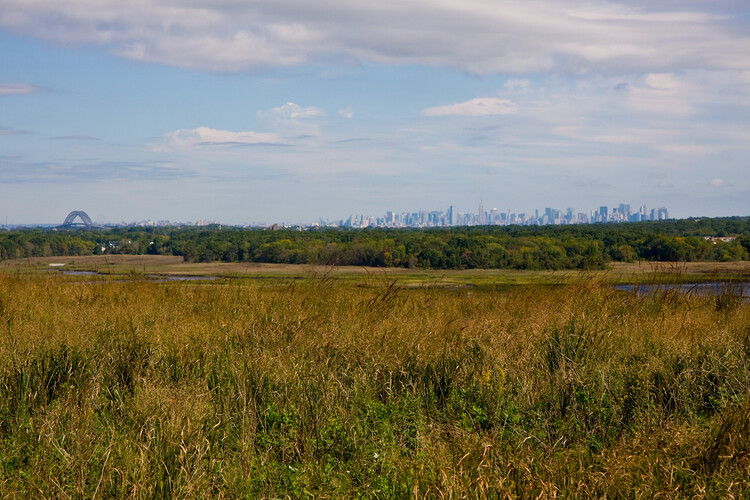
- 2001 – The Shift to Lifescape: After more than half a century of continuous operation—accumulating over 2,200 acres of refuse (three times the size of Central Park) across four artificial hills rising 60 meters high—Fresh Kills closed permanently. James Corner Field Operations won the international master plan competition, initiating a 30-year ecological reclamation project titled Lifescape.
- 2018 – China’s National Sword Policy: Beijing radically altered the global trade in refuse by implementing the National Sword policy, halting the import of foreign plastic waste. This single legislative act choked traditional supply lines, forcing a massive rerouting of global plastic debris toward Southeast Asian ports.
- 2021 – The Demolition of Agbogbloshie: The Greater Accra Regional Minister ordered the violent demolition of the Agbogbloshie scrapyard in Ghana under the banner of urban beautification and sanitary modernization ("Let’s Make Accra Work"), displacing thousands of informal workers.
- 2026 – The World Bank’s What a Waste 3.0 Projections: Updated international metrics reveal that global waste generation is surging toward a 50% increase by mid-century, intensifying the architectural and humanitarian crisis of planetary dumping.
Supporting Context & Metrics: The Anatomy of the Ground
A modern sanitary landfill is one of the few civil engineering projects where the material and the structure are identical. Unlike traditional structures built from quarried stone or manufactured steel, a landfill is built entirely from the discarded remnants of human consumption.

The structural engineering required to contain these mountainous deposits is complex. Modern sanitary landfills rely on an intricate bottom-up assembly:

- Liner Systems: A composite barrier composed of compacted clay and high-density polyethylene (HDPE) designed to prevent toxic leachate—the acidic liquid produced as water filters through decomposing trash—from seeping into regional aquifers.
- Leachate Collection Networks: Perforated piping systems that capture and redirect contaminated fluids to wastewater treatment facilities.
- Gas Extraction Arrays: Deep wells that capture methane gas (a potent greenhouse gas generated by organic decomposition) to be flared off or redirected into local energy grids.
- Capping Layers: Multi-layered geomembranes, geocomposite drainage nets, and protective vegetative soil covers designed to stabilize slopes and shed rainwater.
Despite these advanced containment strategies in wealthy nations, the global reality is vastly different. According to World Bank data, over 90% of municipal solid waste in low-income countries is disposed of via open dumpsites or openly incinerated. High-income nations, housing merely 16% of the global population, generate roughly 34% of the world’s refuse.
The Metrics of Waste Colonialism
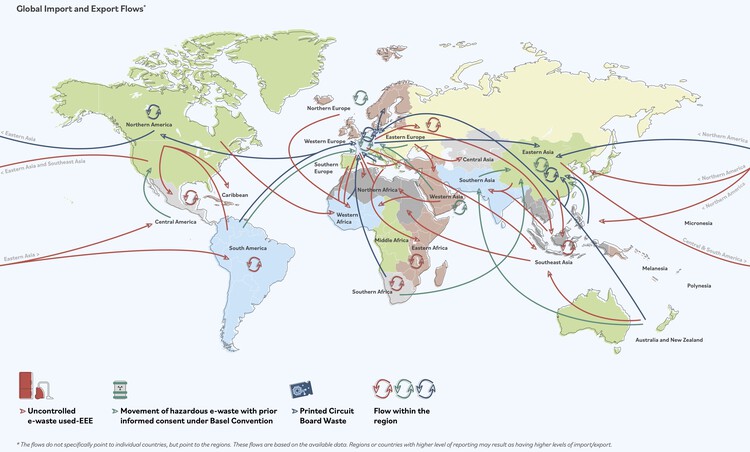
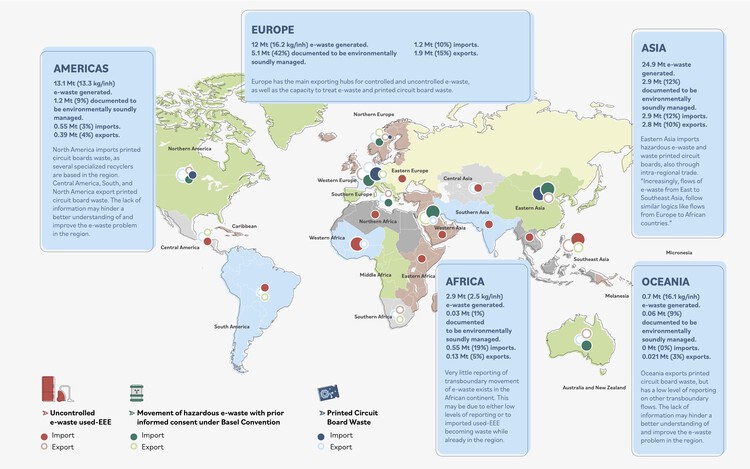
- Global Export Volumes: Approximately 5 million tonnes of plastic waste are exported across international borders annually, with 71% originating from just ten high-income countries (seven of which are European nations).
- The Hidden Plastic Flow: A 2023 Grist investigation revealed that official United Nations trade databases undercount plastic exports by an astounding 1.8 million metric tonnes annually due to hidden polymers embedded within textiles, contaminated paper bales, and miscategorized industrial shipments.
- Southeast Asian Redistribution: Following China’s import ban, nations such as Malaysia (receiving up to 1.4 billion kg annually between 2021–2023), Vietnam, Indonesia, and Turkey absorbed millions of metric tonnes of redirected Western plastic.
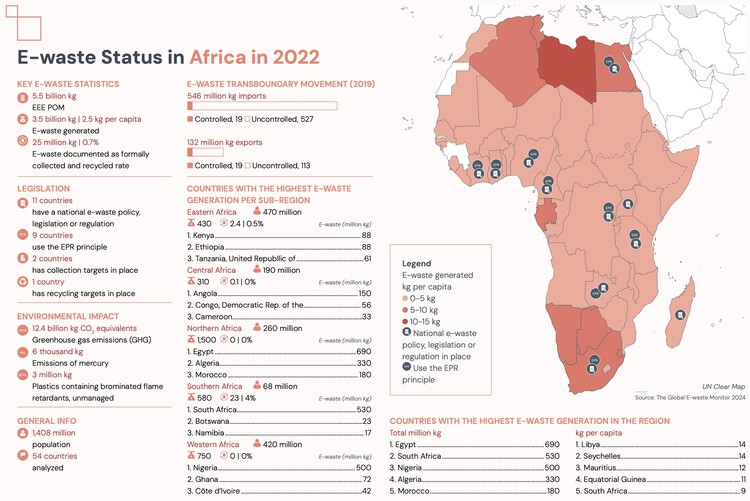
- E-Waste Realities: Ghana processes approximately 150,000 tonnes of imported electronic waste annually, supplemented by a domestic e-waste stream of roughly 215,000 tonnes. While media narratives often portray sites like Agbogbloshie as passive, dystopian disaster zones, localized sociological research by scholars like Alice Mah and Grace Akese emphasizes that the scrapyard functions as a sophisticated informal economic ecosystem providing livelihoods for up to 8,000 migrant workers.
Official Statements and Sociological Perspectives
The spatial politics of waste have long engaged critical theorists, sociologists, and environmental justice pioneers.
In his landmark 1990 book Dumping in Dixie, sociologist Robert Bullard established the foundational framework for the environmental justice movement. Bullard documented how hazardous waste facilities, industrial plants, and landfills were systematically placed within African American neighborhoods across the American South. He argued that this distribution was driven not by random chance, but by systemic regulatory patterns treating marginalized communities as more "absorptive" of environmental burdens.
Expanding on this dynamic at an international scale, researchers studying the modern voluntary carbon market and transboundary trade point to "waste colonialism." When corporations in the Global North purchase vast tracts of land in sub-Saharan Africa (such as in Kenya, Tanzania, and Uganda) to generate carbon offsets while maintaining domestic emissions, they often displace indigenous communities. Studies indicate that these vast land-grab offset projects generate a meager 0.08 jobs per 100 hectares, severing traditional land rights while offering theoretical ecological absolution to wealthy consumers thousands of miles away.
Urban geographer Neil Smith famously coined the term "revanchist city" to describe aggressive municipal sanitization campaigns—such as the 2021 destruction of the Agbogbloshie scrapyard in Accra. Under the guise of modernization and ecological renewal ("Let’s Make Accra Work"), governments frequently weaponize urban hygiene discourse to forcibly reclaim valuable land from informal working classes, mirroring 19th-century colonial governance.
Future Outlook: Architecture’s Role in the Age of Refuse
As global waste production marches toward the 4-billion-tonne threshold by 2050, the architectural profession faces a profound reckoning. The traditional approach—hiding the infrastructure of consumption at the distant periphery—is no longer spatially or ethically viable.
Pioneering design interventions around the globe are beginning to challenge this spatial segregation:
- Munich’s Olympiapark: Built deliberately upon the physical rubble and debris of World War II destruction, transforming historic devastation into an undulating public landscape.
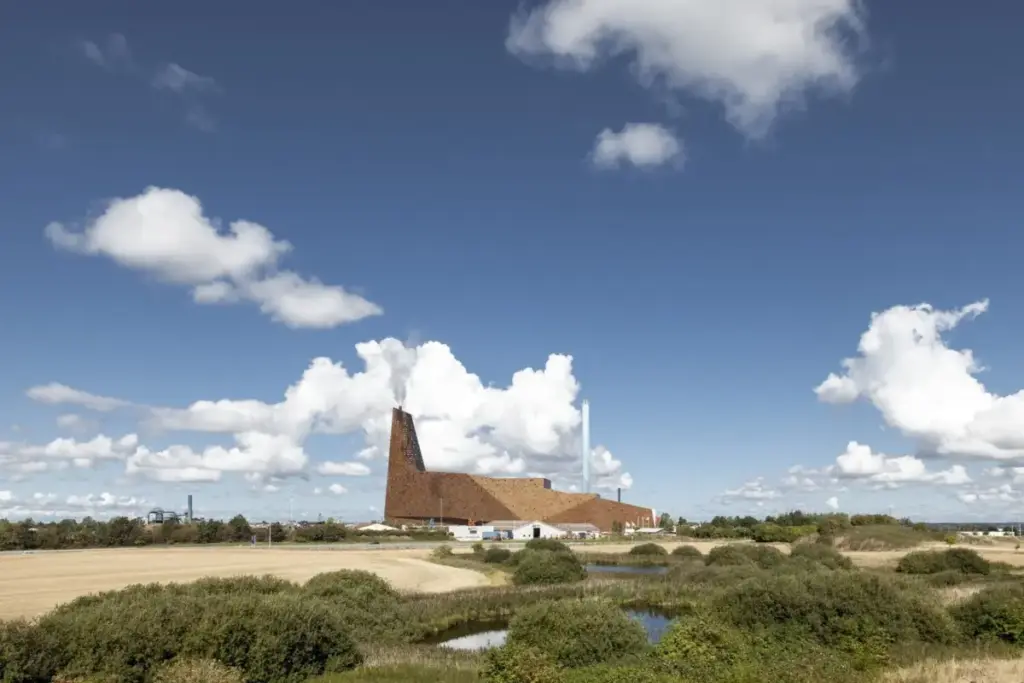
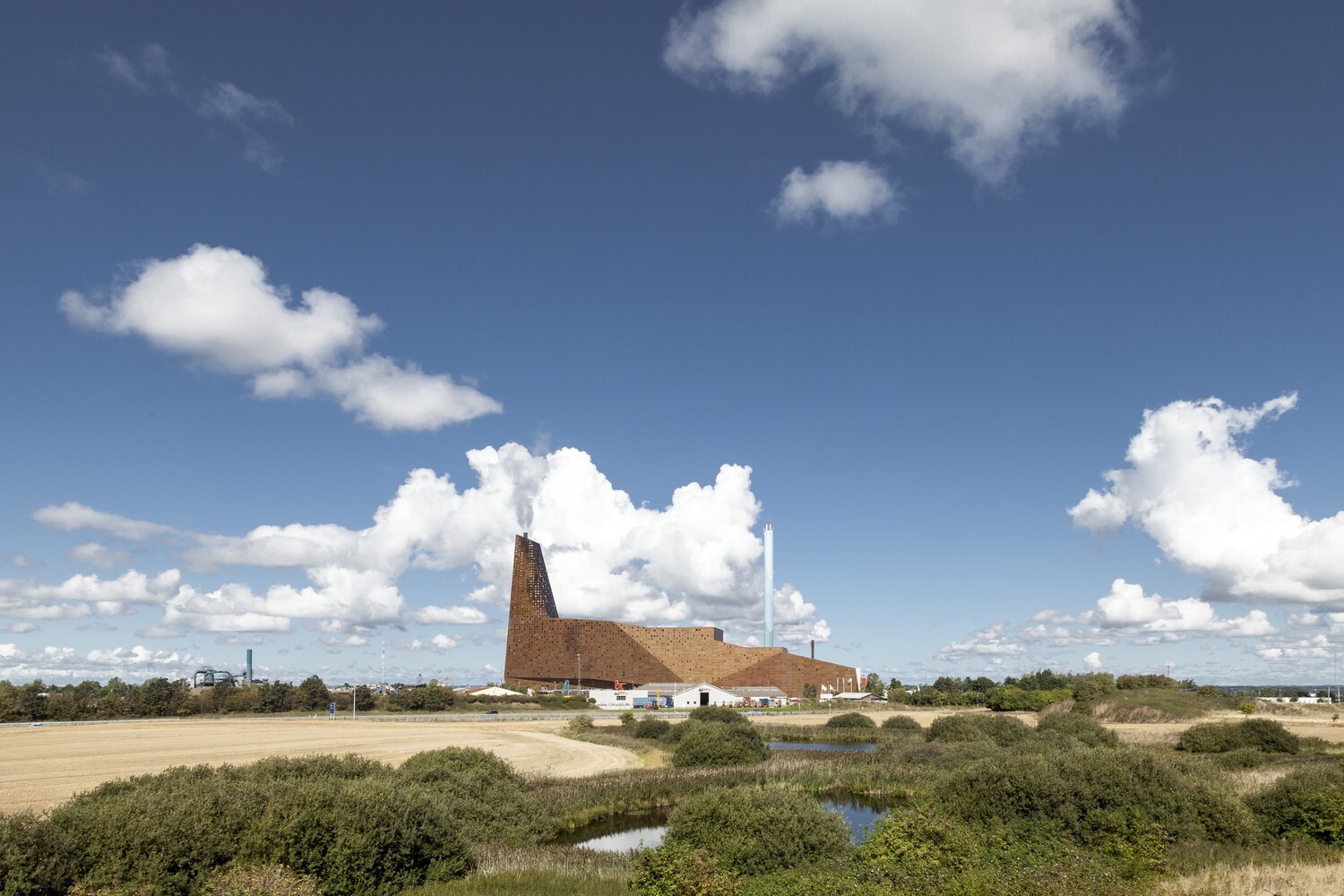
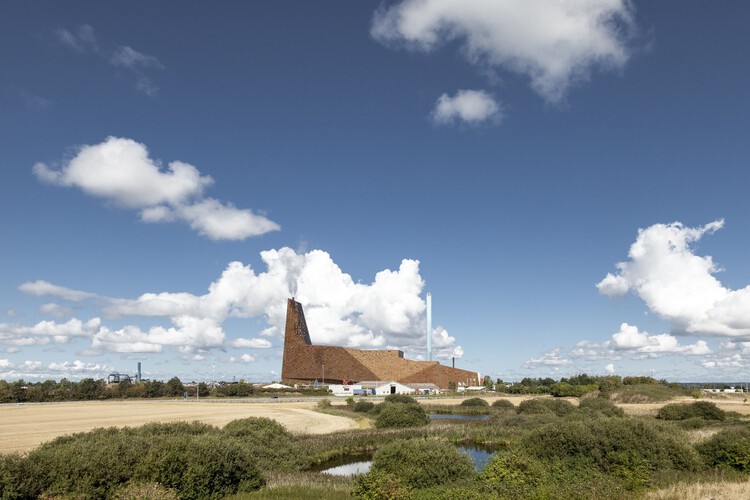
- Copenhagen’s CopenHill (BIG): A cutting-edge waste-to-energy plant topped by an artificial ski slope and recreational park, demonstrating that utility infrastructure can be integrated directly into the urban core rather than banished to the margins.
- Fresh Kills Park (James Corner Field Operations): A 30-year masterclass in landscape architecture, slowly converting New York’s monumental repository of refuse into a thriving coastal wetland buffer and public parkland.
These projects point toward an evolving ethos where architecture acts not just as a creator of pristine form, but as a manager of historical memory and ecological consequence. As the physical footprint of human consumption expands, the future of the built environment will depend on our willingness to confront the ground beneath us—balancing technical innovation with uncompromising commitments to environmental justice.



