

Executive Overview
As the radiant warmth of high summer steadily yields to the crisp, amber-hued mornings of October, the rhythms of the domestic garden undergo a profound transformation. For the dedicated horticulturist, this month is not a prelude to dormancy, but rather a pivotal period of intense activity, strategic transition, and essential preparation. October demands a delicate balance of decisive action: safeguarding tender crops from the impending bite of early frosts, harvesting the final bounties of the vegetable patch, and laying down the vital foundations for the following spring’s resurgence.
Drawing from the authoritative horticultural guidance of BBC Gardeners’ World Magazine, this comprehensive report explores the definitive October checklist across all key sectors of the domestic landscape—encompassing floral borders, fruit and vegetable plots, indoor plant sanctuaries, greenhouse operations, and essential property maintenance. By acting decisively during this crucial seasonal window, gardeners can protect their investments, enhance soil vitality, and secure an abundant, vibrant landscape for the year ahead.

Detailed Chronology: The Essential October Gardening Checklist
Navigating the myriad tasks required in the autumn garden demands a structured, chronological approach. As daylight hours wane and soil temperatures gradually cool, different areas of the garden require specialized attention to prevent disease, optimize growth, and ensure structural resilience against harsh winter weather.
1. Flowers and Propagation: Hardwood Cuttings
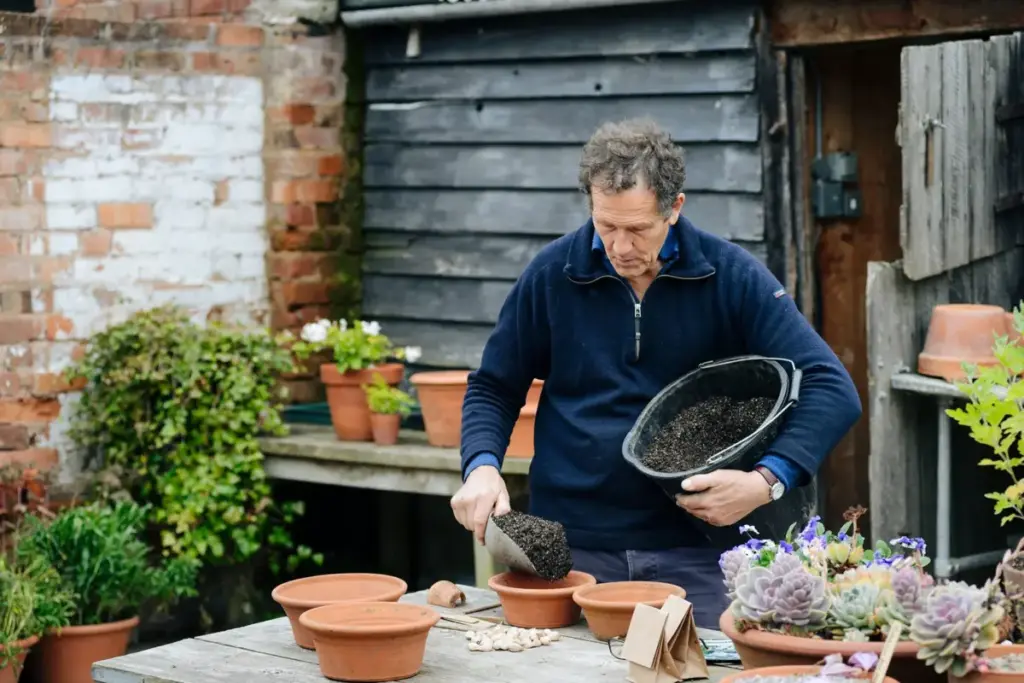
While annuals complete their life cycles and perennials begin to die back to ground level, October offers a prime window for propagating woody plants. Hardwood cuttings represent one of the most reliable, cost-effective, and satisfying methods for multiplying deciduous shrubs, roses, and climbing plants.

- Selecting Material: Gardeners should look for healthy, straight, disease-free stems grown during the current spring and summer. These shoots should now be firm, woody, and fully mature.
- Preparation Technique: Cuttings are typically taken between 20cm and 30cm in length. The soft, unripened tip is removed, and a straight cut is made just below a leaf node at the base, with a sloping cut at the top to shed rainwater.
- Rooting Environments: Unlike delicate softwood cuttings that require mist units or heated propagators, hardwood cuttings are remarkably resilient. They can be inserted directly into a trench of well-drained garden soil outdoors or planted deeply in pots filled with a gritty, free-draining compost mix, where they will quietly develop a robust root system over the winter months without artificial heat.
2. Fruit and Vegetable Protection: Ripening Pumpkins and Squashes
The vegetable patch in October is dominated by the culmination of the squash harvest. Pumpkins and winter squashes have reached their maximum size, but their journey to culinary perfection relies heavily on proper ripening and curing techniques.
- Elevating the Harvest: As autumn dampness rises from the soil, contact with wet earth can cause the skin of developing pumpkins and squashes to rot before they fully mature. Gardeners are advised to gently lift these heavy fruits off the soil surface, placing them on inverted plant pots, wooden boards, or thick layers of straw.
- Maximizing Sunlight: Ensuring the fruit receives maximum exposure to remaining autumn sunlight allows the skins to harden into a protective shell—a vital process known as curing, which dramatically improves storage longevity over the winter months.
3. Indoor Plant Sanctuaries: House Plant Rescue and Revitalization
As central heating systems are switched back on across households, indoor environments undergo a sharp drop in humidity and a shift in ambient temperature. This environmental stress often exposes vulnerabilities in houseplants that have spent the summer months thriving in ambient indoor conditions.

- Addressing Declining Health: October is an ideal time to assess the condition of indoor greenery. Common issues such as root compaction, pest infestations (including fungus gnats and spider mites), and nutrient depletion must be addressed before the low-light winter dormancy period sets in.
- Expert Insights: Horticultural specialists, such as prominent houseplant author Sarah Gerrard-Jones, emphasize that proactive intervention—ranging from strategic pruning and repotting to adjusting watering frequencies and improving humidity—can rescue even severely stressed specimens from terminal decline.
4. Greenhouse Management: Water Butt Maintenance and Sanitation
The greenhouse and its associated water harvesting systems require rigorous hygiene management during October to prevent the accumulation of pathogens and ensure a reliable supply of irrigation water.
- Water Butt Sanitation: Rainwater harvesting is an essential sustainable practice, but stagnant water butts can quickly become breeding grounds for algae, mosquito larvae, and anaerobic bacteria that produce foul odors. Gardeners must thoroughly clean and flush out water butts before continuous autumn and winter downpours fill them to capacity. Clearing out accumulated debris ensures that inlet filters and taps remain free from blockages.
- Greenhouse Hygiene: Staging, glass panels, and pots should be thoroughly scrubbed with a horticultural disinfectant to eradicate overwintering pests, fungal spores (such as powdery mildew and botrytis), and bacterial diseases that could devastate next year’s tender seedlings.
5. Garden Maintenance: The Art of Leaf Mould Production
With deciduous trees shedding their foliage, the landscape is blanketed in fallen leaves. Rather than viewing this organic material as garden waste, experienced horticulturists recognize it as a priceless soil conditioner.

- Processing Fallen Leaves: Unlike woody garden compost, which requires heat and a balanced mix of nitrogen-rich greens and carbon-rich browns to break down, fallen leaves decompose primarily through fungal action.
- The Bag and Box Method: To produce nutrient-rich leaf mould, gardeners can gather damp leaves and pack them loosely into perforated bin bags, wire mesh enclosures, or wooden crates. Over a period of 12 to 24 months, these leaves break down into a crumbly, dark, highly friable soil amendment that rivals peat in its ability to retain moisture and improve soil structure.
Supporting Context & Metrics: The Science of Autumn Horticulture
Understanding the biological imperatives driving autumn garden care provides essential context for why specific interventions must occur precisely in October.
Soil Temperature and Root Growth
While ambient air temperatures drop rapidly during October, soil temperatures retain residual warmth accumulated throughout the summer months. This thermal retention creates an optimal physiological window: root systems continue to grow vigorously long after top growth has ceased. Consequently, planting spring bulbs, establishing bare-root trees and shrubs, and taking hardwood cuttings in October yield significantly higher success rates than spring planting, as plants establish extensive root systems before facing the heat stress of the subsequent summer.

The Carbon-to-Nitrogen Balance in Composting
The influx of autumn leaves introduces a high carbon-to-nitrogen (C:N) ratio into the garden ecosystem. While standard compost heaps can become overwhelmed by excessive carbon if loaded solely with dry leaves, separating them into dedicated leaf mould containers harnesses basidiomycetes fungi. These specialized organisms efficiently break down tough plant cell walls—specifically lignin and cellulose—without requiring high nitrogen inputs, transforming bulky waste into fine, moisture-retentive organic matter.
Official Horticultural Insights and Expert Recommendations
Leading botanical institutions and horticultural media outlets consistently emphasize that October represents the critical turning point of the gardening calendar.

"October is the month where foresight replaces instant gratification in the garden. The actions you take now—whether it is protecting ripening squashes from damp rot, preparing the soil for spring bulbs, or scrubbing greenhouse infrastructure—are direct investments in the resilience and aesthetic splendor of next year’s landscape."
— Horticultural Editorial Team, BBC Gardeners’ World Magazine
Furthermore, expert voices in specialized plant care, such as houseplant specialist Sarah Gerrard-Jones, note that indoor horticulture requires an immediate behavioral shift as the seasons turn. Reducing fertilizer applications, monitoring for reduced natural light levels, and carefully managing watering routines are paramount to helping indoor tropical plants successfully navigate the physiological stress of shorter days and artificial heating.

Future Outlook: Preparing for Winter Resilience and Spring Abundance
As October draws to a close, the successful completion of these foundational tasks ensures that the domestic garden is well-fortified against the rigors of winter.
Looking forward, the meticulous curation of soil via leaf mould application, the successful rooting of hardwood cuttings, and the careful selection of autumn-planted bulbs (such as the woodland garden duos featuring snowdrops and bluebells, or premium onion, shallot, and garlic varieties) set the stage for an explosive revival come spring. By aligning garden management practices with natural seasonal rhythms, horticulturists not only secure a bountiful harvest of fruits and vegetables but also cultivate a robust, self-sustaining ecosystem capable of withstanding environmental pressures for years to come.



