

Executive Overview
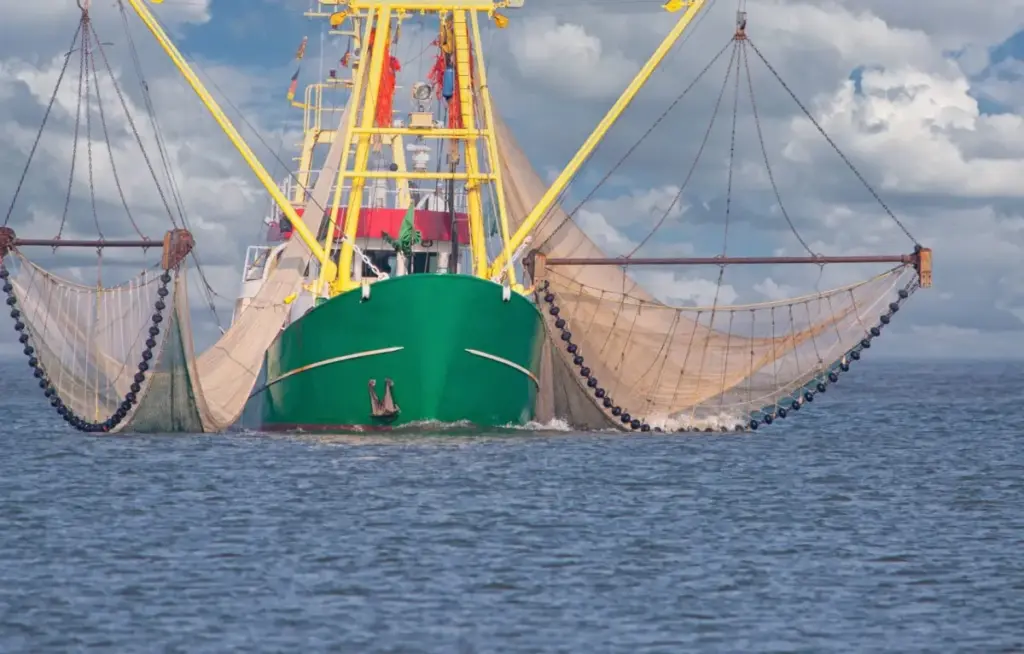
As European Union member states prepare to finalize their allocations for the upcoming multi-annual financial framework, a fierce battle is quietly taking shape behind closed doors—one that will dictate the ecological health of European waters for generations. At the heart of this conflict is how billions of euros in public funds will be funneled into ocean management, marine conservation, and commercial fisheries.
According to conservation groups, including the Blue Marine Foundation, current and projected funding models are fundamentally flawed. They disproportionately benefit large-scale industrial fishing operations while starving the marine environment of the resources it desperately needs to recover from decades of overexploitation. With only 28% of Europe’s assessed fish stocks currently categorized as healthy, critics argue that channeling public funds into the construction and modernization of industrial fishing fleets is not just ecologically reckless—it is economic and social self-harm.
The impending decisions surrounding the National and Regional Partnership Plans (NRPPs)—the strategic blueprints governing how individual nations will deploy EU funding—represent a critical crossroads. Environmental advocates are sounding the alarm, urging citizens, policymakers, and industry stakeholders to intercept these policies before they are locked into law. This report provides an exhaustive investigative look into the economics of EU fishing subsidies, the glaring disparities between industrial and artisanal fleets, the alarming deficit in marine protection funding, and the actionable pathways available to reshape Europe’s maritime future.
Detailed Chronology: The Evolution of EU Fishery Funding and the Current Crisis
To understand the gravity of the decisions currently facing EU member states, it is necessary to examine how fisheries financing has evolved within the European project, and how the current crisis reached its tipping point.
The Historical Context of Common Fisheries Policy (CFP) Financing
For decades, the Common Fisheries Policy (CFP) of the European Union has attempted to balance the economic viability of the European fishing sector with the biological imperative of sustainable fish stocks. However, financial instruments such as the former European Maritime and Fisheries Fund (EMFF) and its successors have historically struggled with perverse incentives.
Rather than functioning purely as conservation tools, early iterations of EU maritime funding were frequently criticized for subsidizing overcapacity. By artificially maintaining the profitability of vessels through fuel tax exemptions, vessel construction grants, and engine modernizations, EU subsidies allowed fleets to continue fishing even when specific stocks were collapsing.
The Shift Toward National and Regional Partnership Plans (NRPPs)
In the lead-up to the current budget cycle, the mechanism for distributing maritime funds shifted toward localized and national planning structures. Member states were given greater autonomy in drafting their National and Regional Partnership Plans (NRPPs). While intended to streamline bureaucratic processes and address regional nuances, this decentralization opened the door for heavy lobbying by powerful industrial fishing associations.
Over the past several years, national ministries—particularly those aligned with agriculture, fisheries, and economic development—began drafting spending frameworks that leaned heavily into economic output metrics. Environmental impact assessments were often sidelined in favor of metrics measuring vessel modernization, export capacity, and employment numbers within industrial harbors.
The Current Decision-Making Window
As of late 2026, member states are in the final stages of ratifying or revising their NRPPs for the upcoming budgetary period. This window represents the final opportunity for civil society, environmental watchdogs, and progressive lawmakers to challenge the status quo.
The timeline has accelerated sharply. Ministries of finance, environment, and fisheries are currently reviewing public feedback and stakeholder submissions. Once these frameworks are formally submitted to Brussels and enacted, the financial architecture for Europe’s seas will be sealed for the foreseeable future. The Blue Marine Foundation and allied organizations have launched coordinated campaigns to disrupt this timeline, demanding transparency and urgent course corrections before the ink dries on the national drafts.
Supporting Context & Metrics: The Anatomy of an Imbalance
A rigorous examination of the data surrounding EU ocean funding reveals a stark imbalance between resource allocation and environmental need. The financial architecture of European maritime spending favors high-impact industrial operations while systematically marginalizing both small-scale fishers and marine ecosystems.
The Industrial vs. Artisanal Divide
The disparity within the European fishing fleet is profound. Small-scale, artisanal fishing vessels—defined generally by their use of passive gear, smaller vessel lengths, and coastal operating ranges—make up 76% of the entire active EU fishing fleet. These operators are historically tied to coastal communities, employ traditional fishing methods with lower carbon footprints, and exhibit a vested interest in the long-term sustainability of their local waters.
Despite representing more than three-quarters of the fleet, artisanal fishers receive a mere 20% of the total EU ocean budget. The remaining 80% is funneled overwhelmingly toward large-scale industrial operators. These capital-intensive fleets utilize advanced sonar, massive trawl nets, and high-capacity freezing capabilities, allowing them to sweep vast expanses of the seabed with little regard for localized ecological carrying capacities.
+-------------------------------------------------------------+
|              EU Fishing Fleet Breakdown                     |
|                                                             |
|  [ Artisanal / Small-Scale ]          [ Industrial Fleet ]  |
|         76% of Fleet                      24% of Fleet      |
|         20% of Budget                     80% of Budget     |
+-------------------------------------------------------------+
The Marine Protection Deficit
Perhaps the most alarming metric in the current funding equation is the meager allocation dedicated to environmental restoration. For every billion euros of subsidies granted from the broader ocean budget, the European Union allocates only 7% toward the actual protection and restoration of the marine environment.
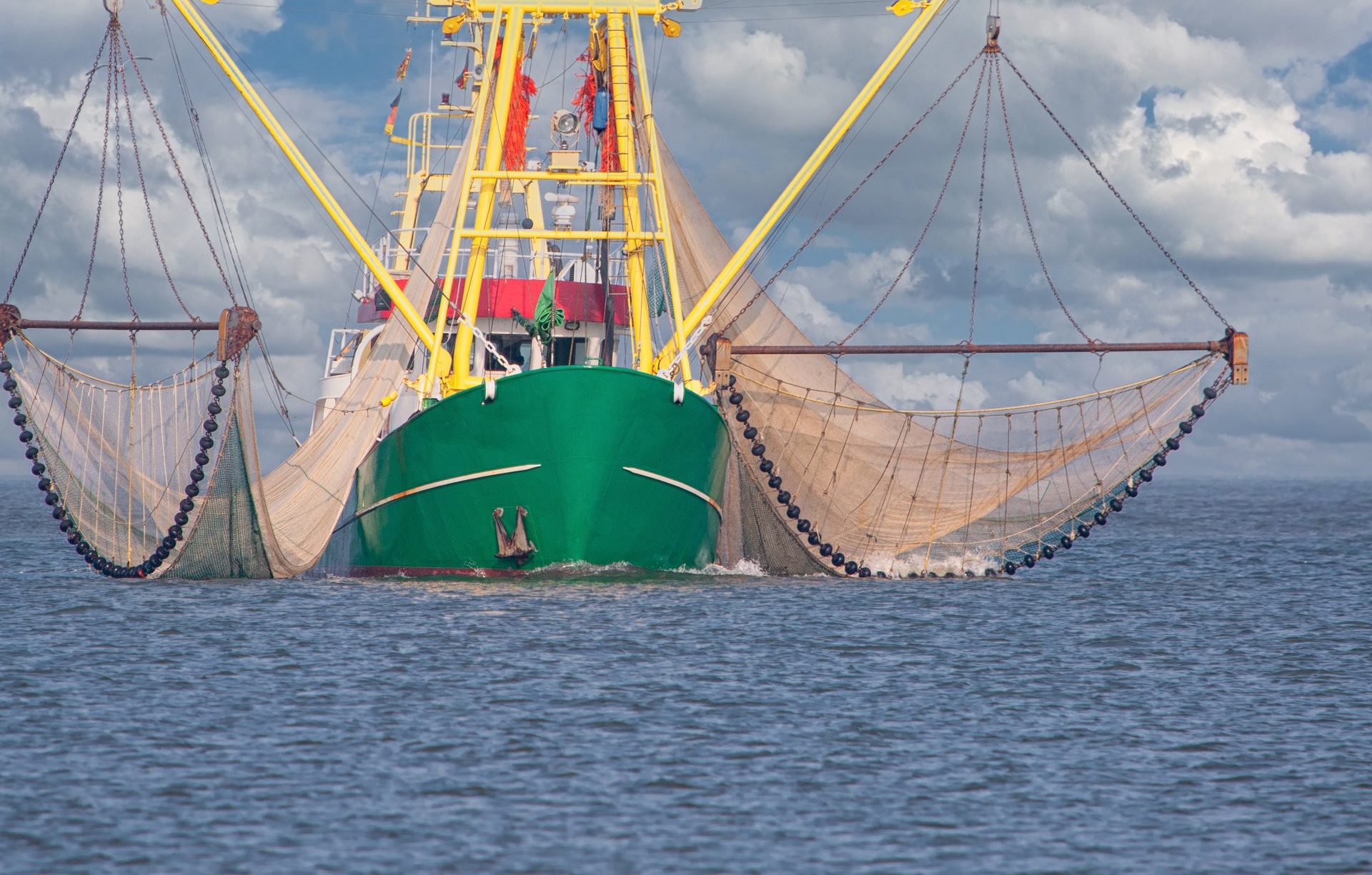
This includes funding for Marine Protected Areas (MPAs), habitat restoration projects (such as seagrass meadow and oyster reef revivals), and scientific monitoring of fish populations. Critics argue that spending 93% of ocean funds on extraction and industry support while dedicating a single-digit percentage to healing the ecosystem is a mathematical recipe for ecological collapse.
The State of European Fish Stocks
The consequences of this misallocation are written clearly in marine science reports. Currently, only 28% of Europe’s assessed fish stocks are classified as healthy. The remaining 72% suffer from overfishing, recruitment failure, or historical depletion.
By continuing to pump subsidies into the construction of new industrial fishing vessels and the modernization of existing ones, member states are directly exacerbating fishing pressure on these fragile populations. Modernized engines and larger hulls allow industrial vessels to fish deeper, further offshore, and for longer durations, accelerating the depletion cycle faster than natural replenishment can occur.
Official Statements and Stakeholder Perspectives
The debate over EU fishing subsidies has polarized stakeholders across the continent, pitting industrial fishing lobbies against environmental scientists, small-scale fisher cooperatives, and conservation NGOs.
The Environmental Defense Perspective
Campaigners from the Blue Marine Foundation and partner organizations have been unequivocal in their condemnation of current policy trajectories. In recent briefings, marine conservationists emphasized that public money should never be used to subsidize the destruction of public goods.
"We are standing at a historic precipice," notes a senior marine policy advisor. "For decades, European taxpayers have unknowingly funded the systematic depletion of their own seas. To use the next budget cycle to build more industrial fishing vessels is not just an environmental catastrophe—it is economic illiteracy. You cannot subsidize the catching of the last fish and expect a sustainable maritime economy to survive."
Environmental advocates stress that redirecting funds toward artisanal fleets would yield multiple dividends: lower carbon emissions, higher local employment retention, reduced seabed destruction, and fairer distribution of wealth among coastal communities.
The Industrial Fisheries Counter-Argument
Conversely, representatives of large-scale commercial fishing associations argue that modernization subsidies are vital to maintaining food security, technological competitiveness, and safety at sea. Industry groups contend that modern vessels are cleaner, more fuel-efficient, and equipped with better safety gear for crews than aging hulls built decades ago.
Furthermore, industrial lobbies maintain that strict catch limits (Total Allowable Catches – TACs) and quotas managed by the EU already provide sufficient ecological safeguards. From their perspective, restricting subsidies would disproportionately harm European competitiveness against foreign fleets operating under laxer international standards.
The Small-Scale Fisher Voice
Representing the forgotten majority, artisanal fisher cooperatives across the Mediterranean, Atlantic, and Baltic basins have voiced growing frustration. Many argue that complex bureaucratic hurdles prevent small-scale operators from accessing even the meager 20% of funds notionally allocated to them, while industrial players possess dedicated legal and administrative teams designed to maximize grant capture.
Future Outlook: How Citizens Can Change the Course
While the current draft plans for the National and Regional Partnership Plans (NRPPs) lean heavily toward industrial support, the outcome is not yet set in stone. Because member states are currently drafting and refining these documents, public intervention can still force a policy pivot.
Actionable Steps for Reform
Environmental coalitions have outlined several core demands that must be integrated into every national NRPP to secure a sustainable maritime future:
- End Subsidies for Industrial Expansion: Prohibit the allocation of any public funds toward the construction of new industrial fishing vessels or capacity-increasing modernizations.
- Rebalance Financial Allocations: Shift the majority of ocean funding toward low-impact, small-scale artisanal fisheries that support coastal communities and practice sustainable methods.
- Scale Up Marine Conservation: Increase the budget allocation for ocean protection and habitat restoration from a paltry 7% to at least 40% of the total ocean budget.
- Mandate Transparency: Require strict environmental impact reporting and public accountability for all entities receiving public maritime subsidies.
How You Can Make Your Voice Heard
Policy shifts of this magnitude do not happen in a vacuum; they require sustained pressure from informed citizens. The Blue Marine Foundation and aligned NGOs are urging the public to take direct action:
- Engage Directly with Ministries: Write to your national fisheries, environment, and finance ministers. Demand to know how their respective NRPPs address the protection of marine ecosystems and the fair treatment of small-scale fishers.
- Spread Awareness: Share educational resources, investigative reports, and campaign videos highlighting the absurdity of subsidizing overfishing. Public visibility forces political accountability.
- Support Sustainable Seafood: Vote with your wallet by choosing locally sourced, sustainably caught, artisanal seafood over mass-market industrial products.
The decisions made in the coming weeks will echo across Europe’s coastline for decades. Whether our seas become industrial dead zones or thriving, biodiverse ecosystems depends entirely on whether citizens and policymakers have the courage to demand a new direction.



