

Executive Overview
Marking a monumental milestone in natural history broadcasting, the BBC Natural History Unit in Bristol has officially announced the upcoming autumn premiere of Blue Planet III. Nearly a quarter of a century has passed since the original, ground-breaking series first captivated global audiences, changing forever how humanity views the aquatic realms of our blue planet. Now, following an intensive four-year production schedule, this six-part cinematic journey is set to push the boundaries of underwater filmmaking further than ever before.
At the helm of narration once again is the peerless Sir David Attenborough. Having celebrated his centenary earlier this year, Sir David’s continued involvement lends an unparalleled gravity and emotional resonance to the project. Utilizing state-of-the-art technological innovations—including advanced remote underwater cameras, high-altitude drones, and specialized manned submersibles—the production team has successfully ventured into the most remote and lightless trenches of the global ocean.
The result is a visual and auditory masterpiece. Beyond Attenborough’s iconic voice, the series boasts an original score composed by legendary musician Hans Zimmer alongside Bleeding Fingers Music, complemented by a special theme song co-written by pop icon Jade Thirlwall. During a breathtaking global launch event in London’s Piccadilly Circus on Tuesday, teaser footage illuminated the cityscape, signaling to the world that Blue Planet III is not merely a television show, but a cultural event designed to inspire awe, foster empathy, and drive urgent conversation around ocean conservation.
Detailed Chronology: 25 Years of Aquatic Exploration
The journey of the Blue Planet franchise is a testament to the evolution of broadcast technology and humanity’s shifting understanding of the marine world.
The Genesis: Blue Planet (2001)
When the first installment premiered 25 years ago, it represented a monumental leap forward in natural history television. For the first time, audiences were granted intimate, high-definition glimpses into the open ocean, the deep sea, and coastal ecosystems that had previously been the exclusive domain of deep-sea researchers and naval mariners. It established a gold standard for wildlife documentaries, proving that the marine environment was just as rich, dynamic, and fragile as any terrestrial habitat.
The Evolution: Blue Planet II (2017)
Sixteen years later, Blue Planet II raised the bar exponentially. Utilizing suction-cam tags, low-light cameras, and ultra-high-definition 4K lenses, the series captured behaviors never before witnessed by science—such as tool-use among fish and complex cooperative hunting strategies among killer whales. More importantly, Blue Planet II sparked a global cultural reckoning regarding plastic pollution. The poignant imagery of marine life entangled in debris ignited public outcry and prompted sweeping legislative and corporate changes across the globe, proving that natural history television could act as a catalyst for systemic environmental protection.

The Zenith: Blue Planet III (Upcoming Autumn Premiere)
The announcement of Blue Planet III caps off nearly four years of arduous, highly technical fieldwork coordinated by the BBC Natural History Unit in Bristol. Production crews faced extreme conditions, navigating tempestuous surface waters and crushing subterranean pressures to document life in habitats previously deemed inaccessible.
At the recent London launch event, Sir David reflected on this extraordinary continuum: "When I narrated the first Blue Planet series, it didn’t occur to me that I would be narrating a third series in my centennial year." His presence anchors the series in a legacy of trust and authoritative storytelling, bridging generations of viewers who have grown up listening to his distinctive cadence while learning to cherish the natural world.
Supporting Context & Metrics: Behind the Scenes of Blue Planet III
Producing a natural history series of this magnitude requires a staggering convergence of scientific expertise, engineering ingenuity, and artistic vision.
Technological Breakthroughs
To capture life in the darkest depths of the ocean—regions devoid of sunlight and subject to immense hydrostatic pressure—the production team relied on cutting-edge gear. Traditional underwater housing units are often too cumbersome or fragile for deep-sea exploration. For Blue Planet III, engineers deployed customized remote-operated vehicles (ROVs) equipped with ultra-sensitive low-light sensors capable of recording bioluminescent displays in pitch-black waters.
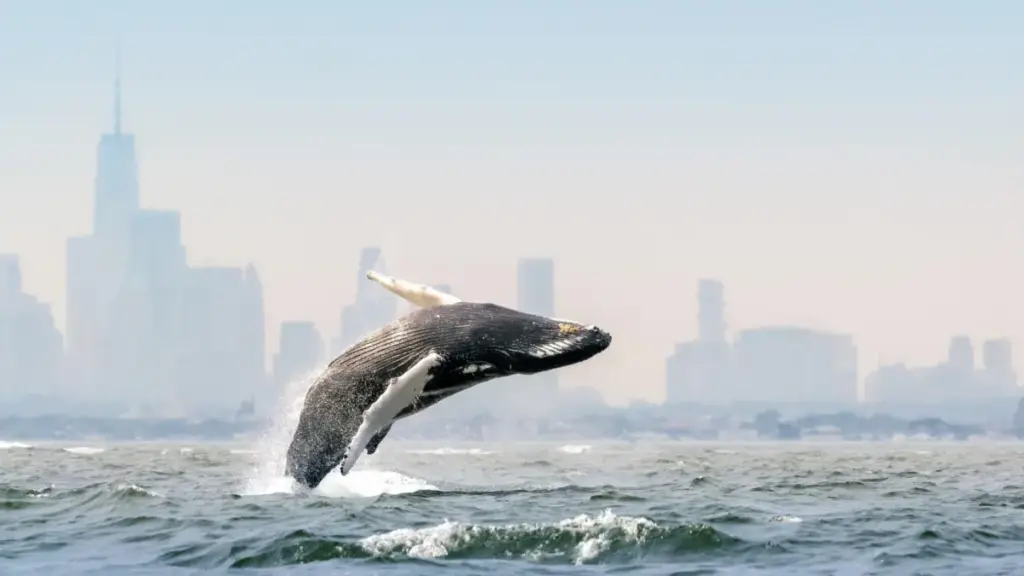
Furthermore, high-altitude marine drones allowed filmmakers to capture sweeping, uninterrupted aerial footage of coastal migrations, tracking animals like humpback whales and dolphins over vast distances without disturbing their natural behaviors. Manned submersibles carried marine biologists and camera operators thousands of meters beneath the surface, revealing fragile benthic communities, hydrothermal vent ecosystems, and newly discovered animal species whose very existence defies conventional biological expectations.
A Symphony for the Seas: Hans Zimmer and Jade Thirlwall
Music plays a fundamental role in translating the emotional weight of the ocean to the screen. Legendary composer Hans Zimmer, who previously lent his talents to Blue Planet II, returns alongside Bleeding Fingers Music to craft the sonic landscape of the new series. Zimmer has described Blue Planet III as the "most important work" of his illustrious career.

"I think everybody who comes to Blue Planet comes to it with the knowledge that it is something that changes the world by making you fall in love," Zimmer noted. "It’s not something where you’re being lectured or cajoled about things, but it’s something that just shows you how spectacular and beautiful our world truly is."
Adding a modern, pop-culture dimension to the project, the series also features an original song titled Into The Deep (Seas Cry), co-written by Jade Thirlwall, best known as a member of the global pop phenomenon Little Mix. Thirlwall, a self-described lifelong fan of Attenborough and the franchise, expressed deep gratitude for her involvement, calling the legendary broadcaster "a true hero" and describing her contribution as an incredible privilege.
Official Statements and Industry Impact
The unveiling of Blue Planet III has sent ripples through the entertainment and environmental sectors alike. Industry leaders and creative collaborators have emphasized the unique urgency and emotional resonance driving this third installment.
Sir David Attenborough’s extended trailer commentary set a profound philosophical tone for the series:
"We will venture even further than ever before. We will uncover life that is more surprising, more intelligent, and even more precious than we ever realised. We will discover the extraordinary relationship we have with the ocean. One that has never been more important to understand."
The strategic choice to launch the series with a massive digital takeover at Piccadilly Circus in London underscores the BBC’s commitment to engaging broad, diverse audiences. By projecting high-definition footage of marine life onto towering urban screens, the production team successfully juxtaposed the frantic pace of modern city life with the serene, ancient majesty of the deep ocean.

Environmental analysts note that timing is everything. As marine ecosystems face unprecedented stressors—including rising ocean temperatures, acidification, overfishing, and deep-sea mining threats—the cultural impact of a series that engenders deep affection for the sea cannot be overstated. As Zimmer eloquently summarized, the core objective is to inspire a protective instinct through love and respect rather than guilt: "Whatever we love, we need to treat with great kindness and great respect."
Future Outlook: What Blue Planet III Means for Conservation
As television audiences prepare for the autumn premiere of Blue Planet III, the broader implications of the series extend far beyond standard entertainment metrics. Natural history documentaries have evolved from passive windows into active agents of environmental stewardship.
Shaping Public Policy and Global Awareness
The legacy of Blue Planet II demonstrated that visual storytelling can alter consumer habits and accelerate policy debates regarding plastic waste. With Blue Planet III turning its lens toward the deepest, least understood corners of the ocean, marine conservationists anticipate that the series will shed light on vulnerable deep-sea habitats currently threatened by commercial exploitation, such as deep-seabed mining.
By exposing viewers to the complex behaviors of bioluminescent creatures, deep-water corals, and migratory marine mammals, the series humanizes—and thus protects—environments that are typically out of sight and out of mind.
A Defining Milestone for Sir David Attenborough
For Sir David Attenborough, whose career as a broadcaster and naturalist spans over seven decades, Blue Planet III represents another monumental chapter in an unprecedented life’s work. To deliver such vital, passionate storytelling during his centennial year is a testament to his enduring dedication to planetary preservation.
Ultimately, Blue Planet III promises to be more than a retrospective celebration of a 25-year franchise. It stands as a clarion call, a breathtaking reminder of the intricate beauty that covers over seventy percent of our world, and an urgent plea to safeguard the ultimate cradle of life on Earth before it is changed beyond recognition.



