Executive Overview
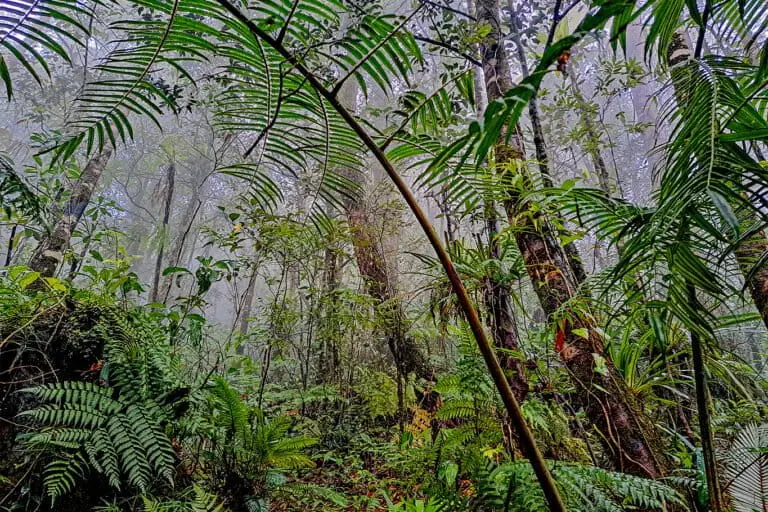
Deep within the emerald-green canopies and mist-shrouded mountain ranges of Mindoro Island in the Philippines, a quiet yet profoundly urgent race against time is unfolding. As generations shift and the pressures of modern development encroach upon ancestral lands, the rich, living archive of the Indigenous Iraya Mangyan community is at risk of fading into silence. To combat this impending cultural and ecological loss, traditional knowledge holders have joined forces with modern conservationists. Together, they are embarking on a comprehensive mission to record vanishing oral traditions, catalog endemic wildlife, map medicinal plants, and preserve culturally vital landscapes before they are lost forever.
This high-stakes initiative bridges the gap between ancestral wisdom and contemporary science. Operating across a roughly 40,000-hectare (100,000-acre) ancestral domain that overlaps with the UNESCO-designated Puerto Galera Biosphere Reserve, local leaders and environmental groups are recording the deep ecological ties that bind the Iraya people to their forested home. At the heart of this documentation effort is a profound realization: the survival of the Iraya culture is inextricably linked to the survival of the forest itself. By capturing centuries of generational observations regarding local wildlife—particularly three culturally and ecologically irreplaceable bird species—this collaborative project seeks to fortify the legal protections of the land while honoring a heritage written not in ink, but in the rhythms of nature.
Detailed Chronology and Collaborative Framework
The partnership between the Iraya Mangyan community and conservation organizations did not happen overnight; it is the culmination of decades of environmental degradation, shifting local demographics, and a growing recognition that conventional conservation models often fail when they exclude Indigenous voices.
The Gathering Threat of Erasure
For generations, the Iraya Mangyan relied on an oral tradition to pass down ecological stewardship, survival tactics, and spiritual lore from elders to youth. However, the pressures of the modern world have fractured this transmission. Younger generations, increasingly drawn into mainstream schooling, regional economies, and urban centers, spend less time learning the intricate secrets of the forest alongside their village elders.
Simultaneously, the physical landscape of Mindoro has undergone alarming transformations. Deforestation driven by illegal logging, slash-and-burn agriculture, and aggressive infrastructure development has eaten away at the island’s endemic ecosystems. As the trees fall, the habitats of rare species shrink, and the traditional hunting, foraging, and spiritual grounds of the Iraya people are threatened. Recognizing that the passing of each elder represents the permanent loss of an irreplaceable library of ecological data, community leaders determined that a systematic documentation effort was desperately needed.
Institutional Alliances and Methodologies
To safeguard their heritage, the Iraya community partnered with the Center for Conservation Innovations Philippines (CCIPH), a prominent environmental NGO operating under the broader umbrella of the Mindoro Forest and Biodiversity Programme. This partnership also incorporates insights from organizations such as the D’Aboville Foundation, which brings decades of localized conservation experience to the region.
The framework of this collaboration is designed to be participatory and respectful of Indigenous intellectual property. Rather than extracting information for external academic gain, the project actively integrates the gathered environmental data directly into the Iraya’s Ancestral Domain Sustainable Development and Protection Plan (ADSDPP). According to Rey Luna, a CCIPH project management adviser and former provincial officer of the National Commission on Indigenous Peoples (NCIP), weaving traditional knowledge into formal planning documents grants the community stronger legal tools to defend their territory against exploitative external projects.
Field researchers, conservationists, and Indigenous forest patrollers work side by side. They traverse rugged terrain to map sacred sites, identify flora with medicinal properties, and record the behavioral patterns of forest fauna—transforming ephemeral oral histories into concrete, actionable conservation data.
Supporting Context & Metrics: The Biological and Cultural Landscape of Mindoro
To understand the weight of this conservation race, one must examine the unique ecological theater in which it takes place. Mindoro Island is a recognized biodiversity hotspot, boasting high levels of endemism found nowhere else on Earth. Yet, this fragile paradise is squeezed by human activity.
The Ancestral Domain and the Biosphere Reserve
The Iraya Mangyan ancestral domain spans approximately 40,000 hectares (100,000 acres) of rugged terrain, encompassing dense tropical rainforests, river valleys, and highland slopes. A significant portion of this territory overlaps with the Puerto Galera Biosphere Reserve, designated by UNESCO to protect the region’s exceptional terrestrial and marine ecosystems.
Despite official protections, the biosphere reserve and its surrounding buffer zones face relentless pressures. Encroachment by lowland settlers, agricultural expansion, and logging undermine the ecological integrity of the reserve. For the Iraya people, who have acted as the de facto guardians of these forests for centuries, the degradation of the environment is simultaneously an assault on their cultural identity, sustenance, and spiritual well-being.
The Avian Sentinels: Guardians of the Canopy
Among the most compelling elements being documented by the CCIPH and Iraya elders is the relationship between the community and three endemic bird species. These avian indicators serve a dual purpose: they are central figures in Iraya mythology and spiritual life, and they act as living barometers of forest health.
-
The Turis (Mindoro Racket-Tail / Prioniturus mindorensis)
- Conservation Status: Classified as Vulnerable on the IUCN Red List.
- Cultural Significance: Renowned among the Iraya as a reliable storm forecaster.
- Ecological Insight: These striking parrots exhibit distinct pre-storm gathering behaviors that have kept human communities safe for generations.
-
The Siruk (Mindoro Boobook / Ninox mindorensis)
- Conservation Status: Classified as Vulnerable on the IUCN Red List.
- Cultural Significance: A nocturnal predator whose vocalizations carry deep spiritual weight, often interpreted by the community as warnings of malevolent forest spirits.
-
The Sulit (Mindoro Scops Owl / Otus mindorensis)

- Conservation Status: Classified as Near Threatened on the IUCN Red List.
- Cultural Significance: Deeply revered and closely associated with departed relatives, bridging the physical world with the realm of ancestors.
The inclusion of these three species in the documentation project highlights how Indigenous taxonomy often aligns with, and sometimes anticipates, modern conservation science. While IUCN red-list assessments utilize complex statistical modeling and field surveys to determine extinction risks, the Iraya have maintained an empirical, longitudinal dataset spanning centuries based on direct daily observation.
Official Statements and Local Perspectives
The intersection of Indigenous wisdom and Western science has yielded profound insights, articulated eloquently by those on the front lines of the Mindoro conservation effort.
The Practical Power of Traditional Knowledge
For Bernito Pampilo, an Iraya forest patroller whose life has been shaped by the rhythms of the jungle, the wisdom of the elders is not merely symbolic—it is a matter of survival. Recalling a childhood memory, Pampilo shared how a chaotic, noisy gathering of turis parrots in a single tree alerted his family to an impending meteorological disaster.
"When I see them gather like that, I prepare," Pampilo recalled, noting that the birds’ collective alarm saved his family from the wrath of a destructive typhoon when he was only nine years old.
This sentiment is echoed by institutional partners who recognize the limitations of short-term scientific studies. Ronet Santos, senior program operations manager of the D’Aboville Foundation, emphasized that modern conservation frameworks are vastly enriched by Indigenous perspectives.
"Long-term indigenous observations can complement scientific knowledge and conservation initiatives by providing a complete temporal picture of these species’ behavior," Santos explained. While a conservation NGO might monitor a species for a few years through camera traps and point counts, Indigenous communities hold generational datasets that track behavioral shifts, population fluctuations, and ecological responses across decades and centuries.
The Inextricable Link Between Culture and Nature
Perhaps the most powerful articulation of the project’s overarching philosophy comes from Lenito Pampilo, an Iraya community leader and eco-trail guide. His words cut to the core of the ecological crisis facing Mindoro:
"When the turis, siruk and sulit are still here, it means our forest is still beautiful," Lenito Pampilo told Mongabay. "If they disappear, our forest will disappear with them."
This perspective reframes conservation not as a technical exercise in resource management, but as a defense of a living archive. For the Iraya Mangyan, the forest is not a resource to be managed or a commodity to be traded; it is an unwritten library of stories, medicines, laws, and spiritual connections that define what it means to be Iraya.
Future Outlook: Challenges and Pathways Forward
As the documentation project progresses, it faces a delicate balancing act. Recording oral histories and ecological knowledge is only the first step; the greater challenge lies in ensuring that this knowledge remains dynamic, respected, and legally empowered in a rapidly modernizing nation.
Scaling Up Ancestral Domain Protection
Integrating the collected data into the Ancestral Domain Sustainable Development and Protection Plan (ADSDPP) provides a vital legal shield. However, implementation and enforcement remain formidable hurdles. Government agencies must be willing to respect and enforce Indigenous resource management plans, even when they conflict with short-term commercial interests, mining explorations, or unbridled tourism development within the Puerto Galera Biosphere Reserve framework.
Passing the Torch to the Next Generation
A parallel priority for the CCIPH and Iraya leaders is revitalization through education. Documenting knowledge on paper or in digital archives is insufficient if the youth do not internalize it. Future phases of the initiative aim to integrate traditional ecological knowledge into local community-based educational programs. By taking younger generations out of the classroom and into the forest to track the turis, siruk, and sulit alongside elders, the community hopes to reignite a sense of pride and responsibility.
A Model for Global Conservation
The collaborative effort in Mindoro offers a powerful blueprint for conservation initiatives worldwide. Too often, conservation paradigms have operated under "fortress conservation" models—excluding Indigenous peoples from protected areas under the false assumption that human presence is inherently destructive. The work of the Iraya Mangyan and the CCIPH demonstrates the exact opposite: that protecting biodiversity requires empowering the original stewards of the land.
As the race to record fading sacred ties continues across the forests of Mindoro Island, the world is reminded that the fight to save endangered species and habitats is inseparable from the fight to preserve human diversity. If the turis, siruk, and sulit continue to call from the canopy, and if the youth of the Iraya community continue to listen, the ancient voice of the forest will endure.