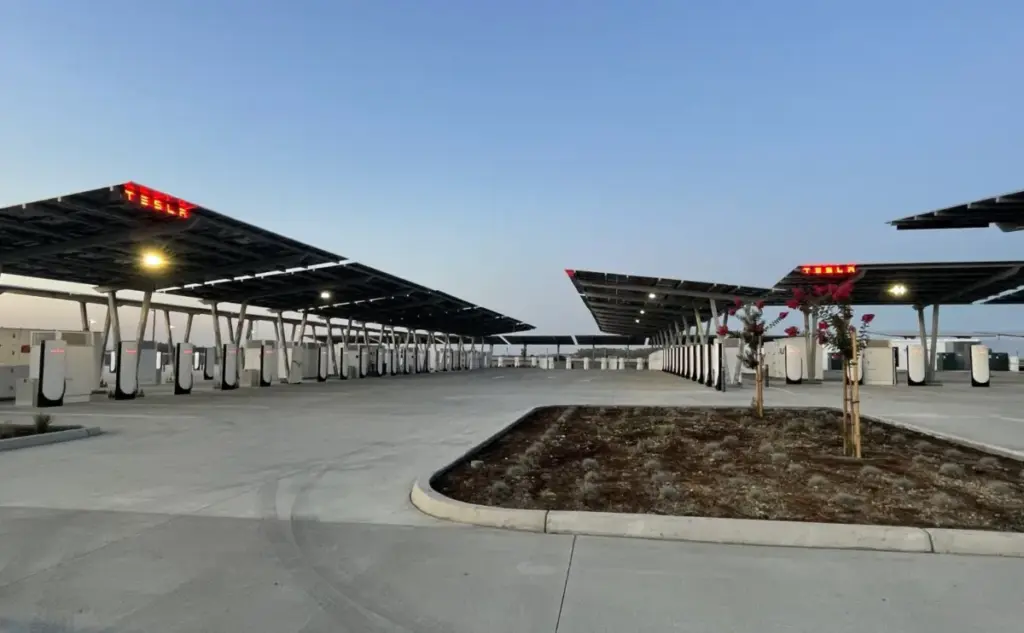
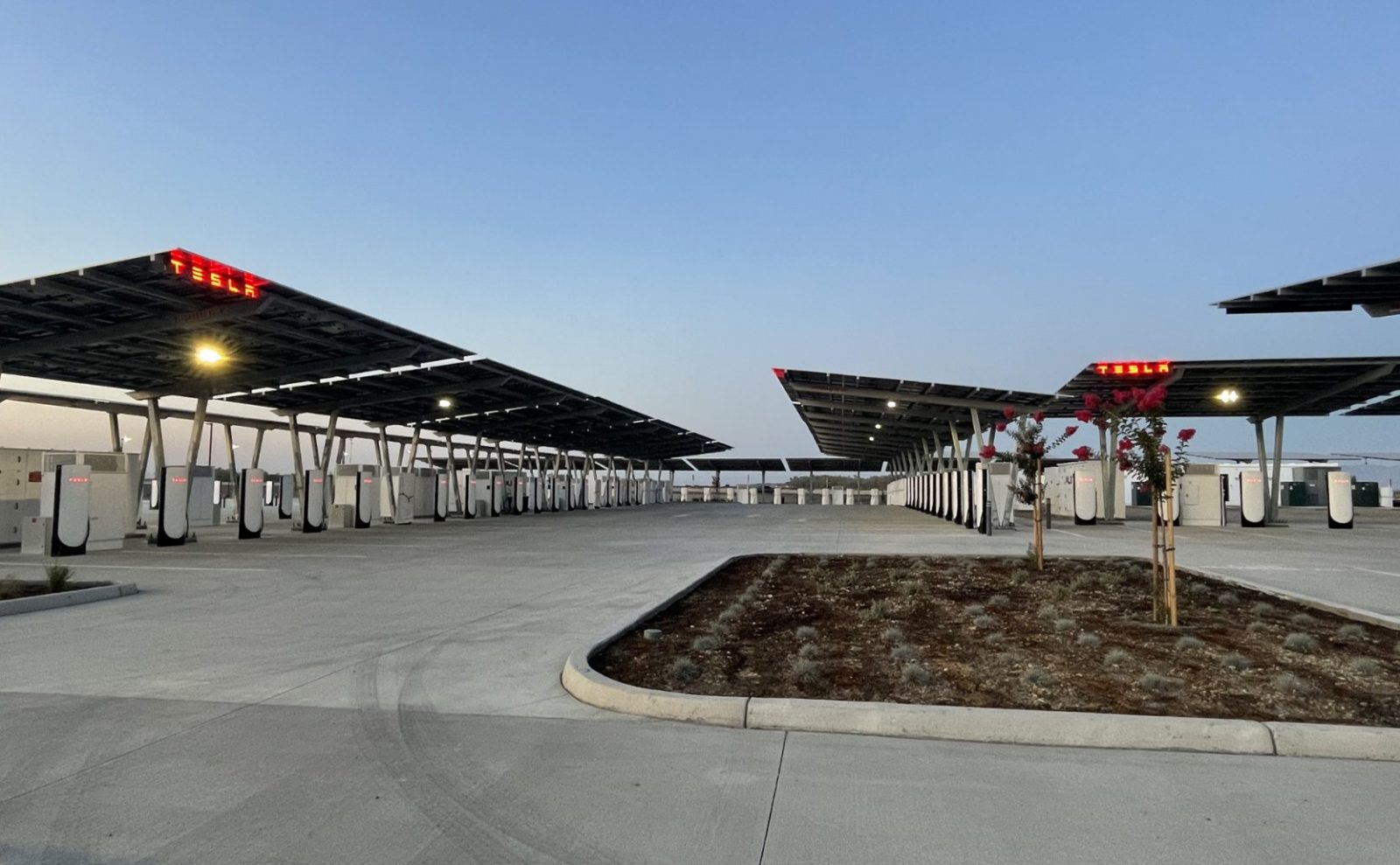
California is doubling down on its aggressive electrification goals with a massive new influx of capital aimed at dismantling one of the most stubborn barriers to widespread electric vehicle (EV) adoption: public charging infrastructure. Through the latest iteration of the Fast Charge California Project, the state is injecting a minimum of $28 million into public EV fast-charging development, offering incentives that can cover up to 100% of eligible installation costs.
Administered by the Center for Sustainable Energy (CSE) on behalf of the California Energy Commission (CEC), this funding wave targets businesses, non-profits, public agencies, and eligible California tribes. By mitigating upfront capital expenditures—providing as much as $100,000 per charging port—the state aims to accelerate the deployment of high-speed DC fast chargers (DCFC) across all corners of the state. Crucially, this program prioritizes projects that are "ready to build," eliminating administrative bottlenecks and ensuring that public funds transform rapidly into operational infrastructure.
With applications opening on October 7 and stretching through early 2027, the initiative represents a pivotal step in California’s broader strategy to modernize its transportation corridors, curb greenhouse gas emissions, and ensure equitable access to green technology—particularly in disadvantaged and low-income communities.
Detailed Chronology & Application Roadmap
Understanding the lifecycle and timeline of the Fast Charge California Project is critical for prospective applicants looking to leverage state subsidies. The initiative operates under a structured framework designed to reward preparedness and strategic alignment with state equity goals.
Key Dates and Phases
October 7 (Application Window Opening): Property owners, businesses, non-profits, public agencies, and tribal entities can officially submit their proposals for the current funding round.
January 14, 2027 (Current Window Closing): The initial application window shuts. Submissions are processed on a rolling, first-come, first-served basis, though priority is explicitly granted to projects situated within disadvantaged, low-income, and tribal communities.
February 24 – May 27, 2027 (Subsequent Application Window): A secondary funding window is already slated to open, offering a maximum incentive cap of up to $55,000 per port during this cycle.
The "Ready-to-Build" Mandate
Unlike historical grants that funded conceptual projects prone to years of administrative delays, the Fast Charge California Project operates under a strict "shovel-ready" philosophy. To qualify for funding, applicants must already possess:
A final utility service design OR an official letter from the local utility confirming that no new or upgraded electrical service is required.
All necessary municipal and environmental permits in place.
This prerequisite ensures that capital does not sit idle. By front-loading the bureaucratic hurdles—such as permitting and utility coordination—the state ensures that once incentive dollars are awarded, they materialize into functional charging infrastructure in record time.
Supporting Context, Financial Metrics & Program Mechanics
The financial architecture of the Fast Charge California Project is engineered to maximize output while tailoring subsidies to the technical capabilities of the hardware installed. Funding is distributed through the broader California Electric Vehicle Infrastructure Project (CALeVIP), which has served as the state’s flagship EV charging incentive mechanism since its inception in 2017.
Incentive Tiers and Power Output
The magnitude of the financial support a site receives is directly tied to the kilowatt (kW) output delivered by each individual charging port:
Tier 1 (150 kW to <275 kW): Ports guaranteeing an output within this range qualify for up to $55,000 per port.
Tier 2 (275 kW and above): Ultra-fast ports delivering at least 275 kW qualify for up to $100,000 per port.
These funds can cover up to 100% of approved project costs, which encompass the physical charging hardware, labor-intensive installation, planning, and specialized engineering. However, the per-port caps remain hard limits; if an installation exceeds the maximum incentive threshold, the applicant must absorb the remaining balance.
Technical and Site Eligibility Requirements
To maintain program integrity and ensure a robust network for all EV drivers, the state has instituted strict site and hardware parameters:
Plug Compatibility: At least 50% of all connectors installed at a funded site must support the Combined Charging System (CCS), ensuring interoperability across a wide spectrum of non-Tesla EVs.
Site Restrictions: In this specific round, certain property types—including traditional charging hubs, hotels, and general business districts—have been deemed ineligible, redirecting focus toward higher-impact public corridors and community spaces.
Geographic and Demographic Priorities: More than 67% of previously funded chargers under CALeVIP have been channeled into disadvantaged, low-income, and tribal communities. This equity-first mandate continues to guide the scoring and prioritization of the $28 million fund.
Historical Momentum and CALeVIP’s Track Record
This latest financial injection builds directly upon previous successes. In the spring of 2026, CALeVIP awarded $56.9 million to fund more than 1,266 ready-to-build DC fast-charging ports spanning all 58 of California’s counties.
Since its launch in 2017, CALeVIP—backed by the California Energy Commission’s Clean Transportation Program and the state’s Greenhouse Gas Reduction Fund—has successfully supported the installation of approximately 10,200 chargers. Tools like CALeVIP’s EV Charging Opportunity Finder, which overlays existing charging maps with local EV registration densities and demographic data, allow prospective site hosts to strategically evaluate where new chargers are most urgently needed.
Official Statements & Expert Perspectives
State officials and program administrators emphasize that streamlining the deployment process is just as important as the funding itself.
Scott Shepard, Senior Director of Transportation Programs at the Center for Sustainable Energy (CSE), highlighted the lessons learned from nearly a decade of managing state infrastructure grants:
"We’ve learned through CALeVIP that the fastest way to get chargers in the ground is to fund projects that are truly ready to build. When permitting and utility coordination are already underway, incentive dollars can turn into working chargers much faster."
By shifting the burden of administrative readiness onto the applicant before funds are disbursed, the state avoids the financial stagnation that has historically plagued public infrastructure projects nationwide.
Furthermore, energy analysts point out that subsidizing up to 100% of installation costs effectively removes the financial deterrent for small businesses, non-profits, and tribal entities that might otherwise view EV charging as an excessively risky capital expenditure. As vehicle manufacturers increasingly pivot toward ultra-fast charging capabilities—with technologies like EVgo’s upcoming 750 kW charging system slated for commercial entry in 2027—state-backed programs like CALeVIP ensure that public infrastructure keeps pace with automotive innovation.
Future Outlook & Broader Implications
California’s aggressive investment in public fast charging arrives at a critical juncture for the electric vehicle market. While EV sales continue to expand, consumer confidence remains tethered to the reliability, speed, and ubiquity of public charging networks. Range anxiety and concerns over broken or congested chargers are frequently cited as primary deterrents for hesitant buyers.
By coupling substantial financial incentives with stringent "shovel-ready" requirements, California is creating a blueprint for efficient infrastructure deployment that other states are increasingly attempting to emulate. The emphasis on ultra-fast charging (275 kW+) acknowledges the future of mobility: drivers expect refueling times that mirror traditional gasoline vehicles, capable of adding hundreds of miles of range in under 15 minutes.
Looking ahead toward the close of the current application window in January 2027 and the subsequent round in February, the success of the Fast Charge California Project will likely be measured not just by the number of dollars spent, but by the speed at which physical ports become active along the state’s highways and within its most vulnerable communities. As these federal and state-backed initiatives converge, California moves steadily closer to realizing a fully electrified transportation ecosystem capable of supporting millions of zero-emission vehicles in the decades to come.