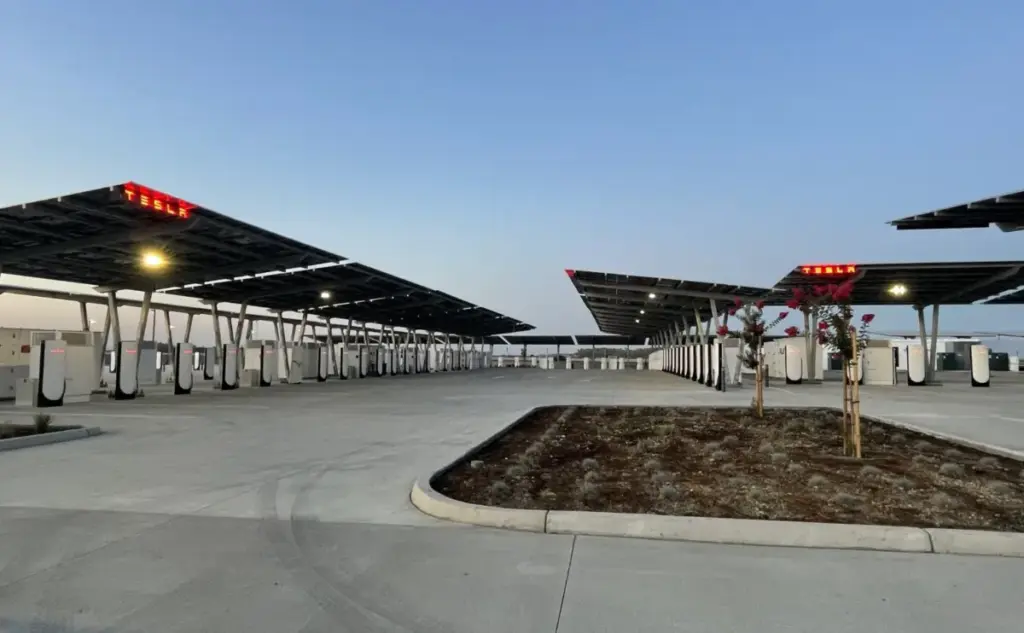
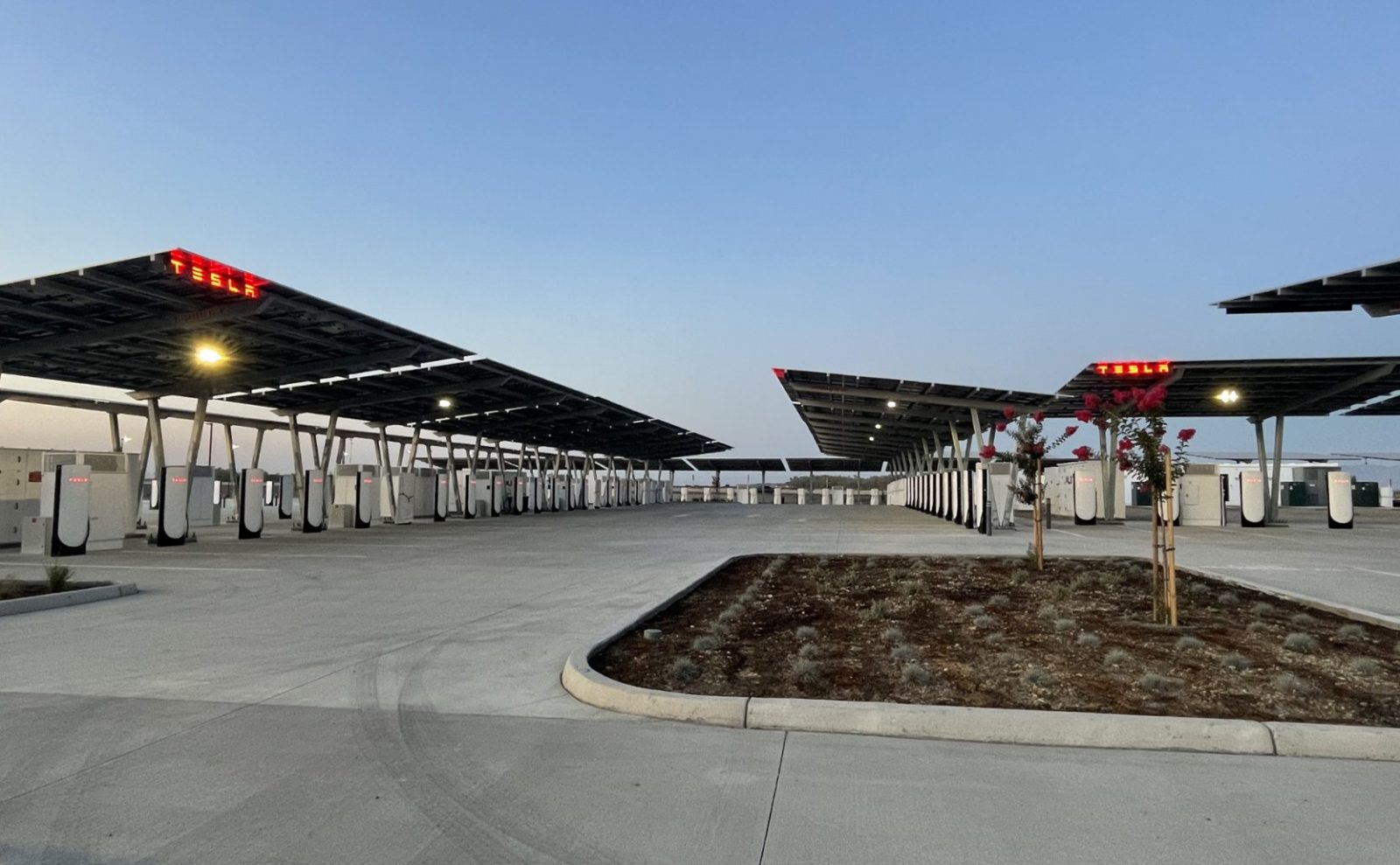
California is aggressively doubling down on its transition to zero-emission transportation with the rollout of a new $28 million funding tranche dedicated exclusively to expanding public electric vehicle (EV) fast-charging infrastructure. Spearheaded by the California Energy Commission (CEC) through the California Electric Vehicle Infrastructure Project (CALeVIP), this fresh capital injection offers property owners, businesses, local agencies, and federally recognized tribes up to $100,000 per charging port. Crucially, depending on the scope and design of the installation, these state-backed incentives can cover up to 100% of eligible project costs.
The initiative, managed programmatically by the Center for Sustainable Energy (CSE), officially opened its application portal on October 7, with a submission deadline slated for January 14, 2027. By targeting "shovel-ready" projects—those that have already secured permitting and utility interconnection agreements—California is bypassing traditional bureaucratic bottlenecks to accelerate the physical deployment of ultra-fast chargers. As the state marches toward its ambitious climate mandates, this program specifically prioritizes low-income, disadvantaged, and tribal communities, ensuring that the fruits of the EV revolution are equitably distributed across all 58 counties.
1. Executive Overview: A High-Stakes Push for Infrastructure Equity
California’s path toward a zero-emission future hinges on one foundational metric: driver confidence. While EV adoption rates in the Golden State continue to outpace the rest of the nation, the anxiety surrounding public charging availability remains a primary friction point for prospective buyers who lack home-charging capabilities. Recognizing this hurdle, the state government has leveraged public-private partnerships and targeted grant frameworks to fundamentally reshape the retail fueling landscape.
The launch of the latest funding round under the Fast Charge California Project is not merely an incremental budgetary update; it represents a refined, surgical approach to infrastructure spending. Rather than casting a wide net and hoping developers eventually build, the program demands immediate readiness. Applicants must prove that their sites are practically ready to break ground.
By offering up to $100,000 per port and covering the total eligible bill for high-output chargers, the state is lowering the barrier to entry for commercial real estate owners, municipalities, and tribal governments. In doing so, California is attempting to solve a classic chicken-and-egg dilemma: giving businesses a financial incentive to install heavy-duty hardware while simultaneously offering drivers a denser, more reliable network of rapid-charging oases.
2. Detailed Chronology and Program Mechanics
To fully understand how this $28 million program operates, one must examine its structural parameters, strict eligibility criteria, and operational timeline. The mechanics of the Fast Charge California Project are designed to reward preparedness and penalize procrastination.
The Application Timeline and Deadlines
October 7: The official application window opens for the current funding round. Property owners, businesses, nonprofits, public agencies, and eligible California tribes can submit their paperwork via the CALeVIP portal.
January 14, 2027: The application window closes. Following this cutoff, the CSE will review and queue applications in the order they were received.
Prioritization Queue: While submissions are evaluated on a first-come, first-served basis, qualifying projects located within disadvantaged, low-income, and tribal communities are granted priority status, ensuring these vulnerable regions receive immediate funding allocation.
Future Windows: For those who miss the winter cutoff, a subsequent application window has already been scheduled from February 24 through May 27, 2027, featuring maximum incentives of up to $55,000 per port.
Incentive Tiers and Power Output
The state has structured its financial backing around the raw capacity of the hardware being installed. Faster chargers require more robust electrical infrastructure, which inherently drives up installation costs. To offset this, the tiered incentive model scales accordingly:
Mid-Tier Fast Chargers (150 kW to <275 kW): Ports that deliver a guaranteed output within this range qualify for an incentive of up to $55,000 per port.
Ultra-Fast Chargers (275 kW and above): Ports delivering at least 275 kW qualify for the maximum incentive of up to $100,000 per port.
These funds are designed to cover a comprehensive suite of project expenses, including the physical charging hardware, engineering design, planning fees, and direct installation labor. While the program can technically cover up to 100% of approved costs, the strict per-port caps mean that exceptionally complex or expensive builds will require supplemental private or commercial capital.
The "Shovel-Ready" Mandate
One of the most notable evolutions in California’s infrastructure strategy is the stringent enforcement of readiness requirements. In previous funding eras, developers could secure grants for conceptual projects, leading to protracted delays as permits crawled through municipal offices and utilities wrestled with grid upgrades.
Under the current rules, applicants must already possess:
A final utility service design, OR an official letter from the local electric utility confirming that no new or upgraded electrical service is required.
All necessary local, regional, and environmental permits already in place.
This prerequisite ensures that every dollar allocated by the state transforms into operational concrete and copper in a fraction of the usual timeframe.
3. Supporting Context, Metrics, and Strategic Exclusions
The $28 million current allocation does not exist in a vacuum. It builds upon a massive foundation laid earlier in the decade, reflecting a continuous evolution in how California manages its transition to electric mobility.
Historical Context and Recent Successes
This initiative follows a massive $56.9 million funding round awarded in the spring of 2026. That previous tranche successfully financed more than 1,266 ready-to-build DC fast-charging ports distributed across all 58 of California’s counties. Demonstrating the state’s steadfast commitment to environmental justice, over 67% of those previously funded chargers were earmarked for disadvantaged, low-income, and tribal communities.
Since its inception in 2017, the overarching CALeVIP initiative has supported the installation of more than 10,200 chargers across the state. Financial backing for these programs originates from two primary sources: the California Energy Commission’s Clean Transportation Program and the state’s Greenhouse Gas Reduction Fund, which captures proceeds from California’s cap-and-trade auction system.
Strategic Exclusions and Technical Mandates
Property owners eager to cash in on the state’s generosity must carefully review site-type eligibility. According to updated guidelines on the CALeVIP program page, certain locations—such as standalone charging hubs, traditional hotels, and generalized business districts—are no longer eligible site types for this specific round. Developers must align their real estate proposals with the state’s high-traffic, multi-family, or community-centric priorities.
Furthermore, technical standardization remains a top priority. To prevent proprietary fragmentation and ensure maximum accessibility for all EV owners, at least half of the connectors installed at each funded site must utilize the CCS (Combined Charging System) standard. This ensures that drivers of non-Tesla electric vehicles are fully accommodated within the expanding public network.
For property owners attempting to gauge the viability of their land parcels, CALeVIP provides the EV Charging Opportunity Finder. This interactive digital mapping tool overlays existing public chargers, local EV registration densities, and socioeconomic community data, allowing developers to scientifically assess where new fast-charging stations will yield the highest utilization rates.
4. Official Statements and Expert Perspectives
The philosophy driving the Fast Charge California Project centers on efficiency, accountability, and speed. State energy planners and program administrators have emphasized that public funds must be deployed with maximum fiscal responsibility.
Scott Shepard, Senior Director of Transportation Programs at the Center for Sustainable Energy, encapsulated the strategy behind the strict readiness requirements during the program’s rollout:
"We’ve learned through CALeVIP that the fastest way to get chargers in the ground is to fund projects that are truly ready to build. When permitting and utility coordination are already underway, incentive dollars can turn into working chargers much faster."
This sentiment is echoed by regional transit authorities and environmental equity advocates who point out that building chargers is only half the battle—keeping them operational, accessible, and placed where communities need them most is the true metric of success. By filtering out speculative proposals through rigorous upfront compliance, CSE and the CEC are safeguarding taxpayer dollars while accelerating the decarbonization of the transportation sector.
5. Future Outlook: The Horizon of Ultra-Fast Charging
As California moves past the mid-2020s, the technological landscape of EV charging is shifting beneath our feet. The injection of this $28 million fund arrives at a pivotal moment when charging speeds and network interoperability are experiencing a generational leap forward.
With ultra-fast tiers rewarding outputs of 275 kW and above, the state is actively future-proofing its grid against the next wave of automotive technology. Major charging network operators are already looking ahead to even more formidable hardware; for instance, upcoming deployments like EVgo’s planned 750 kW charging systems, slated to arrive on the market in 2027, signal that vehicle charging speeds will soon rival the time it takes to pump conventional gasoline.
However, ultra-fast charging stations require immense electrical capacity. The strict utility coordination rules mandated by CALeVIP ensure that developers do not discover grid-capacity bottlenecks after receiving state grants. By forcing applicants to secure utility sign-offs before applying, California is fostering a collaborative ecosystem where utilities, state agencies, and private developers synchronize their capital expenditures.
Ultimately, programs like the Fast Charge California Project serve as a national blueprint. As federal and state governments grapple with how to stimulate private sector infrastructure investments without wasting public funds, California’s combination of high-value per-port incentives, rigorous shovel-ready mandates, and unwavering equity prioritization offers a masterclass in clean-energy governance. As the January 14, 2027 deadline approaches, property owners across the state are racing to finalize their blueprints, knowing that the state is ready and willing to pick up the tab for the future of transportation.