

Executive Overview
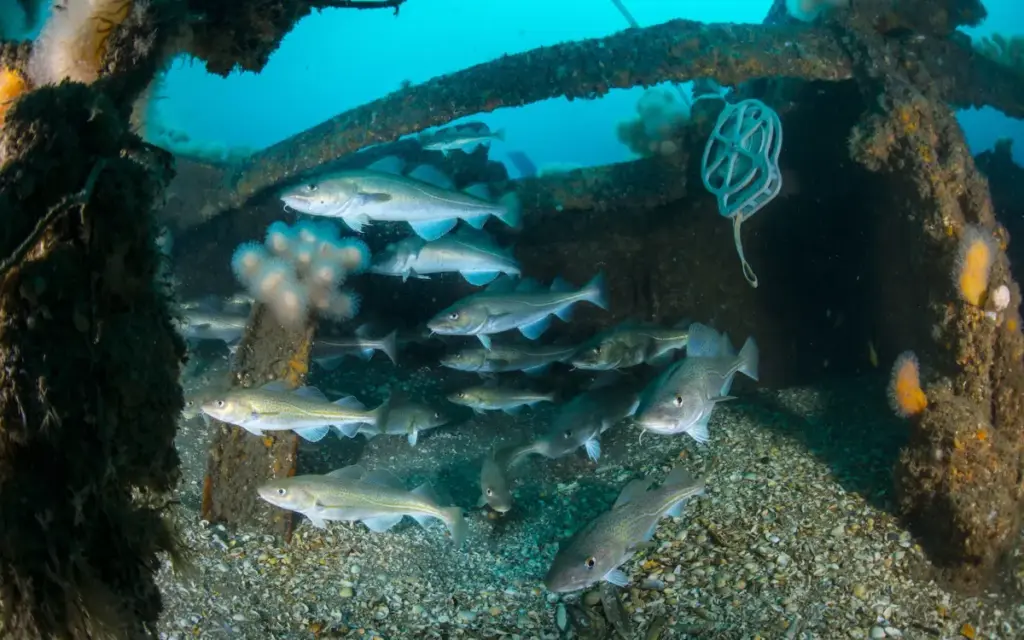
In a stark assessment that highlights systemic failures in modern marine management, the International Council for the Exploration of the Sea (ICES) has issued its official advice recommending zero fishing for Northern Shelf cod in 2027. This marks the second consecutive year that independent scientists have called for a total cessation of fishing for a species that was once a cornerstone of the United Kingdom’s maritime economy and culinary identity.
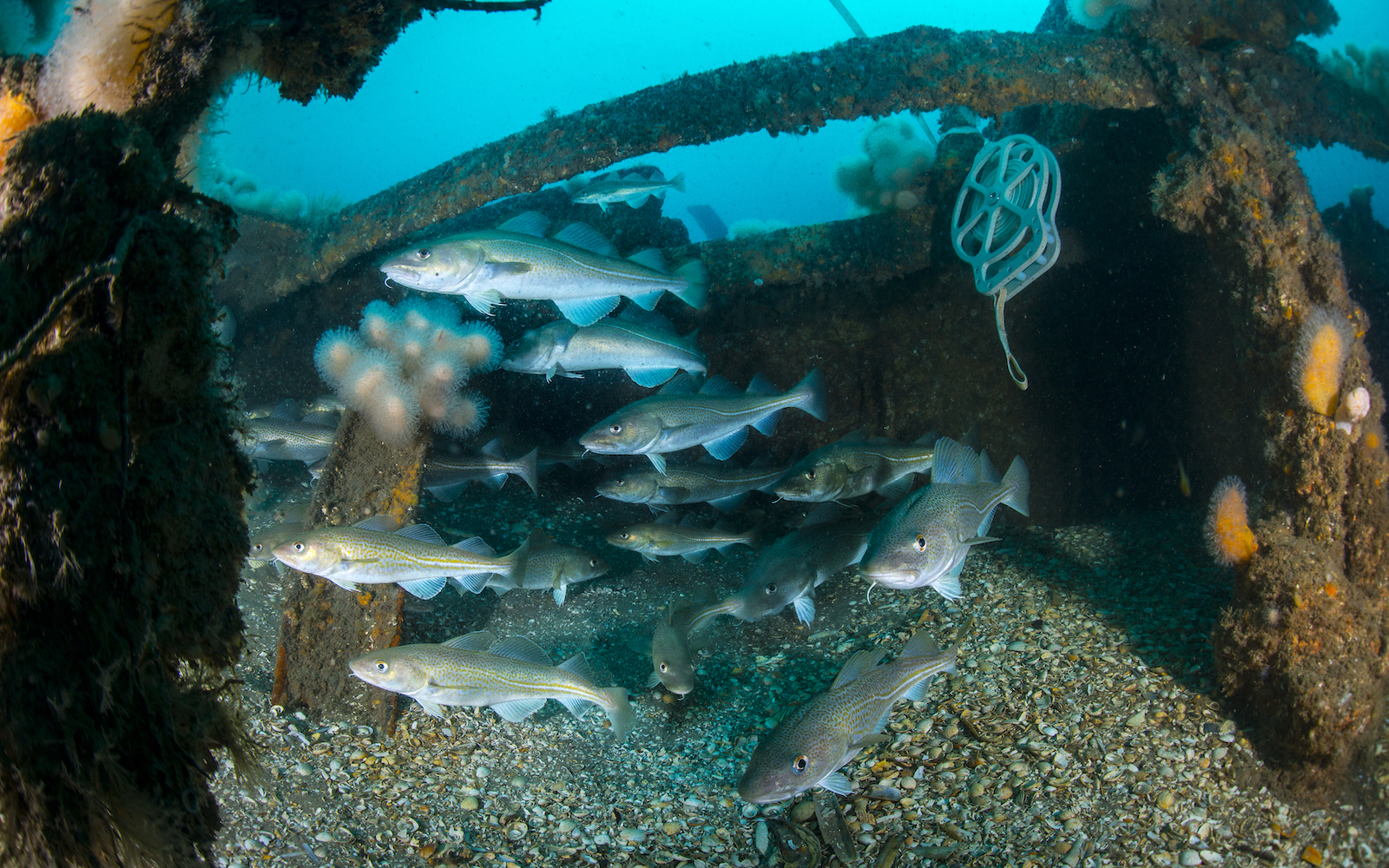
The Northern Shelf cod stock—spanning the North Sea, the waters west of Scotland, the eastern English Channel, and the Skagerrak—remains in such a precarious, depleted state that experts warn any continued extraction will directly jeopardize its long-term survival. Last year’s unprecedented zero-catch recommendation signaled that the stock had suffered a catastrophic biological collapse. Yet, despite these urgent scientific warnings, commercial fishing has persisted, driven by political quotas that routinely bypass environmental safety limits.
This latest advisory underscores a much broader, systemic crisis: three of the UK’s four primary cod stocks are now subject to zero-catch advice. Marine biologists reserve this drastic recommendation exclusively for fish populations experiencing critical reproductive failure. That three major domestic stocks now fall into this category is a damning indictment of decades of overfishing and short-sighted political decision-making.
As the ecological emergency deepens, the shockwaves are rippling far beyond marine ecosystems. Britain’s iconic fish and chip shop industry is facing unprecedented financial strain, grappling with soaring wholesale prices, shrinking domestic supply, and an increased reliance on foreign imports. Furthermore, environmental experts and policy advocates emphasize that this crisis is not merely about a single species of fish; it is a profound threat to national food security, coastal economies, and the overall resilience of marine ecosystems against a backdrop of accelerating climate change.
Detailed Chronology and the Collapse of Northern Shelf Cod
To understand the severity of the 2027 zero-catch recommendation, one must trace the historical trajectory of the Northern Shelf cod stock. Historically, these waters supported one of the most abundant and economically lucrative fisheries in Northern Europe. However, decades of intense industrial fishing, compounded by management frameworks that consistently prioritized short-term commercial interests over scientific prudence, pushed the population to the brink.
The Northern Shelf cod complex is biologically intricate, comprising three distinct sub-populations: the Southern, Northwestern, and Viking cod stocks. While each group has its own behavioral and spatial patterns, they frequently mix and are harvested concurrently by commercial fleets, complicating management efforts but amplifying the vulnerability of the entire ecosystem.
Recent ICES assessments reveal a devastating, long-term downward trajectory across all three sub-populations. Since 2016:
- Southern Cod: Has plummeted by a staggering 52%. This specific population has fallen well below critical biological limits, meaning it no longer produces enough juvenile fish to replenish the adult stock naturally.
- Northwestern Cod: Has dropped by 53%, mirroring the steep declines seen in southern waters.
- Viking Cod: Has experienced a 37% reduction over the same decade-long timeframe.
Despite these transparent and alarming metrics, management bodies have continually failed to act decisively. When ICES first recommended an absolute closure of the fishery ahead of the previous cycle, it was an unprecedented acknowledgment that the stock had collapsed. Yet, political negotiations routinely overrode scientific consensus. In 2026 alone, an alarming 58% of all UK fishing opportunities were set above scientific advice, systematically reversing years of fragile, incremental progress toward sustainable fisheries management.
The repeat of the zero-catch advice for 2027 is a clear signal that partial measures, spatial restrictions, and token reductions have failed. Without a hard reset on how quotas are allocated, the Northern Shelf cod faces functional extinction as a commercial fishery.
Supporting Context and Metrics: The Ripple Effects of Mismanagement
The unfolding collapse of the UK’s cod stocks is emblematic of a wider systemic failure in how maritime resources are governed. ICES operates as an independent intergovernmental marine science organization, providing objective, data-driven advice on the maximum sustainable yields that would allow depleted fish populations to recover over time. When these scientific guardrails are ignored, the consequences are immediate and far-reaching.
Economic and Cultural Toll on the High Street
The ecological degradation of UK waters is no longer an abstract concept debated solely by marine biologists; it is a tangible economic reality felt on nearly every British high street. Fish and chip shops across the nation—a cornerstone of British culinary culture—are absorbing the brunt of the stock collapse.
Independent data from the hospitality sector highlights rising wholesale fish prices, severely reduced availability of locally caught cod, and narrowing profit margins for small business owners. To stay afloat, many establishments have been forced to pass these escalating costs onto consumers, driving up the average price of a takeaway meal. Ironically, a nation surrounded by rich and productive seas is now forced to import the vast majority of the cod served in its traditional eateries from overseas fisheries, exposing domestic food supply chains to global market volatility and higher carbon footprints.
The Broader Economic Case for Sustainability
The economic fallout of depleted fisheries dismantles the false dichotomy often presented between environmental protection and economic viability. When fish populations are managed sustainably, they act as a renewable economic engine, supporting stable jobs, robust food security, and vibrant coastal communities.
Conversely, when stocks collapse, the entire socioeconomic chain suffers:
- Fishers face shrinking catches, stricter regulatory clampdowns, and uncertain livelihoods.
- Processing and Hospitality Businesses confront soaring operational costs and supply instability.
- Consumers are left with fewer affordable, sustainable seafood choices.
Climate Security and Marine Resilience
The crisis also intersects directly with national security and climate resilience. The Department for Environment, Food and Rural Affairs (Defra) has repeatedly acknowledged that nature and climate security are inextricably linked to national security. A healthy, functioning ocean underpins both.
Marine ecosystems rich in biodiversity and robust fish populations possess a natural resilience against ocean warming, acidification, and other stressors induced by climate change. Conversely, overexploited, depleted seas are structurally fragile, less capable of absorbing environmental shocks, and slower to recover from climate-related disturbances. Allowing foundational species like cod to vanish weakens the entire marine web of life, diminishing the ocean’s capacity to act as a carbon sink and a buffer against environmental change.
Official Statements and Expert Perspectives
The release of the 2027 zero-catch advice has drawn sharp reactions from conservationists and policy experts who are demanding immediate, accountable action from government leaders.
Weighing in on the crisis, Jonny Hughes, Fisheries Policy Lead at the Blue Marine Foundation, delivered a scathing critique of past political decisions and outlined the stark choices facing the administration:
"A second consecutive year of zero-catch advice should be a wake-up call. Northern Shelf cod did not collapse overnight. It is the result of years of political decisions that repeatedly allowed catches to exceed scientific recommendations."
Hughes emphasized that the path forward requires a fundamental shift in political will, noting that the solutions are already well within reach:
"The choice facing governments is simple: continue with business as usual or prioritize recovering this iconic species. The future of our seas and our fishing communities depend on getting this right.
It is remarkable that we have access to some of the best fisheries science in the world, science that tells us exactly how to fish sustainably while securing the greatest long-term benefits for fishing communities, food security, and the economy, yet we continue to disregard it."
Concluding his remarks, Hughes tied the fisheries crisis directly to the broader environmental emergencies of our time:
"At a time when the Government rightly recognizes that the climate crisis is already affecting our lives, it must also recognize that resilience to these challenges depends on a healthy and resilient ocean. Healthy fish populations are a fundamental part of that."
Future Outlook: A Critical Juncture for UK Fisheries
As policymakers digest the latest scientific advisory, the UK stands at a definitive crossroads. The persistent failure to heed expert guidance has brought three of the nation’s four cod stocks to the absolute brink of commercial extinction.
Moving forward, the primary test for fisheries management will be whether regulatory bodies possess the political courage to enforce painful, necessary restrictions. A temporary, fully enforced closure of the Northern Shelf cod fishery—coupled with stringent monitoring, effective bycatch mitigation strategies, and support packages for affected coastal communities—may be the only viable mechanism to pull the population back from the point of no return.
If policymakers continue to bow to short-term commercial pressures and set quotas above scientific limits, the legacy will be the permanent loss of an iconic marine species, the erosion of British culinary heritage, and long-term damage to the marine ecosystems upon which future generations depend. The science is unequivocal, the warnings are clear, and the window for effective action is rapidly closing.



