

Executive Overview
As autumn settles across the British landscape, gardeners face the annual ritual of clearing fallen leaves, pruning perennials, and putting garden beds to bed for the winter. Yet, beneath the surface of seasonal maintenance lies a profound shift in how domestic households approach waste management and soil health. The transition from traditional cold composting—a passive, often sluggish process that can take up to a year—to high-efficiency, accelerated hot composting represents a quiet revolution in modern horticulture.
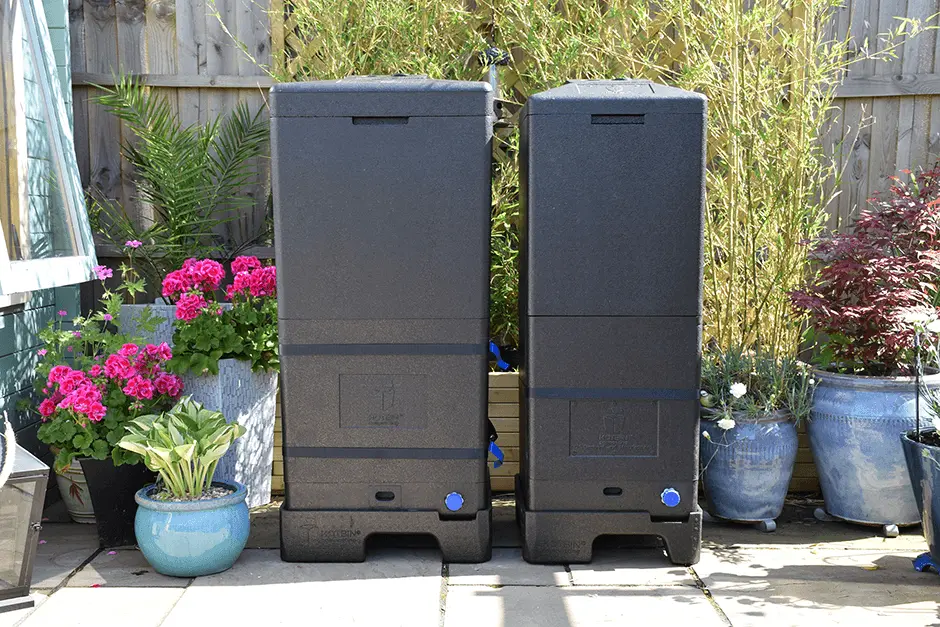
At the forefront of this movement is the convergence of urban sustainability, municipal waste reduction, and advanced horticultural engineering. Leading this charge is HOTBIN, an innovative composting system that has recently been recognized as a BBC Gardeners’ World Magazine Best Buy. To celebrate this accolade and encourage sustainable gardening practices ahead of the winter season, a major promotional initiative has been launched, offering two lucky UK residents the chance to win high-end composting bundles valued at up to £313 each.
This report provides a comprehensive examination of the modern home composting landscape. We explore the biological mechanisms that allow insulated units to process cooked food, small bones, and stubborn weeds in as little as 30 days. Furthermore, we analyze the broader economic and environmental impacts of reducing organic waste sent to landfills, detailing how technological innovations in garden equipment are empowering everyday growers to close the loop on household consumption.
Detailed Chronology: The Evolution of Domestic Composting
To understand the significance of modern composting technology, one must trace the evolution of how humans have managed organic refuse over the past century.
The Mid-20th Century: The Era of the Passive Heap
For generations, backyard composting was a straightforward, albeit slow, affair. Homeowners relied on traditional open wooden pallet bins or wire mesh enclosures tucked away in the shadowy corners of the garden. These conventional heaps operated on a "cold" composting model. Organic waste—mostly raw vegetable peelings, garden clippings, and unmanaged autumn leaves—was thrown together with little regard for the precise ratio of carbon to nitrogen.
Because these heaps were uninsulated and exposed to the elements, microbial activity slowed down significantly during the autumn and winter months. The decomposition process often took anywhere from nine to eighteen months. Moreover, because temperatures inside cold heaps rarely rose above ambient levels, weed seeds, plant pathogens, and kitchen leftovers (such as meat scraps, dairy, and cooked food) could not be safely introduced without attracting vermin or causing foul odors.
The Turn of the Millennium: The Rise of Plastic Bin Culture
In the late 1990s and early 2000s, local authorities across the United Kingdom began heavily subsidizing bell-shaped black plastic composters to encourage home waste reduction. While these units were more aesthetically contained than open heaps, they largely suffered from the same thermodynamic limitations. Without rigorous aeration and sufficient mass to generate internal heat, domestic composting remained a frustratingly slow endeavor for many novices, leading to high abandonment rates where bins became neglected repositories for forgotten garden debris.
The 2010s to Present: The Engineering of Accelerated Thermal Composting
Recognizing the limitations of passive systems, horticultural engineers began applying thermodynamic principles to domestic waste management. By utilizing high-density expanded polypropylene (EPP)—a material renowned for its exceptional thermal insulation properties—designers created vessels capable of retaining the metabolic heat generated by aerobic bacteria.
This breakthrough birthed the "hot bin" methodology, allowing internal temperatures to surge rapidly to between 40°C and 60°C. At these elevated thermal thresholds, thermophilic bacteria thrive, accelerating the breakdown of organic matter exponentially. The introduction of engineered aeration plates and moisture-absorbent bulking agents solved the historical bugbears of anaerobic stagnation and foul smells. Today, systems like the HOTBIN represent the pinnacle of this evolutionary timeline, bridging the gap between municipal-scale industrial digesters and backyard sustainability.
Supporting Context & Metrics: The Science and Economics of Hot Composting
The push toward accelerated composting is not merely a lifestyle trend; it is underpinned by compelling environmental data and biological science.
The Environmental Imperative of Organic Diversion
According to environmental waste authorities, food and garden waste still make up a substantial portion of the average UK household refuse bin. When organic waste is sent to landfill, it is deprived of oxygen under layers of refuse, forcing it to undergo anaerobic decomposition. This process produces methane—a potent greenhouse gas with a global warming potential significantly higher than carbon dioxide over a 20-year timescale.
By diverting food waste, cooked leftovers, and garden biomass into an aerobic hot composting system, homeowners effectively neutralize this methane output. Aerobic bacteria consume the organic matter in the presence of oxygen, releasing primarily carbon dioxide (part of the natural biogenic carbon cycle) and water vapor, while transforming the waste into stable, humus-rich soil conditioner.
The Biology of 30-Day Composting
How is it possible to transform raw food waste and tough garden weeds into nutrient-rich compost in just one month? The secret lies in maintaining optimal conditions for aerobic thermophilic bacteria:
- High Thermal Retention: Traditional heaps lose heat rapidly to the surrounding air. Highly insulated EPP walls trap the heat generated by microbial respiration, keeping the core temperature elevated even when external temperatures plummet below freezing.
- Balanced C:N Ratios: Successful hot composting relies on achieving the correct balance between carbon-rich materials (such as autumn leaves, shredded paper, and wood chip bulking agents) and nitrogen-rich materials (food scraps, green grass clippings).
- Optimized Aeration: Unlike cold heaps that require laborious turning with a garden fork, modern engineered units utilize deliberate airflow designs. Fresh oxygen is drawn in from the base, rising through the matrix to fuel the aerobic microbes without the need for manual disruption.
- Pathogen and Weed Destruction: The sustained high temperatures achieved in these systems (often exceeding 50°C for extended periods) are biologically transformative. They effectively sterilize weed seeds and pathogenic fungi, ensuring that the resulting compost is clean, safe, and ready to feed garden beds without the risk of spreading invasive garden weeds.
The Commercial Landscape and Accolades
The market for high-performance gardening equipment has evolved to meet the demands of environmentally conscious consumers who value efficiency. The recent recognition of the HOTBIN system as a BBC Gardeners’ World Magazine Best Buy underscores this shift. Evaluated rigorously against competing products on the market, the system earned top marks for being the fastest composter tested during trials, as well as the most spatially efficient option for urban and suburban gardens with limited square footage.
Official Prize Details and Specifications
To support gardeners in their seasonal transition, the ongoing promotional campaign offers participants the chance to win comprehensive composting bundles tailored to different garden sizes. Two winners will be selected, with each permitted to choose between two premier configurations:
Option A: The HOTBIN Mini 100-litre Essentials Bundle (Valued at £243)
- The Composter: The HOTBIN Mini (100-litre capacity), specifically engineered for smaller households, courtyards, and compact urban gardens. Despite its smaller footprint, it retains all the thermal insulation and acceleration capabilities of its larger counterparts.
- The Plinth: A custom-fitted HOTBIN Plinth that elevates the unit off the ground. Beyond ergonomic benefits, the plinth facilitates the collection of liquid fertilizer (often referred to as "liquid gold"), which can be diluted and used as a potent plant tonic.
- The Garden Kneeler: A premium HOTBIN Garden Kneeler designed to provide ergonomic support during prolonged periods of weeding, planting, and harvesting finished compost from the base hatch.
Option B: The HOTBIN 200-litre Essentials Bundle (Valued at £313)
- The Composter: The larger HOTBIN 200-litre unit, ideal for medium-to-large family households producing higher volumes of both kitchen waste and seasonal garden biomass.
- The Plinth & Kneeler: Includes the matching heavy-duty plinth for advanced liquid drainage collection and the ergonomic garden kneeler for sustained comfort during outdoor maintenance tasks.
Future Outlook: The Next Decade of Sustainable Horticulture
As urban spaces become denser and climate volatility places new stresses on traditional growing practices, the role of the home gardener is undergoing a profound metamorphosis. The days of viewing the garden as a purely decorative hobby are giving way to an understanding of the domestic plot as a vital micro-ecosystem capable of circular resource management.
The Integration of Smart Garden Technology
Looking toward the future, the intersection of thermal composting and smart monitoring technology is poised to redefine user engagement. Future iterations of domestic composting hardware are expected to integrate low-power digital sensors that monitor internal core temperatures, moisture levels, and carbon-to-nitrogen balances in real-time, transmitting diagnostic data directly to smartphone applications. This will remove the guesswork for novice gardeners, ensuring optimal efficiency and maximizing nutrient retention.
Peat-Free Mandates and Soil Health
With government regulations increasingly restricting the sale of peat-based composts to protect fragile moorland ecosystems, the burden of soil enrichment falls squarely on home-produced organic matter and commercial organic alternatives. Accelerated hot composting provides an immediate, localized solution to this deficit. By converting household food scraps and garden trimmings into rich, peat-free growing media, gardeners can bypass commercial supply chains entirely, fostering resilient soil microbiomes that support robust plant health, enhanced drought resistance, and prolific vegetable yields.
Conclusion: Empowering the Modern Grower
Initiatives that reward sustainable habits—such as the current partnership celebrating excellence in composting technology—do more than simply distribute hardware; they catalyze a broader cultural shift. By demonstrating that waste reduction can be clean, rapid, and remarkably efficient, modern gardening innovations are empowering a new generation of growers to take direct control of their environmental footprint.
As the autumn leaves fall and gardeners look toward the planning of next season’s beds, the message is clear: the future of horticulture lies in closing the loop, turning yesterday’s kitchen scraps into tomorrow’s garden bounty, and embracing systems that work in harmony with the biological rhythms of the natural world.



