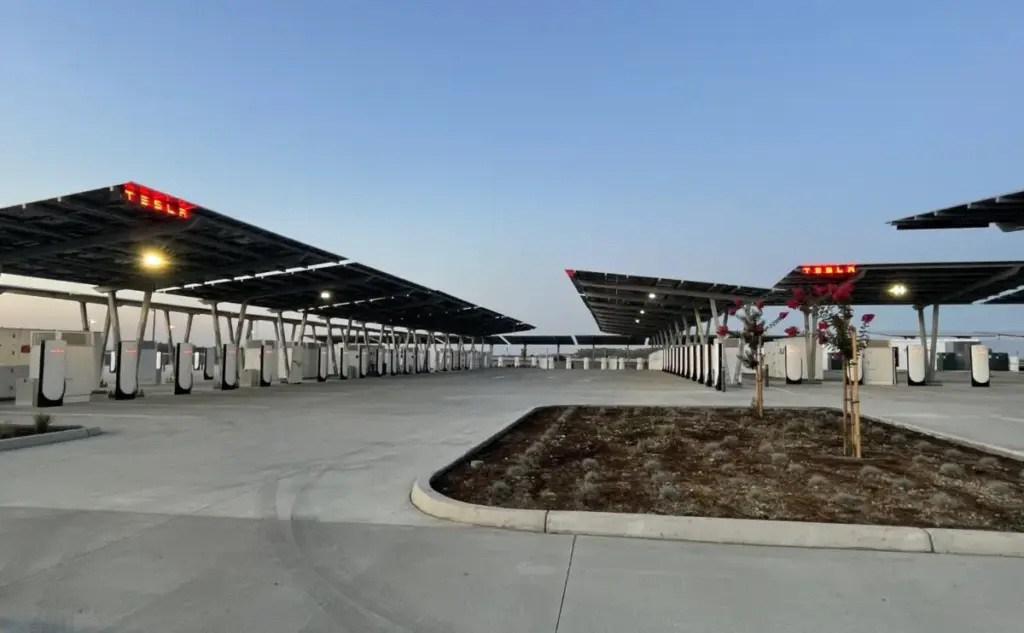
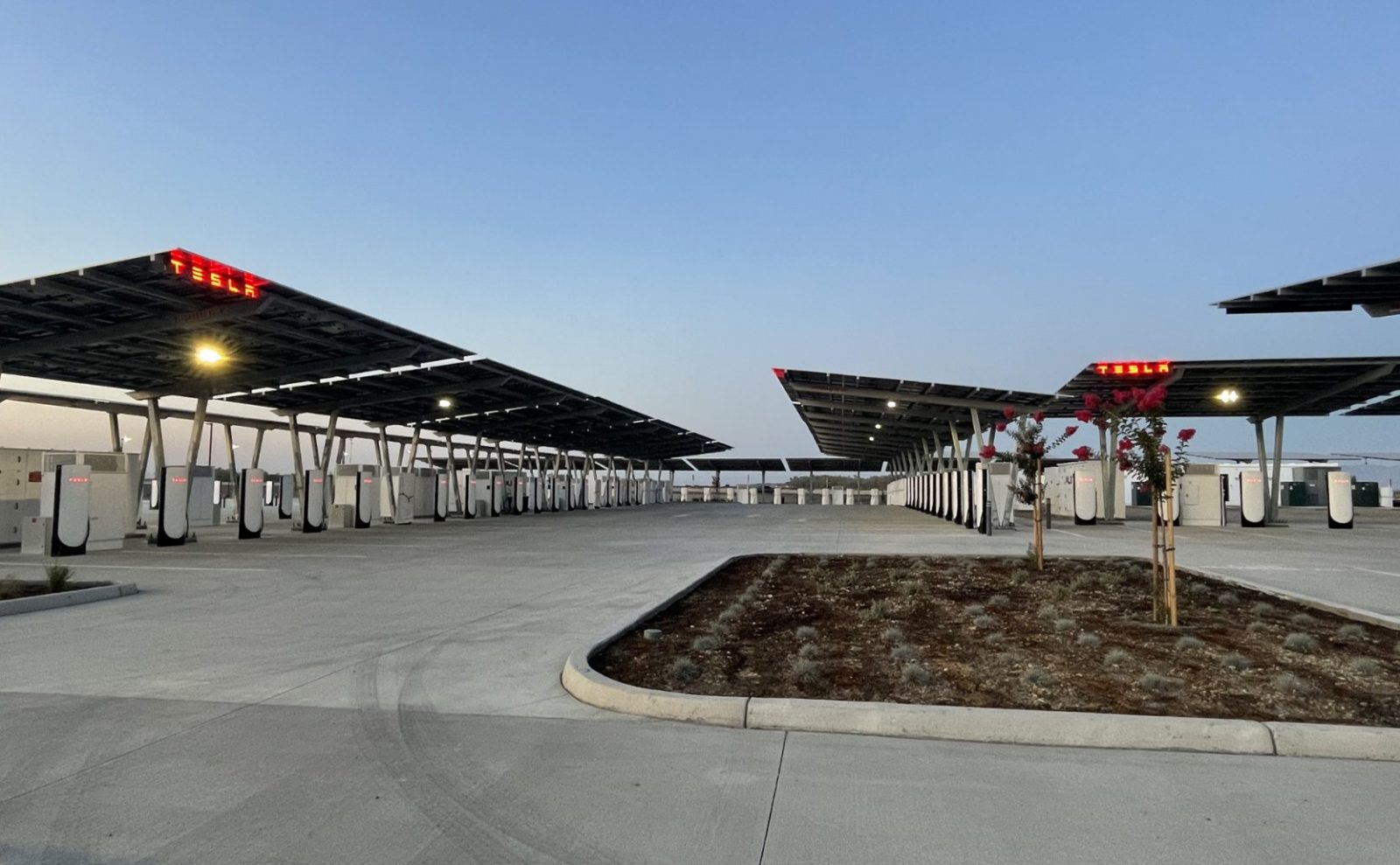
California is doubling down on its commitment to zero-emission mobility with a substantial new financial push to accelerate the deployment of public electric vehicle (EV) fast chargers. Through the latest iteration of the Fast Charge California Project, the state is making at least $28 million immediately available to businesses, nonprofits, public agencies, and eligible California tribes.
Uniquely structured to cover up to 100% of eligible installation costs—with per-port incentives reaching as high as $100,000—this program aims to drastically reduce the financial barriers that property owners traditionally face when integrating heavy-duty electrical infrastructure. Funded by the California Energy Commission (CEC) and managed by the Center for Sustainable Energy (CSE) via the statewide California Electric Vehicle Infrastructure Project (CALeVIP), this funding round prioritizes shovel-ready projects. By targeting sites that already possess finalized utility service designs and local permits, the state is bypassing typical bureaucratic delays to ensure that public capital transforms rapidly into operational charging hardware.
With applications opening today, October 7, and running through January 14, 2027, the initiative represents a critical milestone in California’s broader strategy to expand equitable access to reliable charging. It places a pronounced emphasis on supporting disadvantaged, low-income, and tribal communities, ensuring that the transition to electric mobility uplifts every corner of the state.
Detailed Chronology and Application Roadmap
The rollout of the Fast Charge California Project is governed by a strict timeline and a series of operational prerequisites designed to weed out speculative proposals and focus resources on immediate infrastructure deployment.
Key Dates and Deadlines
Application Window Opens: October 7 (Current Round)
Application Deadline: January 14, 2027
Prioritization Protocol: Eligible submissions are processed on a first-come, first-served basis, with explicit priority given to qualifying projects located within disadvantaged, low-income, and tribal communities.
Upcoming Application Window: A subsequent funding window is officially scheduled to run from February 24 through May 27, 2027, featuring maximum incentives of up to $55,000 per port.
Shovel-Ready Requirements
Unlike early-stage grants that provide seed money for initial feasibility studies, the Fast Charge California Project is explicitly restricted to projects that are ready to build. To qualify for funding under this round, applicants must already possess:
A finalized utility service design, or an official letter from the local utility confirming that no new or upgraded electrical service is required for the site.
All necessary local permits and municipal approvals in place.
By shifting the burden of pre-construction planning onto the developer prior to application, the program ensures that awarded funds are deployed without administrative bottlenecks.
Supporting Context and Metrics
To fully appreciate the scope of this $28 million injection, it is necessary to examine the broader operational framework of CALeVIP and the specific mechanics of the incentive structure.
Tiered Incentive Structure
The financial backing provided by the state is calculated based on the maximum power delivery output of each individual charging port. This ensures that funding scales with the capability of the hardware being installed, supporting the high-power infrastructure required by modern long-range EVs and commercial fleets:
Ports Delivering 150 kW to <275 kW: Eligible for incentives of up to $55,000 per port.
Ports Delivering 275 kW and Above: Eligible for incentives of up to $100,000 per port.
These funds can cover up to 100% of approved project costs, including the physical charging units, installation labor, engineering, and site planning. However, the per-port caps remain absolute; if a project exceeds the maximum incentive threshold due to unique site complexities, the developer must cover the remaining balance. Furthermore, to maintain compatibility with the vast majority of non-Tesla EVs on the road, at least 50% of the connectors installed at each funded site must utilize the Combined Charging System (CCS) standard.
Program Evolution and Historical Impact
This initiative does not exist in a vacuum; it builds directly upon a massive wave of state-backed infrastructure development. In the spring of 2026 alone, CALeVIP awarded $56.9 million to fund more than 1,266 ready-to-build DC fast-charging ports. Those projects spanned all 58 California counties, demonstrating a truly statewide reach. Impressively, over 67% of those previously funded chargers were earmarked for disadvantaged, low-income, and tribal communities.
Since its inception in 2017, CALeVIP has served as a cornerstone of California’s transportation electrification policy, supporting the installation of approximately 10,200 chargers statewide. This robust network is financed collectively through the California Energy Commission’s Clean Transportation Program and the state’s Greenhouse Gas Reduction Fund, utilizing cap-and-trade auction proceeds to directly combat vehicular emissions.
Evolving Eligibility Criteria
Property owners and developers must carefully verify site eligibility before submitting an application. Program updates for this specific round dictate that certain traditional commercial locations—such as general business districts, standard hotels, and standalone charging hubs—are no longer eligible site types. Applicants are strongly encouraged to utilize CALeVIP’s interactive EV Charging Opportunity Finder, an analytical tool that maps existing charging infrastructure, local EV registration densities, and socioeconomic data to help stakeholders identify optimal, high-need locations.
Official Statements and Industry Perspective
State officials and program administrators emphasize that speed and efficiency are the primary design principles behind the latest funding round. The lessons learned from nearly a decade of managing CALeVIP have forced a fundamental shift in how public money is distributed.
"We’ve learned through CALeVIP that the fastest way to get chargers in the ground is to fund projects that are truly ready to build," noted Scott Shepard, Senior Director of Transportation Programs at the Center for Sustainable Energy.
Shepard added, "When permitting and utility coordination are already underway, incentive dollars can turn into working chargers much faster, directly alleviating range anxiety for drivers and providing reliable revenue streams for property owners."
Industry analysts point out that by offering to cover up to 100% of installation costs up to the per-port cap, California is effectively de-risking commercial investments in green energy infrastructure. For small businesses, community organizations, and tribal nations that have historically been priced out of heavy electrical upgrades, this level of public backing is transformative. It allows local entities to participate in the clean energy economy without risking their core operating capital.
Future Outlook: The Road to 2030 and Beyond
As California marches toward its ambitious climate goals—including the mandate that all new passenger vehicle sales be zero-emission by 2035—the demand for robust, ultra-fast public charging infrastructure has never been more urgent.
The integration of high-power charging architectures (such as upcoming 750 kW systems slated for commercial rollout in the coming years) means that the grid must evolve concurrently. Programs like the Fast Charge California Project act as a bridge, ensuring that private property owners are incentivized to install forward-looking hardware that will not become technologically obsolete within a decade.
Moreover, by front-loading support for low-income and tribal areas, the state is proactively addressing the "charging desert" phenomenon, where lower-income neighborhoods are often bypassed by private charging networks due to perceived lower immediate return on investment. By utilizing public funds to bridge this commercial gap, California is establishing a blueprint for equitable green infrastructure development that other states are increasingly beginning to emulate.
Property owners, corporate stakeholders, and tribal representatives wishing to review the comprehensive rulebook, verify site eligibility, or submit an application before the January 14, 2027 deadline are encouraged to visit the official CALeVIP Fast Charge California Project portal.