

Executive Overview
In a stark warning that underscores the deepening crisis facing British marine ecosystems, the International Council for the Exploration of the Sea (ICES) has issued a recommendation for zero fishing of Northern Shelf cod in 2027. This marks the second consecutive year that independent scientists have called for a complete cessation of catch for what was historically one of the most prolific and economically valuable cod populations in UK waters.
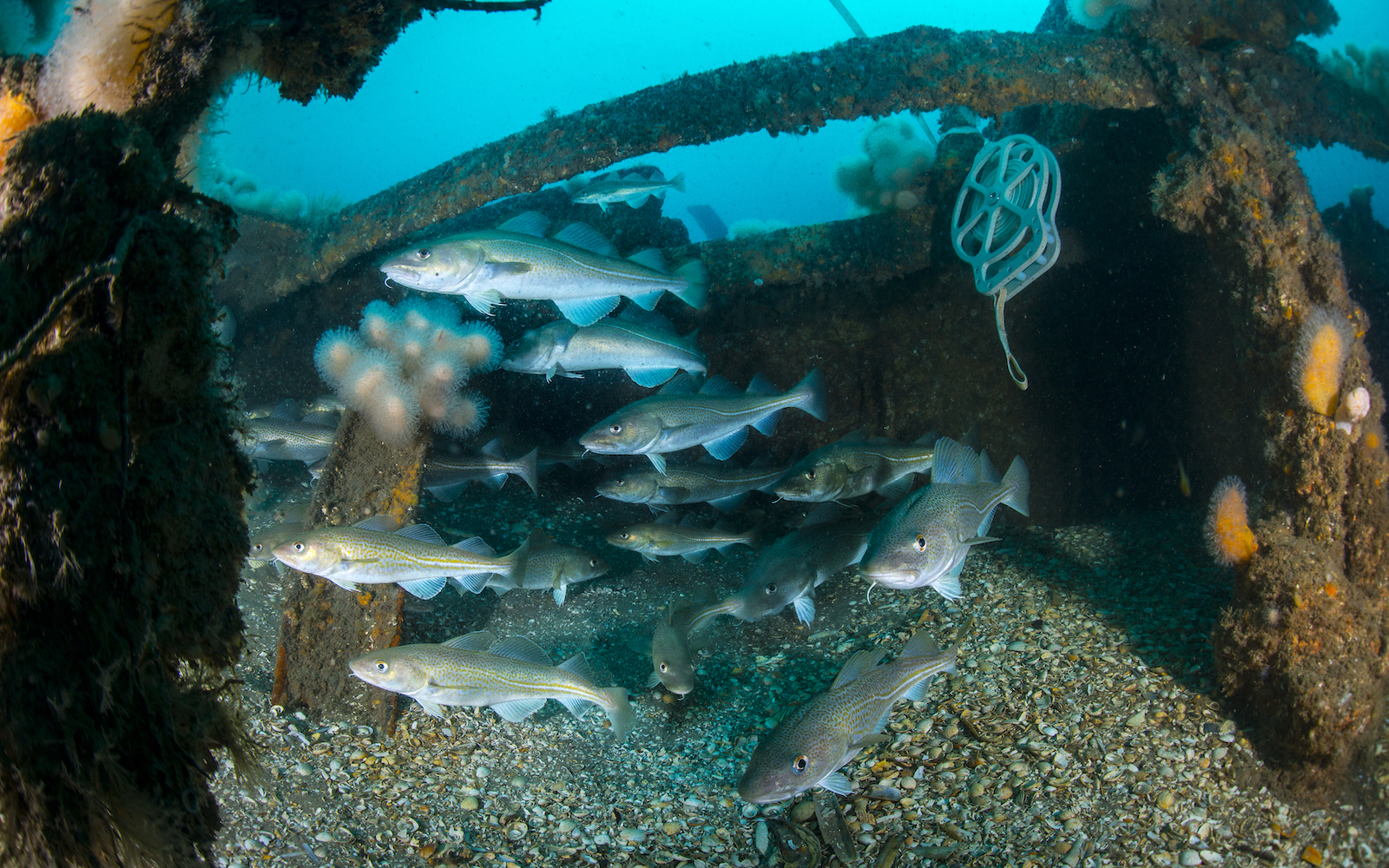
The Northern Shelf cod stock—which inhabits a vast and ecologically vital expanse stretching across the North Sea, west of Scotland, the eastern English Channel, and the Skagerrak—remains in such a precarious, depleted state that experts conclude any level of targeted fishing will actively jeopardize its long-term recovery. This latest advisory follows last year’s unprecedented call for a total fishery closure after comprehensive biological assessments revealed a severe structural collapse of the stock. Despite those urgent warnings, however, commercial fishing has continued unabated under politically determined quotas.
The implications of this scientific guidance extend far beyond marine biology. With this announcement, three out of the UK’s four primary cod stocks are now subject to official zero-catch recommendations. In the realm of fisheries science, a zero-catch advice is reserved exclusively for fish populations teetering on the brink of ecological failure. The fact that three-quarters of the UK’s monitored cod stocks now fall into this catastrophic category lays bare systemic failures in domestic fisheries management, decades of overfishing, and a persistent political disconnect from ecological reality.
As the cultural and economic repercussions ripple outward—manifesting as soaring prices, dwindling supplies, and existential pressures on iconic British institutions like the traditional fish and chip shop—conservationists and marine policy experts are demanding an immediate reckoning. The choice facing policymakers, they argue, is no longer merely about managing a commercial commodity; it is a fundamental test of national food security, climate resilience, and the stewardship of Britain’s natural heritage.
Detailed Chronology: The Slow-Motion Collapse of a Fishery
The collapse of Northern Shelf cod is not an overnight catastrophe caused by a single rogue season, but rather the cumulative result of decades of systemic mismanagement, policy delays, and political expediency. To understand the gravity of the 2027 zero-catch recommendation, it is necessary to trace the trajectory of the stock over the past decade.
2016–2020: The Descent Below Critical Limits
A decade ago, while already showing signs of structural strain from historic overexploitation, the Northern Shelf cod stock sustained a fragile commercial fishery. However, independent assessments conducted by ICES throughout the late 2010s began to sound alarm bells. The stock was divided into three distinct sub-populations—the Southern, Northwestern, and Viking cod—each exhibiting localized vulnerabilities.
By the mid-2010s, recruitment rates (the number of young fish surviving to enter the adult population) began a precipitous decline. Despite scientific models predicting a high risk of stock failure if fishing pressure remained constant, catch limits continued to be negotiated based on short-term economic interests rather than long-term ecological sustainability.
2021–2024: Widening Gaps Between Science and Policy
Following the UK’s exit from the European Union and the establishment of independent coastal state negotiations, hopes were high among conservationists that British management authorities would champion sustainable, science-based quotas. Instead, the historical pattern persisted. Year after year, ICES advised precautionary reductions in Total Allowable Catches (TACs), only for fisheries administrators to set quotas significantly above those scientific ceilings.
As fishing pressure continued in the face of dwindling biomass, the reproductive capacity of the stock eroded. By 2024, the southern component of the Northern Shelf cod stock had breached safe biological limits, meaning it had fallen below the critical threshold required to guarantee enough young fish to sustain the population.
2025–2026: The Unprecedented Zero-Catch Watershed
The crisis reached a tipping point ahead of the 2026 fishing season. For the first time in modern fisheries management history for this region, ICES issued an explicit, uncompromised recommendation for a zero catch across the Northern Shelf. Marine scientists stated unequivocally that the stock had suffered a structural collapse and could no longer support even a minimal bycatch or targeted fishery without risking total extinction of local sub-stocks.
Yet, despite this unprecedented warning, political decisions yielded a radically different outcome. Data compiled for the 2026 management cycle revealed that an astonishing 58% of UK fishing opportunities were set above scientific recommendations. This political override effectively reversed years of painstaking, incremental progress toward sustainable fisheries management, ensuring that the downward spiral of the cod population would continue unchecked.
2027: The Second Consecutive Red Alert
Now, with the release of the 2027 advice, ICES has doubled down on its emergency stance. Recommending zero catch for a second consecutive year confirms that the stock has shown zero meaningful signs of recovery—largely because it has not been given the breathing room to do so. The persistence of fishing activity on a collapsed stock threatens to push vulnerable sub-populations past the point of no return, transforming a temporary biological downturn into permanent ecological devastation.
Supporting Context & Metrics: The Anatomy of a Marine Crisis
Numbers tell the starkest story of the Northern Shelf cod’s decline. According to comprehensive ICES assessments, the geographic and biological components of the cod stock have suffered catastrophic reductions over the past decade:
- Southern Cod Population: Plummeted by a staggering 52% since 2016. This sub-population has fallen so far below critical biological limits that marine biologists fear it has permanently lost the reproductive density required to rebound naturally.
- Northwestern Cod Population: Down by 53% over the same ten-year window, reflecting systemic environmental and anthropogenic pressures across its habitat range.
- Viking Cod Population: Dropped by 37% since 2016, proving that even the more northerly, traditionally resilient waters are failing to shield the species from the broader collapse.
Compounding this ecological emergency is the status of the wider UK fishing portfolio. Out of the four primary cod stocks managed or fished by the UK, three now receive official zero-catch advice from scientists. In fisheries science, zero-catch advice is never issued lightly; it is the ultimate red flag, deployed only when a stock is in an exceptionally poor and vulnerable state. The clustering of three distinct cod stocks into this emergency category exposes systemic, systemic mismanagement across British waters.
The root cause of this ongoing deterioration is structural. Despite statutory commitments to fish sustainably and adhere to maximum sustainable yield (MSY) principles, governance structures have routinely prioritized short-term commercial viability over long-term ecological health. When 58% of fishing opportunities in a given year are deliberately set above scientific advice, the management framework effectively neutralizes the purpose of independent marine science.
Furthermore, the interconnected nature of mixed-species fisheries exacerbates the danger. Because Northern Shelf cod—comprising the Southern, Northwestern, and Viking groupings—mix in shared waters and are frequently caught concurrently during operations targeting other species, continued fishing for healthy stocks creates an unavoidable, high-mortality byproduct trap for cod. ICES has repeatedly warned that this mixed-fishery dynamic makes selective fishing nearly impossible under current catch regimes, rendering any authorized fishing an unacceptable gamble with the cod’s future.
Official Statements and Industry Perspectives
The ongoing refusal of administrative bodies to align catch limits with scientific consensus has drawn fierce criticism from marine conservation organizations and policy leaders.
Jonny Hughes, Fisheries Policy Lead at the Blue Marine Foundation, offered a scathing critique of the political inertia surrounding the crisis:
"A second consecutive year of zero-catch advice should be a wake-up call. Northern Shelf cod did not collapse overnight. It is the result of years of political decisions that repeatedly allowed catches to exceed scientific recommendations."
Hughes emphasized that the path forward is a matter of deliberate choice rather than inevitable decline:
"The choice facing governments is simple: continue with business as usual or prioritize recovering this iconic species. The future of our seas and our fishing communities depend on getting this right."
Highlighting the absurdity of sidelining world-class research, Hughes added:
"It is remarkable that we have access to some of the best fisheries science in the world, science that tells us exactly how to fish sustainably while securing the greatest long-term benefits for fishing communities, food security, and the economy, yet we continue to disregard it."
Finally, Hughes tied the fisheries crisis directly to the broader existential challenges of our era, noting the intrinsic link between marine health and national security:
"At a time when the Government rightly recognizes that the climate crisis is already affecting our lives, it must also recognize that resilience to these challenges depends on a healthy and resilient ocean. Healthy fish populations are a fundamental part of that."
Future Outlook: Economic Ripples, Food Security, and Marine Resilience
The collapse of the Northern Shelf cod stock is far more than an environmental tragedy for marine conservationists; it is an economic and cultural wound being felt in communities thousands of miles inland.
The High Cost of the British Fish and Chip Shop
For generations, the Friday night fish and chip supper has been a pillar of British culinary culture, anchored by the accessibility of cod. Today, that tradition is under severe threat. With domestic cod stocks decimated and quotas slashed to zero, fish and chip shops across the UK are grappling with skyrocketing wholesale fish prices, volatile supply chains, and shrinking profit margins.
To stay afloat, businesses are increasingly forced to rely on imported fish sourced from distant waters, stripping the iconic meal of its domestic heritage. The average price of takeaway fish and chips has surged dramatically in recent years, pricing ordinary families out of what was once an affordable, locally harvested meal. Paradoxically, an island nation surrounded by some of the most productive seas in the world now finds itself heavily dependent on foreign imports to sustain its national dish.
The Broader Economic and Food Security Fall-Out
The economic fallout demonstrates a fundamental truth of environmental economics: failing to manage natural resources sustainably hurts everyone in the long run. When fish populations are overexploited to exhaustion, the entire value chain collapses. Commercial fishers face declining catches and eventual business insolvency; seafood processors and hospitality businesses face crippling operating costs; and consumers face fewer, more expensive choices at the counter. Healthy fish populations, by contrast, are the bedrock of stable jobs, robust food security, and vibrant, self-sustaining coastal communities.
Ocean Resilience as National Security
As the Department for Environment, Food and Rural Affairs (Defra) and international bodies have increasingly acknowledged, nature security and climate security are inextricably linked to national security. A thriving, biodiverse ocean acts as a vital carbon sink and buffers coastal communities against the worst impacts of climate change. However, marine ecosystems stripped of their apex predators and key commercial species lose their ecological resilience, making them far more vulnerable to warming waters, acidification, and ecosystem shifts.
Reversing this trajectory will require immense political courage. It demands an absolute commitment to honoring independent scientific advice, transitioning away from destructive mixed-fishery practices, and enforcing strict, precautionary catch limits that give depleted stocks the time they need to rebuild.
Until governments bridge the gap between scientific warning and political action, iconic species like the Northern Shelf cod will remain on the precipice of extinction—and the cultural, economic, and ecological cost of inaction will continue to mount for generations to come.



