

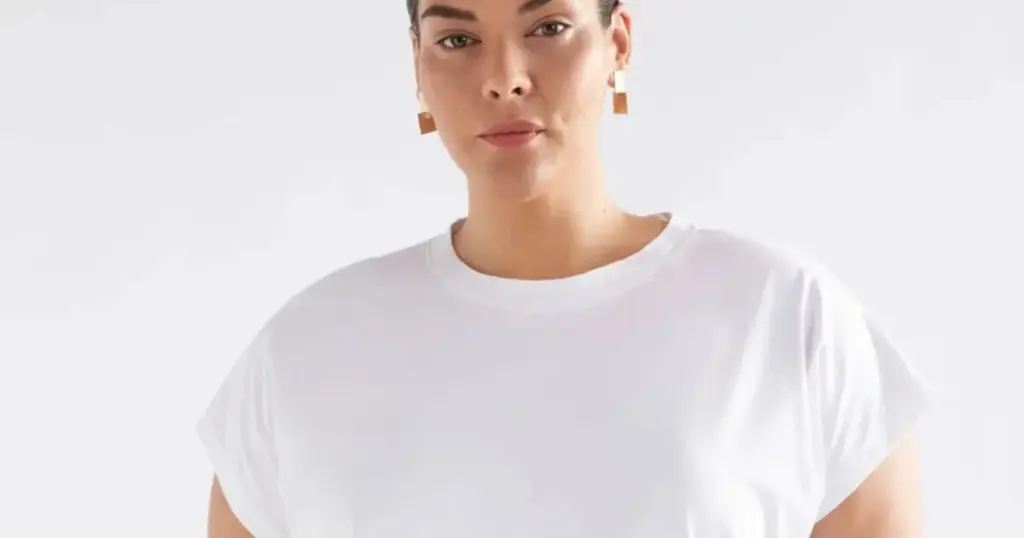
The humble t-shirt stands as the undeniable cornerstone of the modern wardrobe. Ubiquitous, layerable, and infinitely versatile, it bridges the gap between casual comfort and effortless style. Whether paired with classic denim, slipped under a tailored jumpsuit, or layered beneath a slip dress, a reliable tee is the ultimate foundation for both seasonal dressing and the curation of a minimalist capsule wardrobe.
Yet, as consumer awareness matures, the true cost of our wardrobe staples is increasingly brought into question. Most individuals pull on a t-shirt in the morning without a second thought regarding its origins, but conscious fashion demands deeper interrogation. Who made this garment? Were they paid a living wage, working in safe conditions, and treated with dignity? Is the fabric sourced through lower-impact methods that protect ecosystems rather than degrading them?
To help navigate these complex ethical landscapes, our editorial team has curated a comprehensive global index of sustainable t-shirt brands. Every featured label has been evaluated through our rigorous rating system, meeting the criteria to be classified as "Good" or "Great" overall based on their impact on people, the planet, and animals. Because the market for ethical alternatives is expanding rapidly across continents, this guide organizes top-tier brands by region—spanning North America, Europe, Australia, New Zealand, and Asia—providing conscious consumers with actionable pathways to overhaul their everyday basics.
Detailed Chronology: The Evolution of the Ethical T-Shirt Movement
The transition of the t-shirt from an undergarment into a canvas for ethical fashion did not happen overnight. Understanding how the market arrived at its current state of conscious manufacturing requires looking back at the milestones that reshaped the industry.
Phase One: The Fast Fashion Boom and Hidden Costs (Early 2000s)
At the turn of the century, the global apparel industry accelerated into hyper-drive. Driven by fast fashion conglomerates, t-shirts became disposable commodities frequently priced below the cost of a cup of coffee. This race to the bottom relied on conventionally grown cotton—a heavily pesticide-reliant crop—and opaque global supply chains where labor exploitation ran rampant. Environmental degradation, high carbon footprints, and systemic wage theft went largely unchecked as consumer demand for ultra-cheap basics skyrocketed.
Phase Two: Awakening and Accountability (2010–2015)
As awareness grew regarding the ecological and human toll of mass-market apparel, independent designers began pioneering alternative production models. Brands emerged with commitments to transparency, local manufacturing, and organic fibers. During this period, organizations like the Global Organic Textile Standard (GOTS) gained prominence, establishing verifiable benchmarks for organic fibers and socially responsible processing. Concurrently, independent rating platforms began demanding accountability, empowering shoppers to research the ethics behind their clothes.
Phase Three: The Circular and Regenerative Era (2015–Present)
Today, sustainable apparel has moved beyond simple organic cotton substitutes into circularity and regenerative agriculture. Modern ethical brands are implementing zero-waste cutting techniques, utilizing renewable energy in supply chains, and sourcing fiber from soil-restoring regenerative farms. Furthermore, innovative platforms now allow for complete custom sizing—such as made-to-order models that eliminate overproduction. The t-shirt is no longer merely a basic; it is a vanguard for systemic change in the fashion industry.
Supporting Context & Metrics: Decoding the Impact of a Simple Tee
When evaluating the sustainability of a t-shirt, several critical factors must be analyzed: material sourcing, labor conditions, carbon footprint, and production scale.
1. The Material Matrix
- Organic Cotton: Conventional cotton is one of the most chemically dependent crops in the world. GOTS-certified organic cotton eliminates synthetic pesticides and fertilizers, significantly reducing water contamination and protecting farmworker health.
- Hemp: An environmental powerhouse, hemp requires minimal water, restores soil health, and produces durable fibers that soften gracefully over time.
- TENCEL™ Lyocell: Sourced from sustainably managed wood pulp, Lyocell is produced in a closed-loop system where solvents are recycled at a rate of over 99%.
2. Labor Rights and Living Wages
According to industry research, millions of garment workers globally are denied a living wage—the minimum income necessary to afford a decent standard of living for a worker and their family. Ethical t-shirt brands distinguish themselves by partnering with fair trade-certified factories, maintaining transparent supply chains, and ensuring that basic human rights, as outlined by the International Labour Organization (ILO), are strictly upheld.
3. Regional Spotlight: Global Brands Meeting the Standard
The USA & Canada
- ALTER X Company: Based in the United States, ALTER X crafts purposeful apparel, donating 20% of every purchase to a cause chosen by the consumer at checkout. Available in sizes XS-2XL.
- FM 669: Sourcing GOTS-certified cotton from a regenerative farming collective in Texas, FM 669 utilizes lower-impact dyes in limited production runs for its gender-neutral casualwear (Sizes XS-L).
- Toad&Co: Renowned for socially and environmentally conscious menswear and womenswear designed for outdoor adventures and daily life alike (Sizes XS-2XL).
- Neococo: A mission-driven enterprise dedicated to creating safe, dignified employment and community for women refugees through the traditional art of hand embroidery (Sizes XS-3XL).
- LA Relaxed: Operating under the motto "Simplicity, sustainability, style," this Los Angeles brand minimizes its climate impact through renewable energy use and lower-impact materials like organic cotton and TENCEL Lyocell (Sizes XS-XL).
Europe
- Colorful Standard: A Danish brand rejecting seasonal trends in favor of timeless, durable organic cotton essentials designed to combat over-consumption (Sizes XS-2XL).
- ASKET: Founded in Sweden, ASKET bypasses seasonal collections entirely, focusing instead on a single permanent collection built on revolutionary sizing and direct-to-consumer fair pricing (Sizes 2XS-2XL).
- CAES: A Dutch minimalist brand creating timeless clothing from innovative, lower-impact materials such as Desserto cactus leather, recycled cotton, and Tencel Lyocell.
- NIKIN: A Swiss brand that links every purchase directly to reforestation efforts, allowing consumers to wear their environmental values with pride (Sizes XS-2XL).
- THTC: A UK leader in organic hemp streetwear, supplying durable t-shirts, hoodies, and custom ranges for charities and NGOs.
- WAWWA: A UK-based label prioritizing Earth and people through organic, fair trade, vegan-friendly apparel, utilizing recycled materials and re-using offcuts to eliminate textile waste (Sizes XS-2XL).
Australia & New Zealand
- Citizen Wolf: Utilizing innovative technology in Sydney, this brand handmakes custom-fit t-shirts using certified low-impact fabrics like organic cotton, hemp, and Melbourne-milled Merino wool.
- Elk: Founded in Melbourne in 2004, Elk creates bi-annual collections blending simplicity, innovation, and sustainability (AU sizes 6-18).
- Etiko: An Australian pioneer in organic fair trade clothing and footwear, continually campaigning for human rights across exploited supply chains (Clothing: AU sizes 8-20).
- Kowtow: A New Zealand staple crafting elegant womenswear from Fairtrade organic cotton and non-toxic dyes (Sizes XS-L).
- STAPLE Co: An Australian label specializing exclusively in premium organic cotton essentials.
Asia
- The Summer House: Based in India, this brand partners with local artisans and NGOs to create flowing silhouettes and elegant prints using locally sourced, lower-impact fabrics (Sizes XS-XL).
- SeamsFriendly: Combining utility and customizability, SeamsFriendly offers made-to-measure tailoring for all body types using organic cotton and linen, minimizing waste through built-to-order manufacturing.
- No Nasties: A prominent Indian label producing stylish basics from Fairtrade organic cotton while actively cultivating the domestic ethical consumer market (Sizes 2XS-3XL).
Official Statements & Industry Perspectives
Industry leaders and advocates emphasize that the shift toward sustainable basics is no longer an optional niche—it is an operational necessity for the future of textiles.
"The t-shirt is the most democratic garment in human history," notes a leading sustainable fashion analyst. "When consumers demand that democracy be extended to the people who grow the cotton and sew the seams, the entire fashion ecosystem is forced to evolve. Transparency is no longer a luxury marketing tool; it is the baseline of integrity."
Advocacy groups focusing on fair labor practices highlight that brands investing in traceable supply chains experience higher consumer loyalty and lower overall environmental footprints. By slowing down production cycles and focusing on durability over disposability, brands help dismantle the culture of fast fashion waste.
Future Outlook: What Lies Ahead for Sustainable Basics
As regulatory pressures increase and consumer demand for radical transparency grows, the future of the ethical t-shirt market points toward several key developments:
- Mandatory Digital Product Passports (DPPs): Emerging regulations, particularly within Europe, will soon require apparel brands to provide verifiable data on the lifecycle, material origins, and recyclability of every garment sold.
- Mainstream Regenerative Agriculture: More brands are expected to transition past standard organic certification toward regenerative models that actively sequester carbon in the soil during cotton cultivation.
- Advanced Customization and Zero-Inventory Models: Brands utilizing made-to-order technology—exemplified by innovators in custom sizing—will likely expand, effectively reducing the staggering volume of unsold inventory that plagues traditional retail.
Ultimately, choosing a sustainable t-shirt is an intentional vote for a cleaner, fairer world. By supporting verified brands through conscious purchasing decisions, consumers wear their values and help drive lasting transformation across the global fashion landscape.



