Executive Overview
For over half a century, visual documentation has served as one of the most powerful weapons in the environmental movement’s arsenal. From exposing illegal toxic dumping to capturing the raw, devastating impacts of rising global temperatures, photographic evidence bridges the gap between abstract climate data and visceral human reality. In an era defined by intensifying climate volatility, bearing witness is more crucial than ever.
Over the past week, Greenpeace activists, researchers, and photographers have operated on multiple frontline battlegrounds across Europe. From the geopolitical flashpoints of the Black Sea to the scorching asphalt of Dutch transit hubs, and from the parched riverbanks of the German Rhineland to the suffocating, nutrient-choked fjords of Denmark, environmental defenders have captured the interconnected crises of fossil fuel dependency, industrial agriculture, and ecological mismanagement.
This dispatch highlights a curated selection of pivotal Greenpeace actions and environmental observations from around the globe. Each snapshot tells a distinct story of systemic failure, yet collectively, they construct an undeniable narrative: the planetary emergency is no longer a distant threat looming on the horizon—it is reshaping our landscapes, waters, and daily lives in real time.
Detailed Chronology: A Week of Global Activism and Environmental Impact
The past seven days have witnessed a coordinated surge in grassroots activism, scientific expedition work, and public awareness campaigns across Europe. The timeline of actions underscores the breadth and urgency of the environmental crisis.
1. The Black Sea: Targeting Russia’s "Shadow Fleet" (Bulgaria)
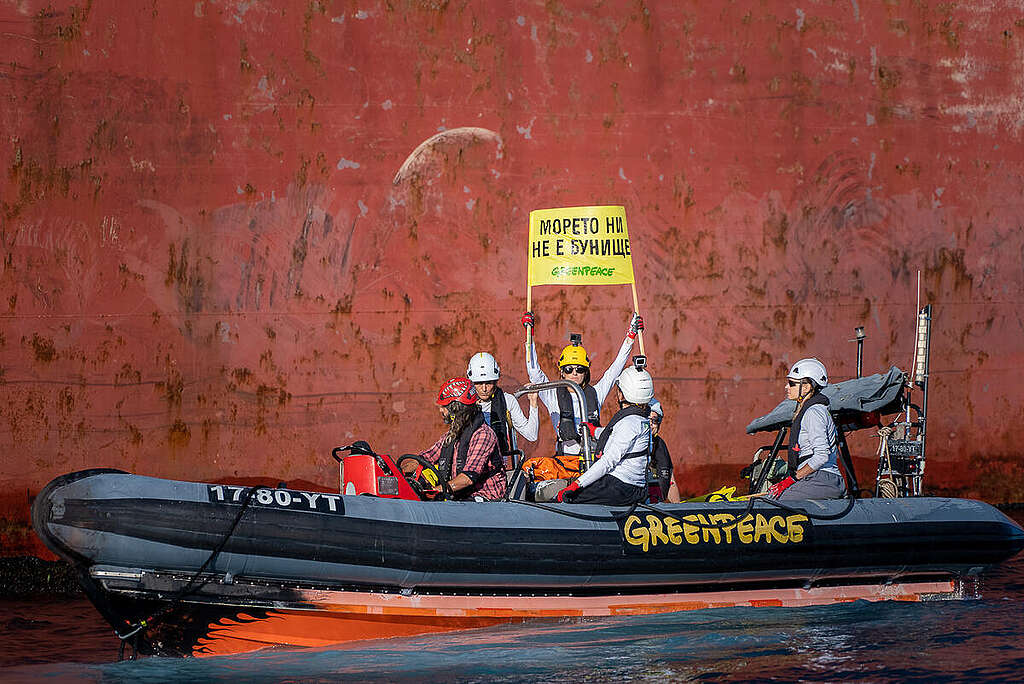
Kicking off the week’s high-impact direct actions, activists hailing from five distinct countries converged off the coast of Burgas, Bulgaria. Their target: the "Kairos," an abandoned tanker operating as part of Russia’s notorious clandestine "shadow fleet."
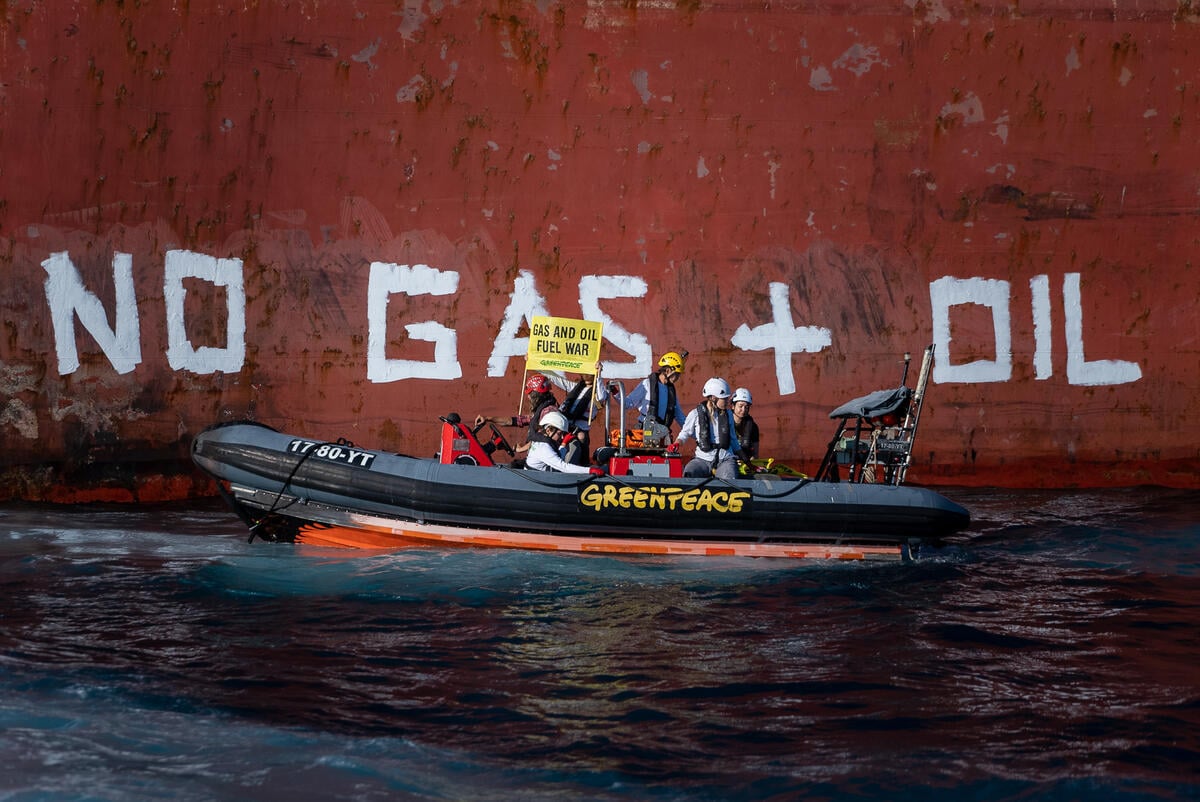
Navigating the volatile geopolitical and maritime waters of the Black Sea, the multinational team scaled the hull of the derelict vessel to paint a stark, unambiguous message in giant letters: "NO GAS + OIL."
The action was far more than a stunt against a single ship; it was a scathing indictment of the toxic global dependence on fossil fuels. Greenpeace underscored how the trade of shadow fleet oil directly funds aggressive military conflicts, props up corrupt governance structures, and poses a catastrophic, unmonitored ecological threat to delicate marine ecosystems and coastal communities. An oil spill or structural failure from an abandoned, poorly regulated shadow tanker in the Black Sea could spell irreversible disaster for regional biodiversity.
2. Brandenburg: Reimagining European Forests (Germany)
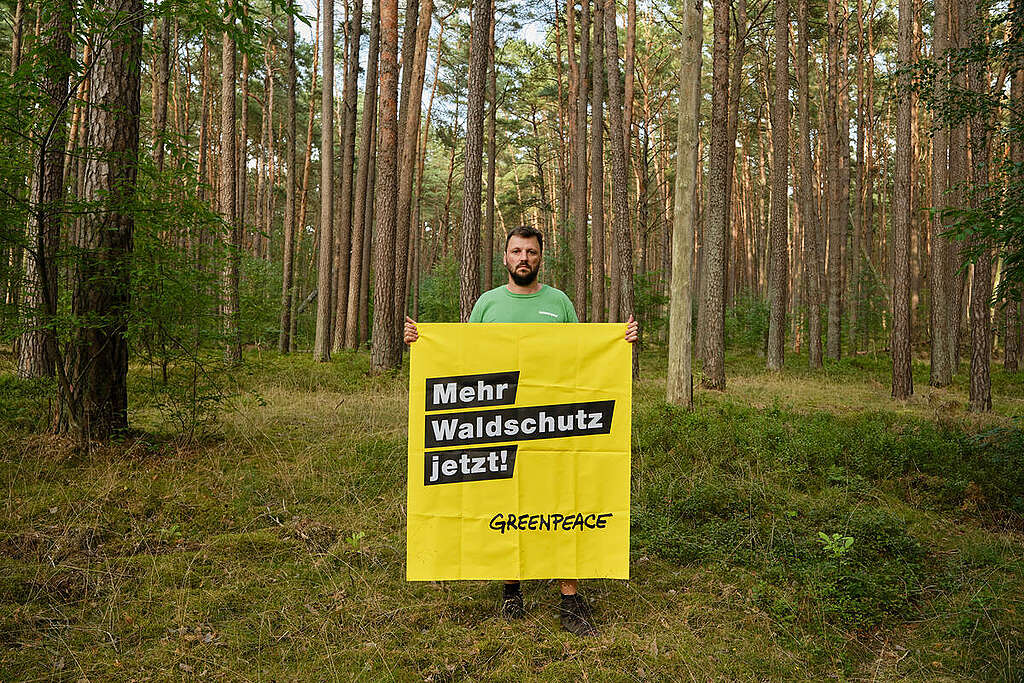
Shifting focus from aquatic threats to terrestrial ecosystems, Greenpeace researchers and forest advocates led an intensive field tour in Reiersdorf, Brandenburg.
During the site visit, experts zeroed in on an escalating climate hazard: the extreme wildfire risk perpetuated by decades of intensive pine monocultures. In contrast to vulnerable, uniform pine stands that act as tinderboxes during dry summer months, the Greenpeace delegation showcased the ecological resilience of structurally diverse mixed forests. By highlighting the vital role of deadwood in cooling forest floors, retaining critical soil moisture, and naturally suppressing the rapid spread of wildfires, the tour offered a tangible blueprint for ecological adaptation and forestry reform in Central Europe.
3. The Netherlands: Renaming Terminals to Heat Waves (Netherlands)
As extreme summer heatwaves continued to grip Western Europe, Greenpeace Netherlands executed a brilliant, guerrilla-style public awareness campaign that literally brought climate reality to the daily commute.

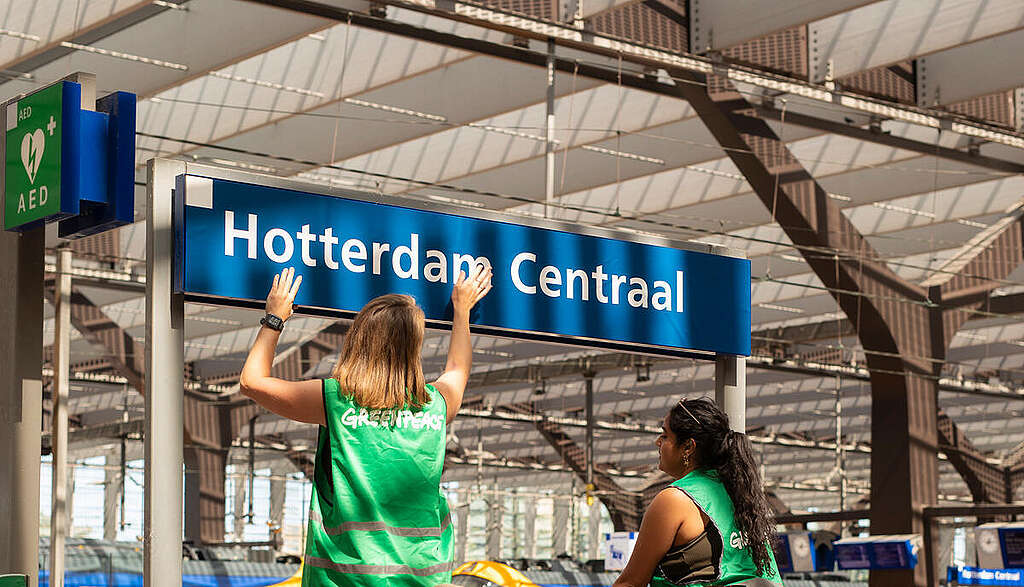
Following yet another record-breaking tropical day with temperatures soaring well above 30°C, activists modified the prominent signage of several major railway hubs across the country. Commuters arriving at transit stations were greeted by newly minted, satirical monikers reflecting the searing new normal:
- Rotterdam Centraal became "Hotterdam Centraal"
- Amsterdam Centraal became "Amsterwarm Centraal"
- Hilversum Media Park became "Grillversum Media Park"
- ’s-Hertogenbosch became "Smelthogenbosch"
This sharp, culturally resonant intervention aimed to dismantle the illusion that these unprecedented heatwaves are harmless anomalies. By forcing the public to confront the literal heat of the fossil-fueled climate crisis during their morning commutes, the campaign rallied citizens ahead of the major Climate March in Amsterdam, demanding immediate legislative action to phase out fossil energy.
4. Vejle Fjord: Exposing the Oxygen Depletion Crisis (Denmark)
While urban centers sweltered, Greenpeace Nordic launched an intensive marine expedition into Danish coastal waters, lakes, and fjords—including the heavily impacted Vejle Fjord.
The mission brought a literal "red flag" to the surface regarding a silent, suffocating catastrophe: widespread oxygen depletion (hypoxia). Decades of relentless pollution driven by industrial pig farming have flooded Danish waterways with excess nitrogen and phosphorus, primarily originating from massive volumes of animal manure spread across agricultural fields. As nutrient runoff triggers explosive algal blooms that subsequently die and decompose, oxygen is systematically stripped from the water column, turning once-vibrant aquatic ecosystems into marine dead zones. Greenpeace’s expedition utilized advanced testing equipment to measure, document, and publicize the exact extent of this man-made ecological collapse.
5. Cologne: The Shrinking Rhine (Germany)
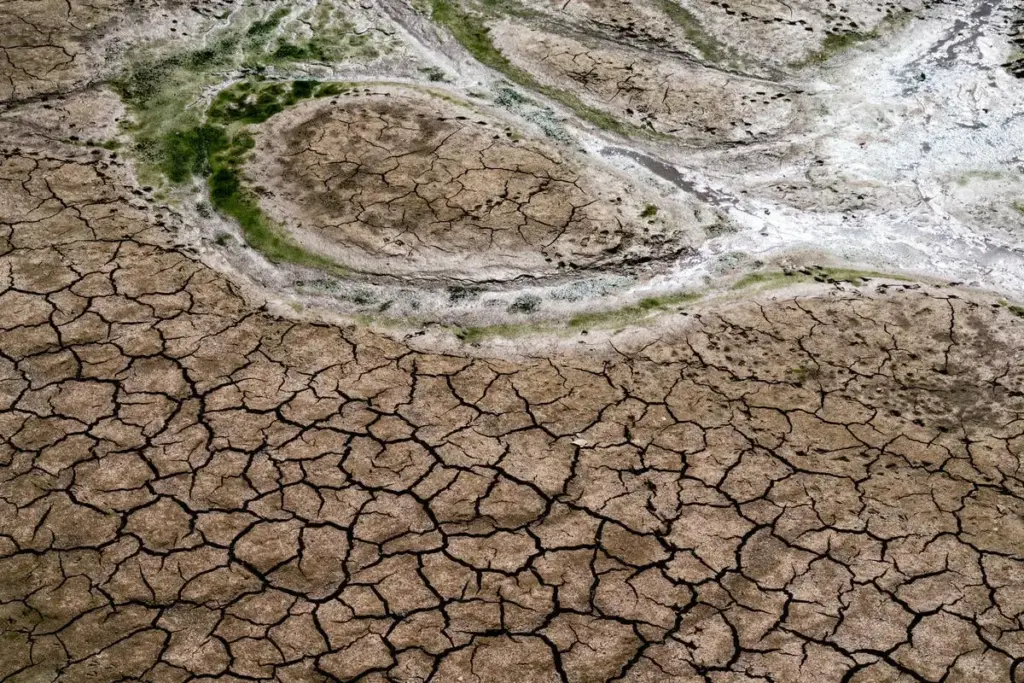
Rounding out the week’s documentation, startling photographs emerged from the banks of the Rhine River in Cologne, Germany.
Prolonged drought conditions and erratic precipitation patterns have driven the water levels of one of Europe’s most vital commercial and ecological arteries to alarming lows. The exposed riverbeds and shrunken channels serve as a stark visual metaphor for the economic and environmental vulnerability facing the continent as climate change accelerates hydrological disruption.
Supporting Context & Metrics: The Anatomy of Modern Ecocide
To fully grasp the significance of Greenpeace’s weekly photographic log, one must examine the broader structural and statistical realities underpinning each action.
The Fossil Fuel and Shadow Fleet Nexus
The intervention against the "Kairos" in Bulgarian waters highlights a murky underside of international trade. Since the implementation of sweeping Western sanctions on Russian energy exports, a massive "shadow fleet" of aging, poorly insured, and functionally anonymous tankers has proliferated across global shipping lanes. These vessels frequently disable their transponders, operating in regulatory grey zones. According to maritime safety experts, the environmental risk posed by these floating hazards is staggering. A single catastrophic collision or hull failure in enclosed bodies of water like the Black Sea could devastate multi-billion-dollar fishing and tourism industries while wiping out unique endemic marine life.
Industrial Agriculture and Nutrient Overload
In Denmark and broader Northern Europe, the battle lines are drawn not just on coastlines, but in agricultural policy. Industrial animal agriculture—specifically intensive pig farming—remains one of the primary drivers of greenhouse gas emissions and aquatic nitrogen pollution in the European Union.
- The Nitrogen Cycle: Excess manure applied to agricultural soils eventually leaches into groundwater networks, streams, and coastal fjords.
- Hypoxia Metrics: When nitrogen concentrations spike, phytoplankton populations explode. The subsequent microbial decomposition of these algae consumes dissolved oxygen at rates that fish and benthic organisms cannot survive. Entire ecosystems in the Baltic and North Sea peripheries are currently gasping for air.
The European Heat and Drought Feedback Loop
The transformation of Dutch train stations into thermal puns speaks to a terrifying climatological trend: Europe is warming at twice the global average rate.
- Urban Heat Islands: Cities like Amsterdam and Rotterdam trap heat efficiently due to asphalt and concrete density, creating dangerous urban heat island effects that disproportionately impact elderly and vulnerable populations.
- The Rhine Artery: The Rhine River is not only a crucial habitat; it is an economic lifeline for European freight transport, manufacturing cooling, and chemical processing. Low water levels severely restrict cargo loads, forcing companies to split shipments, inflating supply chain costs, and signaling systemic stress on Central Europe’s water security.
Official Statements and Perspectives
Environmental leaders, field researchers, and organizational spokespeople have emphasized the urgent need to transition from passive observation to aggressive systemic intervention.
"We are no longer warning about a future climate crisis; we are cataloging its daily arrival. Whether it is the ticking time bomb of a sanction-busting shadow tanker in the Black Sea, the suffocating depths of our manure-choked fjords, or the scorched tracks of our railway systems, the message is identical: our current socio-economic model is incompatible with a livable planet."
— Greenpeace International Campaign Coordinator
Reflecting on the forestry initiative in Brandenburg, local ecological experts stressed the dangerous inertia of traditional land management:
"Planting endless rows of vulnerable pine monocultures was a grave mistake of the past. As temperatures rise and dry spells lengthen, these forests are effectively designed to burn. We must aggressively transition toward diverse, multi-species mixed forests that possess the natural structural integrity to retain moisture, buffer extreme heat, and resist catastrophic wildfires."
— Verena Brüning, Greenpeace Field Researcher
Regarding the political implications of the Dutch station-renaming campaign, organizers reiterated the demand for accountability:
"When commuters are sweating through tropical days in September, and politicians continue to subsidize fossil fuel giants, creative disruption is our duty. Renaming our stations to ‘Hotterdam’ or ‘Amsterwarm’ is playful, but the underlying demand is deadly serious: phase out fossil fuels now, or prepare for an uninhabitable future."
— Greenpeace Netherlands Spokesperson
Future Outlook: The Road Ahead
As the summer season transitions into the autumn political calendar, the momentum generated by these disparate actions is converging toward high-stakes mobilization.
The immediate horizon is anchored by major public mobilizations, such as the upcoming Climate March in Amsterdam on September 12. There, thousands of citizens, emboldened by the summer’s stark heatwaves and grassroots campaigns, will demand that national governments and European Union regulators enact binding legislation to accelerate the phase-out of fossil energy subsidies.
Concurrently, Greenpeace’s marine expeditions in Scandinavia and investigative monitoring of illegal maritime transport in Eastern Europe will continue unabated. Armed with high-resolution imagery, empirical water-quality data, and unyielding public pressure, the organization remains steadfast in its 50-year mission: to bear witness, expose environmental injustice, and compel those in power to protect the fragile systems that sustain all life on Earth.