

Executive Overview
The global ocean—the life-support system of our planet—is undergoing an unprecedented environmental transition. For generations, humanity has operated under the dangerous assumption that the marine realm is an infinite resource: a bottomless harvest ground for endless sustenance and a convenient, out-of-sight dumping site for industrial and domestic waste. Today, that assumption has pushed marine ecosystems to their absolute limits.
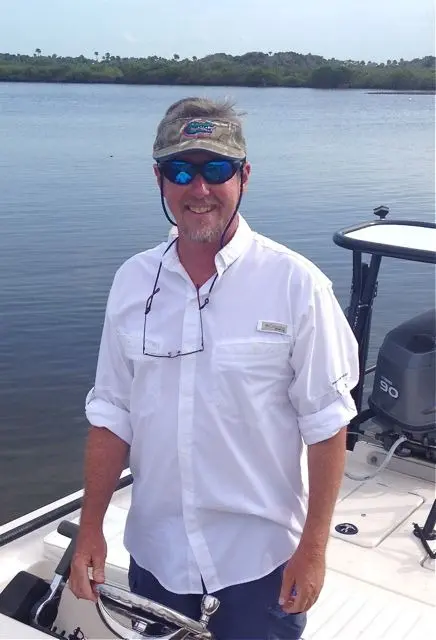
Through the evocative reflections of lifelong naturalist and conservation advocate Bob Wallace, this article examines the stark contrast between the vibrant, resilient marine ecosystems of the mid-20th century and the degraded, overexploited waters of the modern era. Growing up on the east coast of Florida during an era when coastal habitats still thrived, Wallace bore witness to a golden age of marine abundance—lush seagrass meadows, crystal-clear lagoons, and thriving coral reefs teeming with life. Over the decades, however, that vibrant baseline has eroded dramatically.
From the plastic-choked waters of Indonesia and the algae-smothered reefs of the Grenadines to the depleted offshore fisheries of the Atlantic and the Caribbean, the symptoms of ecological collapse are visible across every latitude. Yet, this narrative is not defined solely by despair. Marine ecosystems possess a phenomenal, built-in capacity for biological recovery. Historical interventions—such as gill-net restrictions in Florida and international moratoria on commercial whaling—prove conclusively that when human pressure is lifted and natural habitats are granted sanctuary, marine species rebound with astonishing speed.
To capitalize on this resilience, organizations like Dr. Sylvia Earle’s Mission Blue are pioneering science-driven solutions through the establishment of "Hope Spots"—critically important marine areas designated for formal protection. However, turning the tide requires more than legal boundaries; it demands a fundamental shift in public consciousness. In an increasingly urbanized world disconnected from the natural environment, cultivating widespread awareness, active education, and grassroots engagement remains our most powerful defense against ecological devastation.
Detailed Chronology: A Lifetime Witnessing the Changing Sea
To understand the magnitude of contemporary marine degradation, one must first comprehend the baseline of what has been lost. For Bob Wallace, the ocean has been a lifelong companion, a classroom, and a sanctuary since early childhood.
The Mid-20th-Century Baseline: Florida’s Golden Coastal Era
During the formative decades of the mid-20th century, Wallace’s experiences at a family summer house on Florida’s east coast offered an intimate, unfiltered view of a healthy marine biome. Days were defined by coastal exploration: fishing alongside his father, swimming through the surf, walking pristine shorelines to collect seashells, and hand-catching crabs for evening meals. The rhythms of nature were immediate and observable. Sea turtles crawled ashore to dig their nests, and the subsequent hatching of their young served as a seasonal reminder of life’s continuity.
Even minor micro-habitats were bursting with biodiversity. Buckets scooped from the ocean surface and filled with floating Sargassum seaweed revealed microscopic worlds—dense communities of tiny juvenile fish, crabs, and specialized marine organisms that utilized the golden macroalgae as a floating nursery.
This early exposure was further enriched by familial proximity to leading marine science. Wallace’s father shared a close friendship with the head of marine biology at the University of Florida, granting the young naturalist rare access to the pioneers of aquatic research. Later, as a zoology student at the same institution, Wallace had the privilege of working alongside legendary marine biologist Dr. Archie Carr, a foundational figure in sea turtle conservation. Immersed in this scientific milieu, the ocean was not merely a recreational backdrop; it was an intricate, living laboratory.
The Great Unraveling: Decades of Environmental Degradation
Over the span of a single human lifetime, however, that vibrant tapestry began to fray. The transformation of Florida’s coastal ecosystems mirrors the global trajectory of industrialization and unchecked coastal development.
Wallace vividly recalls the staghorn coral (Acropora cervicornis) that once dominated the reefs of the Florida Keys—monumental underwater architecture that provided shelter for thousands of marine species, now largely reduced to skeletal remnants by warming waters, disease, and pollution. He remembers the waters of Mosquito Lagoon near Cape Canaveral, which once ran gin-clear over sprawling, lush gardens of seagrass. Today, those same waters are frequently plagued by toxic algal blooms, turbid conditions, and massive seagrass die-offs driven by nutrient runoff and urban expansion.
The fisheries experienced a parallel collapse. Offshore angling for pelagic predators—such as king mackerel, yellowfin and skipjack tuna, mahi-mahi, and large grouper—bears little resemblance to the bountiful catches of his youth. Similar patterns of depletion were observed across the Bahamas and the wider Caribbean basin.
The Global Scope of Crisis
Crucially, this environmental decline is not confined to a single coast, region, or nation. Recent expeditions highlight a planetary crisis. A three-month journey through Indonesia revealed coastal waters and shorelines choked with staggering quantities of single-use plastics and marine debris, transforming once-pristine tropical beaches into industrial dumpsters.
A subsequent sailing voyage through the Grenadines exposed coral reefs smothered in opportunistic macroalgae around popular anchoring sites, alongside local markets vending undersized juvenile reef fish—such as tiny snapper—out of economic desperation as larger breeding stocks vanished.
From North Atlantic cod and Pacific salmon to Alaskan king crab and Peruvian anchovies, the global commercial fishing industry has systematically depleted wild populations. Human harvesting practices have frequently adhered to a grim industrial logic: extracting resources relentlessly until commercial extinction renders further fishing economically unviable.
Supporting Context & Metrics: The State of Global Marine Ecosystems
The personal observations of naturalists are corroborated by decades of rigorous scientific research, global marine censuses, and environmental metrics. The degradation of the marine biosphere is a multi-faceted crisis driven by overfishing, climate change, chemical pollution, and habitat destruction.
Overfishing and the Extinction of Marine Life
According to assessments by the Food and Agriculture Organization (FAO) of the United Nations, more than a third of global fish stocks are currently fished at biologically unsustainable levels. Industrial fishing fleets deploy advanced sonar, GPS mapping, and miles-long purse seines and bottom trawls that sweep the ocean floor clean, destroying fragile benthic habitats such as deep-sea coral gardens and sponge beds.
- The Pelagic Decline: Large predatory fish—sharks, tunas, billfish, and large groupers—have experienced population declines exceeding 90% in many regions compared to pre-industrial baselines. These apex predators play a vital role in maintaining the structural health and trophic balance of marine food webs.
- Bycatch Casualties: Industrial longline and net fisheries routinely capture non-target species, including sea turtles, marine mammals, seabirds, and juvenile fish, discarding millions of tons of dead marine life back into the sea annually.
Plastic Pollution and Chemical Runoff
The infiltration of anthropogenic waste into the marine environment has reached geological proportions.
- The Plastic Tide: Estimates suggest that upwards of 11 million metric tons of plastic enter the ocean every year. By 2050, if current trends persist, the weight of ocean plastics could outweigh all the fish in the sea. Breakdown products—microplastics and nanoplastics—have been detected in the deepest ocean trenches, Arctic sea ice, and the bloodstreams of marine animals and humans alike.
- Eutrophication and Dead Zones: Agricultural runoff laden with nitrogen and phosphorus fertilizers pours down major river systems—such as the Mississippi River basin—into coastal zones like the Gulf of Mexico. This triggers massive algal blooms that, upon dying and decomposing, consume dissolved oxygen, creating vast hypoxic "dead zones" where marine life cannot survive.
Climate Change and Ocean Acidification
As the ocean absorbs over 90% of the excess heat generated by anthropogenic greenhouse gas emissions and roughly 25% of all carbon dioxide emissions, its chemical and physical properties are radically altering:
- Coral Bleaching: Elevated sea surface temperatures cause corals to expel the symbiotic algae (zooxanthellae) that provide them with food and color, leading to widespread mass bleaching and mortality events.
- Ocean Acidification: Increased dissolved $textCO_2$ lowers seawater pH, making it increasingly difficult for calcifying organisms—including corals, clams, oysters, and microscopic plankton—to build and maintain their calcium carbonate shells and skeletons, threatening the base of the marine food web.
Official Statements & The Path to Recovery: Conservation Works
Despite the severity of these challenges, history provides a powerful antidote to despair: marine ecosystems possess an extraordinary capacity for self-repair when anthropogenic pressures are removed.
Proven Successes in Marine Restoration
The turnaround stories are well-documented and scientifically verified:
- Florida Gill-Net Ban: Following the constitutional ban on entanglement gill-nets in Florida state waters enacted in the mid-1990s, populations of gamefish that rely on mullet and other baitfish—such as redfish (Sciaenops ocellatus), common snook (Centropomus undecimalis), and tarpon (Megalops atlanticus)—experienced remarkable rebounds. Associated coastal predators, including ospreys and brown pelicans, saw corresponding demographic recoveries.
- Red Snapper Management: Strict catch limits and science-based quota systems in the Gulf of Mexico have allowed red snapper populations to stage a dramatic recovery after decades of severe overexploitation.
- Whale Populations: International moratoria on commercial whaling, initiated by the International Whaling Commission, have enabled several baleen whale species—including humpback, blue, and gray whales—to stage encouraging comebacks across multiple ocean basins, proving that targeted international conservation frameworks can halt extinction vectors.
Mission Blue and the Promise of "Hope Spots"
To scale these localized victories into a global strategy, renowned oceanographer Dr. Sylvia Earle founded Mission Blue (the Sylvia Earle Alliance). Mission Blue champions a practical, visionary solution: the creation of Hope Spots.
Hope Spots are special places scientifically identified as being critical to the health of the ocean—the "blue heart" of the planet. These areas may boast exceptional biodiversity, unique geological features, critical spawning grounds, or vital carbon-sequestration habitats like mangrove forests and seagrass meadows. By designating these zones and building grassroots and governmental support for their formal legal protection, Mission Blue aims to achieve a network of marine protected areas (MPAs) sufficient to safeguard ocean resilience.
As Bob Wallace observes, Mission Blue represents one of the most vital organizational frameworks on Earth because it successfully bridges scientific research, conservation vision, aggressive advocacy, and broad public engagement. However, legislative protection of ocean acreage is only half the battle; the deeper challenge lies in cultivating a culture that comprehends why those protected areas matter to human survival.
Future Outlook: Awareness, Education, and Global Action
Looking toward the horizon, the ultimate fate of the global ocean hinges on a fundamental pivot in human perception. In an increasingly urbanized, digital civilization, large segments of the global population grow up with little to no direct, tactile experience of the natural world. Modern citizens are constantly bombarded by an endless stream of digital media, commercial advertisements, and fragmented information.
For marine conservation to succeed, it must forcefully enter that cultural conversation.
The Power of Public Awareness
People cannot be expected to protect what they do not know, nor care about what they do not understand. Education and communication are therefore the primary engines of future conservation success. Citizens must be informed not only about the cascading scale of ocean degradation, but—equally importantly—about the tangible, actionable steps they can take in their daily lives to mitigate their impact.
Dr. Sylvia Earle serves as a living testament to the monumental impact of a single individual dedicated to planetary stewardship. Her lifelong crusade demonstrates that one person’s vision, voice, and unwavering commitment can alter global policy, shift cultural norms, and inspire millions.
Becoming Part of the School of Fish
Every individual possesses the capacity to contribute to this greater planetary effort. As Wallace aptly phrases it, we can all choose to be part of the "greater school of fish."
- Grassroots Education: Change begins at the micro-level—sharing knowledge with children, mentoring peers, and fostering direct, respectful engagement with coastal and marine environments.
- Sustainable Consumption: Consumers hold immense leverage through market choices, demanding sustainably sourced seafood, reducing reliance on single-use plastics, and supporting circular economy initiatives.
- Advocacy and Policy Support: Supporting localized and international marine protected areas, voting for science-based environmental legislation, and amplifying the work of conservation coalitions ensures that political leaders prioritize long-term ecological stability over short-term industrial extraction.
The ocean has spent millennia sustaining human civilization, regulating our climate, and providing the very air we breathe. By combining rigorous scientific frameworks like Mission Blue’s Hope Spots with widespread public awareness and resolute political will, humanity still possesses the opportunity to reverse the decline, restore marine balance, and hand down a living, breathing ocean to the generations of tomorrow.



