

Executive Overview
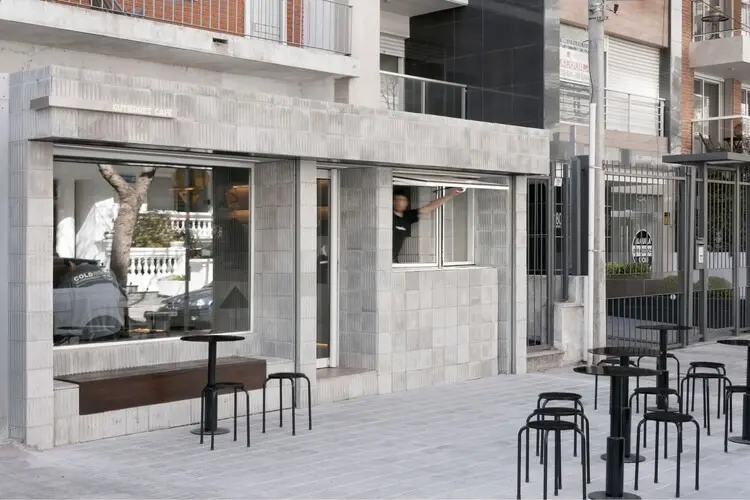
In the heart of Montevideo’s vibrant and historic Pocitos neighborhood, a new architectural and culinary landmark has officially opened its doors. Designed by the visionary minds at Toro Arquitectos, Gutiérrez Café represents a masterclass in spatial choreography, material honesty, and modern urban intervention. Opened in August 2025 and expertly curated by Valentina Díaz, the café transcends the traditional boundaries of a neighborhood coffee shop, positioning itself as an immersive sensory environment where physical space and the craft of specialty coffee are inextricably linked.
The design philosophy of Toro Arquitectos centers on the belief that architecture should not merely house an activity, but actively elevate it. At Gutiérrez Café, this ethos is translated into a meticulously articulated interior where raw concrete, tactile surfaces, custom millwork, and sophisticated lighting converge. The project reflects a growing global trend in architectural design: the synthesis of hospitality and spatial storytelling. By prioritizing material authenticity and spatial flow, Toro Arquitectos has crafted a sanctuary within the dense urban fabric of Uruguay’s capital, offering patrons an experience that engages both the palate and the eye.
Detailed Chronology
Conceptualization and Architectural Vision
The genesis of Gutiérrez Café dates back to the preliminary planning phases initiated by Toro Arquitectos in late 2024. Tasked by the establishment’s founders to create a destination that honored both the rich coffee-drinking culture of Montevideo and contemporary design sensibilities, the architectural team approached the site with a rigorous spatial analysis.
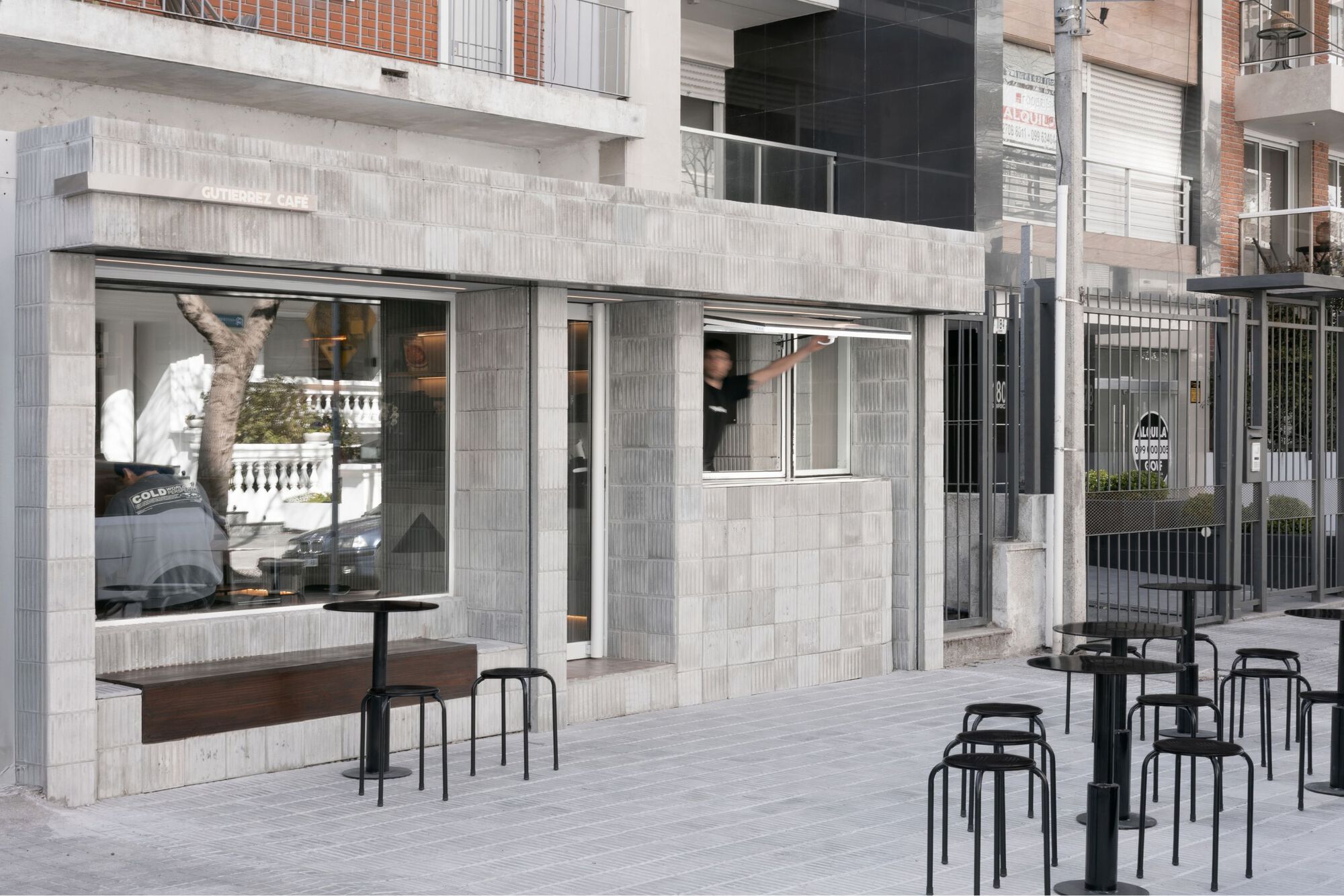
Pocitos, known for its eclectic mix of mid-century apartment blocks and bustling commercial corridors, provided a dynamic urban backdrop. The architects recognized that the café needed to act as a porous membrane between the energetic street life and a serene interior retreat. Early schematic designs focused on breaking down traditional barriers between the consumer and the barista, conceptualizing the central coffee counter as an architectural monolith—a stage where the preparation of coffee becomes a performative art.
Materiality and Construction (Early–Mid 2025)
By the spring of 2025, construction was well underway. The execution phase demanded a high level of craftsmanship, particularly given Toro Arquitectos’ heavy reliance on exposed, raw materials. The primary structural and aesthetic anchor of the interior is board-formed and smooth-cast concrete, complemented by meticulously detailed metallic fixtures, warm wood accents, and expansive glazing.
The construction timeline required precise coordination among structural engineers, lighting designers, and millworkers. The integration of mechanical systems—crucial for a high-output specialty coffee bar—was executed with surgical precision, ensuring that ductwork, plumbing, and extraction hoods remained concealed or intentionally exposed as industrial design elements rather than intrusive afterthoughts. The careful curation of lighting, captured brilliantly in architectural photography by Juan Nin, was fine-tuned during the final weeks before completion to highlight the rich textures of the concrete and the amber warmth of the service counters.
Grand Opening and Public Reception (August 2025)
Gutiérrez Café officially welcomed its first patrons in August 2025. The launch marked a significant milestone for Montevideo’s contemporary culinary scene, immediately drawing praise from design critics, urbanists, and coffee aficionados alike.
Rather than relying on superficial ornamentation, the success of the opening relied on the seamless integration of spatial design and hospitality operations. Patrons navigating the interior encountered a layout that intuitively guided them from the high-energy threshold of the streetfront to more intimate, contemplative seating zones deeper within the floor plan. The careful orchestration of acoustics, spatial volume, and tactile surfaces ensured that even during peak morning hours, the café maintained an atmosphere of refined tranquility.

Supporting Context & Metrics
Architectural Context: The Evolution of Montevideo’s Design Scene
Montevideo has long possessed a rich architectural heritage, spanning art deco masterpieces, neoclassical civic structures, and modernist housing blocks. However, the contemporary commercial interior landscape in the Uruguayan capital has experienced a renaissance over the past decade. Architects are increasingly challenged to repurpose existing urban footprints into spaces that meet modern lifestyle demands while respecting the architectural DNA of neighborhoods like Pocitos.
Toro Arquitectos’ design for Gutiérrez Café is a prime example of this urban evolution. By utilizing a restrained palette of raw materials—predominantly concrete, glass, and steel—the firm nods to brutalist and modernist traditions while maintaining a distinctly human scale. The minimalist aesthetic serves a dual purpose: it minimizes visual clutter, allowing the vibrant social life of the café and the rich tones of roasted coffee beans to take center stage, and it establishes a timeless architectural language that resists transient design fads.
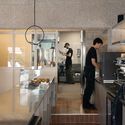
Project Metrics and Spatial Specifications
| Metric Category | Project Detail |
|---|---|
| Project Name | Gutiérrez Café |
| Architectural Firm | Toro Arquitectos |
| Location | Pocitos Neighborhood, Montevideo, Uruguay |
| Completion / Opening Date | August 2025 |
| Primary Building Materials | Exposed Concrete, Glass, Custom Metalwork, Wood |
| Curator / Writer | Valentina Díaz |
| Photographer | Juan Nin |
| Building Typology | Commercial Interior / Specialty Coffee Shop |
Official Statements
While the built form speaks volumes, the conceptual framework behind Gutiérrez Café is best understood through the perspectives of its creators and design curators.
In their official project statement, the architects at Toro Arquitectos elaborated on the spatial philosophy driving the design:

"Gutiérrez Café was conceived as more than just a commercial establishment; it is an architectural instrument designed to articulate a sensory and urban experience. We sought to dissolve the threshold between the city and the interior, creating a continuous flow where the architecture actively participates in the gastronomic ritual. Every material was chosen for its tactile honesty and its ability to age gracefully under the daily rhythms of urban life."
Curator Valentina Díaz further emphasized the cultural significance of the project within Montevideo’s modern landscape:
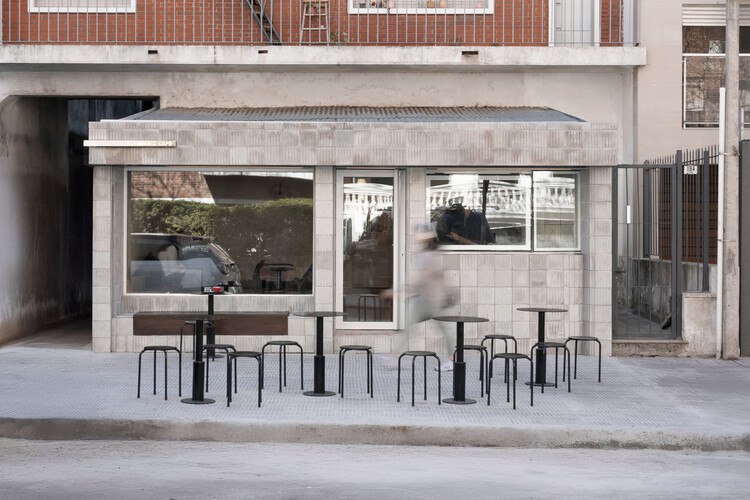
"The collaboration between Toro Arquitectos and the visionaries behind Gutiérrez Café demonstrates how spatial design can elevate everyday rituals. By placing architectural integrity and product quality on an equal footing, the project establishes a new benchmark for hospitality design in the region—proving that small-scale urban interventions can have a profound impact on how we experience our cities."
Future Outlook
As Gutiérrez Café settles into its role as a fixture of the Pocitos community, its long-term impact on local commercial architecture is already coming into focus. The project serves as a compelling case study for adaptive reuse and interior spatial optimization in high-density urban settings.

Looking forward, Toro Arquitectos anticipates that the success of Gutiérrez Café will spur further interest in material-driven, minimalist commercial design throughout Uruguay. In an era where digital consumption often disconnects individuals from their physical environments, spaces like Gutiérrez Café—which ground the visitor through robust materiality, sensory engagement, and thoughtful urban integration—are increasingly vital.
Future developments surrounding the café are expected to include seasonal architectural activations, design symposium collaborations, and continued exploration into how sustainable material sourcing can further minimize the ecological footprint of urban hospitality spaces. For now, Gutiérrez Café stands as a testament to the power of architecture to transform a simple cup of coffee into an elevated cultural experience.



