

Executive Overview
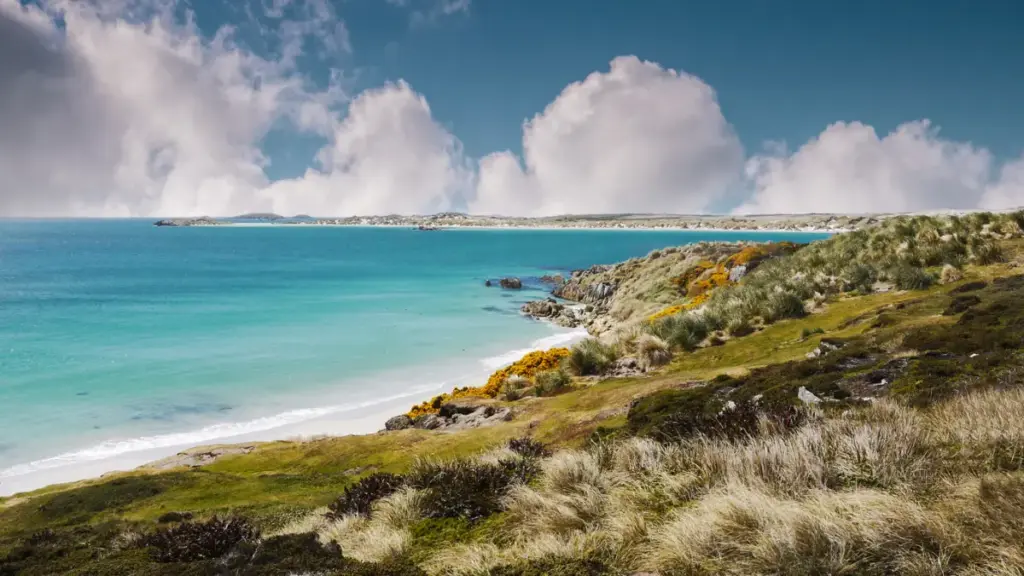
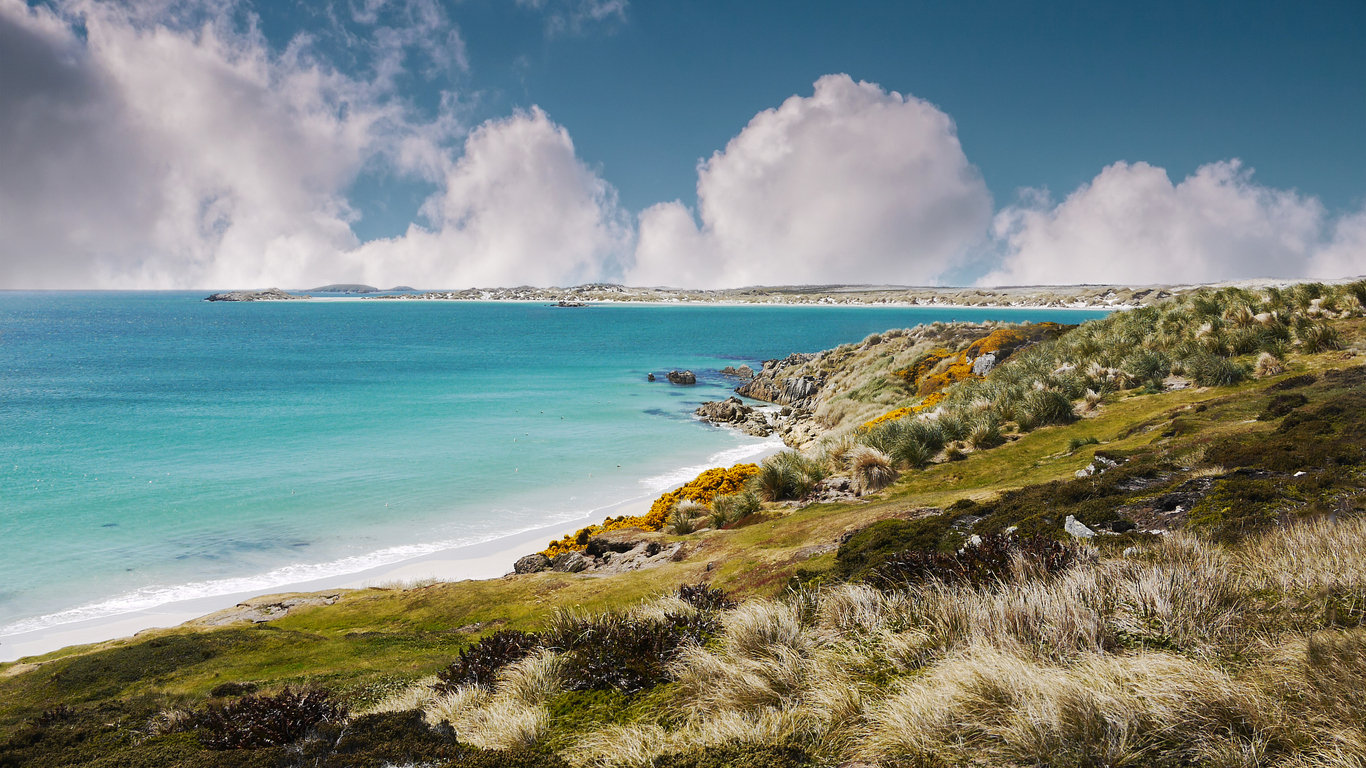
Nestled at the edge of the South Atlantic Ocean, the Falkland Islands represent one of the last truly pristine wildernesses on Earth. Characterized by dramatic coastlines, nutrient-rich waters teeming with krill and squid, and an abundance of wildlife that vastly outnumbers the human population, this remote British Overseas Territory is an ecological sanctuary. Here, five distinct species of penguins share the rugged shores with sea lions, elephant seals, dolphins, and majestic whales.
However, this fragile ecosystem now faces an unprecedented industrial turning point. Ambitious plans to introduce commercial open-net salmon farming to the archipelago have fractured the 3,500-strong local population, setting conservationists, fishers, and residents against corporate ambitions and government policy.
As tensions reach a boiling point, opponents of the salmon farming initiative are demanding a public referendum. This drastic measure stems from a widespread loss of confidence in the local government’s public consultation process, which critics argue is fundamentally flawed, opaque, and heavily biased in favor of the aquaculture industry. With international environmental watchdogs—such as the Blue Marine Foundation—voicing severe alarms over the validity of government-backed data, the future of the Falklands’ environment, economy, and democratic integrity hangs in the balance.
Detailed Chronology: From Remote Sanctuary to Industrial Battleground
Phase 1: The Quiet Discovery and Preliminary Proposals
For decades, the Falkland Islands economy has relied heavily on sustainable industries, primarily commercial fishing, agriculture (principally sheep farming), and a burgeoning eco-tourism sector centered on its world-renowned wildlife. The pristine quality of its coastal waters has been the cornerstone of this ecological and economic stability.
The conversation surrounding commercial aquaculture began to take shape as global seafood conglomerates sought new, untapped frontiers for salmon production. Traditional salmon-farming regions—such as Norway, Chile, and parts of Scotland and Canada—have faced mounting regulatory hurdles, disease outbreaks, and environmental degradation, prompting investors to cast their nets toward more isolated geographies.
When exploratory proposals for salmon farming in the Falklands first surfaced among government circles, they were framed by proponents as a lucrative economic diversification strategy. Supporters argued that aquaculture could bring foreign investment, infrastructure development, and high-paying jobs to the remote islands. However, the initial announcements caught many local residents, conservation groups, and independent scientists off guard.
Phase 2: The Government Consultation and Growing Dissent
To address the proposals, the Falkland Islands Government (FIG) initiated a public consultation process designed to gauge community sentiment and evaluate the feasibility and environmental risks of the industry. Ideally, such a process would serve as an objective bridge between industry ambition and public welfare. Instead, it quickly devolved into a flashpoint of controversy.
As the consultation progressed, community members and environmental advocates began scrutinizing the reports and data supplied by the government. Rather than finding a balanced, evidence-based assessment of aquaculture’s impacts, critics uncovered a document riddled with ambiguous sourcing, broad caveats, and a reliance on industry-provided metrics rather than independent, peer-reviewed science.
Local skepticism rapidly transformed into active dissent. Community groups formed to question the long-term ecological consequences of introducing thousands of metric tons of farmed fish into fragile marine environments. Concerns regarding nutrient loading, seabed destruction, chemical treatments, disease transmission to wild species, and the visual pollution of pristine coastal landscapes galvanized a significant portion of the populace.
Phase 3: The Breaking Point and the Call for a Referendum
By mid-2026, public trust in the consultation process had evaporated. Citizens and civil society organizations realized that the framework governing the debate appeared tilted toward approval, leaving little room for genuine public consent or rigorous scientific pushback.
In response to this perceived democratic deficit, opponents of salmon farming took a definitive stand. Abandoning faith in the consultation mechanism, they began formally calling for a public referendum—a direct democratic vote allowing the entire Falkland Islands electorate to decide whether commercial salmon farming should be permitted in their waters.
This pivot to a referendum marks a critical juncture in the territory’s modern history. It elevates the dispute from a routine bureaucratic policy review to a fundamental question of self-determination, environmental stewardship, and governance transparency.
Supporting Context & Metrics: The Ecological and Economic Stakes
A Unique and Fragile Marine Ecosystem
To understand the fierce resistance against salmon farming in the Falklands, one must examine the extraordinary biodiversity of the region. The cold, nutrient-rich waters surrounding the islands are driven by powerful oceanic currents that support a remarkably complex food web.
- Marine Mammals: The coastline serves as a vital breeding and foraging ground for Southern elephant seals, South American fur seals, and various species of dolphins. Apex predators, including killer whales and humpback whales, frequently traverse these waters.
- Avian Biodiversity: The islands host globally significant populations of seabirds. Five species of penguins—including gentoo, Magellanic, king, rockhopper, and macaroni penguins—breed along the shores, alongside wandering albatrosses and petrels. Penguins famously outnumber the human residents of the archipelago, making the islands a global pilgrimage site for wildlife enthusiasts and researchers alike.
The Risks of Open-Net Aquaculture
Commercial salmon farming, particularly the open-net pen system commonly utilized in global aquaculture, poses well-documented environmental hazards that conservationists argue are incompatible with the Falklands’ pristine status:
- Waste and Eutrophication: Open-net pens release uneaten feed, fish feces, and metabolic waste directly into the surrounding marine environment. This influx of organic matter can lead to localized oxygen depletion, smothering benthic (seabed) life and altering marine chemistry.
- Chemical and Pharmaceutical Use: To combat common afflictions such as sea lice and bacterial infections, salmon farms frequently rely on chemical treatments, antibiotics, and parasiticides, which can leach into the water column and affect non-target species, including local crustaceans and wild fish.
- Disease and Parasite Spillover: High-density captive populations act as breeding grounds for pathogens and parasites. Wild migratory species passing the pens risk contracting these diseases, potentially devastating local fish populations.
- Escapes and Genetic Pollution: Farmed salmon—often selectively bred or non-native species—frequently escape from pens. These escapees can compete with wild species for resources, interbreed, and weaken the genetic fitness of native populations.
Economic Realities: Diversification vs. Reputation Risk
Proponents of the industry point to the potential economic benefits: increased GDP, export diversification, and employment opportunities outside of traditional sectors like fisheries and tourism.
Conversely, opponents emphasize the catastrophic economic risk that industrial aquaculture poses to the islands’ existing pillars of wealth. The Falklands’ fisheries are managed under strict, highly sustainable quota systems that command premium prices in international markets. Furthermore, the burgeoning eco-tourism industry relies entirely on the pristine, untamed reputation of the islands. If oil slicks of fish waste, algae blooms, or disease outbreaks mar the coastline, the damage to the Falklands’ global brand could permanently cripple tourism and premium seafood exports alike.
Official Statements and Expert Analysis
The controversy has drawn sharp criticism from legal and environmental experts internationally, highlighting glaring deficiencies in how the Falkland Islands Government has handled the policy rollout.
Dr. Tom Appleby, head of legal affairs at the prominent NGO Blue Marine Foundation, delivered a scathing critique of the government’s consultation methodology. In a statement that resonated across international conservation circles, Dr. Appleby remarked:
"It is extraordinary that the Falklands Islands government have got themselves in a position where they are providing reports to the public in this consultation that do not use independently verified primary data. The reports are so littered with disclaimers as to the sources of information as to be meaningless."
This critique cuts to the heart of the governance crisis. When public policy decisions of this magnitude rely on data that lacks independent scientific verification—and is shielded by legal disclaimers—the democratic integrity of the entire consultation process is compromised. Citizens are effectively asked to gamble their environment on corporate projections rather than verified scientific facts.
Local activists and community leaders have echoed these sentiments, pointing out that a community of 3,500 people lacks the resources to independently audit complex aquaculture data unless the government provides transparent, objective, and peer-reviewed documentation from the outset. The refusal or inability of FIG to supply such data has galvanized the push for a binding referendum, where the populace can bypass compromised administrative channels and exercise direct democratic control over their collective future.
Future Outlook: Crossroads for the Falklands
As the debate intensifies through 2026, the Falkland Islands stand at a definitive crossroads. The outcome of this struggle will establish a profound precedent for how small, remote island communities manage the competing pressures of global commercial expansion and environmental preservation.
Several key developments will shape the trajectory of the controversy in the coming months:
1. The Referendum Campaign
The viability of the proposed referendum depends heavily on grassroots organization and whether political pressure can compel the Falkland Islands Government to formally recognize the vote. If opposition groups successfully mobilize a critical mass of the 3,500 residents, FIG will face immense domestic and international pressure to submit the question of salmon farming to a public ballot.
2. Legal and Scientific Scrutiny
International environmental NGOs, armed with legal expertise from organizations like the Blue Marine Foundation, are expected to continue scrutinizing government reports. Demands for independent environmental impact assessments (EIAs) conducted by unbiased third-party scientists will likely intensify, potentially leading to legal challenges if due process is found to have been violated.
3. Global Precedent
Remote territories worldwide are increasingly targeted by resource-extraction and aquaculture industries seeking lax regulatory environments. The Falklands controversy is being closely watched by conservationists globally as a test case for whether local communities can successfully defend fragile ecosystems against corporate encroachment through democratic mobilization.
Conclusion
The battle over salmon farming in the Falkland Islands transcends local zoning or economic policy; it is a profound test of values. At stake is whether one of the world’s last pristine wildernesses will be opened up to industrial aquaculture based on flawed, opaque consultations, or whether its people will reclaim their democratic voice to protect the unique natural heritage that defines them. As the call for a referendum grows louder, the world watches to see whether the guardians of the South Atlantic can successfully defend their blue frontier.



