

Editor’s Note: The following guide features expert insights and curated brand selections from our editorial team. Through rigorous, multi-point assessment systems, we highlight brands committed to environmental and ethical transparency. Purchases made through our embedded links may generate a commission to support our ongoing independent journalism and directory maintenance.
Executive Overview
As global temperatures continue to shatter historical records, extreme heatwaves have shifted from seasonal anomalies to routine climate catastrophes. Across Europe and other heavily impacted regions, consecutive summers bring punishing heat domes that make mere survival—let alone comfort—a daily challenge. In the throes of a sweltering afternoon, the primary instinct is preservation: finding the quickest route to shade, air conditioning, or cool water, and wearing whatever requires the least amount of fabric to stave off heat exhaustion.
In these moments of high thermal stress, ethical considerations frequently fall by the wayside. Consumers routinely reach for cheap, synthetic, fast-fashion garments that promise immediate relief through sheer minimalism, completely divorced from the hidden environmental costs of those textiles.
However, a closer examination of textile science reveals an encouraging convergence: many of the earth’s most breathable, high-performance materials are also its most sustainable. Natural fibers like organic linen, hemp, and certified organic cotton have been utilized for millennia precisely because they optimize human thermoregulation in hot climates. Conversely, the petroleum-based synthetic fibers that dominate modern activewear and fast fashion—such as virgin polyester, nylon, and spandex—trap body heat, foster bacterial growth, and shed billions of persistent microplastics into our waterways with every wash and wear.
This comprehensive guide bridges the gap between personal comfort and planetary stewardship. Below, we explore five practical, science-backed strategies for revamping your warm-weather wardrobe, paired with rigorous brand recommendations vetted through comprehensive sustainability frameworks to help you navigate rising global temperatures without compromising your ecological values.
Detailed Chronology: The Evolution of Heatwaves and the Fast-Fashion Trap
To understand why our summer wardrobes require an urgent paradigm shift, we must examine the intersection of accelerating climate change and the mass-market textile industry over the past several decades.
The Climate Reality
According to meteorological data from international climate monitoring bodies, the frequency, duration, and peak intensity of heatwaves have increased exponentially since the turn of the 21st century. Driven by escalating greenhouse gas emissions, urban heat islands, and shifting jet stream patterns, consecutive summers now routinely bring prolonged heatwaves that strain municipal power grids, threaten agricultural yields, and pose severe public health risks.
The Synthetic Takeover
Simultaneously, the global fashion industry has undergone a radical transformation. Driven by the rise of ultra-fast fashion in the early 2000s, textile production doubled over a twenty-year period, heavily dominated by cheap, synthetic polymers. Today, approximately 60% of all clothing globally is made from plastic-derived materials—primarily polyester.
Marketers successfully convinced consumers that synthetics represented the pinnacle of modern performance, touting wrinkle resistance and athletic moisture-wicking properties. Yet, these claims often mask a darker reality. While virgin synthetics may pull sweat away from the skin via capillary action, they fundamentally lack the microscopic porosity and thermal conductivity of natural fibers. They trap body heat, restrict natural airflow, react poorly to high humidity, and develop stubborn odors due to bacterial proliferation on plastic surfaces.
Furthermore, every time a synthetic garment is laundered, it releases up to 700,000 microscopic plastic fibers into domestic wastewater treatment systems. These microplastics bypass filtration barriers, ultimately entering marine ecosystems, bioaccumulating in aquatic life, and infiltrating the human food chain. As global temperatures rise and the demand for cooling clothing surges, relying on plastic-based textiles creates a perverse feedback loop: the very clothes we wear to beat the heat contribute directly to the ecological degradation driving global warming.
Supporting Context & Metrics: Five Strategies for Sustainable Warm-Weather Dressing
Navigating extreme heat without sacrificing your environmental principles requires a deliberate recalibration of how we select, maintain, and discard our garments. Below are five actionable strategies designed to maximize cooling efficacy while minimizing ecological impact.
1. Opt for Lighter, High-Performance Natural Materials
In high-temperature environments, fabric weight, weave density, and fiber composition dictate thermal comfort. When ambient temperatures soar, heavy weaves create an insulating barrier that traps metabolic heat against the body.
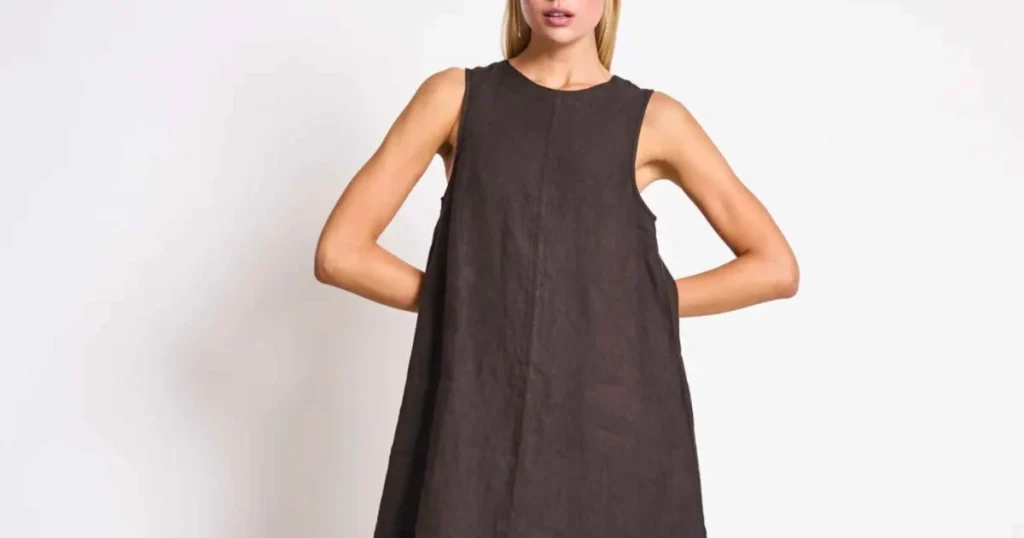
- Organic Linen and Hemp: These are the gold standards of sustainable summer textiles. Derived from the flax plant (Linum usitatissimum) and the industrial hemp plant (Cannabis sativa), respectively, these fibers possess hollow structures that facilitate rapid moisture absorption and evaporation. Linen and hemp require minimal chemical inputs, thrive in poor soils with little irrigation, and are entirely biodegradable (provided they are finished with non-toxic, low-impact dyes).
- TENCEL Lyocell and Organic Cotton: For those seeking softer hand-feels or alternative textures, TENCEL Lyocell—derived from sustainably harvested wood pulp in a closed-loop solvent system—offers exceptional breathability and quick-drying properties. Similarly, certified organic cotton avoids the devastating pesticide loads and water depletion associated with conventional cotton farming.
Featured Brand Highlight: SUI
SUI is an independent Indian womenswear label creating vibrant, thoughtfully designed collections in sizes 2XS to 2XL. Every garment is meticulously crafted in their in-house workshop in Delhi, ensuring safe working conditions, fair wages, and a transparent supply chain rooted in artisanal craftsmanship.
Explore SUI’s rating profile | Shop SUI collection
2. Choose Non-Synthetic, Breathable Activewear
Even when sedentary, high ambient temperatures trigger physiological cooling mechanisms, resulting in perspiration. Traditional athletic wear relies almost exclusively on virgin polyester and nylon, marketed as high-tech solutions for sweat management. However, these materials quickly develop unpleasant odors and fail to facilitate true thermal regulation in stagnant, humid heat.
Forward-thinking activewear brands are disrupting this market by developing innovative, plastic-free alternatives. By blending bamboo-viscose, organic cotton, and TENCEL Lyocell with mechanical knit structures, sustainable designers create moisture-wicking garments that perform exceptionally well during physical exertion while remaining entirely biodegradable at the end of their lifecycle.
3. Block Out the Sun Intelligently
Direct solar radiation during peak daylight hours can rapidly elevate skin temperature and lead to UV-induced cellular damage. Effective sun protection extends beyond chemical sunscreens to include physical barriers like hats and sunglasses.
- Sustainable Eyewear: Traditional sunglasses are manufactured from virgin petroleum-based acetates. Responsible alternatives utilize recycled plastics, sustainably sourced bamboo, FSC-certified wood, or innovative bio-acetate formulas derived from cotton and wood cellulose derivatives.
- Sun-Protective Headwear: Apply the principles of natural fiber selection to your headwear. Broad-brimmed hats constructed from organic linen, hemp, or tightly woven organic cotton provide crucial facial shade while maintaining superior breathability compared to plastic straw or polyester caps.
Featured Brand Highlight: tentree
Based in Canada, tentree operates with an aggressive Earth-first mandate: for every single item purchased, the company plants ten trees to regenerate degraded ecosystems and support reforestation jobs globally. To date, they have planted over 65 million trees. All garments are manufactured under fair working conditions using lower-impact materials like TENCEL, organic cotton, and recycled polyester blends. Products are typically available in sizes XS to XL.
Read tentree’s full sustainability rating | Shop tentree
4. Select Conscientious, Eco-Safe Sunscreens
Protecting your skin from ultraviolet radiation is non-negotiable during extreme heatwaves, but conventional chemical sunscreens pose a severe threat to aquatic ecosystems. Ingredients such as oxybenzone, octinoxate, nano-sized zinc oxide, and titanium dioxide have been scientifically linked to coral bleaching, endocrine disruption in marine life, and water toxicity.
When purchasing suncare products, look for mineral-based formulations certified free from synthetic pollutants. Independent certifications from organizations like the Soil Association or specialized ecotoxicity testing protocols ensure that your sun protection shields your skin without damaging delicate marine environments when you wash off in natural bodies of water.
Featured Brand Highlight: Odylique
Odylique specializes in high-performance, organic vegan beauty and suncare products tailored specifically for sensitive skin. Eschewing harsh synthetic chemicals and petrochemical derivatives, every product ingredient meets the rigorous organic standards set by the Soil Association.
Check Odylique’s brand rating | Shop Odylique products
5. Prioritize Lower-Impact Swimwear
For those fortunate enough to have access to natural swimming holes, oceans, or pools, taking a refreshing dip is one of the most effective ways to combat core body overheating. Yet, swimwear remains one of the most challenging sectors in sustainable fashion. By design, swim garments must offer high elasticity, compression, and water resistance—qualities historically achieved through virgin nylon and spandex blends.
To minimize your footprint, look for swimwear manufactured from regenerated nylon (such as ECONYL, made from recovered fishing nets and industrial carpet waste) or innovative natural alternatives like specialized hemp-blend fabrics. Furthermore, practicing garment longevity—washing synthetic swimwear infrequently in microfibre-catching bags and wearing pieces across multiple seasons—drastically reduces their cumulative environmental impact.
Featured Brand Highlights: Natasha Tonic & ColieCo
- Natasha Tonic: This pioneering brand crafts luxurious swimwear using a proprietary natural hemp-based fabric. Naturally antimicrobial, UV-resistant, and durable, hemp is exceptionally gentle on both skin and oceans. Each unique piece is printed entirely by hand in sizes XS to XL.
View Natasha Tonic’s rating | Shop Natasha Tonic swimwear*- ColieCo: Operating out of Portugal, ColieCo specializes in handmade-to-order lingerie, underwear, and swimwear. Utilizing a zero-waste-conscious production model, every garment is manufactured exclusively from responsibly sourced, lower-impact fabrics available in an inclusive size range from 2XS to 3XL.
See ColieCo’s rating | Shop ColieCo (10% discount applied at checkout)*
Official Statements and Industry Insights
As climate anomalies become institutionalized fiscal risks, global textile regulators and environmental scientists are increasingly vocal about the urgent need for structural reform in summer apparel production.
Dr. Elena Vance, a senior climatologist specializing in urban heat vulnerability, noted in a recent ecological symposium: "We cannot view urban heat adaptation in isolation from material science. As heatwaves intensify, citizens instinctively reach for cooling textiles. If those textiles are petrochemical-based, we are essentially trading human heat stress for planetary ecosystem toxicity. The future of apparel must marry thermal engineering with circular, bio-based material sourcing."
Industry watchdogs and rating organizations echo these sentiments, emphasizing that transparency is the cornerstone of responsible consumerism. Independent evaluations demonstrate that while scaling natural fibers presents agricultural and supply chain challenges, the long-term ecological dividend—reduced microplastic shedding, enhanced biodegradability, and lower carbon footprints—far outweighs the initial hurdles of transitioning away from virgin synthetics.
Future Outlook: The Horizon of Sustainable Climate Adaptation
Looking ahead, mitigating the impacts of climate change within the fashion and beauty sectors will require coordinated action across three distinct pillars: legislative accountability, technological innovation, and consumer behavioral shifts.
1. Advanced Material Science
Researchers are rapidly scaling next-generation biomaterials that bridge the performance gap between synthetic durability and natural sustainability. Agricultural waste streams—ranging from pineapple leaves and citrus processing byproducts to algae-derived polymers—are being transformed into high-performance, breathable yarns designed specifically to withstand extreme thermal conditions without synthetic additives.
2. Regulatory Frameworks and Extended Producer Responsibility (EPR)
Governments in key consumer markets, particularly across the European Union, are enacting stringent regulations targeting microplastic pollution, chemical toxicity in sunscreens, and greenwashing in fast fashion. Extended Producer Responsibility laws will soon force brands to internalize the end-of-life costs of their garments, incentivizing the adoption of monomaterial, fully biodegradable summer wear.
3. The Conscious Consumer Mindset
Ultimately, surviving and thriving in a warming world requires a cultural shift away from disposable consumerism. By curating a capsule wardrobe centered around breathable natural fibers, investing in high-integrity suncare and swimwear, and utilizing independent directories to verify brand claims, consumers can effectively protect themselves against extreme heat while safeguarding the delicate ecosystems that sustain us all.
Good On You publishes the world’s most comprehensive independent ratings of fashion and beauty brands, evaluating their direct impact on people, the planet, and animals. Explore thousands of rated brands by visiting the official Good On You Directory.



