

Executive Overview
As global temperatures continue to shatter historical records, extreme heatwaves have transformed from seasonal anomalies into persistent, systemic threats. Across Europe and much of the Northern Hemisphere, recent summers have served as grueling reminders of a changing climate. In these sweltering conditions, the immediate human impulse is pure survival: shedding layers, seeking shade, and finding anything—virtually regardless of its origin—to stave off the oppressive humidity and scorching sun.
For many consumers, the intersection of comfort and climate consciousness feels like a paradox. When the mercury climbs past 40°C (104°F), the complex realities of textile supply chains, microplastic shedding, and ethical labor practices often take a backseat to sheer physical relief. However, environmental experts and sustainable fashion advocates argue that staying cool and staying green do not have to be mutually exclusive. In fact, many of the world’s most breathable, heat-defying fabrics are also among the most ecologically responsible materials available.
This comprehensive guide explores how to balance the demands of survival in an overheating world with a commitment to planetary health. By shifting our understanding of textiles, activewear, sun protection, and swimwear, consumers can navigate extreme weather events while supporting brands that prioritize people, animals, and the Earth. Below, we outline five essential strategies for dressing sustainably in hot weather, accompanied by curated brand recommendations vetted through rigorous ethical rating systems.
Detailed Chronology: The Evolution of Heatwaves and Consumer Response
To understand why sustainable summer dressing has become a critical focal point, one must trace the rapid acceleration of climate-driven heat events over the past decade.
- The Early 2010s (The Shift in Perception): Extreme heat events began shifting from isolated meteorological anomalies to predictable, recurring crises. Consumers primarily relied on fast-fashion mainstays—cheap polyester blends, nylon, and acrylics—under the false assumption that thin synthetic fabrics were harmless solutions to high temperatures.
- The Late 2010s (The Microplastic Awakening): Scientific research increasingly highlighted the hidden dangers of synthetic textiles. Studies revealed that washing synthetic activewear and swimwear released billions of microscopic plastic fibers into waterways and oceans, eventually entering the global food chain. Concurrently, public awareness regarding fashion supply chain emissions reached a boiling point.
- The 2020s (The Climate Emergency Era): Record-shattering heatwaves paralyzed infrastructure across Europe, North America, and Asia. The fashion industry faced intense scrutiny over its heavy reliance on virgin fossil-fuel-derived synthetics. In response, a new wave of eco-conscious consumers began demanding alternatives that could withstand extreme thermal stress without sacrificing environmental integrity.
- Present Day (Mainstreaming Eco-Cooling): Sustainable innovators have successfully scaled production of plant-based technical fibers, organic linens, and closed-loop materials. Today, the conversation has matured from merely reducing fashion’s carbon footprint to actively adapting our wardrobes for a hotter, climate-altered future.
Supporting Context & Metrics: The Science of Summer Fabrics and Environmental Impact
The physics of staying cool in hot weather rely heavily on a fabric’s ability to facilitate airflow, absorb moisture, and dry rapidly. Unfortunately, the mainstream fashion industry’s default response to lightweight clothing has been polyester—a petroleum-based synthetic.
The Problem with Synthetics in the Heat
Polyester, nylon, and spandex are hydrophobic, meaning they do not absorb moisture well. While this property makes them popular for heavy-duty athletics, in daily wear during a heatwave, it prevents sweat from evaporating naturally from the skin. Instead, moisture gets trapped, creating a humid microclimate between the fabric and the body that actually makes the wearer feel hotter, stickier, and more uncomfortable. Furthermore, every time synthetic garments are washed, they shed thousands of microplastics into wastewater treatment systems.
The Superiority of Natural and Regenerated Fibers
In contrast, natural and plant-based fibers possess inherent thermoregulating properties:
- Organic Linen and Hemp: Derived from flax and cannabis plants respectively, these fibers are hollow, allowing air to circulate freely. They absorb moisture and dry rapidly, cooling the skin through natural evaporation. When untreated with toxic chemical dyes, they are fully biodegradable.
- TENCEL Lyocell and Bamboo-Viscose: These regenerated cellulosic fibers are engineered from sustainably managed wood pulp or bamboo. They offer silk-like drape and breathability while utilizing closed-loop manufacturing processes that recycle water and solvents.
Five Strategies for Sustainable Hot-Weather Dressing
1. Opt for Lighter, Natural Materials
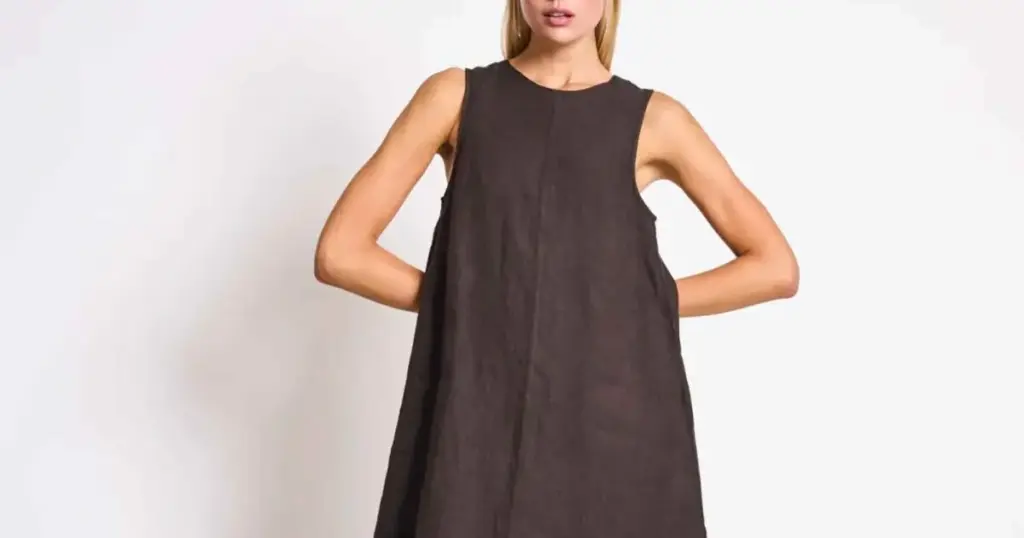
When temperatures soar, ditch the petroleum-based synthetics in favor of organic linen, hemp, TENCEL Lyocell, and certified organic or recycled cotton. These materials excel at breathability, moisture management, and rapid drying, ensuring you remain comfortable without contributing to the microplastic crisis.
- JAN ’N JUNE: Hailing from Hamburg, Germany, this transparent, fair-fashion label was founded by young female entrepreneurs who struggled to find stylish, eco-friendly apparel. Offering minimalist womenswear in sizes XS to XL, JAN ’N JUNE bridges the gap between high-end sustainable design and affordability.
- SUI: Operating out of its dedicated workshop in Delhi, Indian label SUI crafts gorgeous, breathable womenswear in an inclusive size range spanning from 2XS to 2XL, celebrating artisanal craftsmanship and lower-impact materials.
- CARPASUS: For menswear, this Swiss brand specializes in fine shirts, ties, and accessories crafted from GOTS-certified organic cotton. CARPASUS manufactures locally to minimize its carbon footprint, meticulously traces its supply chain, and ensures all workers receive a living wage (EU sizes 36–46).
2. Choose Non-Synthetic, Breathable Activewear
Even when resting, high ambient temperatures induce sweating. Traditional athletic wear relies almost exclusively on virgin polyester and spandex, which trap heat and harbor odors. Seek out innovative brands utilizing plant-based technical alternatives like TENCEL and bamboo-viscose.
- Tripulse: This Swedish activewear brand is redefining fitness apparel by engineering high-performance garments free from harmful plastics. Believing that physical and mental fitness should not come at the planet’s expense, Tripulse offers size-inclusive activewear ranging from XS to 6XL.
3. Block Out the Sun Responsibly
Shielding your skin from punishing UV rays requires protective accessories. When selecting sunglasses, opt for frames made from bio-acetate, bamboo, wood, or recycled plastics. For sun hats, apply the same textile logic: look for organic linen, hemp, or organic cotton.
- tentree: Operating with an unmistakable Earth-first ethos, Canadian brand tentree plants ten trees for every item purchased—having surpassed 65 million trees planted globally. Their apparel is manufactured in safe, fair conditions using lower-impact and recycled materials, typically available in sizes XS to XL.
4. Select Clean, Eco-Friendly Sunscreen
Skin protection is non-negotiable during extreme heatwaves, but conventional sunscreens often contain chemical pollutants—such as oxybenzone, nano zinc oxide, and titanium dioxide—that leach into marine ecosystems and coral reefs. Always look for certified ecotoxicology-free formulas.
- Odylique: Specializing in vegan beauty products formulated specifically for sensitive skin, Odylique ensures all its ingredients meet the stringent organic standards set by the UK’s Soil Association, keeping toxic chemicals off your skin and out of our waterways.
5. Smart Swimwear Choices for Cooling Off
When a heatwave peaks, taking a refreshing dip in a lake, river, or ocean is one of life’s greatest reliefs. However, traditional swimwear is notoriously dependent on virgin nylon and spandex. Mitigate this impact by choosing garments crafted from ECONYL (regenerated nylon) or hemp, washing them infrequently, and investing in durable pieces designed to last for years.
- Natasha Tonic: Utilizing a proprietary natural hemp-based fabric that is naturally antimicrobial, UV-resistant, and durable, this brand creates skin- and ocean-friendly swimwear. Each piece is hand-printed, ensuring absolute uniqueness across sizes XS to XL.
- ColieCo: Based in Portugal, this lingerie, underwear, and swimwear brand employs a conscious made-to-order manufacturing model. Every garment is crafted exclusively from responsibly sourced, lower-impact fabrics, available across an expansive size range from 2XS to 3XL.
Official Statements & Expert Perspectives
Environmental scientists and sustainable fashion authorities emphasize that adapting to climate change requires a fundamental redesign of consumer habits.
Dr. Elena Vance, a textile climatologist specializing in urban heat island effects, notes: "We are moving into an era where clothing is no longer just a cultural expression or aesthetic choice; it is an active mechanism for human physiological thermoregulation. When we choose synthetic barriers over breathable botanical fibers, we trap metabolic heat and exacerbate heat stress on the human body while accelerating ecological collapse. The industry must pivot entirely toward circular, bio-based textiles."
Furthermore, consumer advocacy groups stress the importance of system-wide transparency. As regulatory bodies in Europe and North America crack down on greenwashing, shoppers are increasingly empowered to look beyond marketing claims and rely on verified independent rating systems—such as the Good On You directory—to assess brands based on robust data covering labor rights, carbon emissions, and material toxicity.
Future Outlook
Looking ahead, the convergence of escalating climate disruptions and the sustainable fashion movement will likely redefine retail markets permanently. As heatwaves become more frequent, intense, and prolonged, consumer demand for thermal-adaptive, eco-friendly apparel will surge.
We can anticipate several key developments in the near future:
- Mainstream Adoption of Bio-Synthetics: Traditional petrochemical polyester will face increasing regulatory penalties and consumer backlash, paving the way for scalable, lab-grown plant fibers and agricultural waste derivatives.
- Stricter Ecotoxicology Standards: Governments and international coalitions are expected to ban harmful chemical filters in cosmetics and microplastic-shedding treatments in textiles, forcing brands to adopt circular closed-loop manufacturing models.
- Rise of Climate-Adaptive Urban Ware: Designers will increasingly focus on functional, multi-seasonal garments designed to transition seamlessly from scorching outdoor heatwaves to air-conditioned interiors without sacrificing ethical integrity or environmental health.
Ultimately, surviving a warming planet does not require abandoning our ethical standards. By making intentional choices—investing in breathable natural fibers, supporting transparent and fair-trade brands, and rejecting fast-fashion disposability—we can protect our bodies from the heat while safeguarding the future of our living planet.



