

Executive Overview
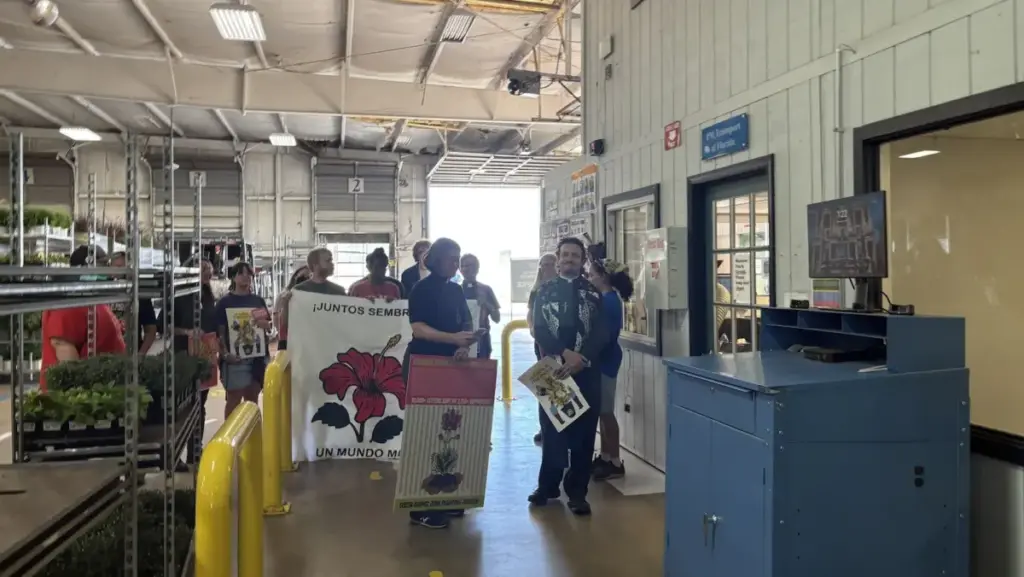
The lush houseplants gracing the shelves of major retailers like Home Depot and IKEA carry a hidden human cost—one written in sweat, heat exhaustion, and systemic vulnerability. On a sweltering Tuesday following Labor Day, a coalition of labor rights advocates, community leaders, and faith-based organizers marched past the gates of a sprawling plant nursery in Leicester, North Carolina, just outside Asheville. Their mission: to deliver a targeted petition to Costa Farms, the world’s largest grower of indoor houseplants.
This demonstration was not an isolated event. It formed part of a coordinated, multi-state day of action organized by WeCount, a worker-led human rights organization. The campaign—dubbed Planting Justice—targets all five U.S. cities where Costa Farms operates nurseries, seeking to uproot dangerous working conditions in the ornamental plant industry.
At the heart of the conflict is a stark contradiction: while millions of consumers buy houseplants to bring life and wellness into their homes, the workers cultivating these greens face escalating risks from the deadliest form of extreme weather on Earth. With federal heat standards stalled, state-level preemption laws blocking local protections, and agricultural workers systematically excluded from collective bargaining rights, labor advocates are turning to a proven model—Worker-Driven Social Responsibility (WSR)—to hold agricultural giants and major retail corporations accountable.
Detailed Chronology: The Day of Action
The March on Leicester
The afternoon sun beat down relentlessly on rows of steamy, humid greenhouses in Leicester, North Carolina, where rows of houseplants stood ready for market. Workers moved quietly through the aisles, glancing with cautious curiosity at the small band of activists marching past the nursery gates.
Among the leaders of the group was Oscar Rozo, an Episcopal clergy member who works extensively with Spanish-speaking immigrants in western North Carolina. Stepping inside the facility’s administrative offices, Rozo and his fellow advocates presented management with a petition demanding guaranteed heat protections—including mandatory access to water, shade, and paid rest breaks.
"We’re part of the community," Rozo stated directly to the Costa Farms managers present. "The nursery industry has been part of Asheville’s economy."
Shortly after delivering the petition, management requested that the activists leave the premises. The group complied, walking out peacefully, but not before signaling that their campaign had only just begun.
A Multi-State Mobilization
Simultaneously, hundreds of miles away in Apopka, Florida, WeCount co-executive director Oscar Londono helped deliver an identical petition to a separate Costa Farms facility. The synchronized protests spanned multiple states, marking what organizers have designated a historic turning point for agricultural labor advocacy.
"We consider this a very historic day of action," Londono remarked, reflecting on the mobilization across Costa Farms’ operational footprint. "And we know this is only the beginning."
Supporting Context & Metrics: The Crisis in the Fields
The Mounting Threat of Extreme Weather
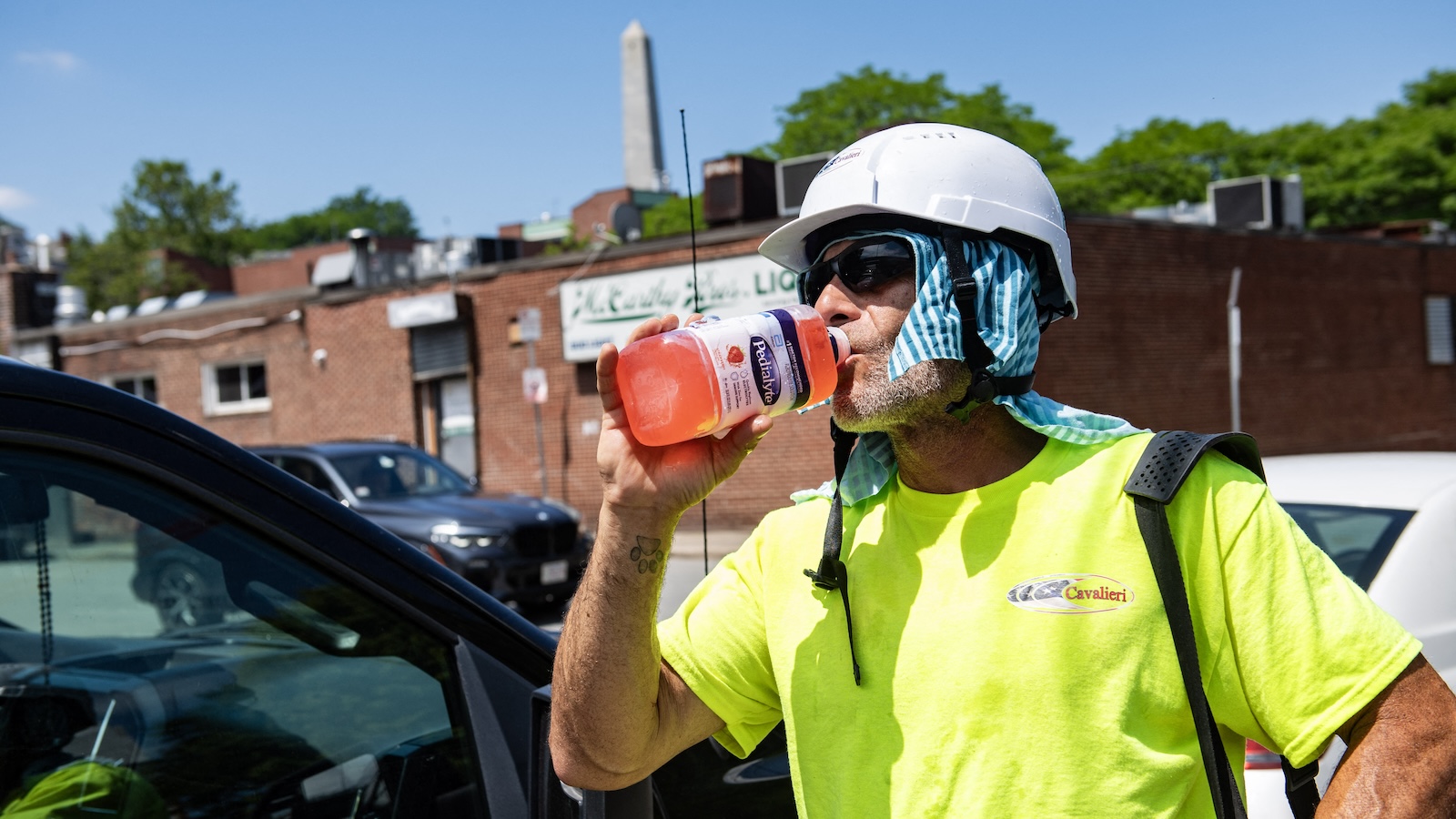
Heat is widely recognized as the deadliest form of extreme weather, eclipsing hurricanes, floods, and tornadoes combined. Yet, official mortality statistics routinely fail to capture the true toll of occupational heat exposure. A landmark two-year investigation by Boston University and NPR revealed that federal heat death counts vastly underreport the scope of the crisis.

As human-induced climate change drives hotter and more frequent heat waves, the danger intensifies year over year. For outdoor and greenhouse laborers, these rising temperatures are transforming routine shifts into life-threatening ordeals.
A Regulatory Vacuum
For years, labor advocates, public health experts, and community groups have pushed for a federal heat standard—a binding set of regulations designed by the Occupational Safety and Health Administration (OSHA) to protect workers across all industries from heat illness. Although the Biden administration initially signaled progress toward implementing these protections, those federal efforts have since stalled amid intense political and industry pushback.
At the state level, the regulatory landscape is actively hostile. In 2024, following heavy lobbying from business and agricultural groups, Florida Governor Ron DeSantis signed legislation preempting local governments from enacting municipal heat standards. Governor DeSantis defended the move by asserting that local regulations "could cause a lot of problems." This preemption directly short-circuited WeCount’s previous grassroots victories, which had successfully pushed for local heat standards in Miami-Dade County—an area where heat-related deaths are projected to spike by 600 percent during extreme heat episodes.
Agricultural Exceptionalism and Vulnerability
Plant nursery workers occupy a particularly precarious legal and operational niche. Legally classified as agricultural workers, they are explicitly excluded from federal collective bargaining protections under the National Labor Relations Act (NLRA).
Statistically, the hazards they face are extreme. Research indicates that agricultural workers are more than 35 times more likely to die from heat-related illnesses than workers in almost any other sector.
Compounding these environmental dangers is deep systemic vulnerability. Many houseplant nursery workers are dependent on H-2A guestworker visas or are undocumented. This legal precarity leaves them entirely dependent on employers for housing, wages, and legal status, robbing them of any practical recourse should they speak out against unsafe conditions.
According to a comprehensive industry-wide survey conducted by WeCount, 86 percent of houseplant nursery workers reported experiencing dangerous incidents on the job, ranging from severe heat illness to pesticide exposure and traumatic injuries. Furthermore, over two-thirds of respondents reported being entirely denied regular rest breaks and scheduled days off.
Official Statements and Industry Perspectives
Costa Farms Defends Its Record
In response to the protests and the release of the WeCount report, Costa Farms defended its operational practices, highlighting its investment in worker health and safety infrastructure.
"We have a full-time, on-site nurse with a functional medical clinic, and our robust heat protection policy is aligned with the proposed OSHA heat safety rules," said Ariana Cabrera de Oña, the company’s senior vice president, general counsel, and head of human resources.
Cabrera de Oña noted that following the devastating impacts of Hurricane Helene in North Carolina, Costa Farms instituted daily five-minute safety briefings where workers and supervisors review potential health risks, including local weather forecasts. Additionally, the company asserts that when specific "wet bulb" temperature thresholds are reached, it initiates "increased break frequency and additional hydration stations," as documented in independent safety case studies.
Workers Push Past Corporate PR
Despite these corporate assurances, worker testimonies reveal a stark disconnect between written policy and daily reality on the ground.
Alejandro Gonzalez, a plant nursery worker originally from Guatemala, shared his harrowing experiences at a public rally in Florida. Describing summer temperatures regularly soaring above 110 degrees Fahrenheit inside the growing facilities, Gonzalez spoke bluntly in Spanish:
"They don’t give us cold or clean water. They don’t provide any breaks or shade."
WeCount organizers emphasize that even when hydration stations are technically present, workers industry-wide frequently encounter unpotable water characterized by strong chemical odors or visible mold growing inside aging water coolers.
Future Outlook: The Path Toward Worker-Driven Social Responsibility
With legislative avenues increasingly blocked by corporate lobbying and state-level preemption, WeCount and its allies are pivoting to a strategy modeled after one of the most successful labor campaigns in U.S. history: the Fair Food Program (FFP).
The Power of Worker-Driven Social Responsibility (WSR)
Launched in 2011 by the Coalition of Immokalee Workers in Florida, the Fair Food Program is internationally recognized as the gold standard for agricultural labor protections. Through legally binding market-enforced agreements, participating growers commit to a strict code of conduct, while major corporate buyers—such as fast-food chains and supermarkets—agree to purchase exclusively from compliant farms.
WeCount’s Planting Justice campaign seeks to adapt this exact framework for the houseplant industry. The core demands outlined in their proposed code of conduct are straightforward and actionable:
- Education: Mandatory training for both workers and supervisors regarding the early warning signs of heat illness.
- Mitigation: Guaranteed, unimpeded access to clean water, shaded rest areas, and paid cool-down breaks.
- Accountability: Transparent internal systems for monitoring, reporting, and immediately responding to heat stress.
Shifting Pressure to Retail Giants
Recognizing that agricultural companies ultimately answer to consumer demand, WeCount’s strategy does not stop at the nursery gates. The organization is actively calling on corporate retail titans—including major home improvement chains like Home Depot and multinational furniture giants like IKEA, both of which source ornamental plants from Costa Farms—to leverage their immense purchasing power.
By demanding that their suppliers sign and adhere to the worker-developed code of conduct, these retailers can help eliminate abusive labor practices throughout their supply chains.
As climate change accelerates and summer temperatures push human physiological limits to the brink, the movement led by WeCount signals a profound shift in labor organizing. When legislative protections fail and state governments roll back safety regulations, workers and their allies are proving that real accountability can be forged from the ground up—transforming the hidden human cost behind America’s houseplants into a catalyst for lasting justice.



