

Executive Overview
In an era dominated by ever-expanding crossovers, hyper-sized electric SUVs, and multi-ton battery-electric trucks, the global automotive market occasionally remembers the charm of minimalism. Enter the Fiat Topolino—a quadricycle that redefines personal mobility by stripping away the superfluous. While it lacks the highway-speed capability, multi-hundred-mile range, and crash safety structures of a traditional automobile, this micro-EV represents an uncompromising answer to urban congestion, narrow European alleys, and short-distance commutes.
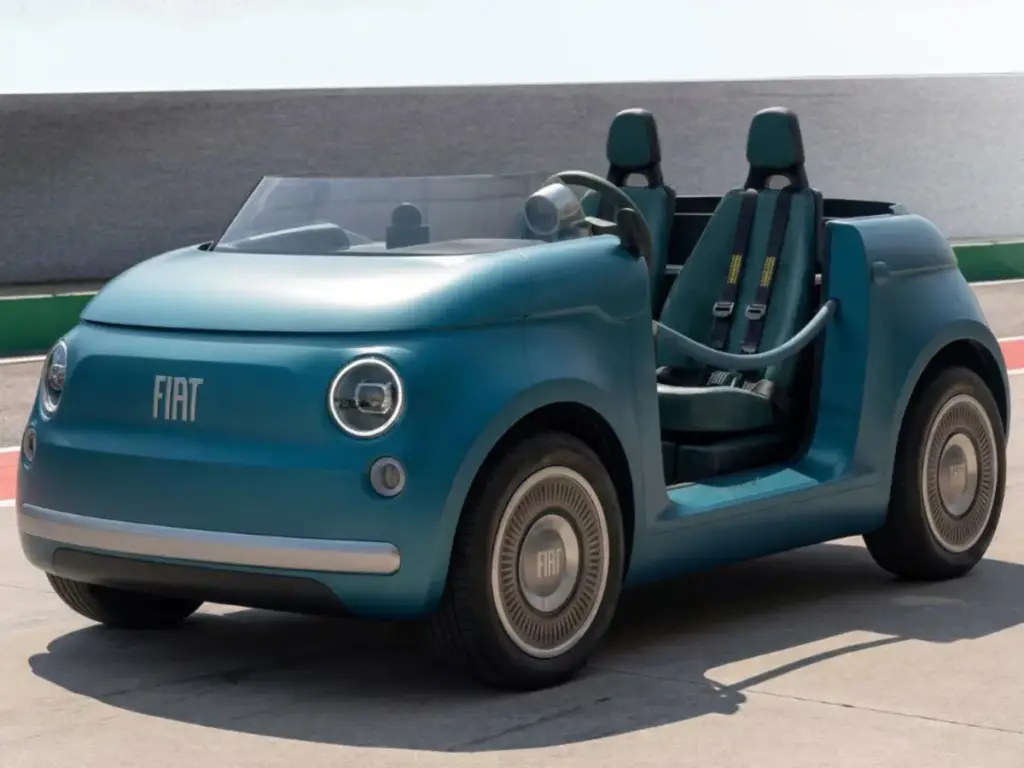
Now, the tiny electric quadricycle has received a haute-couture makeover. Renowned automotive designer Fabrizio Giugiaro and entrepreneur Lapo Elkann have teamed up to craft two bespoke variants: the Top L (Love) and the Top J (Joy). Melding high-fashion craftsmanship with micro-mobility, these custom creations elevate the humble Topolino from a glorified neighborhood runabout to an object of rolling art.
Yet, the debut of these striking designs occurs against a fascinating backdrop of stark geographic contrasts. While micro-mobility formats thrive in crowded European city centers, brands like Fiat face severe headwinds in the United States. Once a quirky staple of American import buyers, Fiat’s U.S. sales have plummeted dramatically over the past decade, leaving industry observers to wonder if micro-cars and bespoke novelties can ever find a permanent home across the Atlantic—or if they will remain a uniquely European indulgence.

Detailed Chronology: The Evolution of the Topolino and Bespoke Reimagining
To understand the cultural significance of the Giugiaro and Elkann collaboration, one must trace the timeline of Fiat’s smallest modern electric vehicle and the pedigree of the minds behind its transformation.
The Rebirth of a Historic Moniker
The "Topolino" name—Italian for "little mouse"—is deeply ingrained in automotive history, originally worn by the iconic Fiat 500 produced from 1936 to 1955. Decades later, Stellantis revived the badge for a modern quadricycle platform shared within the corporate family (alongside the Citroën Ami and Opel Rocks Electric).
Priced around €9,890 (or roughly $13,995 equivalent depending on spec and market structures), the modern Topolino is legally classified in Europe as a light quadricycle (L6e category). This classification means it can be driven in certain European jurisdictions by teenagers without a full driver’s license, capping its top speed at a modest 45 km/h (28 mph) and limiting its footprint to a diminutive 2.53 meters in length.
The Masters Behind the Customization
To push the Topolino beyond standard factory trims, Fiat called upon heavyweights of Italian design and industry:
- Fabrizio Giugiaro: A legendary car designer and the son of Giorgetto Giugiaro—the master mind behind iconic shapes such as the DeLorean DMC-12, the BMW M1, and the Hyundai Pony (which directly inspired the modern Hyundai Ioniq 5).
- Lapo Elkann: A prominent Italian entrepreneur, style icon, and the brother of Stellantis Chairman John Elkann. Elkann is well-known for his avant-garde fashion ventures and custom automotive projects through his design agency, Garage Italia.
Unveiling the Top L and Top J
The collaboration yielded two distinct design studies, christened the Top L and Top J:
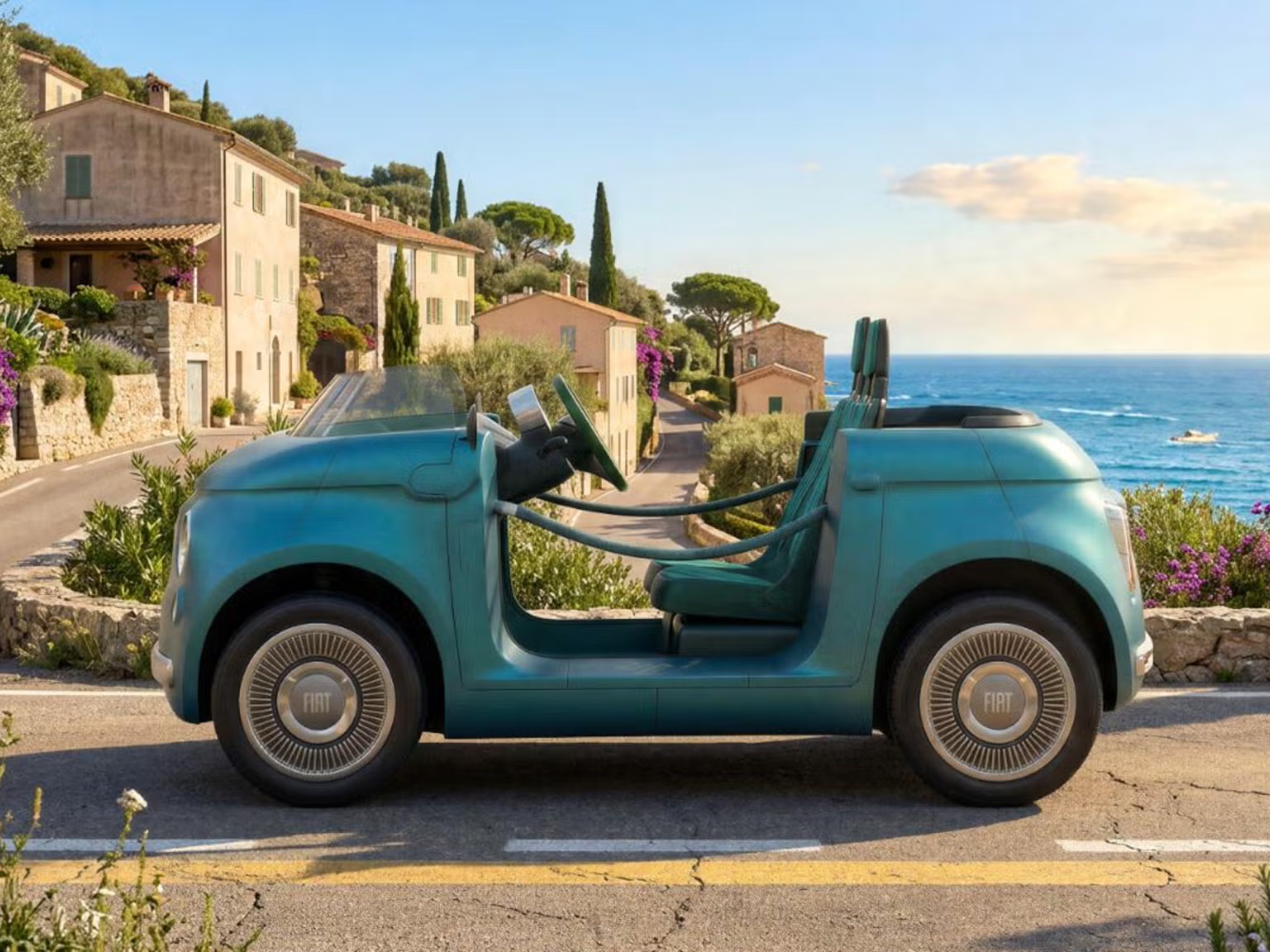
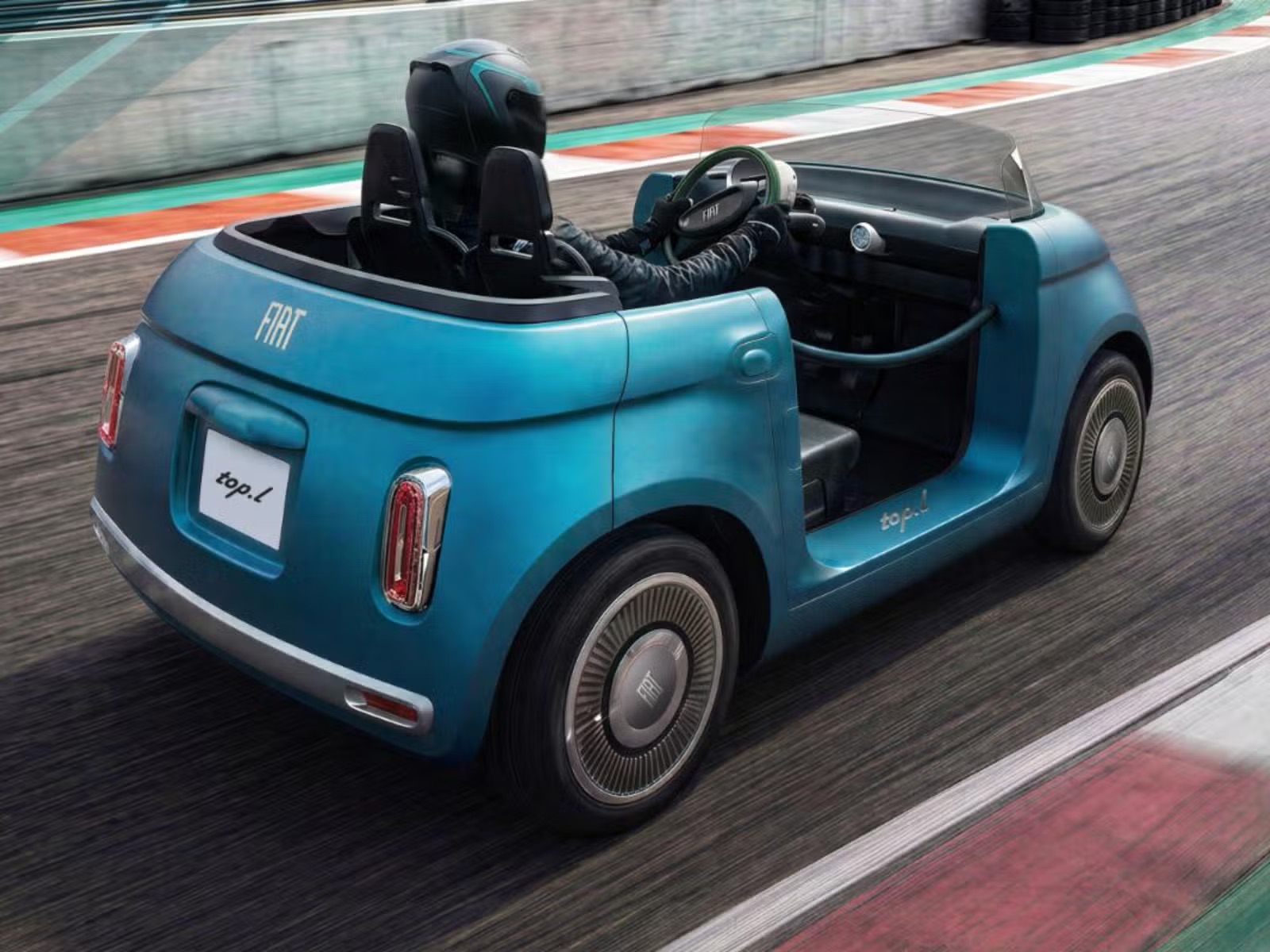
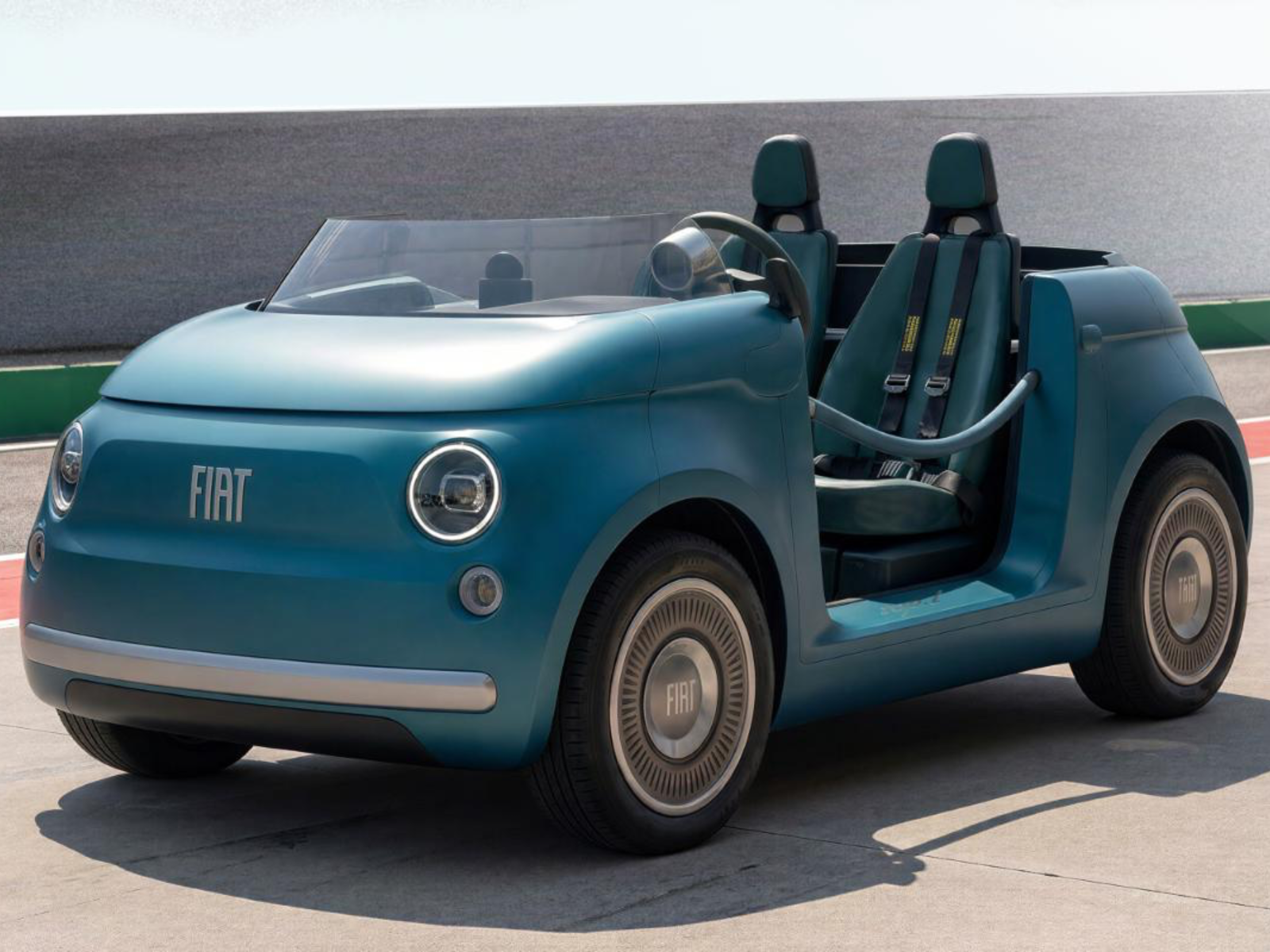
- The Top L (Love): Drawing inspiration from the tragic romanticism and raw rebellious spirit of actor James Dean’s infamous Porsche 550 Spyder—affectionately and hauntingly nicknamed "Little Bastard"—the Top L features a striking matte aquamarine exterior finish. Inside, the cabin is elevated far beyond standard quadricycle austerity, outfitted with matching leather upholstery and rich Alcantara inserts.
- The Top J (Joy): Designed to channel a carefree, open-air Riviera lifestyle, the Top J focuses on leisure, coastal aesthetics, and vibrant energy, matching the playful geometry of the micro-chassis with sophisticated color palettes and premium tactile materials.
Supporting Context & Metrics: The U.S. Market Reality and the Micro-Car Paradox
While European urbanites celebrate micro-mobility solutions like the Topolino, the American automotive landscape tells a drastically different story.
Fiat’s U.S. Sales Freefall
For Italian automotive enthusiasts in North America, the trajectory of the Fiat brand over the last decade has been painful to watch. In 2012, as Fiat re-established its footprint in the United States with the modern 500 hatchback, the brand moved a respectable 43,772 vehicles. While modest compared to domestic giants, it proved that a dedicated niche of American consumers still appreciated compact, fuel-efficient European styling.
Fast forward to 2025, and that figure has experienced a shocking collapse. Fiat managed to sell a mere 1,321 vehicles across the entire United States. Analysts had openly predicted the brand’s complete withdrawal from the North American market years prior. Yet, Stellantis has kept the lights on, leaving industry watchers to observe occasional sparks of European product news that highlight a cultural chasm in vehicle preference.
The Economics of the Micro-EV
Priced near $14,000 in equivalent markets, the Topolino sits in a strange economic gray area. For North American buyers, that capital can easily purchase a heavily depreciated, full-sized used electric vehicle—such as a Nissan Leaf or a first-generation Chevrolet Bolt—which offers highway speeds, all-weather climate control, safety airbags, and a 150+ mile range.
By contrast, the Topolino offers:
- Zero highway capability: It is explicitly barred from interstates, expressways, and high-speed arterial roads.
- Minimalist safety equipment: As a quadricycle, it operates under relaxed crash-testing standards compared to traditional passenger cars.
- Restricted range and speed: Designed purely for urban errands, university campuses, gated communities, and beachside promenades.
Despite these limitations, vehicles like the Topolino represent a vital philosophical shift: shifting from multi-ton fossil-fuel or battery-heavy transit to hyper-efficient, right-sized urban transport. They act as "glorified golf carts" engineered to perfection, catering to a specific demographic that values parking ease, zero emissions at the tailpipe, and sheer charismatic charm over raw utility.
Official Statements and Industry Perspective
The intersection of haute couture and micro-mobility highlights a growing trend among heritage automakers: leveraging design prestige to generate cultural capital even when sales volumes are low.
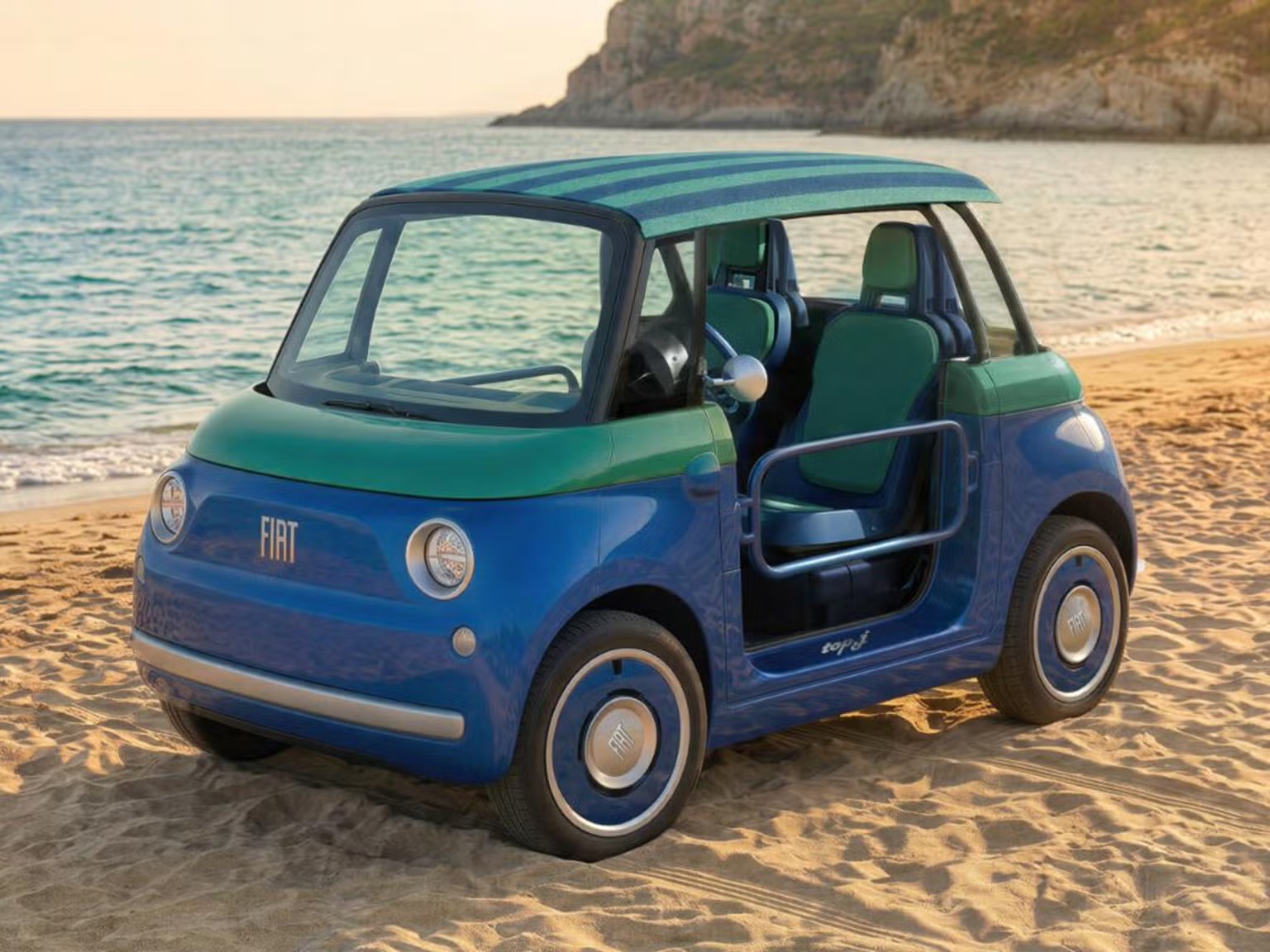
Automotive critics and design analysts have noted that while vehicles like the Giugiaro- and Elkann-modified Topolinos will likely never enter mass production at scale, they serve an essential marketing function. By associating an entry-level urban quadricycle with the legendary lineage of Giorgetto Giugiaro and the high-fashion sensibilities of Lapo Elkann, Stellantis successfully reframes utilitarian transport as a lifestyle accessory.
"Giugiaro is a car designer and son of Giorgetto Giugiaro, who penned iconic models like the DeLorean DMC-12, BMW M1, and Hyundai Pony… Meanwhile, Elkann is an Italian entrepreneur and brother of Stellantis Chairman John Elkann," notes industry reporting from Autoblog, emphasizing the deep-rooted Italian design dynasty tied to the project.
Observers point out that while these bespoke designs are unlikely to fundamentally shift global balance sheets or reverse Fiat’s U.S. sales slump, they keep the brand culturally relevant. They prove that engineering a small car doesn’t mean sacrificing aesthetic passion.
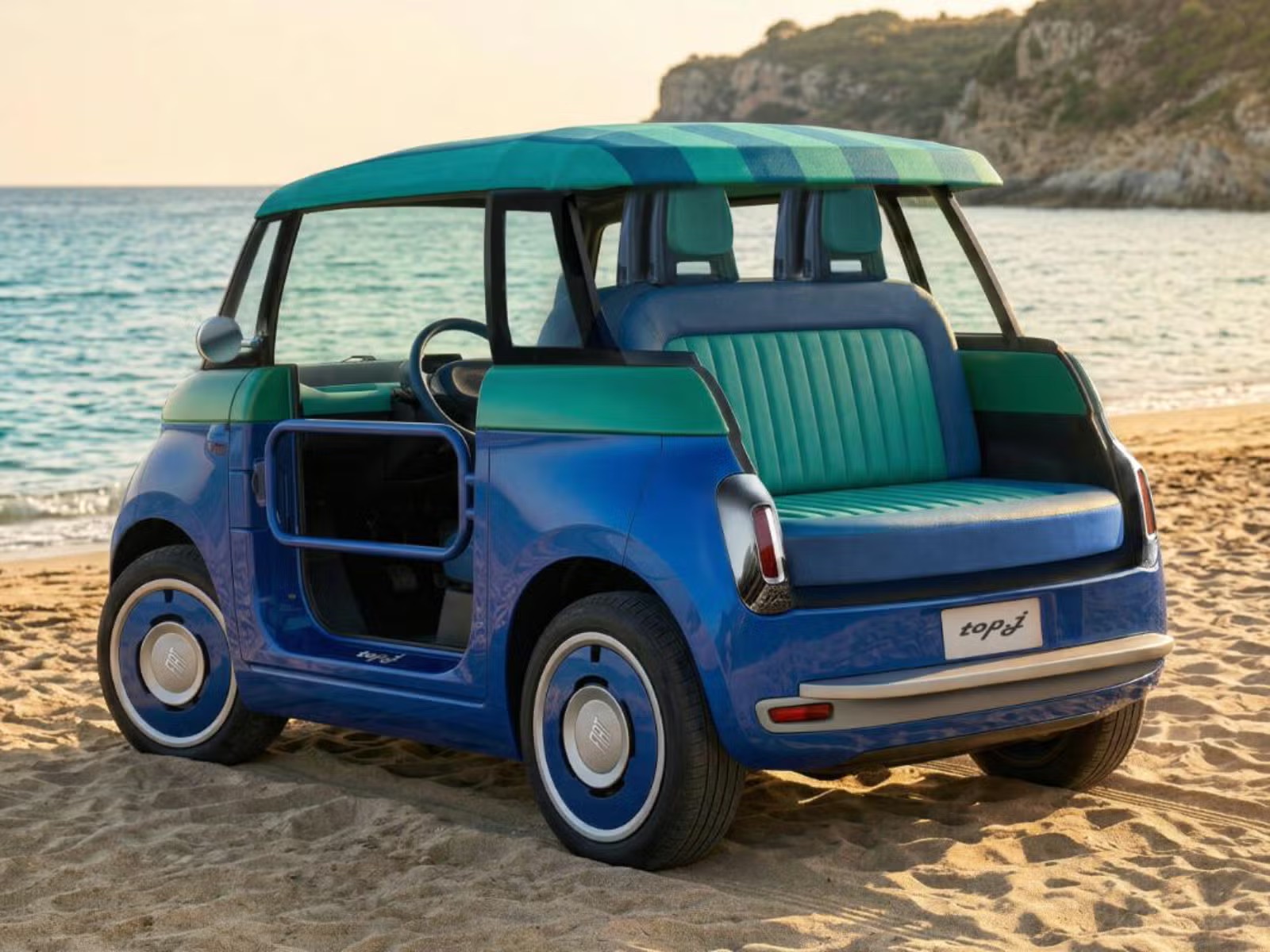
Future Outlook: Will Custom Micro-Cars Find a Broader Stage?
As global cities become increasingly dense, traffic congestion worsens, and urban zoning laws begin to favor low-emission pedestrian zones, the market for light quadricycles in Europe and dense Asian metropolises is poised for steady growth. Consumers are beginning to question the logic of driving a 5,000-pound electric SUV to pick up a single cup of coffee.
However, the outlook for North America remains ice-cold. Cultural norms prioritizing vehicle size, vast suburban sprawl, high-speed highway commutes, and strict federal crash safety regulations mean that vehicles structured like the Fiat Topolino face nearly insurmountable regulatory and market barriers in the U.S.
For American minimalists and EV enthusiasts, the Topolino remains an object of digital fascination—a brilliant, stylish novelty viewed across an ocean. Whether custom designs by Giugiaro and Elkann will inspire a wider cultural appreciation for right-sized mobility remains to be seen. But as long as brands continue to inject humor, art, and passion into the smallest corners of the automotive world, the future of urban transit will refuse to be boring.



