Executive Overview
As global tourism rebounds beyond pre-pandemic levels, travelers are increasingly seeking out nature-based getaways, driven by a growing consciousness of environmental stewardship. From dense rainforest treks to marine explorations, outdoor travel is booming. However, a critical disconnect persists between what is marketed as “eco-friendly” and what constitutes true ecotourism.
True ecotourism is not merely about being outdoors; it requires a rigorous commitment to measurable conservation outcomes, community empowerment, minimal ecological footprints, and cultural respect. In an era plagued by overtourism and sophisticated greenwashing, travelers and industry operators alike must move beyond superficial marketing. This comprehensive report examines the core pillars of responsible ecotourism—ranging from wildlife viewing and recreational hiking to marine tourism, cultural preservation, and citizen science—while offering a roadmap to distinguish authentic sustainability from ecological pretense.
Detailed Chronology of the Modern Ecotourism Movement
To understand where ecotourism stands today, it is essential to trace its evolution from a niche conservation philosophy into a multi-billion-dollar global industry:
- The Late 20th Century (The Genesis): As industrialization and mass tourism began leaving visible scars on fragile ecosystems, conservationists, scientists, and forward-thinking travel operators recognized the urgent need for a new model. The term "ecotourism" emerged to describe travel that directly funded conservation initiatives while supporting local livelihoods.
- The Turn of the Millennium (Standardization Efforts): International bodies, non-governmental organizations (NGOs), and community groups began establishing formal criteria. Guidelines shifted from vague concepts of "nature appreciation" to strict performance indicators, emphasizing biodiversity protection, socio-economic benefits for indigenous populations, and visitor education.
- The 2010s (The Rise of Overtourism and Greenwashing): Driven by social media and low-cost global transit, natural habitats faced unprecedented visitor strain. Concurrently, the commercial appeal of the "eco" label led to widespread greenwashing, where resorts and tour operators adopted green branding without altering unsustainable practices.
- The Post-Pandemic Era (A Call for Systemic Reform): The temporary halt of global travel provided a stark illustration of nature’s resilience in the absence of human interference. Upon reopening, destinations and travelers increasingly demanded accountability. Today, the focus has pivoted toward regenerative travel—ensuring that tourism leaves ecosystems and communities demonstrably better off than before.
Supporting Context & Metrics: The Pillars of Authentic Ecotourism
True ecotourism operates on a multi-faceted framework. According to leading sustainable travel advocates, an experience must satisfy five core criteria: it must contribute actively to conservation, deliver financial benefits to local communities, minimize environmental degradation, respect local cultures, and foster deep ecological literacy among travelers.
1. Wildlife Viewing: Protection Over Proximity
Responsible wildlife viewing allows travelers to observe animals behaving naturally within thriving, unfragmented ecosystems. This requires strict prioritization of animal welfare over tourist entertainment:
- Strict Distance & Vehicle Caps: Exemplified by initiatives like Kenya’s Loisaba Conservancy—which protects 56,000 acres of vital wildlife habitat—tourism must enforce low-impact rules. Loisaba limits sightings to three vehicles per animal, mandates a minimum 20-meter distance, stays on designated tracks, and keeps noise to a minimum.
- Financial Integration: Ecotourism models should directly underwrite operational costs, such as funding anti-poaching patrols, habitat restoration, and community-based grazing programs.
2. Hiking and Recreation: Leave No Trace in Action
Recreational ecotourism, from alpine trekking to coastal cycling, encourages slower, more mindful engagement with landscapes.

- The Annapurna Model: In Nepal’s Annapurna Conservation Area Project (ACAP)—the country’s largest conservation area—high visitor volumes historically strained local forests and waste management systems. ACAP transformed this dynamic into a community-based model. Thousands of family-run teahouses provide direct economic injection, while trekking fees fund snow-leopard anti-poaching programs, trail maintenance, and waste management.
- Adherence to Ethics: Travelers must strictly follow Leave No Trace principles, staying on designated paths to prevent erosion and ensuring all waste is carried out.
3. Marine Tourism: Safeguarding the Blue Planet
Oceans and coral reefs captivates millions, yet marine environments are exceptionally fragile.
- Rigorous Standards: Marine ecotourism must adhere to frameworks like the Green Fins environmental standards, eliminating single-use plastics, banning touch-and-feed policies, and avoiding toxic sunscreens that degrade coral reefs.
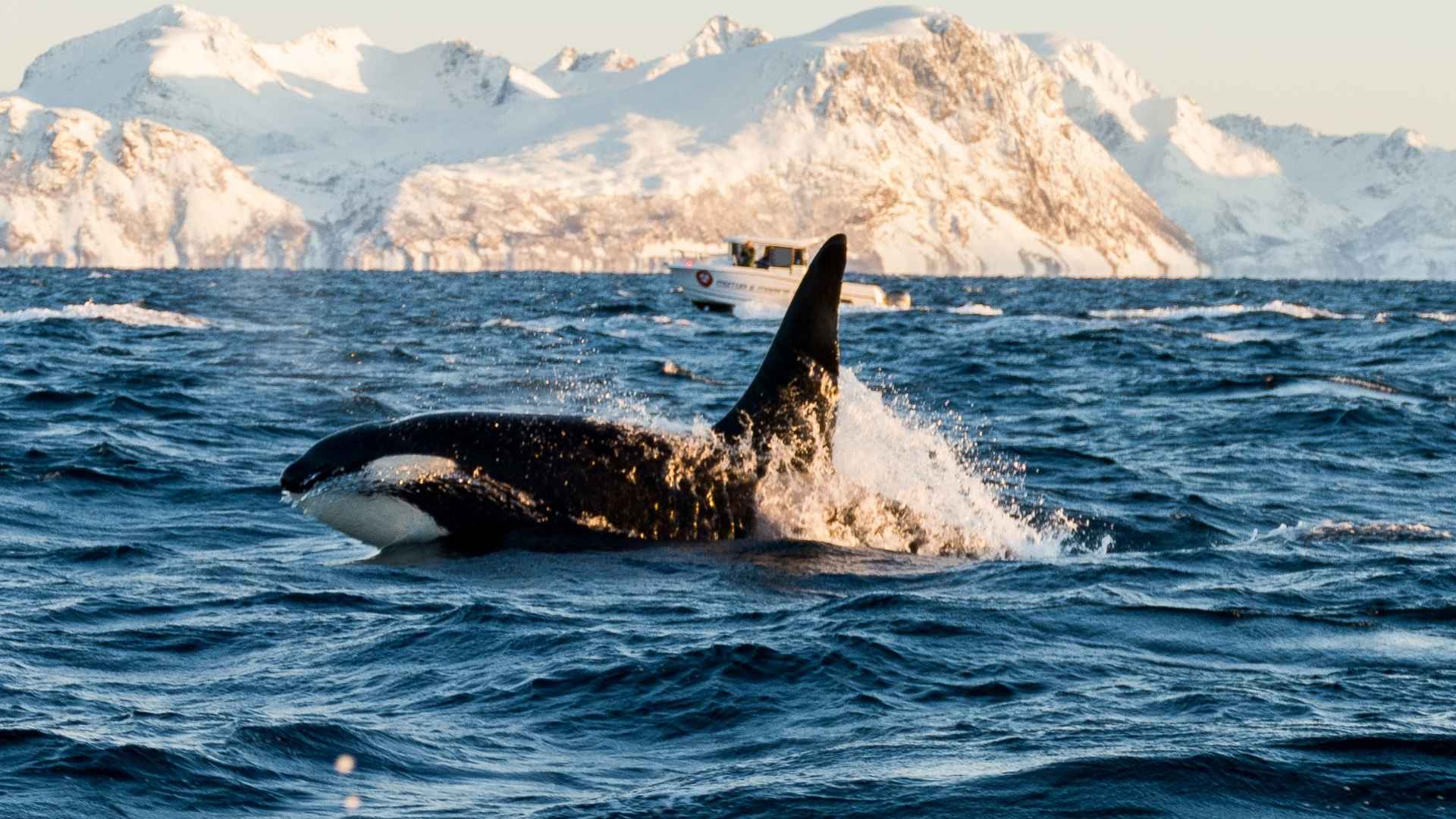
- PADI Eco Centers: Operations such as Dive Ninja Expeditions off Mexico’s Baja Peninsula demonstrate how small-group scuba and snorkel trips can fund shark research, marine debris removal, and conservation partnerships, redirecting profits away from extractive industries like shark fishing.
4. Cultural Ecotourism: Heritage on Community Terms
Cultural ecotourism intertwines local traditions with environmental stewardship.
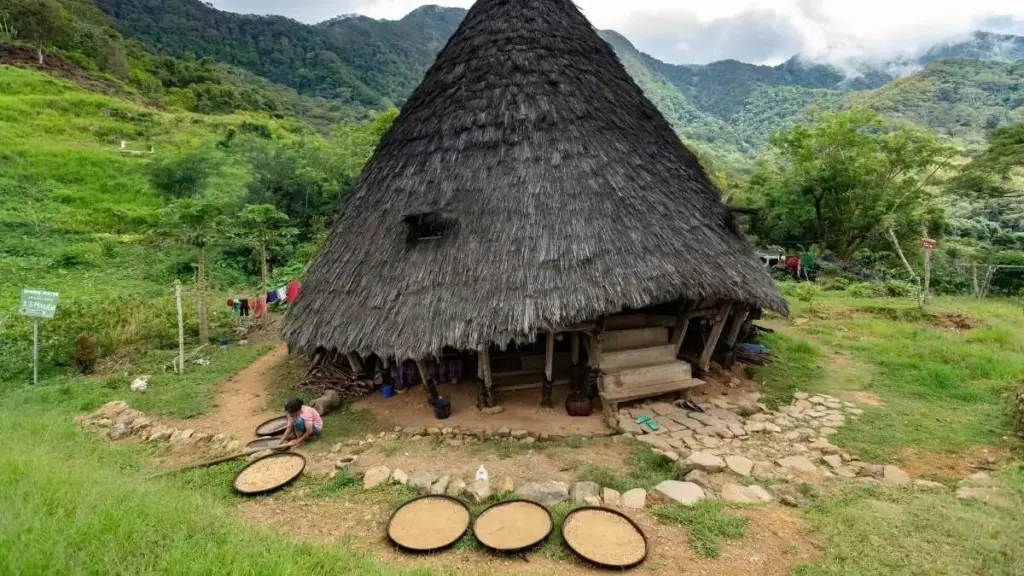
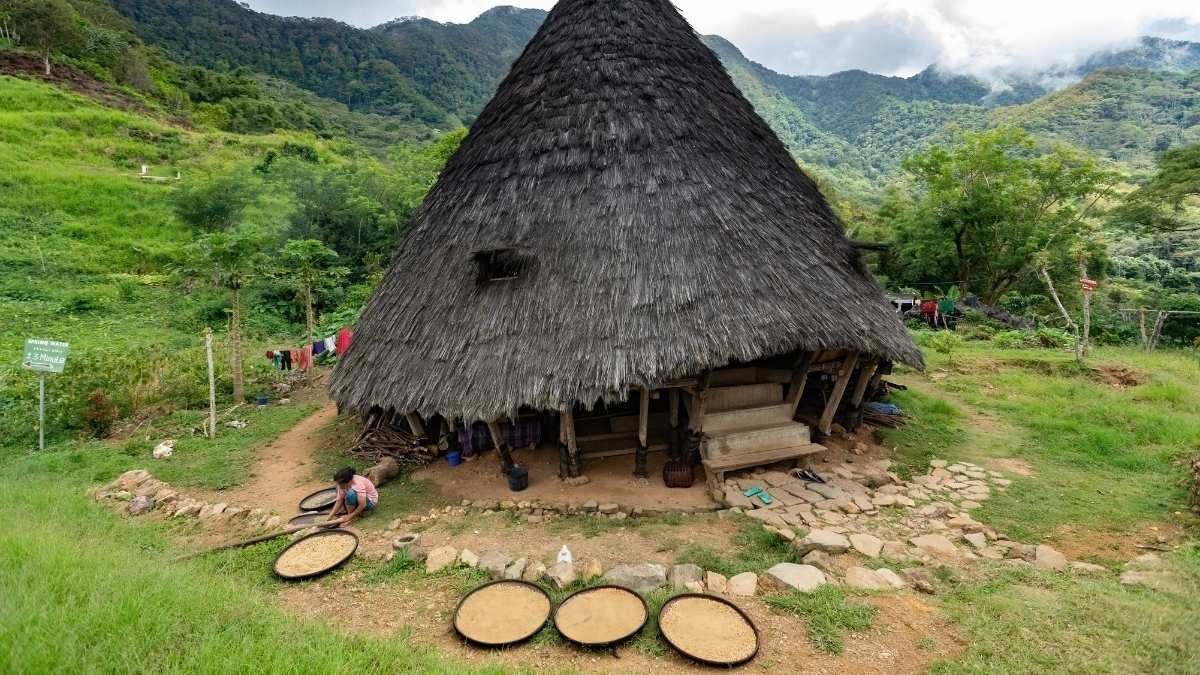
- Community Leadership: Experiences must be community-led, operating with explicit permission in culturally significant sites. In Indonesia’s remote Wae Rebo village, visitors stay in community-managed guesthouses, learn traditional coffee harvesting methods, and support the maintenance of iconic mbaru niang cone-shaped houses through tourism revenue, all while limiting overall visitor numbers via difficult forest trekking routes.
5. Citizen Science and Voluntourism: Data-Driven Conservation
Hands-on conservation transforms travelers into active contributors.
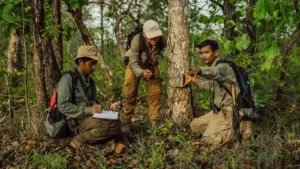
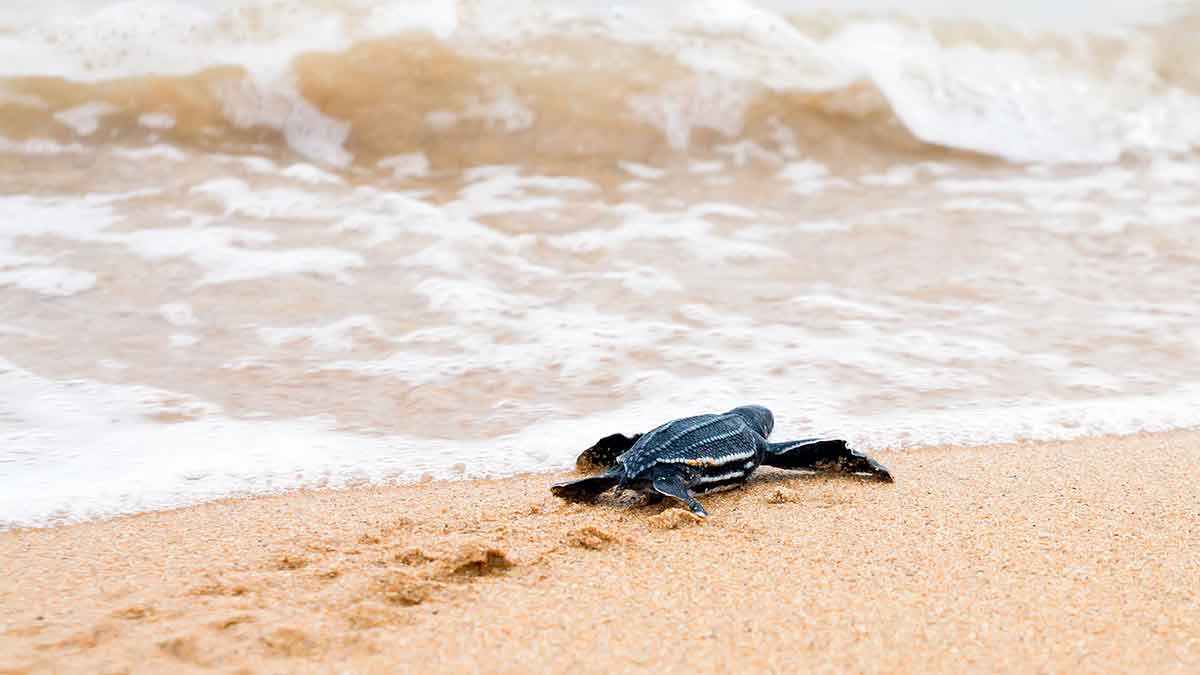
- Measurable Research Impact: Organizations like Earthwatch connect volunteers with scientists across 30 countries. In South Africa, multi-decade volunteer monitoring of critically endangered penguins directly informed legal protections and commercial fishing restrictions. In Costa Rica, citizen-science turtle nest surveys have successfully helped over 26,000 hatchlings reach the ocean.
Official Statements and Industry Insights
Global leaders in sustainable tourism emphasize that the future of travel hinges on radical transparency and accountability.
"If an experience alters wildlife behavior, degrades nature, misrepresents culture, or excludes local communities, it does not meet the definition of ecotourism—regardless of how it is marketed."
— Sustainable Travel International Expert Consensus
Industry bodies stress that compliance cannot be self-certified. Independent verification, rigorous third-party auditing, and community consent are non-negotiable prerequisites for any enterprise claiming to operate under the ecotourism banner. When tourism is managed correctly, it acts as a powerful economic shield for endangered species and vulnerable habitats; when mismanaged, it accelerates the very destruction it claims to prevent.
Future Outlook: Navigating the Road Ahead
As the tourism sector looks toward the future, the demarcation between authentic ecotourism and greenwashed marketing will become increasingly sharp. Travelers are becoming more discerning, demanding verified metrics regarding carbon reduction, community benefit-sharing, and wildlife protection policies.
Moving forward, the integration of digital tracking, stricter international eco-certifications, and community-led governance models will define successful destination management. For travelers, the mandate is clear: thorough research, skepticism toward superficial "eco" labels, and a commitment to supporting operators who place planetary health and human dignity at the core of their operations. By embracing these principles, tourism can evolve from an extractive burden into a powerful force for global ecological regeneration.