Executive Overview
For generations, the allure of the mountains has drawn millions of travelers seeking crisp air, dramatic landscapes, and a sanctuary from the urban grind. Yet, this mass migration of outdoor enthusiasts carries a heavy paradox: the very vehicles used to reach these pristine environments are slowly degrading them. Mountain towns across the globe—once defined by quiet streets, starlit nights, and the gentle rustle of pine forests—are increasingly choked by bumper-to-bumper traffic, idling engines, and a relentless wave of seasonal congestion.
The infrastructure of these historic alpine communities was never engineered to support the volume of modern tourism. Narrow two-lane access roads, heavily constrained valley footprints, and severely limited parking options buckle under the weight of peak summer and winter travel seasons. The environmental toll is equally stark. According to data compiled by the National Parks Conservation Association, an alarming 96 percent of U.S. national parks are currently located in regions with unhealthy air quality levels, with vehicle emissions serving as a primary contributor.
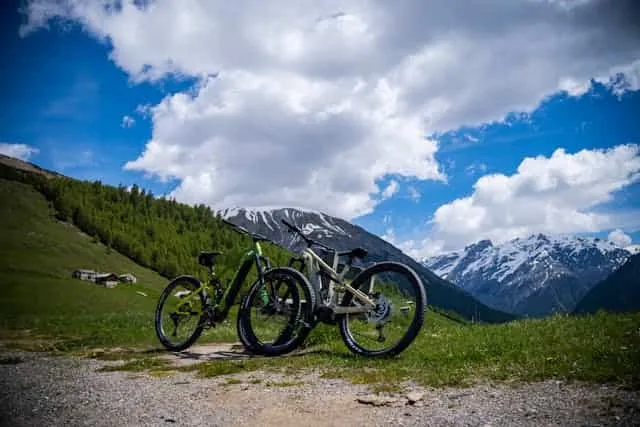
As a result, a growing movement among eco-conscious travelers, municipal leaders, and outdoor recreation advocates is championing a cleaner, more harmonious alternative: the electric mountain bike (e-mountain bike). By substituting traditional gasoline-powered automobiles for pedal-assist electric bicycles on shorter local transit legs, visitors can dramatically shrink their carbon footprints. Beyond emissions reduction, e-bikes fundamentally transform the travel experience. They dissolve the psychological barrier of the windshield, replacing the frustration of gridlock with immersive, sensory-rich travel that protects the ecological integrity of vulnerable mountain ecosystems.
Detailed Chronology: The Evolution of Mountain Access and the Automobile Crisis
To understand why mountain destinations have reached a critical crossroads, one must examine how tourism and transportation have evolved over the past century.
The Era of the Open Road (Mid-to-Late 20th Century)
In the decades following World War II, the rise of car ownership and the expansion of national highway systems democratized travel to remote natural wonders. Mountain valleys that were once accessible only by rigorous rail journeys or multi-day horseback treks were suddenly within a few hours’ drive of major metropolitan areas. Towns transformed from quiet logging, mining, or farming settlements into vibrant hospitality hubs. Local economies boomed, but this economic prosperity was inextricably linked to the combustion engine.
The Tipping Point of Over-Tourism (Early 2000s–2010s)
By the turn of the 21st century, the sheer volume of visitors began to overwhelm the finite carrying capacity of alpine environments. Destinations like Zion National Park, Rocky Mountain National Park, and popular European resort towns experienced unprecedented gridlock.
Municipalities were forced to implement reactive emergency measures:
- Mandatory Shuttles: Park authorities instituted massive fleet systems to haul tourists up canyons, attempting to remove private vehicles from sensitive corridors.
- Timed-Entry Reservations: Landmarks established strict reservation windows to cap daily visitor numbers, turning spontaneous getaways into heavily regimented logistics operations.
- Imposed Driving Restrictions: Road closures and vehicle bans became standard operating procedure during peak holiday weeks.
Despite these interventions, the fundamental problem persisted. Visitors still drove thousands of miles to reach a destination, only to continue driving short distances between hotels, trailheads, restaurants, and scenic overlooks—burning fuel and creating localized air stagnation in narrow alpine valleys.
The E-Bike Revolution (Present Day)
The widespread commercialization of high-torque, reliable electric mountain bikes over the last decade has offered a tangible antidote to this automotive dependence. Initially viewed with skepticism by purists, e-bikes have rapidly matured into sophisticated, durable machines capable of handling steep alpine inclines and rugged backcountry terrain. Today, forward-thinking mountain towns are integrating e-bikes into their regional transit planning, creating dedicated charging hubs, expanded multi-use pathways, and progressive trail access policies that welcome electric mobility as a key pillar of sustainable tourism.
Supporting Context & Metrics: The Mathematics of Sustainable Travel
The environmental advantages of transitioning from cars to e-bikes are backed by compelling empirical research. When evaluating the emissions profile of a mountain vacation, the mode of transport used within the destination matters just as much as the vehicle used to get there.
Carbon Reductions and Modal Shifts
Research conducted by urban mobility specialists at Portland State University provides a clear window into the potential impact of e-bike adoption. According to their findings, replacing a modest 15 percent of all urban and recreational car trips with e-bikes would result in a staggering 12 percent reduction in carbon dioxide emissions.
When translated to the micro-level of a mountain vacation, the numbers are equally striking:
- Per-Bike Offsets: Academic studies estimate that a single e-bike used regularly to replace short car trips can eliminate approximately 225 kilograms (nearly 500 pounds) of CO2 emissions annually.
- The Short-Trip Paradox: In mountain towns, the vast majority of daily excursions—such as driving from a cabin to a trailhead or cruising into town for dinner—fall well within the 3-to-10-mile sweet spot where e-bikes excel over automobiles.
- Acoustic Ecology: Beyond greenhouse gases, noise pollution is a severely underrated stressor in natural habitats. Internal combustion engines generate persistent low-frequency drone that disrupts wildlife communication and nesting behaviors. E-bikes operate near-silently, significantly reducing acoustic disturbance along forest corridors.
Infrastructure Strain vs. Lightweight Mobility
Consider the physical wear and tear on local infrastructure. A standard mid-sized SUV weighs roughly 4,000 pounds, whereas an e-mountain bike weighs between 40 and 60 pounds. Multiply that disparity by tens of thousands of weekend tourists, and the contrast in road degradation, parking lot expansion demands, and soil erosion along unofficial pull-offs becomes self-evident. Lightweight electric mobility preserves the physical fabric of mountain communities, reducing the millions of dollars local governments must spend annually on road resurfacing and traffic management.
Official Statements & Expert Perspectives
As municipalities, conservation groups, and outdoor industry leaders grapple with the future of alpine tourism, a consensus is emerging around the integration of light electric vehicles.
Dr. Elena Vance, a leading researcher in alpine ecology and sustainable tourism development, emphasizes the psychological shift that occurs when travelers abandon their cars:
"When you travel by car through a mountain pass, you are an observer behind glass. You are insulated from the environment, focused entirely on traffic, parking spots, and tail-lights. When a visitor climbs onto an e-mountain bike, that protective shell disappears. You smell the pine resin, you feel the drop in temperature as you gain elevation, and your pace aligns with the natural rhythms of the landscape. It transforms tourism from a consumptive activity into a participatory, respectful engagement."
Municipal planners in high-altitude resort regions are echoing these sentiments from an infrastructure perspective. Marcus Holloway, a regional transit coordinator for mountain district planning, notes the operational relief that micro-mobility provides:
"Our valley roads cannot be widened; geography simply forbids it. We cannot pave our way out of congestion by building more parking lots without destroying the very natural beauty people came to see. E-bikes offer a profound spatial efficiency. You can park twenty e-bikes in the footprint of a single full-size SUV. By encouraging visitors to leave their cars parked at their lodging and explore via electric pedal-assist bikes, we reclaim our streets for pedestrians, wildlife, and clean air."
Conservation advocates also point out that responsible e-bike use fosters a deeper stewardship ethic. Travelers who experience the fragility of a mountain ecosystem firsthand are measurably more likely to support local conservation initiatives, vote for watershed protection measures, and practice Leave No Trace principles on the trails.
Future Outlook: The Road Ahead for Mountain Communities
Looking toward the horizon, the intersection of ecotourism and electric mobility points toward an increasingly connected, low-impact future. Several key trends are shaping how mountain destinations will operate in the coming decades:
1. Smart Infrastructure and Universal Charging Networks
Mountain towns are actively upgrading their municipal amenities to support the e-mobility boom. Future-proofed destinations are installing solar-powered e-bike charging stations at key trailheads, transit hubs, and commercial centers. These networks ensure that visitors can reliably trek with electric mountain bike routes across extended distances without fear of battery depletion.
2. Seamless Intermodal Travel
The ultimate vision for sustainable mountain travel relies on "intermodal" integration. Travelers will arrive at regional transportation hubs via high-speed electric trains or long-range electric buses, seamlessly transition to rented or personal e-mountain bikes upon arrival, and navigate their entire vacation without ever turning on an internal combustion engine. This closed-loop system entirely eliminates destination-level traffic congestion.
3. Evolving Trail Management and Equitable Access
As land managers refine their policies regarding Class 1, Class 2, and Class 3 e-bikes, trail networks are becoming more systematically categorized. Clear signage, digital apps detailing permitted routes, and cooperative agreements between land agencies and user groups ensure that backcountry harmony is maintained. This structured approach allows hikers, traditional mountain bikers, and e-bike riders to share the wilderness responsibly.
4. The Traveler’s Responsibility
Ultimately, the success of this sustainable shift rests in the hands of the individual traveler. Before embarking on an alpine getaway, visitors are encouraged to carefully plan their logistics:
- Select Appropriate Equipment: Invest in quality e-bikes engineered specifically for mountain terrain, featuring robust battery capacities and reliable braking systems capable of managing steep descents.
- Prioritize Gear Preparation: Secure essential accessories—such as puncture-resistant tires, helmets, hydration packs, and multi-tools—prior to arrival to avoid last-minute supply chain strains on small mountain economies.
- Respect Local Regulations: Thoroughly research trail classifications and municipal ordinances before hitting the dirt, ensuring a low-impact journey that respects wildlife and fellow outdoor enthusiasts.
By making the conscious choice to swap car keys for an e-bike throttle and set of pedals, modern travelers can help safeguard the majesty of the world’s mountain ranges. In doing so, they ensure that these breathtaking landscapes remain wild, vibrant, and pristine for the generations of adventurers yet to come.