

Executive Overview
As a potentially historic El Niño builds across the Pacific Ocean, a growing body of scientific evidence suggests that anthropogenic climate change is acting as an accelerator, ratcheting up the intensity and frequency of these powerful climate events. Projections indicate that as global temperatures continue to rise, the destructive capacity of future El Niños will expand, posing unprecedented challenges to global ecosystems, economies, and human societies.
Recent paleoclimate research, utilizing ancient coral reefs and tree rings to look back over a millennium, reveals that the intensity of El Niño variability observed over the past four decades is anomalous compared to the pre-industrial era. While natural climate variability and internal ocean-atmosphere fluctuations have always driven cyclic weather patterns, scientists are increasingly confident that human-driven greenhouse gas emissions are pushing the El Niño-Southern Oscillation (ENSO) system into uncharted, highly volatile territory. With the unfolding 2026–2027 El Niño projected to peak at record-shattering levels, the global community faces a compounding crisis: even moderate El Niño events in an overheated world will yield outsized, catastrophic impacts.
Detailed Chronology: Unfolding of a Potential Record-Breaker
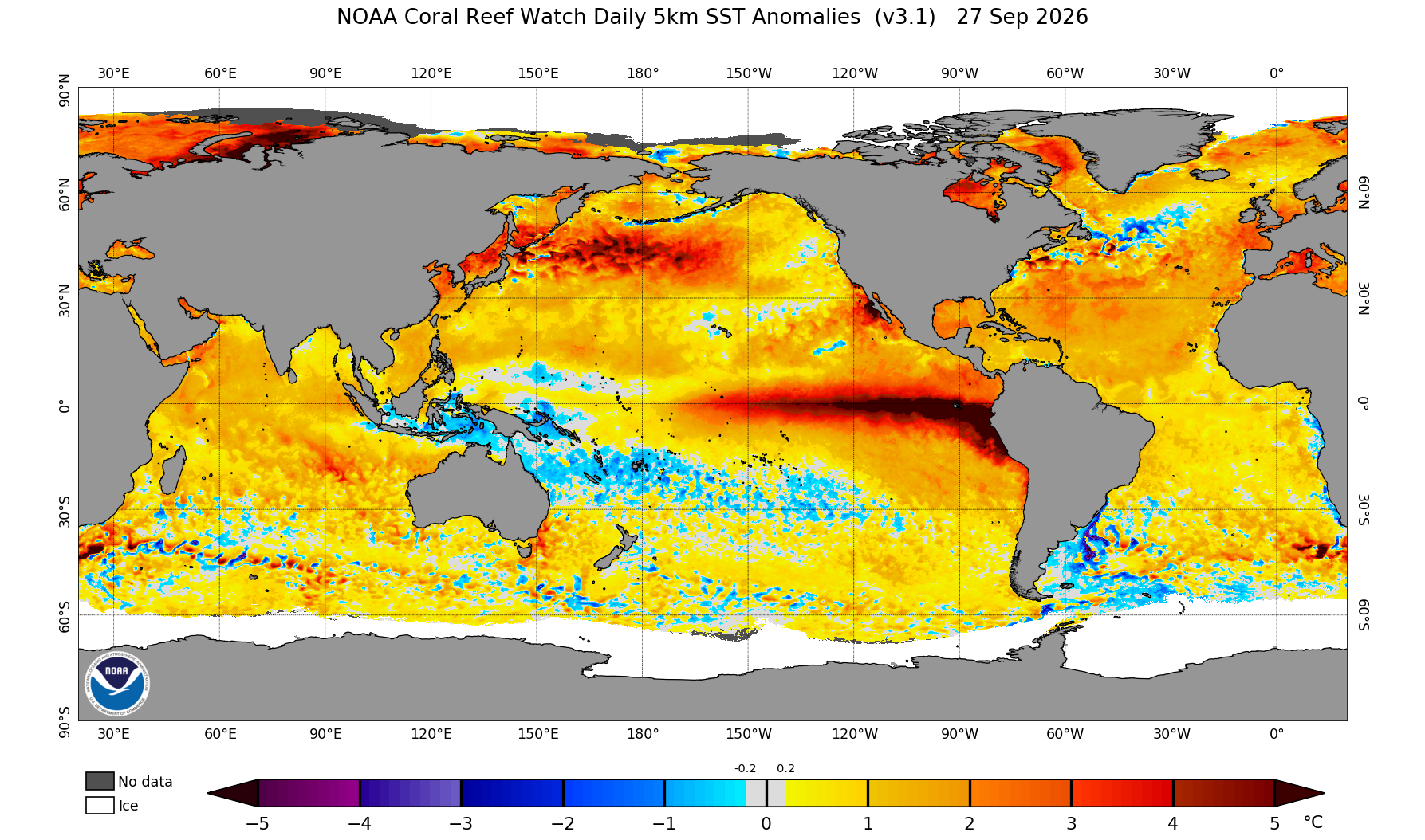
The contemporary climate landscape is being severely tested by an unfolding El Niño event that climate models forecast will peak between October and December 2026. According to early-stage studies and advisories from organizations like NASA and the National Oceanic and Atmospheric Administration (NOAA), this current cycle has a 75% chance of exceeding the strength of any recorded El Niño dating back to 1950. Pre-print studies suggest that an event of this massive scale is six times more likely to occur today than in a pre-industrial climate, heavily influenced by background global warming.
The impacts of this building climate titan are already manifesting globally well ahead of its anticipated peak:

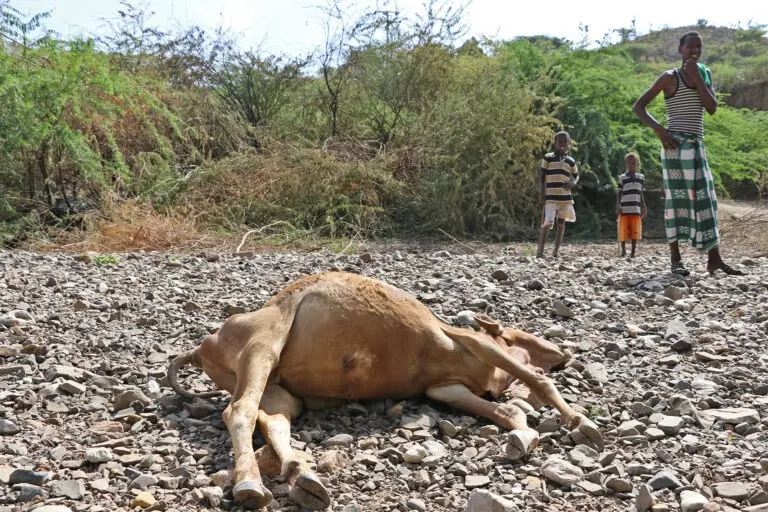
- Indonesia: Severe droughts have triggered unprecedented, rampant forest and land fires across regions like South Kalimantan.
- South America: Heavy, destructive flooding has begun impacting vulnerable coastal and lowland communities in Peru.
- South Asia: Monsoonal rains have experienced significant disruptions and delays, threatening regional agricultural yields and food security.
Climate scientists such as Mark Cane of Columbia University—whose foundational work in the late 1980s and early 1990s revolutionized El Niño forecasting—note that the 2026–2027 event is tracking alongside the largest historical occurrences on record. Furthermore, prominent researchers like James Hansen and Zeke Hausfather warn that this historic El Niño could propel global average temperatures in 2027 up to 1.7°C (3.06°F) above pre-industrial levels, temporarily breaching critical warming thresholds before subsiding.
Supporting Context & Metrics: Unlocking the Past Through Paleoclimate Proxies
For decades, evaluating the relationship between climate change and El Niño was constrained by a lack of observational data. While modern satellites, buoys, and monitoring stations track sea-surface temperatures meticulously, comprehensive instrumental data prior to 1981 is sparse. To bridge this historical gap, scientists have turned to natural archives—specifically coral skeletons and tree rings—to reconstruct sea-surface temperatures spanning centuries and millennia.
The Galapagos Coral Records
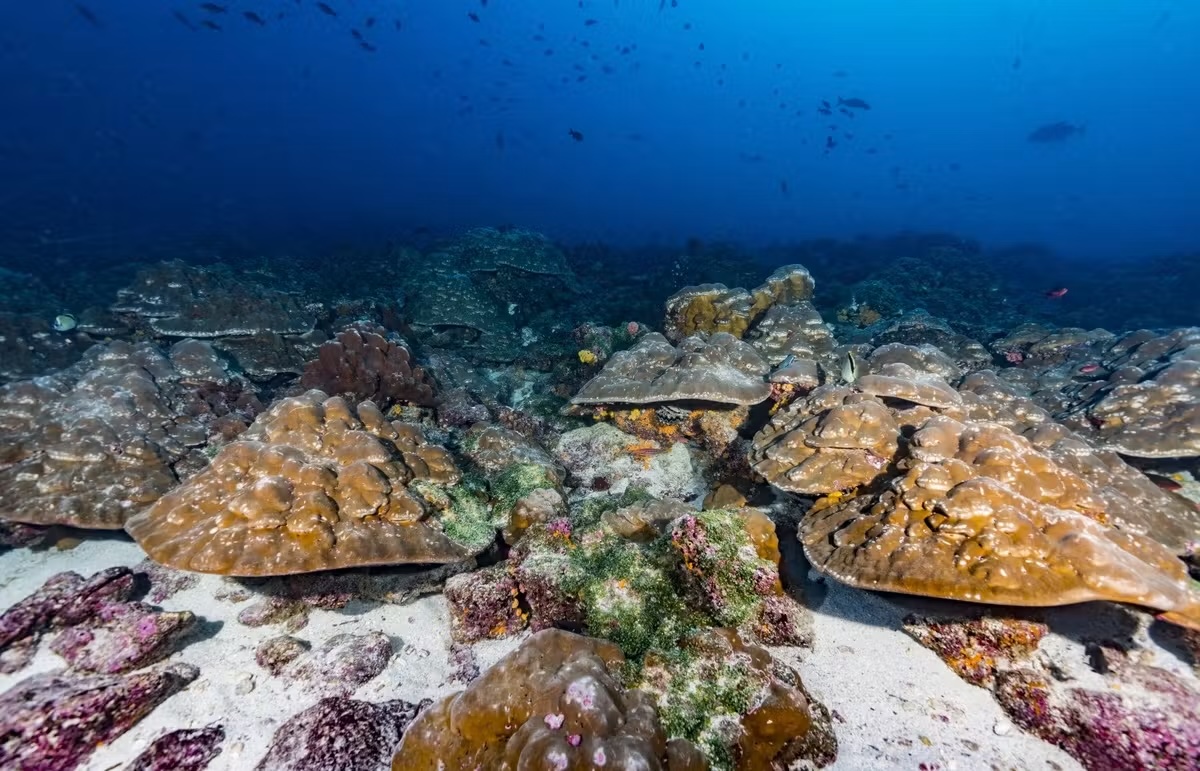
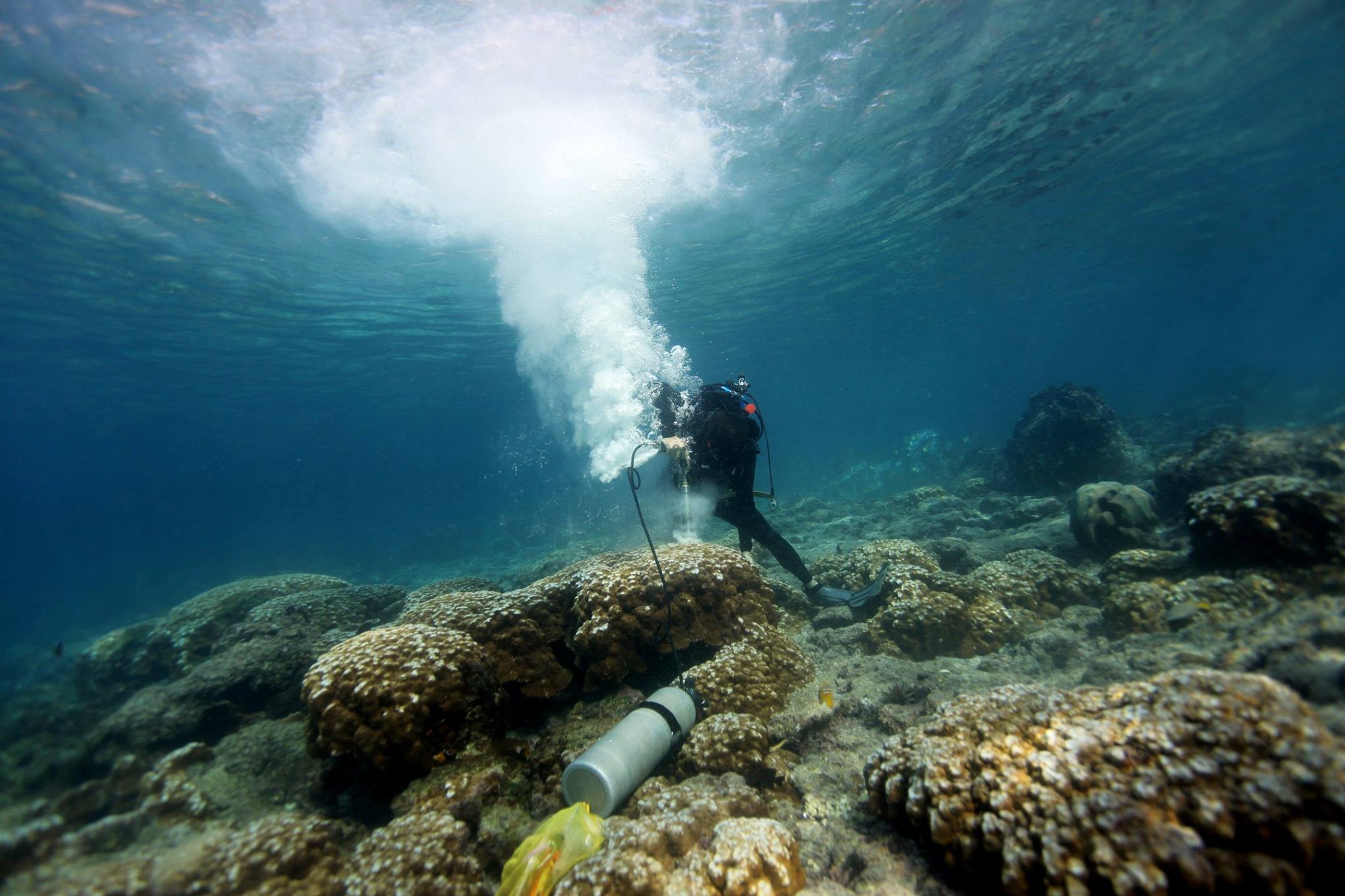
In a landmark study published in Science, an international team of researchers analyzed coral cores extracted from the Galapagos Islands. By measuring calcium-to-strontium ratios and oxygen isotopes preserved in coral skeletons during their formation, the team reconstructed a roughly 1,000-year timeline of regional sea-surface temperatures.
Though the data collection stopped before the 2015–2016 and 2023–2024 events, the dataset successfully captured ultra-strong historical markers, including the catastrophic 1982–1983 and 1997–1998 El Niño events. Notably, the 1982–1983 marine heatwave killed approximately 95% of corals in the Galapagos, leaving physical scars known as "death horizons" in the samples.
Lead author Julia Cole, professor and chair of the Department of Earth and Environmental Sciences at the University of Michigan, highlighted the significance of the findings:
"We were able to use the coral records to show that the El Niño variability in the last 40 to 50 years is stronger than in the pre-industrial era."
The research revealed a striking 36.5% increase in El Niño intensity over the past 40 years. This upward trend mirrors the iconic "hockey stick" climate graph, mapping intensifying climate events directly against rapidly accelerating global temperatures.
Tree Rings and Hydro-Climatic Variability
Complementing the coral data, tree-ring analyses published by Mark Cane and collaborators in 2024 reinforce the conclusion that modern El Niño cycles are experiencing unprecedented intensification. While neither data source serves as a definitive standalone proof, their convergence paints a credible picture: human alterations to the Earth’s climate system are reshaping fundamental oceanic oscillations.
Additionally, Axel Timmerman, director of the IBS Center for Climate Physics at Pusan National University, points out that warming atmospheres enhance "hydrological variability." Warmer air holds exponentially more moisture—a fact underscored by atmospheric water vapor records broken during the 2016 and 2024 El Niño years. This dynamic supercharges the rainfall associated with El Niños while paradoxically triggering severe, prolonged droughts in susceptible regions.
Official Statements & Scientific Debate
Despite mounting correlations, the scientific community maintains a rigorous debate regarding whether climate change is structurally altering El Niño frequency and longevity, or if current observations are merely the product of complex, random natural fluctuations.
The Modeling Challenge
Climate modelers attempting to simulate future ENSO behaviors have historically produced divergent results. While early models in the late 1990s—pioneered by researchers like Timmerman—suggested that rising greenhouse gases would increase El Niño variability, subsequent studies have painted a mixed picture. Some models predict a doubling of extreme El Niños, while others suggest temporary intensification followed by weakening.
Christopher Callahan, a climate scientist at the University of Idaho, emphasizes the difficulty of isolating climate change from internal ocean-atmosphere noise:
"The lay of the land here is best represented by the fact that I have published two papers coming to completely opposite conclusions about what climate change is going to do to El Niño using different models. You can get decades of very quiet El Niño just due to random fluctuations in the ocean and the atmosphere. It’s hard to distinguish climate change from those significant random variations."
The Consensus on Compounding Risks
While absolute attribution of every individual El Niño event to climate change remains scientifically complex, leading experts agree that the systemic backdrop has fundamentally shifted.
Axel Timmerman notes that while the current unfolding El Niño is consistent with modeling trends, it cannot be used as isolated proof of a new regime. However, he warns that the compounding effects of high-intensity El Niños occurring against a baseline of global warming demand entirely new paradigms in resilience planning.
Future Outlook: Navigating a Turbulent World Beyond 1.5°C
The United Nations recently confirmed that human-induced warming is set to exceed the critical 1.5°C (2.7°F) threshold established by the 2015 Paris Agreement. International bodies have urged immediate, aggressive action to draw global temperatures back below this threshold to avert irreversible tipping points and preserve a habitable planet.

Into this fragile planetary equation, amplified El Niño events inject severe volatility. Julia Cole warns that society can no longer judge El Niño threats by historical standards:
"If we can link stronger El Niños to a warming climate, this adds one more way in which a warming world is wreaking havoc on our daily lives and on the risks and hazards that we face from climate change. It’s one more reason to take seriously the need to address the root causes of global warming… I think it’s important to remember that now in a warmer world, even a moderate El Niño will have bigger impacts than it would have in a cooler world."
For example, the 2023–2024 El Niño cycle was classified as moderate, yet it generated trillions of dollars in economic damages and triggered profound ecosystem disruptions globally.
As nations confront the immediate threats posed by the unfolding 2026–2027 anomaly, experts stress a dual imperative:

- Immediate Disaster Preparedness: Governments and international agencies must look to historical paleoclimate data to prepare civil infrastructure and emergency response frameworks for unprecedented meteorological shocks.
- Long-Term Climate Adaptation: Societies must design robust, multi-hazard resilience strategies capable of absorbing the compounding pressures of rising baseline temperatures and hyper-active, climate-intensified El Niño cycles.
Without addressing the root causes of global greenhouse gas emissions, the world risks navigating an increasingly hostile era where weather extremes become the persistent norm.



