By Emily Monaco
Investigative and Environmental Health Desk
Executive Overview
In the high-stakes landscape of American agriculture, public health, and corporate accountability, a quiet legislative and judicial war is being waged over what the public—and the farmers who feed the nation—are allowed to know about the chemicals sprayed on our food supply.
In early August, a bitterly divided U.S. Senate struck down a proposed amendment to the Farm Bill that would have preserved a vital legal lifeline for consumers and agricultural workers: the right to sue pesticide manufacturers for failing to warn users of proven, life-threatening health risks associated with their products. Proposed by Senator Cory Booker (D-N.J.), the amendment was designed to counter the fallout from a sweeping U.S. Supreme Court decision earlier this summer. That ruling established that federal pesticide labeling requirements approved by the Environmental Protection Agency (EPA) preempt state-level labeling laws, effectively slamming courthouse doors in the faces of cancer victims and rural communities.
The defeat of Booker’s amendment along strict party lines represents a critical juncture in environmental health regulation. Critics argue it grants agrochemical giants unprecedented corporate immunity, shielding them from financial and legal consequences when their products cause catastrophic illnesses like non-Hodgkin’s lymphoma, ovarian cancer, and gastrointestinal malignancies.
With legislative avenues temporarily blocked, environmental advocacy groups are shifting the battleground back to federal agencies and the courts. An emergency petition filed by the Center for Biological Diversity demands that the EPA finally mandate cancer warning labels on dozens of widely used pesticide active ingredients that the agency’s own scientists have linked to cancer. As the chasm between corporate protections and public safety widens, the stakes for America’s farmers, pesticide applicators, and rural families have never been higher.
Detailed Chronology: From Courtrooms to Capitol Hill
To understand the current crisis surrounding pesticide liability, one must trace a clear, alarming trajectory through the American legal and legislative systems over the past several months.
The Missouri Verdict and the Supreme Court Reversal
The legal firestorm was ignited by a landmark Supreme Court decision in June, which effectively overturned a judgment handed down by the Missouri Court of Appeals. That state-level court had previously awarded $1 million to John Durnell, a Missouri resident who developed non-Hodgkin’s lymphoma after two decades of heavy reliance on Roundup—the ubiquitous glyphosate-based herbicide manufactured by agricultural titan Bayer (which acquired Monsanto in a historic, record-setting merger).
Durnell’s legal team argued that Bayer/Monsanto failed to adequately warn consumers of the carcinogenic risks tied to glyphosate use. However, the agrochemical giant appealed to the highest court in the land, arguing that federal law—specifically the Federal Insecticide, Fungicide, and Rodenticide Act (FIFRA)—governs pesticide labeling nationwide.
The Supreme Court ultimately sided with the corporation, ruling that state laws cannot impose labeling or packaging requirements "in addition to or different from" those mandated under federal law. By stripping individual states of their authority to enforce stricter warning labels tailored to protect their citizens, the ruling created a sweeping federal preemption. In practice, it rendered state-level failure-to-warn lawsuits legally impossible.
Senator Booker’s Farm Bill Amendment
Recognizing the devastating implications of the Supreme Court’s ruling, Senator Cory Booker stepped forward in early August with an amendment to the overarching Farm Bill. The legislative fix was direct and focused: it sought to clarify and restore the legal rights of individuals harmed by toxic chemicals, ensuring they retained the right to hold manufacturers accountable in court for failing to disclose known health risks.
"This ruling gives giant chemical corporations a free pass when their toxic products make people sick," Senator Booker warned during debates, characterizing the decision as granting "permanent immunity from lawsuits about their failure to warn people about the known health risks of their products."
Had the amendment passed, it would have served as a statutory counterweight to the Supreme Court’s preemption doctrine, safeguarding "the fundamental right of cancer victims to have their day in court." Instead, the amendment met a partisan wall, voted down strictly along party lines as agricultural lobbies and industry defenders held the line against expanded corporate liability.
Supporting Context & Metrics: The Human and Scientific Toll
While legislators debate preemption doctrines and federal statutes, the scientific consensus regarding the toxicity of modern chemical agriculture continues to mount. The human cost of this regulatory vacuum falls disproportionately on those who live and work in America’s agricultural heartlands.
The High Cancer Burden in Rural Communities
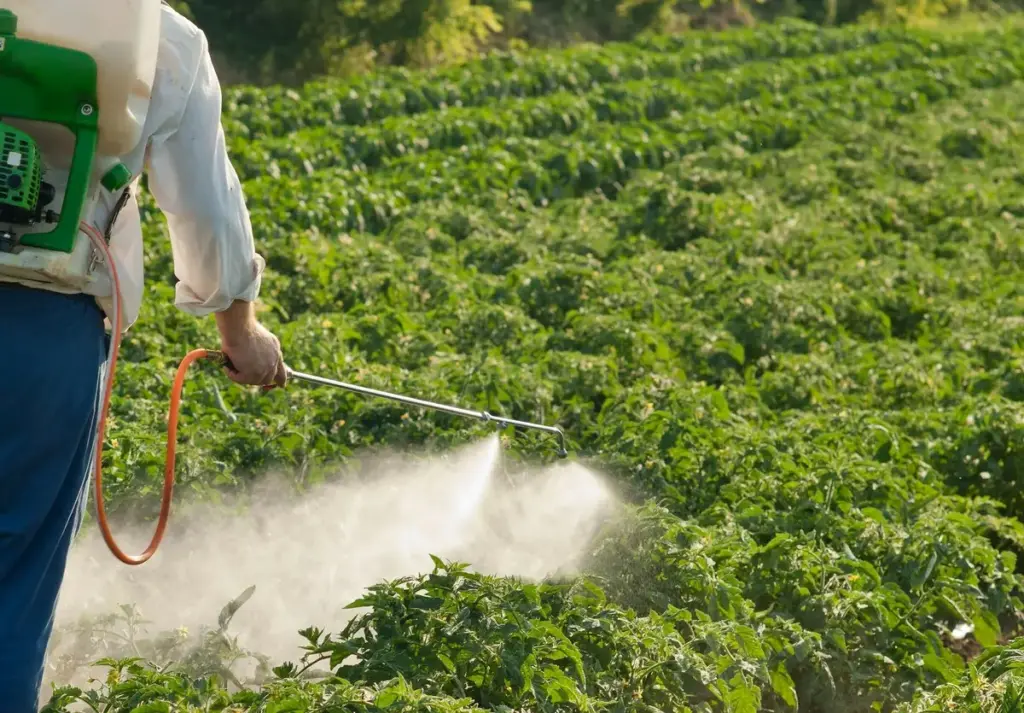
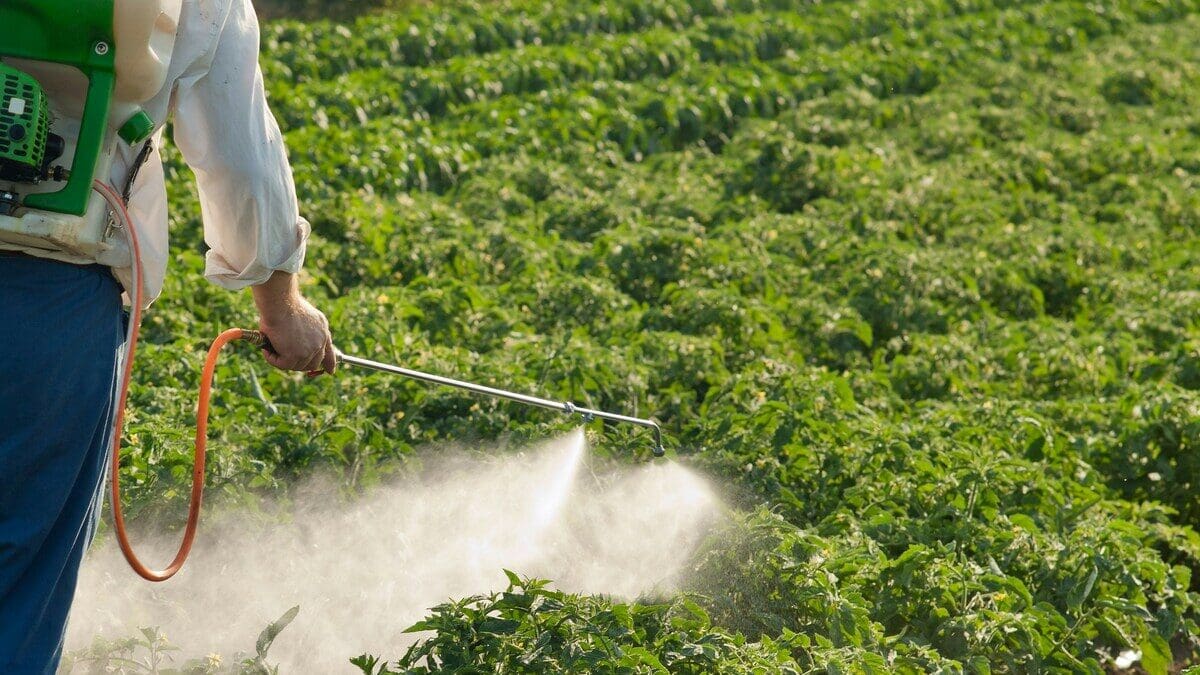
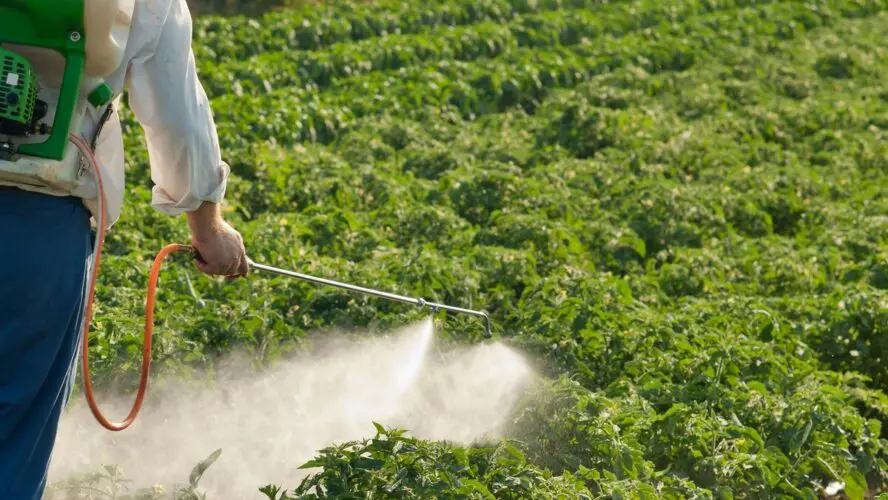
Non-profit organizations and environmental health scientists have long pointed out that pesticide applicators, commercial farmers, and rural residents experience significantly elevated cancer rates compared to the general American population. Constant, long-term exposure to complex chemical cocktails—often applied via backpack sprayers, tractor rigs, or aerial dusting—creates an occupational hazard that many workers enter without full informed consent.
The Center for Biological Diversity’s recent emergency petition highlights a staggering regulatory blind spot:
- The EPA has formally identified 199 pesticide active ingredients that possess proven links to cancer.
- Of those 199 known or suspected carcinogens, 124 remain actively registered for commercial and agricultural use in the United States.
- Crucially, the vast majority of these 124 chemicals carry no mandatory disclosure requirements or on-package health warnings informing workers and consumers of their carcinogenic potential.
Case Studies in Toxicity: Mancozeb and Carbaryl
The failure to require transparent warning labels leaves vulnerable populations exposed to severe health threats without adequate safety equipment or awareness. Two prominent chemicals spotlighted by environmental watchdogs underscore the urgency of the crisis:
- Mancozeb: A widely used agricultural fungicide heavily relied upon in crop protection. Peer-reviewed scientific literature published in environmental toxicology journals has linked chronic exposure to mancozeb with an increased risk of reproductive system complications, most notably ovarian cancer among female agricultural workers and rural residents living near treated fields.
- Carbaryl: A broad-spectrum organophosphate insecticide utilized across various fruit, vegetable, and turf crops. Recent studies have demonstrated concerning correlations between occupational carbaryl exposure and elevated risks of aggressive gastrointestinal malignancies, specifically stomach and esophageal cancers.
Despite these documented pathological outcomes, these chemicals remain legally cleared for application across millions of acres of American farmland, devoid of any clear, explicit warning label cautioning handlers about cancer risks.
Official Statements and Institutional Responses
The battle lines between federal regulators, environmental advocates, and corporate entities reflect deep ideological divides over the precautionary principle in public health.

The Advocacy Perspective: "Do Your Job"
Environmental health scientists argue that the current regulatory framework protects corporate balance sheets at the expense of human lives. Nathan Donley, environmental health science director at the Center for Biological Diversity, did not mince words when discussing the organization’s July petition demanding EPA-mandated cancer warning labels.
"It’s more important than ever for the EPA to finally start requiring pesticide companies to put cancer warnings on products the agency itself has linked to cancer," Donley stated. "We’re asking for something ridiculously easy. Just warn the public of the serious health risks the EPA already knows about. In other words, do your job."
Advocates argue that placing warning labels directly on packaging is a bare-minimum regulatory intervention. If the federal government acknowledges through its own scientific assessments that a chemical can cause cancer, withholding that information from the end-user strips individuals of their agency to make informed occupational and health choices.
The Federal Agency Response: Procedural Bureaucracy
Faced with mounting pressure from environmental non-profits, legal scholars, and public health advocates, the federal government’s response has been characteristically measured and bureaucratic. When contacted for comment regarding the emergency petition to mandate cancer warning labels, the EPA press office issued a brief, non-committal statement:
"As with all petitions, EPA will evaluate the incoming petition."
This cautious stance reflects the difficult tightrope federal agencies must walk. On one hand, the EPA is statutorily mandated to protect human health and the environment under federal environmental laws. On the other hand, it operates within a deeply politicized regulatory ecosystem heavily influenced by agricultural trade associations, chemical manufacturing lobbies, and the looming shadow of federal preemption doctrines solidified by the judiciary.

Future Outlook: Where Do We Go From Here?
The defeat of Senator Booker’s Farm Bill amendment and the solidification of the Supreme Court’s preemption ruling mark a challenging era for food safety and environmental justice advocates. However, the war over pesticide labeling and corporate accountability is far from over.
1. The Legal and Administrative Front
With legislative pathways temporarily closed by partisan gridlock in Congress, advocacy groups are doubling down on administrative petitions and state-level regulatory strategies. While the Supreme Court blocked states from imposing different labeling requirements, legal scholars are examining whether targeted federal rulemaking by the EPA could achieve similar protective goals nationwide without stepping on preemption landmines. If the EPA were to officially update its own federal labeling standards to include cancer warnings for the 124 active ingredients currently lacking them, it would bypass the state-law preemption hurdle entirely.
2. Market Pressures and Consumer Awareness
As legal avenues narrow, consumer demand and supply chain transparency may exert increasing pressure on agrochemical corporations and food producers. The growing market share of organic, regenerative, and pesticide-free agriculture indicates that a significant segment of the American public is unwilling to accept chemical-intensive farming practices as an unalterable status quo. Retailers and grocery conglomerates may find themselves forced to adopt stricter internal standards regarding chemical residues to maintain consumer trust.
3. The Ongoing Human Toll
Ultimately, the debate transcends legal briefs and legislative amendments. For the farmworkers mixing chemicals in rural sheds, the families drawing water from rural aquifers, and the cancer patients seeking legal recourse after decades of exposure, the stakes are existential. Until federal regulators mandate transparent disclosures or Congress restores the right of citizens to challenge corporate negligence in court, America’s agricultural communities will continue to bear the hidden costs of chemical preemption.
Sources & Further Reading
- Science of the Total Environment – Research on Mancozeb and Ovarian Cancer Risks.
- International Journal of Hygiene and Environmental Health – Studies on Organophosphate Insecticides (Carbaryl) and Gastrointestinal Malignancies.
- Center for Biological Diversity – Emergency Petition for Cancer Warning Labels on Registered Pesticides (July 2026).
- U.S. Supreme Court Decision on Pesticide Labeling Preemption (June 2026).