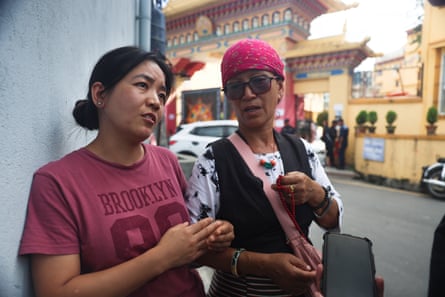
One week after devastating floods and relentless torrential rains tore through northern Nepal and the Tibetan border regions, a grim bureaucratic and humanitarian operation is unfolding in Kathmandu. With the death toll surpassing 1,000 confirmed fatalities and nearly 4,000 individuals listed as missing, local morgues have long since exceeded capacity. Authorities have been forced to resort to mass burials, depriving grieving families of traditional rites and creating an acute identification crisis.
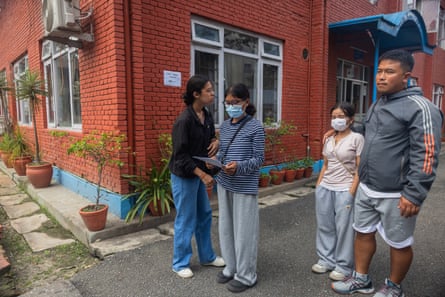
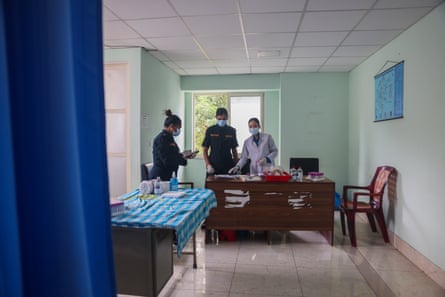
In response, the Nepali military and government health agencies have established centralized DNA collection hubs. Families of the missing—ranging from local villagers to international relatives flying in from Australia and beyond—are lining up outside hospitals to provide blood samples. Their objective is to match their genetic profiles against recovered remains before the physical evidence of identity is lost entirely.
Meanwhile, remote communities in the upper Rasuwa district remain utterly cut off from the outside world. Destroyed infrastructure, washed-out bridges, and impassable mountain passes have left hundreds of survivors stranded without food, medical care, or communication. Humanitarian agencies like Save the Children warn that the compounding crises of displacement, severe childhood malnutrition, waterborne disease outbreaks, and heightened vulnerabilities to human trafficking threaten to turn an immediate natural disaster into an enduring generational catastrophe.
Detailed Chronology: A Week of Despair and Isolation
Day 1–3: The Deluge and the Severing of the North
The catastrophe began with unprecedented seasonal downpours that triggered catastrophic flash floods and massive mudslides across the Himalayan foothills. Waters surged down narrow river valleys, completely flattening settlements near the Chinese border.
In the upper Rasuwa district, entire villages were swallowed by roaring torrents. Residents higher up the mountain slopes watched in horror as their homes, local businesses, and loved ones were swept away in minutes. Crucially, the disaster obliterated the region’s transport arteries. Vital mountain roads collapsed into gorges, and suspension bridges were ripped from their anchors, plunging northern communities into immediate isolation.
Day 4–5: The Realization of the Scale and the Morgue Crisis
As initial rescue teams attempted to push north, they encountered impassable terrain, active landslide zones, and broken communications lines. In Kathmandu, the true scale of the tragedy began to emerge as casualty figures climbed past 1,000.
Local hospitals and municipal morgues quickly became overwhelmed. Faced with decomposing remains and a lack of refrigeration infrastructure, authorities made the agonizing decision to perform mass burials for hundreds of unidentified bodies. This practice sparked widespread panic and despair among families searching for their relatives, as traditional cremation and burial customs—vital to grieving processes in Nepali culture—were abruptly rendered impossible.
Day 6–7: The Shift to Genetic Identification and Mobile Aid Hubs
Recognizing that visual identification of bodies was failing, the government pivoted to a mass forensic strategy. Army officials set up temporary triage and DNA sampling stations outside major medical facilities.
Concurrently, humanitarian organizations managed to push preliminary supply lines as far as regional bottlenecks allowed, establishing forward-operating bases at army barracks. While urban centers in the Kathmandu Valley began processing hundreds of DNA donors daily, remote northern settlements remained accessible only by perilous footpaths or limited aerial reconnaissance, leaving thousands of survivors dependent on air-dropped rations and sheer resilience.
Supporting Context & Metrics: The Human and Infrastructural Toll
The numbers underscoring the Nepal-Tibet flood disaster reveal an emergency of staggering proportions:
Confirmed Casualties: Over 1,000 people have been confirmed dead.
Missing Persons: Nearly 4,000 individuals remain unaccounted for, including 38 Australian citizens, prompting international consular interventions and coordinated family advocacy groups calling for intensified search efforts.
Displacement: Approximately 200 survivors are currently sheltering at a single Buddhist monastery in Kathmandu, having fled the upper valleys with nothing more than the clothes on their backs.
Child Vulnerability: Save the Children estimates that roughly 2,600 children will require urgent medical intervention for "severe wasting" (acute malnutrition) in the coming weeks, while over 100 children are believed to have been separated from their parents or guardians amidst the chaos.
Geographical Obstacles: The UN reports that restoring physical access to the furthest northern reaches along the Chinese border could take several weeks due to total highway obliteration.
The disaster has laid bare the extreme vulnerability of Himalayan infrastructure to climate-intensified weather events. Villages like Timure, once thriving trading and residential hubs, have been reduced to rubble. For survivors like Lhakpa Gha, 53, who lost seven immediate family members—including her father, son, daughter-in-law, and four-year-old granddaughter—the destruction is absolute. Gha and her husband survived solely because they were temporarily in Kathmandu supervising their grandchildren’s schooling.
Official Statements and Frontline Perspectives
The operational realities on the ground are defined by frustration, exhaustion, and urgent appeals for expanded resources.
The Military and Forensic Response
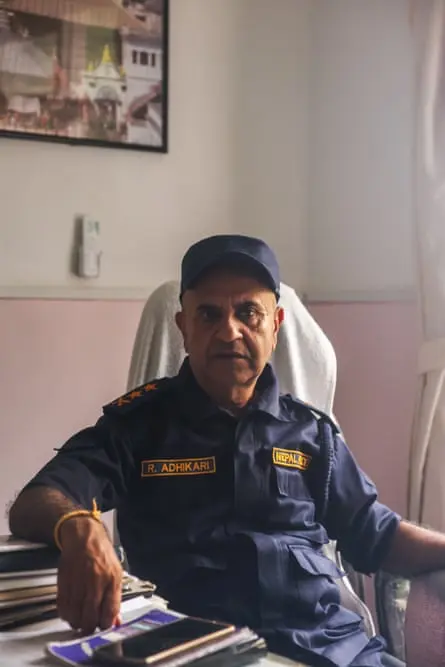
Major Rameshwor Adhikari of the Nepali Army, overseeing the DNA collection process at the central hospital, emphasized the sheer scale of the logistical hurdle:
"We are collecting the blood samples here, from their siblings, or direct relatives. People are coming from all over the valley to give blood, and from different places all over the country… It is a disaster. A natural calamity."
Adhikari noted that while initial participation numbers were modest—37 people on the first operational day—turnout has scaled exponentially, forcing the military to deploy additional shade tents and triage staff to manage the crowds.
International and Family Advocacy
Families of missing foreign nationals have begun organizing collective pressure. In a joint statement issued this week, relatives of 25 missing Australians demanded increased governmental support to "bring our friends and loved ones back home."
Concurrently, local Nepali families from the upper Rasuwa district have voiced intense frustration over what they perceive as an overly cautious and sluggish government rescue deployment. Lhakpa Gha captured the sentiment of the displaced community:
"The army has not been able to reach the village. They keep saying our village is high risk, but we don’t understand. We are fighting with them. If it’s high risk, you need to act. But they have just said they can’t get in."
Humanitarian Logistics
Amy Sagitta Lefevre, speaking from Save the Children’s warehouse in Kathmandu, detailed the crippling access barriers facing non-governmental organizations:
"The challenging bit for rescue workers is the same challenging bit for aid organisations, because we have the same access issues as they do. Aid is definitely getting through, but to a point."
Lefevre highlighted the targeted distribution of non-food items, including tarpaulins, ropes, blankets, and specialized "dignity kits" tailored for pregnant and displaced women who are still wearing the identical garments they wore on the day the disaster struck.
Future Outlook: A Long Road to Recovery and Hidden Dangers
As emergency rescue operations transition painfully into recovery and reconstruction phases, aid organizations and government planners are looking at a timeline extending well beyond a single year.
The Threat of Disease and Malnutrition
With thousands of survivors packed into overcrowded monasteries, temporary camps, and makeshift shelters along valley floors, public health officials are bracing for waterborne disease outbreaks. Contaminated water supplies, combined with inadequate sanitation facilities and a lack of clean drinking water, pose an immediate epidemiological threat. Furthermore, the disruption of agricultural supply chains and local markets threatens widespread nutritional deficits, particularly among infants and young children.
Protection Concerns and Child Trafficking
Beyond immediate medical and nutritional needs, child protection specialists have sounded urgent alarms regarding child safety. Historically, northern Nepal has served as a high-risk zone for the illegal trafficking of vulnerable minors, particularly young girls. While monitoring efforts had achieved some success in mitigating trafficking in recent years, humanitarian workers warn that the chaotic displacement, loss of family breadwinners, and lack of institutional oversight have created a dangerous vacuum.
"This area of Nepal has historically been a hotbed for child trafficking of girls," Lefevre warned. "We’ve heard anecdotally that it may have lessened in recent years, but because of this disaster we are now very concerned about the fact that children or girls… could be trafficked."
Long-Term Reconstruction
Ultimately, the path forward for northern Nepal will require massive capital investment in climate-resilient infrastructure. Rebuilding roads, stabilizing mountain slopes, and reconstructing washed-out bridges will demand coordinated international aid and sustained political will. For now, however, the immediate focus remains painfully intimate: filling out bureaucratic forms, offering vials of blood in crowded hospital corridors, and holding out hope that science can restore names and dignity to the anonymous dead of the Himalayas.