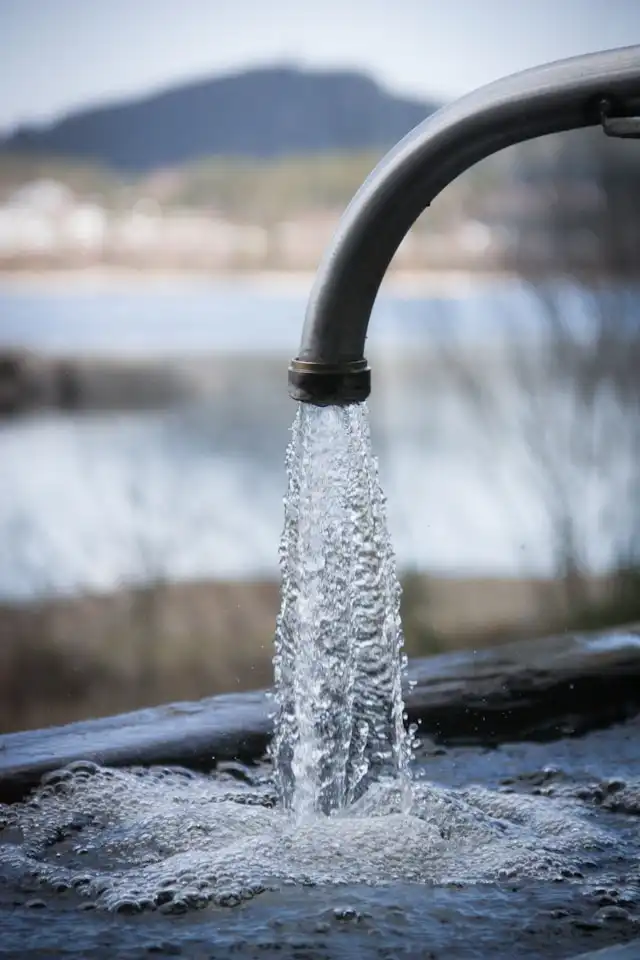
Freshwater remains the single most critical, yet increasingly vulnerable, resource shaping human civilization and planetary health. From sustaining rich aquatic biodiversity and supporting high-yield agriculture to driving thriving local economies and enabling the pristine natural landscapes necessary for sustainable ecotourism, clean water is the lifeblood of our world. Yet, global freshwater ecosystems are under immense, compounding pressure. Rapid population growth, accelerated urban development, expanding industrial activity, and the destabilizing forces of climate change have dramatically escalated the demand for finite water supplies.
Meeting this existential challenge requires a paradigm shift. True conservation goes far beyond individual behavioral changes like turning off the tap; it demands a radical, large-scale modernization of the infrastructure that moves, stores, treats, and monitors water resources.
This comprehensive report examines the anatomy of modern water infrastructure—ranging from advanced pipeline networks and intelligent standpipe systems to next-generation wastewater treatment facilities and real-time digital sensors. By exploring how engineering innovations systematically reduce water loss, enhance wastewater reclamation, prevent toxic contamination, and foster long-term environmental resilience, we uncover the vital blueprint needed to safeguard our planet’s hydrological future.
Detailed Chronology: The Evolution of Water Management
To understand the sophistication of today’s water networks, it is necessary to trace how human societies have engineered solutions to transport and manage water throughout history. The journey from primitive gravity-fed aqueducts to intelligent, digitally managed ecosystems reflects our growing understanding of environmental preservation.
Ancient Beginnings (c. 2000 BCE – 500 CE): Early civilizations in Mesopotamia, the Indus Valley, and Rome recognized that survival depended on water transport. Engineering marvels like Roman aqueducts and clay piping systems moved water over vast distances, though they operated with massive volumetric losses and lacked any capacity for purification or contamination monitoring.
The Industrial Revolution and Sanitation Awakening (Late 18th – 19th Century): Rapid urbanization in the 1800s introduced severe public health crises, prompting the construction of municipal cast-iron pipe networks and rudimentary sand filtration plants. Water infrastructure during this era focused primarily on human consumption and basic sanitation, largely ignoring the ecological downstream impacts on rivers and lakes.
The Mid-20th Century Expansion (1950s – 1980s): Post-war industrialization spurred the widespread construction of massive concrete dams, sprawling reservoirs, and centralized wastewater treatment plants. While these systems successfully supported expanding populations and industrial booms, they frequently fragmented natural river ecosystems and altered critical environmental flows.
The Regulatory and Environmental Era (1970s – 1990s): Landmark environmental legislation in various industrialized nations forced a reckoning with industrial pollution. Wastewater treatment evolved from basic solids removal to secondary and tertiary biological filtration, legally mandating cleaner industrial and municipal discharges into natural waterways.
The Digital and Sustainable Transformation (2000s – Present): Today, water infrastructure has entered the digital age. The integration of the Internet of Things (IoT), artificial intelligence, automated leak detection, and precision industrial systems like specialized water standpipe networks allows for hyper-efficient resource management. Modern infrastructure is no longer designed merely to move water away from communities, but to actively preserve and restore the natural hydrological cycle.
Supporting Context & Metrics: The Anatomy of Modern Water Infrastructure
Modern water infrastructure represents a complex, capital-intensive web of physical facilities, heavy equipment, and digital technologies working in synchronization. Far from operating exclusively behind the scenes, these integrated networks dictate the economic and ecological viability of entire regions.
Key Structural Components
Standpipe Systems and Controlled Access Points: In heavy industries such as construction, mining, agriculture, and municipal land management, controlled-access water standpipe systems are indispensable. They provide precise, metered access to water, preventing the chronic over-extraction that plagues traditional, unregulated drawing methods. By ensuring that operators use only the exact volume required, these systems curb operational waste at the source.
Storage Tanks and Pressure Vessels: Advanced polymer-lined and reinforced concrete storage tanks safely hold treated municipal water or specialized industrial liquids. Specialist manufacturers engineer these vessels to eliminate structural seepage, protecting local groundwater tables from industrial contamination.
High-Efficiency Pumps and Smart Pipelines: Upgrading from legacy metal piping to high-density polyethylene (HDPE) and ductile iron networks dramatically reduces friction losses. Coupled with variable-frequency drive (VFD) pumps, these networks adjust energy consumption dynamically based on real-time demand.
Advanced Treatment Facilities: Utilizing ultrafiltration, reverse osmosis, and ultraviolet disinfection, modern facilities strip micro-pollutants, heavy metals, and pharmaceuticals from wastewater before it ever touches natural ecosystems.
The Quantifiable Impact: Five Pillars of Ecosystem Protection
Modern water infrastructure contributes to planetary health through five measurable mechanisms:
Reducing Systemic Water Loss: Aging global infrastructure historically loses up to 30% to 50% of treated water through chronic pipe leaks before it reaches an end-user. Smart pressure management and acoustic leak-detection sensors reduce these losses, leaving millions of gallons untouched in natural aquifers.
Optimizing Wastewater Reclamation: By transforming raw sewage and industrial runoff into crystal-clear effluent, advanced biological treatment prevents eutrophication—the oxygen-depleting algal blooms that suffocate aquatic wildlife in lakes and coastal estuaries.
Advancing Industrial Water Reuse: Heavy industries account for a massive share of global water consumption. Closed-loop recycling systems allow facilities to reuse the same water dozens of times for cooling and processing, dropping net freshwater extraction rates close to zero.
Preventing Catastrophic Pollution: Secondary containment units, automated emergency shut-off valves, and continuous monitoring arrays stop industrial spills from breaching local wetlands and river systems.
Enabling Data-Driven Adaptability: Automated sensor grids provide continuous telemetry on pH, turbidity, flow rate, and chemical composition, allowing environmental agencies to preemptively address contamination threats.
Official Perspectives and Expert Analysis
As water scarcity escalates into a defining geopolitical and environmental crisis of the 21st century, international experts and environmental policymakers are sounding the alarm regarding the urgent need for infrastructure investment.
Dr. Elena Vance, Senior Hydrologist at the Global Freshwater Institute, emphasizes that engineering and ecology must no longer be viewed as competing philosophies:
"For decades, environmentalists and civil engineers stood on opposite sides of the table. Engineers wanted to dam and divert; conservationists wanted to leave nature untouched. Today, that dichotomy is obsolete. We have realized that modern, intelligent infrastructure is our best shield for nature. By building leak-free distribution networks, closed-loop industrial recycling plants, and precision agricultural standpipes, we stop bleeding our natural lakes and rivers dry. Infrastructure is not an assault on nature; when designed correctly, it is nature’s primary defense."
Furthermore, industrial compliance officers highlight the economic imperative of sustainable equipment manufacturing. Marcus Thorne, Director of Environmental Compliance at a multinational industrial equipment consortium, notes a shifting corporate ethos:
"Regulatory standards are tightening globally, and for good reason. Companies can no longer afford sloppy liquid management or antiquated storage systems. Investing in robust, certified water management equipment—from secure transfer stations to automated municipal standpipes—is no longer just about checking a box for regulators. It is about protecting the brand, mitigating catastrophic environmental liability, and ensuring that our operational footprint respects the shared hydrological commons."
Future Outlook: Navigating the Next Horizon of Water Security
Looking toward the horizon, the challenges facing global water resources will undoubtedly intensify. Climate change is accelerating glacial melt, altering historical rainfall patterns, and fueling prolonged, multi-year megadroughts across major agricultural and urban centers. Simultaneously, population projections suggest billions more people will inhabit urban centers by 2050, compounding municipal water stress.
Meeting this future requires accelerating several key trends:
The Rise of the Smart Water Grid: Just as electrical grids are transitioning to "smart grids," water distribution systems are adopting machine learning algorithms. These systems will autonomously reroute water during pipe breaks, predict equipment failures before they happen, and balance municipal supply and demand in real time.
Decentralized Treatment and Potable Reuse: Moving away from massive, centralized mega-plants toward localized, modular wastewater recycling units will allow cities to purify and reuse water directly at the neighborhood level, drastically cutting energy costs associated with long-distance pumping.
Nature-Based Engineering Interventions: Future infrastructure will increasingly blend grey infrastructure (concrete and steel) with green infrastructure (restored wetlands, artificial recharge basins, and permeable urban pavements) to naturally filter runoff and replenish depleted underground aquifers.
Final Thoughts
Clean rivers, thriving wetlands, and reliable drinking water do not happen by chance. Behind every pristine natural landscape, every vibrant aquatic ecosystem, and every drop of safe water flowing from a tap lies an invisible network of advanced engineering.
Whether you are exploring a protected national park, kayaking across an unblemished alpine lake, or actively choosing to operate your business sustainably, healthy freshwater ecosystems make those experiences possible. Safeguarding these irreplaceable resources requires a collective commitment: conserving water in our daily lives, supporting businesses that invest in responsible liquid management, and advocating for robust public and private investments in modern water infrastructure.
By upgrading the systems that sustain our world today, we ensure that clean, abundant water remains a birthright for every generation to come.
Would you like to know more about eco-friendly travel and sustainable living? To receive expert insights and inspiration directly in your email inbox, please click here and subscribe to the official Ecotourism World newsletter today!