

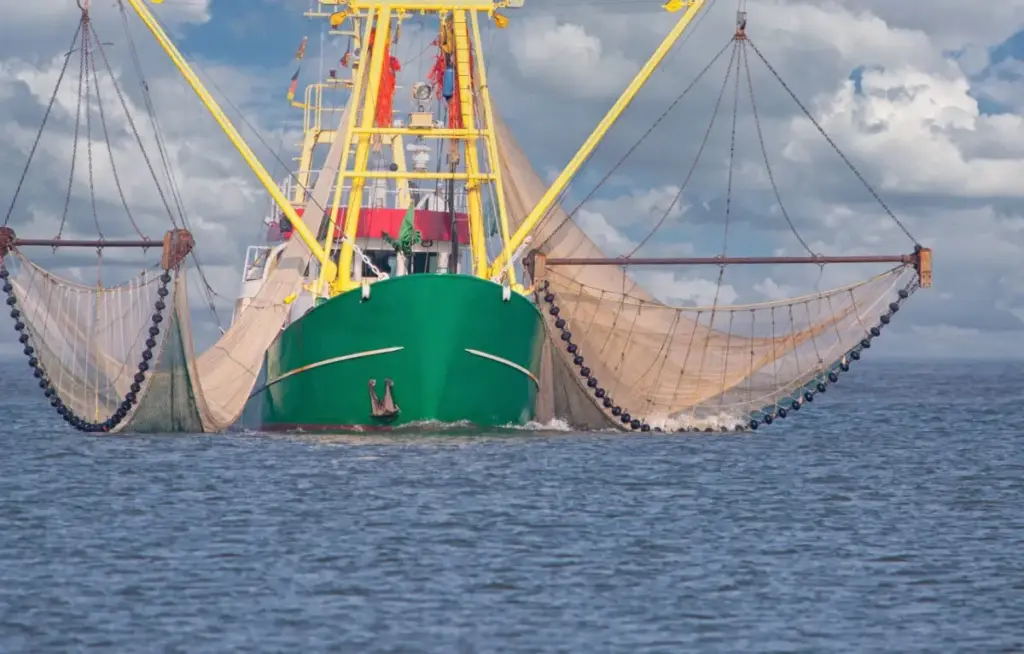
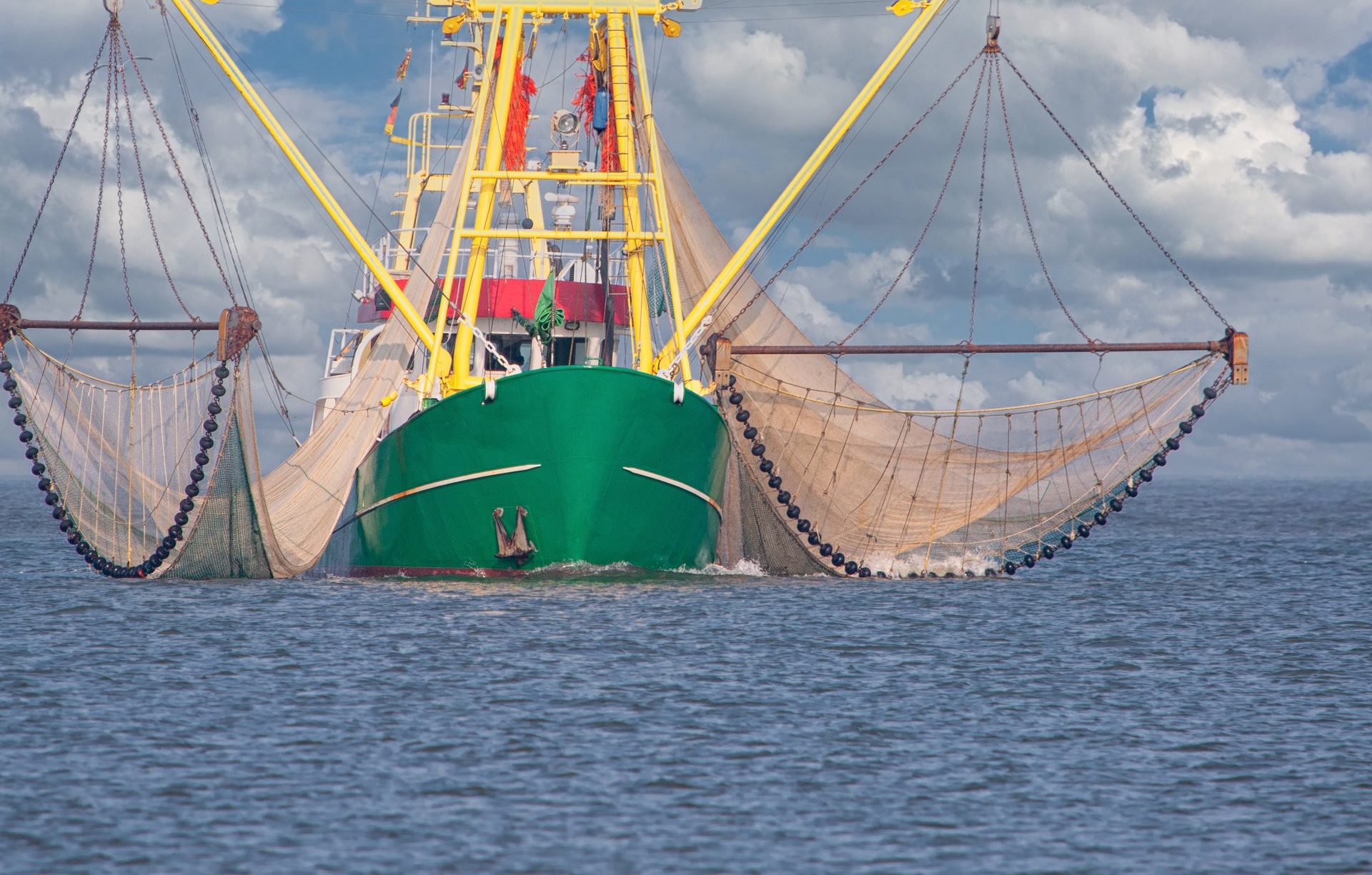
By the Blue Marine Foundation Investigative Desk
Published: October 6, 2026
Executive Overview
As European Union member states enter the final, high-stakes phases of drafting their next multi-annual financial frameworks, a silent crisis is unfolding behind closed doors in Brussels and national capitals. At stake is the allocation of billions of euros in public funding earmarked for ocean management and fisheries under the upcoming EU budget. Far from steering the continent toward a sustainable, climate-resilient future, current fiscal trajectories threaten to lock Europe into a destructive cycle of overfishing, marine habitat degradation, and economic injustice for coastal communities.
At the heart of the controversy is a profound structural imbalance: the lion’s share of the EU’s ocean budget continues to subsidize large-scale industrial fishing fleets, irrespective of their tangible, often devastating impacts on marine ecosystems. Meanwhile, small-scale, artisanal fishers—who account for a staggering 76 percent of the entire European fleet—are systematically sidelined, scraping by on a meager 20 percent of available funding. Environmental protection fares even worse. For every billion euros handed out in ocean subsidies, European governments allocate a paltry 7 percent toward the actual protection, rehabilitation, and restoration of marine habitats.
Worse still, leaked drafts and policy indications suggest that member states are actively contemplating provisions that would channel even more subsidies into the construction of new industrial fishing vessels and the modernization of existing ones. If realized, this policy shift will supercharge fishing pressure on European fish stocks that are already at a critical tipping point, with a mere 28 percent currently deemed biologically healthy.
This investigative report examines the mechanics of the EU’s flawed ocean budgeting, details the impending decisions facing national governments through their National and Regional Partnership Plans (NRPPs), and outlines the urgent actions required by citizens, policymakers, and environmental advocates to avert ecological collapse.
Detailed Chronology: The Road to the 2026 Budgetary Watershed
Understanding how European fisheries funding arrived at this precarious juncture requires tracking a complex timeline of policy formulation, international commitments, and missed opportunities.
2021–2023: The Implementation of the EMFAF and Early Warnings
The current funding cycle, anchored by the European Maritime, Fisheries and Aquaculture Fund (EMFAF), was designed with lofty promises of supporting the European Green Deal and the EU Biodiversity Strategy for 2030. However, civil society organizations and marine scientists quickly flagged systemic loopholes. While the regulation formally prohibited subsidies for the construction of new vessels—in line with World Trade Organization (WTO) goals to curb harmful fisheries subsidies—member states immediately sought flexibilities. Through national operational programs, governments found ways to funnel capital into industrial modernization projects that effectively increased fishing capacity under the guise of safety and energy efficiency.
2024–2025: Escalating Pressures and Scientific Alarms
Throughout 2024 and 2025, independent scientific assessments by the International Council for the Exploration of the Sea (ICES) delivered stark warnings. Fish stocks across the Northeast Atlantic, North Sea, and Mediterranean continued to suffer from chronic overexploitation. During this period, the Blue Marine Foundation and allied environmental NGOs intensified pressure on the European Commission to reform the Common Fisheries Policy (CFP) and tie funding strictly to ecological health. Despite these appeals, national ministries—heavily lobbied by industrial fishing associations—resisted conditionalities, arguing that economic competitiveness in global seafood markets required ongoing state backing.
Mid-2026: The Drafting of National and Regional Partnership Plans (NRPPs)
As the calendar turned to mid-2026, the locus of power shifted decisively from Brussels back to national capitals. Member states began drafting their National and Regional Partnership Plans (NRPPs), the vital strategic documents that dictate precisely how the next wave of EU funding will be distributed on the ground. These plans serve as the blueprint for regional development, environmental policy, and fisheries management for the upcoming budgetary period.
Currently, in late 2026, these drafts are nearing finalization. Fisheries, environment, and finance ministries are locked in tense negotiations over final text insertions. Bureaucratic inertia and short-term economic anxieties are driving a dangerous consensus: to double down on industrial-scale extraction rather than marine restoration. Civil society groups have pinpointed this exact window as the narrow, final opportunity to intercept these drafts, demand structural revisions, and compel governments to redirect public money toward sustainable stewardship.
Supporting Context & Metrics: The Anatomy of an Imbalanced Budget
To comprehend the scale of the threat, one must examine the empirical data defining European fisheries spending. The numbers paint a damning picture of institutional misalignment between public expenditure and environmental survival.
The Industrial Bias: Fleets vs. Funding
European fisheries are broadly categorized into two distinct operational models:
- Small-Scale, Artisanal Coastal Fisheries: Representing 76 percent of all active vessels in the European fleet, these operators typically use low-impact gear (such as static nets, hook-and-line, and small pots), operate close to shore, support generational coastal heritage, and possess a minimal carbon footprint. Yet, they receive a mere 20 percent of public ocean funding.
- Large-Scale Industrial Fisheries: Comprising high-capacity trawlers, seiners, and factory ships that dominate offshore and international waters, these operators capture the vast majority of financial support. They benefit directly from fuel subsidies, capacity enhancement grants, and infrastructure financing that insulate them from market realities and fuel price volatility.
The Conservation Deficit
The allocation of funds toward environmental safeguarding reveals an alarming institutional neglect of marine ecosystems. For every €1,000,000,000 ($1.08 billion USD) allocated from the ocean budget to support commercial fishing and maritime infrastructure, the European Union designates a meager 7 percent—roughly €70 million—toward the active protection and restoration of marine environments. This includes the management of Marine Protected Areas (MPAs), combatting illegal, unreported, and unregulated (IUU) fishing, and restoring degraded seagrass meadows and coral reefs. Without robust funding for restoration, European seas are losing their natural resilience against ocean warming, acidification, and deoxygenation.
+-------------------------------------------------------------------------+
|                  THE EU OCEAN BUDGET IMBALANCE                          |
+-------------------------------------------------------------------------+
| Fleet Composition:                                                      |
|   [ 76% Small-Scale / Artisanal ]  |  [ 24% Industrial ]                |
|                                                                         |
| Funding Distribution:                                                   |
|   [ 20% Funding ]                 |  [ 80% Funding ]                  |
|                                                                         |
| Conservation Investment:                                                |
|   [ 7% Restoration / Protection ]  |  [ 93% Extraction & Support ]      |
+-------------------------------------------------------------------------+
The Collapse of Fish Stocks
The human-driven intensification of fishing pressure occurs against a backdrop of severe biological decline. According to authoritative fisheries biology data, only 28 percent of assessed European fish stocks are currently operating at healthy biological levels. Overfishing remains rampant, particularly in the Mediterranean Sea, where over 80 percent of stocks are fished beyond maximum sustainable yield (MSY). Pumping fresh subsidies into vessel construction and modernization will inevitably accelerate this depletion, threatening the long-term viability of the seafood industry itself.
Official Statements and Institutional Perspectives
The debate over the upcoming EU budget has fractured political alliances, pitting environmental ministries against powerful economic lobbies and conservative agricultural-fisheries blocs within the European Parliament and member state cabinets.
Environmental NGOs and Marine Scientists
Leading the charge for radical budgetary reform, marine conservation organizations have issued coordinated warnings. Representatives from the Blue Marine Foundation emphasize that public money should never be used to subsidize the destruction of public goods.
"We are standing at a critical precipice," noted a senior marine policy advisor during a recent briefing in Brussels. "If European governments use the upcoming National and Regional Partnership Plans to finance the construction of new industrial fishing vessels, they are effectively signing a death warrant for remaining commercial fish stocks. Public funds must transition away from fueling overcapacity and toward empowering low-impact fishers and healing our bruised marine ecosystems."
Small-Scale Fishing Communities
Voices from artisanal fishing cooperatives across the Mediterranean and Atlantic coasts have voiced deep frustration over their systemic exclusion from economic relief and modernization grants.
"While industrial supertrawlers destroy the seabed miles offshore and receive millions in state support, coastal fishers who respect seasonal closures and use selective gear are treated as an afterthought," said a representative of a Mediterranean artisanal fishing federation. "We do not want subsidies to build bigger boats that catch fewer fish. We want fair access to resources, support for sustainable local marketing networks, and genuine protection for the nurseries where our fish reproduce."
National Governments and Economic Ministries
Conversely, representatives from traditional fishing nations within the Council of the European Union have defended the need for continued support for vessel upgrades, citing safety, crew comfort, and energy transition costs.
“Our fleets face unprecedented economic pressures, driven by high fuel costs and stringent regulatory frameworks,” stated a ministry official from a major southern European maritime state. “Restricting modernization grants entirely could devastate regional supply chains and undermine food security across the continent. We must strike a balance between ecological preservation and economic competitiveness.”
However, environmental economists counter this argument, pointing out that subsidizing high-fuel-consumption industrial vessels creates a perverse incentive structure that artificially keeps unprofitable, destructive fisheries afloat at taxpayers’ expense, crowding out greener economic alternatives.
Future Outlook: What Can Be Done Before It’s Too Late?
The trajectory of European marine life over the next decade will be determined by decisions made in the coming weeks. The drafting phase of the National and Regional Partnership Plans (NRPPs) represents an unrepeatable window for democratic intervention.
Actionable Steps for Citizens and Stakeholders
Marine advocates stress that public engagement can alter government priorities. To secure a sustainable marine future, citizens, scientists, and civil society groups are being urged to take direct action:
- Engage Directly with National Ministries: Citizens across EU member states are encouraged to write to their respective fisheries, environmental, and finance ministers. Letters and policy briefs must demand that upcoming NRPPs explicitly exclude any funding for the construction or capacity-enhancing modernization of industrial fishing vessels.
- Redirect Subsidies Toward Low-Impact Fisheries: National plans must reallocate financial capital to support small-scale, artisanal fishers who adopt low-impact, highly selective fishing techniques. This includes funding for green propulsion technologies, localized cold-chain infrastructure, and direct-to-consumer market initiatives.
- Scale Up Marine Restoration Funds: Governments must commit to raising the percentage of ocean funding dedicated to marine habitat restoration from a token 7 percent to a robust, impact-driven threshold—at least 30 percent—to meet international biodiversity commitments.
- Demand Transparency: Civil society must maintain rigorous oversight of NRPP drafts, ensuring that public consultations are meaningful and that commercial fishing lobbies do not secure backroom exemptions that undermine environmental law.
Conclusion
The ocean is not an endless resource, nor is it a balance sheet item to be exhausted for short-term political expediency. The upcoming EU budget and the finalization of National and Regional Partnership Plans will serve as a historical litmus test for European governance. Will EU leaders continue to subsidize the industrial despoilment of the seas, or will they summon the political courage to invest in restoration, equity, and sustainability? The answer lies in the hands of policymakers—and the citizens holding them accountable.
To make your voice heard, share educational campaigns on marine subsidies, and access direct template letters to send to your national ministers, visit the official channels of marine conservation networks across Europe.



