

Executive Overview
For centuries, the practice of architecture was bound to an immutable physical reality. Design evolved hand-in-hand with construction: through trial and error, physical testing, projection drawings, tactile mock-ups, and corporeal models. Each medium introduced an abstraction layer, yet remained tethered to the fundamental realities of material limits, physical scale, and assembly constraints.
The advent of Computer-Aided Design (CAD), Building Information Modeling (BIM), and increasingly immersive digital environments fundamentally altered this dynamic. Initially adopted for their precision in drafting geometry for construction, digital tools gradually migrated upstream, supplanting traditional sketching, physical trial and error, and material prototyping.
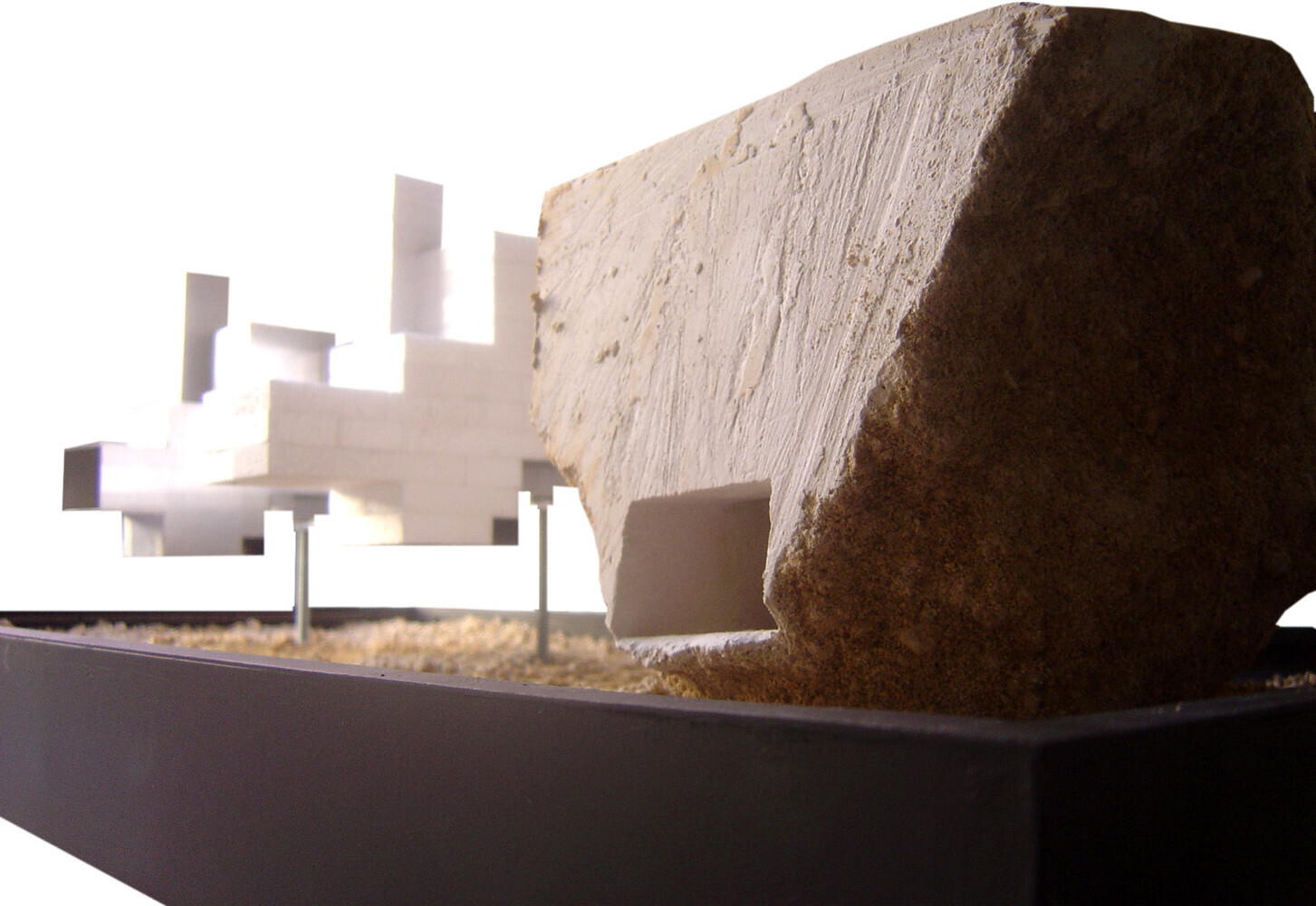
Today, as architecture navigates the era of AI-generated imagery, advanced gaming engines, and virtual reality, the profession confronts a profound paradox. Digital design tools offer unprecedented freedom, allowing architects to glide through infinite zooms, span impossible dimensions, and visualize weightless spaces unhindered by gravity. Yet, this "frictionless space" risks divorcing design from the physical constraints that imbue architecture with its deepest meaning: gravity, thickness, tactility, structural resistance, and the slow weathering of materials over time.
This article investigates the evolution of architectural abstraction, the systemic loss of scale and material consequence in frictionless digital environments, and how contemporary designers are seeking to re-anchor virtual speculation in physical intelligence.
Detailed Chronology: From the Hand to the Screen
To understand the current tension between physical reality and virtual creation, one must trace the historical lineage of architectural abstraction—an evolution marked by a progressive detachment from tangible matter.
1. Traditional Abstraction: The Disciplined Representation
Historically, architectural representation relied on tools that flattened or cut space—plans, sections, and elevations—while keeping the mind anchored to an eventual physical reality.
- The Plan and Section: These drawings isolated specific dimensions (such as circulation, structure, or room layouts) while allowing the human mind to reconstruct the whole. Their abstraction remained disciplined because every line corresponded to a physical element that had to be measured, engineered, built, and ultimately inhabited by a human body.
- The Physical Model: Operating as a bridge between two and three dimensions, physical models introduced the resistance of matter. Even a rudimentary paper model possessed edge, stiffness, and thickness, forcing the designer to negotiate the physical properties of the medium.
2. The Digital Turn and the Rise of CAD
The introduction of CAD in the late 20th century revolutionized precision and drafting efficiency. However, it also shifted the cognitive load of design. What began as a computerized method for drawing lines quickly evolved into parametric modeling and spatial simulation.
- Infinite Scale: Unlike paper sizes or physical drafting scales, the digital screen offered an apparently limitless canvas. The ability to zoom from an urban master plan down to the threads of a screw within seconds removed the physical boundaries that traditionally dictated how an architect comprehended scale.
- The Erasure of Resistance: As software capabilities outpaced physical testing, digital modeling environments began to prioritize visual smoothness. The screen became a frictionless playground where walls could become infinitely thin, structures could float without columns, and complex geometries could be generated via algorithms without immediate structural validation.
Supporting Context & Metrics: The Paradigm Shift in Design Culture
The transition toward frictionless digital spaces is not merely a technical shift; it represents a cultural realignment within architecture and real estate development.

The Metrics of Virtual Proliferation
- Ubiquity of Virtual Environments: Over the past decade, virtual reality (VR), real-time rendering engines (such as Unreal Engine and Twinmotion), and AI-driven generative design tools have transitioned from niche exploratory mediums to central drivers of architectural presentation and schematic design.
- Client Perception and Expectation: Digital tools have altered how clients experience projects prior to construction. High-fidelity, frictionless renders can produce hyper-realistic illusions of spaces that may be structurally unfeasible or environmentally hostile in the physical world. This has cultivated a design culture where visual novelty often supersedes spatial performance, life-cycle analysis, and material longevity.
The Problem of "Material as Surface"
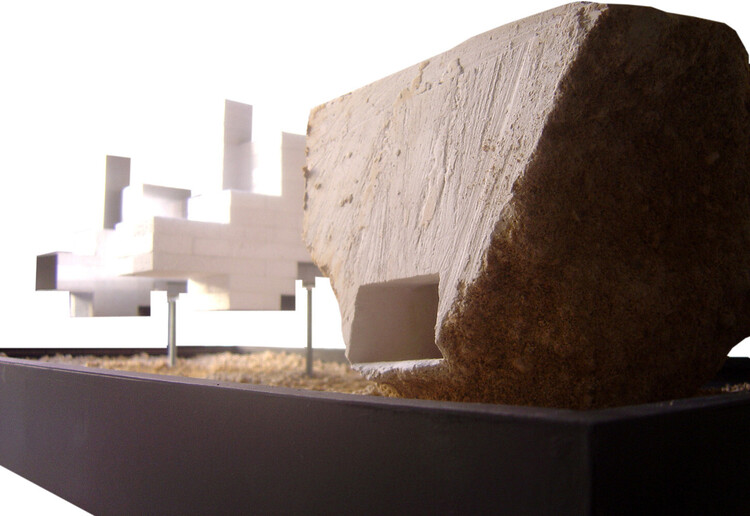
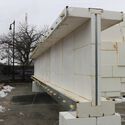
In the physical world, materials are historical records. Timber reveals grain direction and reacts to humidity; concrete permanently archives the texture of its formwork and the joints of its casting; metal discloses the labor of cutting, bending, and fastening.
In digital space, materiality is frequently reduced to a flat surface effect:
- Wood becomes a visual texture map.
- Concrete becomes a procedural bump map.
- Glass is quantified purely by a transparency slider.
- Metal is simulated via reflection coefficients.
While these digital simulations are increasingly sophisticated, they detach the material from its physical consequences. A digital surface can appear weathered without having endured environmental exposure; it can look abrasive without offering tactile resistance. Consequently, clients and young designers alike are trained to treat materiality as a purely visual preference, losing touch with the physical benefits, structural limitations, and environmental behaviors of actual building stock.
Official Statements & Critical Perspectives
Leading architectural practices and theorists are increasingly vocal about the necessity of maintaining physical grounding in an increasingly virtualized discipline.
"The lineage of architectural design can therefore be understood, in part, as an evolution of abstractions… Other abstractions move closer to escapism. Digital modeling, especially through the seemingly infinite zoom of the screen, allows architecture to escape the limits of paper size, drawing scale, and even bodily comprehension."
Critics point out that scale is not merely a numerical ratio printed on a sheet of architectural plans; it is an internalized, somatic relationship. A corridor feels narrow because human shoulders brush its walls; a ceiling feels oppressive because the body senses the vertical volume overhead. When software allows the camera to glide effortlessly through impossible scales, the architect risks losing this somatic measure.

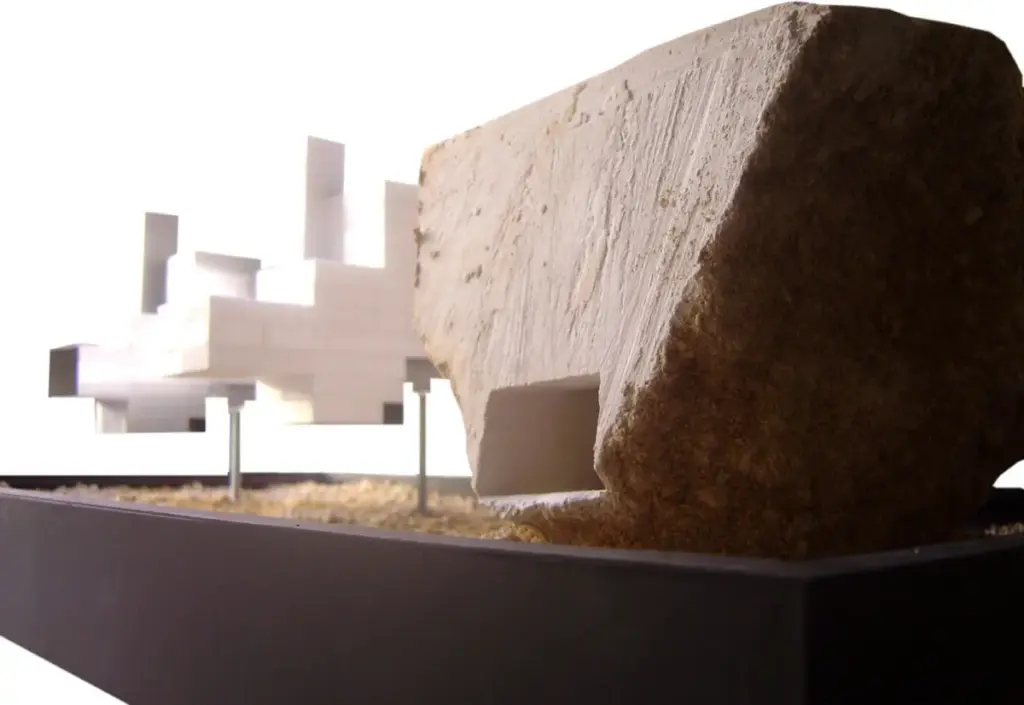
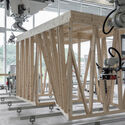
Furthermore, studios experimenting at the intersection of digital fabrication and physical prototyping—such as Ensamble Studio, Gramazio Kohler Research, and various installations at the Venice Biennale—advocate for implied physicality.
- The Principle of Implied Weight: Virtual architecture does not need to mimic traditional construction literally, nor does every digital wall need to be load-bearing. However, speculative digital spaces can still project mass, thickness, and structural resistance.
- Testing Against Reality: Even the most avant-garde digital forms gain architectural validity when they are cross-referenced with physical models, material testing, and structural logic. The goal is not to reject digital tools, but to ensure that digital speculation runs parallel to a rigorous understanding of the physical world.
Future Outlook: Re-Anchoring the Virtual
As architecture explores alternative worlds, virtual environments, and speculative metaverses—as highlighted by the ArchDaily Topic: The Lure of Escapism in Architecture and Alternative Worlds—the profession faces a critical choice.

1. Redefining the Role of Constraints
Constraints are not obstacles to be eliminated; they are the generative forces that give architecture its identity. The future of digital architecture depends on choosing constraints wisely:
- Suspending gravity while deliberately communicating structural weight.
- Inventing novel digital materials while assigning them behavioral logic, thickness, and environmental consequence.
2. Moving Beyond Scenery
When architecture becomes frictionless, it risks collapsing into mere scenery. To prevent this, architectural education and practice must reassert the importance of bodily scale, spatial sequence, material performance, and tactile engagement.

3. A Synthesis of Digital Freedom and Physical Rigor
Ultimately, digital tools have dramatically expanded the imaginative capacity of the architect. They allow designers to test complex geometries, simulate environmental performance, and explore spatial configurations that were previously unimaginable.
The path forward is not a Luddite retreat from the digital screen, but a more conscious discipline. By embedding physical intelligence into virtual workflows, architects can ensure that digital spaces remain truly architectural—grounded not just by pixels on a screen, but by an enduring connection to the weight, scale, and materiality of the built environment.



