Executive Overview
For generations, the traditional boundaries of architectural practice have been neatly defined: architects conceptualize space, draft blueprints, navigate regulatory frameworks, and select materials from existing commercial catalogs. They compare compressive strengths, fire ratings, and thermal properties, ultimately deciding how to apply products manufactured by third-party industries. However, a vanguard of contemporary design practices is dismantling this paradigm. Rather than merely choosing what to build with, these architects are taking on the fundamental task of developing, processing, and fabricating the materials themselves.
Pioneered by forward-thinking studios such as Material Cultures, BC architects, and Studio Ossidiana, this movement represents a radical shift from passive consumerism to active material production. Their work bridges the chasm between raw environmental resources—ranging from industrial hemp and excavated site earth to recycled construction debris and marine aggregates—and finished structural assemblies. By taking control of the material lifecycle, these architects are not only redefining the aesthetic and tactile vocabulary of the built environment, but they are also confronting the profound ecological and political realities of the construction industry. Part of ArchDaily’s ongoing exploration into The Architecture of Craft: Handmade Stories in a Digital Age, this movement signals a return to tactile ingenuity powered by twenty-first-century ecological imperative.
From Choosing a Material to Defining One
The modern construction industry is responsible for a staggering share of global carbon emissions, driven largely by the extraction, manufacturing, and transport of conventional materials like Portland cement and steel. In response, studios like Material Cultures are rewriting the rulebook by looking at bio-based and locally sourced alternatives.
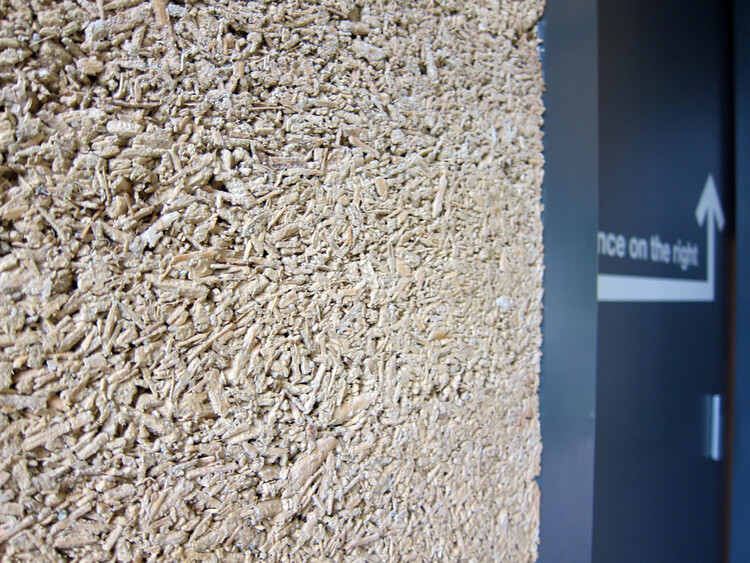
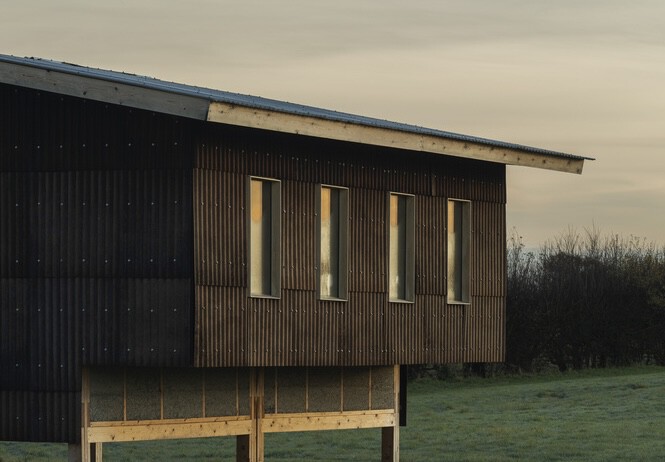
Operating at the intersection of architecture, research, and agriculture, Material Cultures investigates how renewable crops can directly supply the building sector. Their landmark project, the Flat House at Margent Farm in Cambridgeshire, UK, serves as a textbook example of this ethos. For this residential project, industrial hemp cultivated across 20 acres of the surrounding farm was harvested and transformed into prefabricated bio-composite building panels. This closed-loop system not only sequestered carbon within the building’s envelope but also resulted in the creation of an innovative hemp-fibre exterior cladding system used here for the very first time.
Yet, as George Massoud of Material Cultures points out, true material innovation cannot happen in a vacuum. Developing alternative materials requires a holistic understanding of the surrounding ecological ecosystem and the political economy that supports it. This means scrutinizing where resources originate, understanding the labor conditions of those who process them, and tracing the logistical pathways required to bring raw matter to a construction site. Materiality, in this context, is deeply political and ecological.

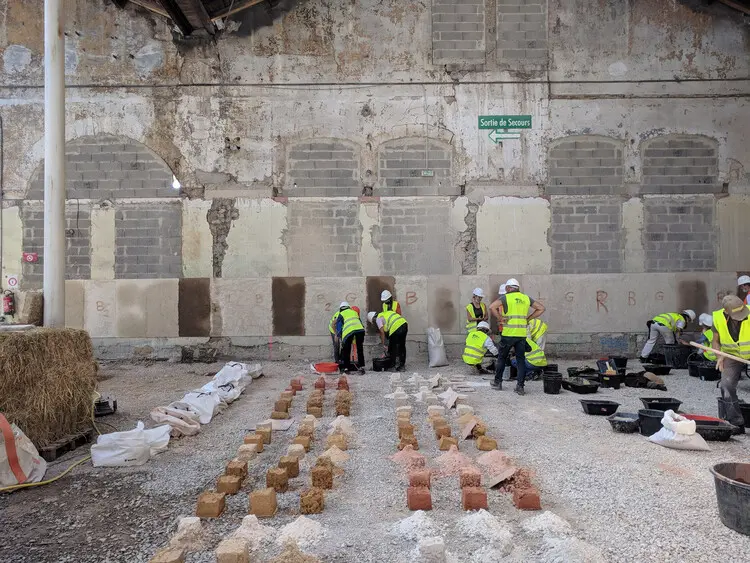
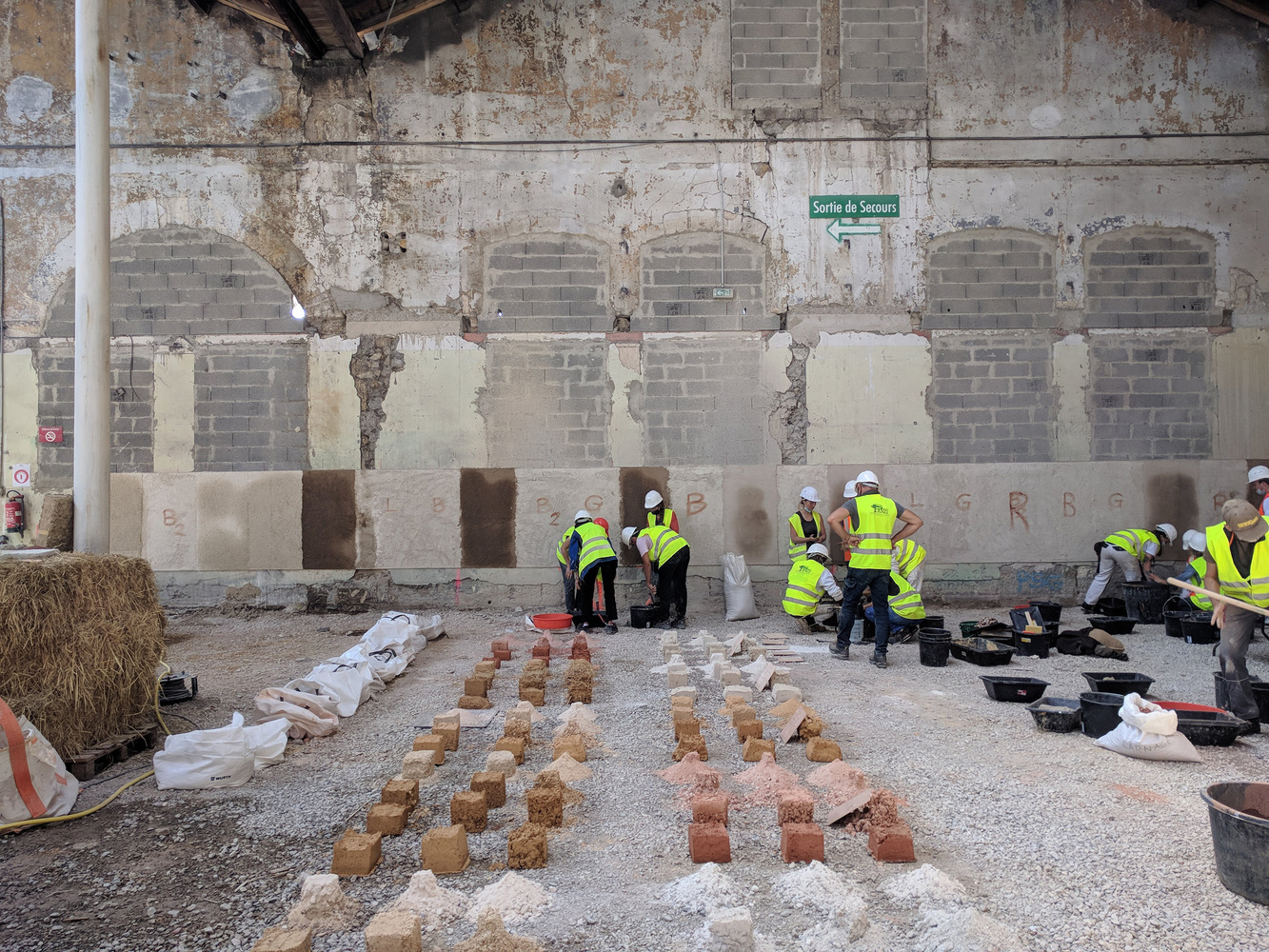
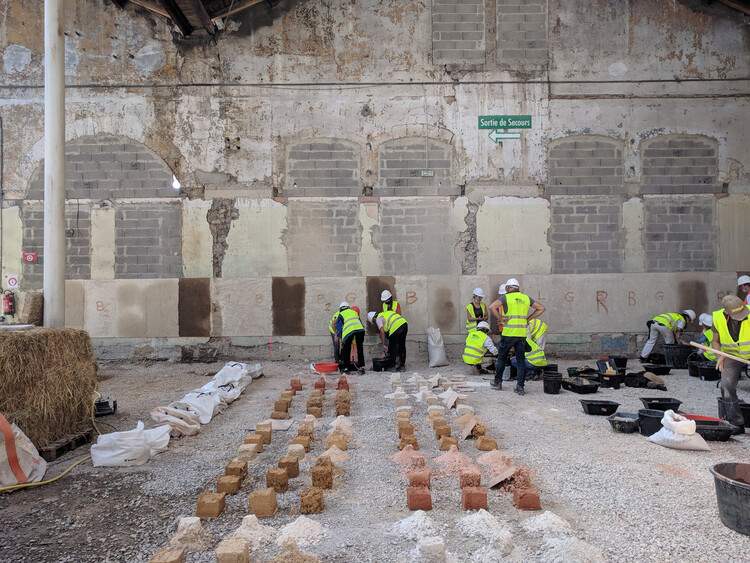
Similarly, BC architects—operating alongside specialized spinoffs like BC materials—has systematically targeted resources traditionally dismissed as waste. Excavated earth from construction sites, agricultural by-products, and crushed building rubble are intercepted, tested, and processed into high-performance construction elements. Whether crafting compressed earth blocks, breathable wall plasters, custom mortars, or rammed-earth mixtures, the practice designs bespoke compositions tailored to individual projects while simultaneously developing standardized catalog products. By controlling the pipeline from raw geological or waste stock to finished architectural element, BC architects acts simultaneously as builder, researcher, and manufacturer.
Meanwhile, Studio Ossidiana approaches material production through the lens of chemistry and spatial expression. The studio experiments with concrete-based formulations by radically altering ingredient ratios, aggregate types, and pigment infusions. This rigorous experimentation gives rise to what the studio calls a "new material vocabulary." In projects like Petrified Carpets, Studio Ossidiana manipulates sand, stone, cement, and color to reclaim the expressive, tactile qualities of concrete, producing surfaces that evoke geological strata rather than sterile industrial slabs.
From Sample to Building: Scaling Up the Craft
Transitioning a promising material sample from a controlled laboratory bench to a full-scale building introduces formidable challenges. Architects venturing into manufacturing must grapple with issues of structural scale, batch consistency, large-scale fabrication logistics, and site-level assembly. The dimensions, thermal performance, and curing times of bespoke materials directly dictate the structural engineering, the building enclosure, internal finishes, and the overarching construction sequence. Furthermore, producing materials in-house or via localized supply chains demands specialized machinery, dedicated time, and a workforce trained in craft-based methodologies.
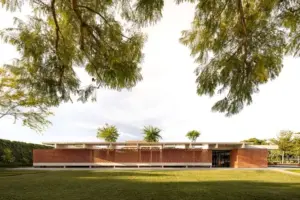
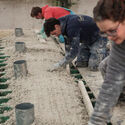
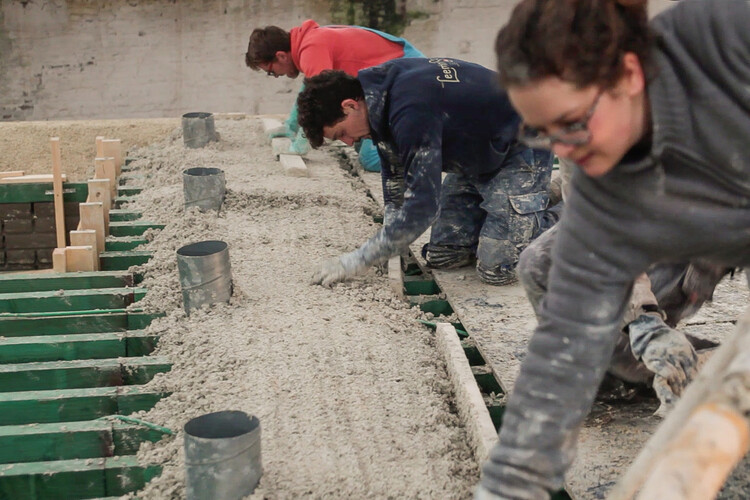
A masterclass in navigating these complexities is Regional House Edeghem, designed by BC architects. In this project, approximately 19,000 compressed-earth blocks—manufactured locally using regional clay—form the building’s primary structural arches. Meanwhile, high-performance hempcrete insulates the facade and roof assemblies. The production phase alone was a massive logistical undertaking: over a concentrated three-week workshop, a community of more than 150 volunteers worked alongside the design team to produce the blocks, followed by the meticulous manual installation of 312 square meters of hempcrete over a two-week period.
Managing a project of this scale required unprecedented coordination between material science, manual labor, and knowledge transfer. The earth and hemp mixtures had to maintain absolute chemical and physical consistency across thousands of individual units and hundreds of square meters of envelope. Training an army of volunteers to correctly prepare, cure, and install these materials transformed the construction site into an educational workshop, reviving traditional crafts through modern ecological frameworks.
A similarly integrated approach defined the realization of Flat House. By fabricating hemp-filled panels off-site in a controlled environment, the design team ensured that material performance met strict engineering standards. Once transported to the site, these panels were hoisted and locked into place in a matter of two days. The speed of assembly was a direct result of upfront investment in material research and off-site prefabrication, proving that handmade bio-materials can successfully interface with contemporary construction timelines.
In the realm of public pavilions, Studio Ossidiana’s Art Pavilion M in Almere showcases the hyper-local potential of material tailoring. For this project, the studio developed an innovative terrazzo variant dubbed "Surf and Turf," utilizing local freshwater shells and organic agricultural aggregates. The composition was precisely formulated to give the pavilion a distinct visual and tactile identity, embedding the local ecology directly into the building’s structural skin.
Supporting Context & Metrics: The Mechanics of the Shift
To understand why architects are stepping into the manufacturing sector, one must examine the macroeconomic and environmental pressures facing the built environment:
- Embodied Carbon Realities: Traditional building materials—chiefly concrete, steel, and aluminum—account for roughly 11% of global greenhouse gas emissions. Bio-based and earth-derived materials often act as carbon sinks, locking away atmospheric carbon for the lifespan of the structure.
- Logistical Resilience: Global supply chain disruptions have exposed the vulnerabilities of relying on centralized, long-distance material transport. Localized material production—utilizing site excavations or regional agricultural yields—dramatically slashes transportation emissions and protects projects from geopolitical supply shocks.
- Labor and Community Engagement: Projects utilizing locally produced materials require high-touch human labor, turning construction sites into hubs for vocational education, community building, and the revival of neglected craft traditions. At Regional House Edeghem, the involvement of 150+ volunteers highlights a profound shift toward participatory architecture.
When Material Knowledge Travels: Institutional Evolution
What begins as an experimental, project-specific material study often evolves into a permanent institutional capacity. This trajectory is vividly illustrated by the structural evolution of BC architects. What started as a traditional architectural firm expanded into BC studies (focused on research, prototyping, and training) and BC materials (functioning as an independent manufacturer).
This institutional branching was notably demonstrated at Lot 8, a design and research laboratory realized in collaboration with Assemble and Atelier LUMA. In this context, BC materials participated strictly in the role of an independent material manufacturer, supplying specialized earth-based products to a project designed by an entirely different collective of architects and makers. This transition proves that the material expertise forged within one design studio can be codified, scaled, and deployed to support the wider architectural ecosystem.
Despite these shared ambitions, each practice has carved out a distinct operational model:
- BC Architects & Materials utilizes a multi-tiered corporate structure, connecting architectural design, rigorous research, public training workshops, and commercial material production through dedicated sister organizations.
- Studio Ossidiana embeds material research directly into artistic installations and architectural commissions, collaborating fluidly with specialist craftspeople and boutique producers to realize bespoke finishes.
- Material Cultures treats material development as a continuous cycle deeply rooted in land stewardship, linking agricultural cultivation, raw material processing, educational outreach, and architectural construction into a singular unified thesis.
Future Outlook: The Architect-Producer in the 21st Century
As the architecture profession confronts the deepening climate crisis and the relentless standardization of global building products, the model pioneered by Material Cultures, BC architects, and Studio Ossidiana offers a compelling glimpse into the future.
By reclaiming agency over the material supply chain, these practices are bridging the historical divide between the designer on the computer screen and the laborer on the ground. They are proving that architects can be much more than specifiers; they can be chemists, farmers, manufacturers, and master builders.
As this movement gains momentum, the traditional specifications manual may well be replaced by localized material recipes, shifting the architectural discipline from a culture of consumption to one of profound creation. In doing so, the architecture of craft is not merely looking backward to romanticized historical traditions, but is forging a sophisticated, technologically literate, and ecologically regenerative path forward for the digital age.