Executive Overview
The global automotive landscape is undergoing its most radical transformation in over a century, and the epicenter of this shift is rapidly expanding eastward. While Western media coverage of the Electric Vehicle (EV) revolution has traditionally fixated on the competitive battlegrounds of Europe, the United States, and mainland China, a powerful new growth engine is roaring to life in Southeast Asia. Driven by aggressive regional climate policies, expanding charging infrastructure, and a relentless influx of affordable, high-tech Chinese automobiles, Southeast Asia has quietly transformed into one of the most dynamic and crucial EV markets on the planet.
Fresh data from energy think tank Ember underscores the sheer velocity of this transition. In May, China’s EV export machine shattered previous milestones, shipping a record $9.2 billion worth of electric vehicles overseas. This represents an astonishing 49% surge compared to the same period last year, narrowly topping the previous monthly record of $9.1 billion set just a month prior in April. To put this explosive trajectory into perspective, China’s monthly EV exports were valued at less than $1 billion as recently as 2020. Today, Chinese automakers are producing at a scale and speed that is completely altering international trade routes, finding eager buyers far beyond their domestic borders.
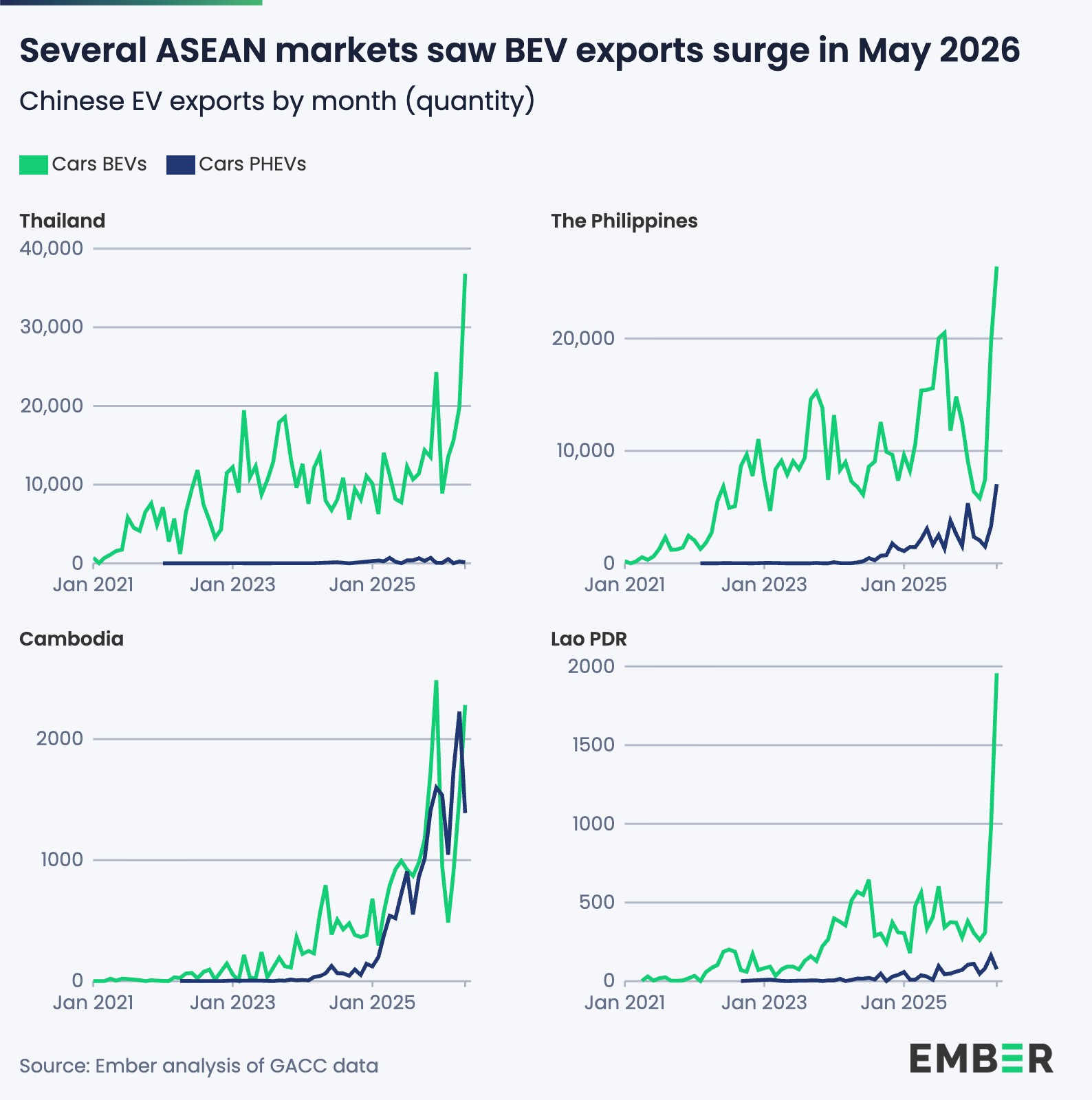
At the heart of this international expansion is the Association of Southeast Asian Nations (ASEAN) bloc. In May alone, Chinese EV exports to ASEAN nations hit a historic high of $1.2 billion. Countries like Thailand and the Philippines are leading the charge, while emerging markets such as Cambodia and Laos are experiencing unprecedented spikes in adoption. Catalyzed by a combination of government incentives, shifting trade policies, and an acute energy crisis spurred by geopolitical conflicts in the Middle East, Southeast Asia’s transition away from internal combustion engines (ICE) has shifted into hyperdrive. This comprehensive report explores the data, policies, and market dynamics driving this monumental shift.
Detailed Chronology: The Rise of China’s EV Export Empire
To understand the current scale of China’s dominance in the global EV market, it is necessary to examine the systematic evolution of its manufacturing and export capabilities over the past half-decade.
The Foundation Years (2020–2022)
At the dawn of the decade, China’s domestic EV market was largely inward-looking. Backed by government subsidies, robust supply chains, and fierce domestic competition—led by giants like BYD, SAIC, and Geely—local manufacturers scaled up production to meet massive internal demand. By 2020, monthly EV exports hovered below the $1 billion mark. However, as domestic supply chains matured and battery manufacturing costs plummeted, Chinese automakers turned their sights outward. Recognizing that Western markets would soon erect regulatory and tariff barriers, these companies identified neighboring Asian markets as prime territory for early expansion.
The Accelerating Momentum (2023–Early 2025)
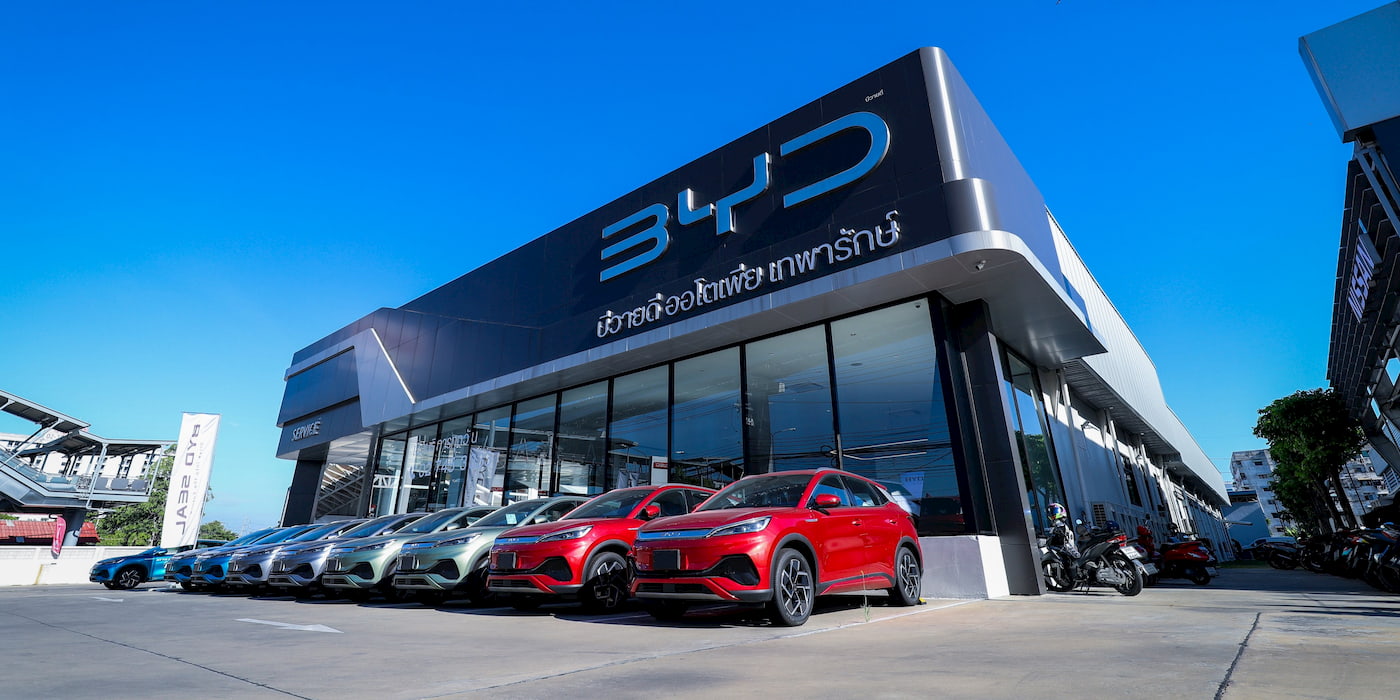
By 2023, the export strategy began paying massive dividends. Chinese automakers leveraged their cost advantages to introduce feature-rich, competitively priced electric cars into markets with growing middle classes. Governments in Southeast Asia, eager to reduce carbon emissions and curb costly urban air pollution, welcomed these investments with open arms. Chinese automotive brands did not merely export vehicles; they established local assembly plants, forged joint ventures with regional conglomerates, and built robust distribution networks, particularly in Thailand and Indonesia.
The Record-Breaking Surge (Spring 2026)
The spring of 2026 marked a watershed moment for the sector. In April, China’s global EV exports touched a staggering $9.1 billion, only to be outdone a month later in May, when shipments climbed to a historic $9.2 billion. This figure encompassed roughly 448,000 electric passenger vehicles exported in a single month, broken down into approximately 279,000 Battery Electric Vehicles (BEVs) and 169,000 Plug-in Hybrid Electric Vehicles (PHEVs).
Simultaneously, the ASEAN region recorded an all-time high of $1.2 billion in Chinese EV imports during May. This milestone was not merely the result of passive consumer interest, but rather the deliberate culmination of synchronized regional trade policies, zero-tariff incentives, and a macro-environment shaken by global energy volatility.
Supporting Context & Metrics: Decoding the ASEAN EV Explosion
The explosive growth of electric vehicles in Southeast Asia is underpinned by a complex web of economic data, policy pivots, and external geopolitical shocks.
Country-by-Country Breakdown
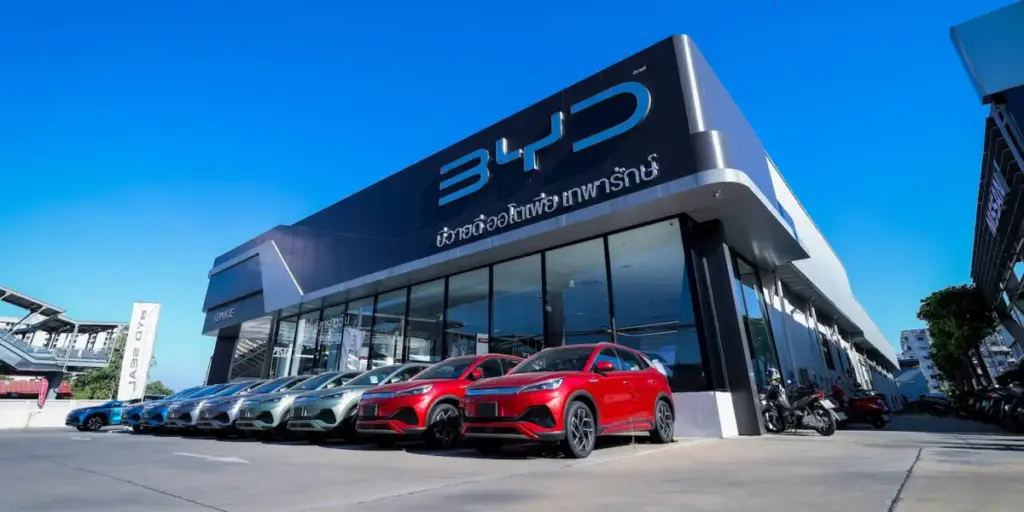
- Thailand: Long established as the "Detroit of Southeast Asia" due to its robust traditional automotive manufacturing base, Thailand has aggressively pivoted to become the region’s premier EV hub. In May alone, the nation imported more than 36,000 Chinese EVs. Generous consumer subsidies, combined with mandates requiring automakers utilizing subsidies to eventually manufacture locally, have made Thailand an irresistible destination for brands like BYD, Great Wall Motor, and Changan.
- The Philippines: Surging just behind Thailand, the Philippines recorded imports of over 33,000 Chinese electric vehicles in May. Urban centers grappling with severe traffic congestion and rising fuel costs are finding affordable Chinese urban EVs and crossovers to be an attractive alternative to traditional gasoline-powered vehicles.
- Cambodia: Demonstrating how aggressive policy adjustments can instantly stimulate a nascent market, Cambodia slashed its customs duties on BEVs to zero in late March. Simultaneously, the Cambodian government reduced tariffs on PHEVs from 35% to 7%. While BEVs continue to dominate the influx of Chinese vehicles, the slashed PHEV tariffs have given hybrid models significant room to grow.
- Laos: Perhaps the most radical policy shift in the region occurred in Laos. The landlocked nation has reduced EV registration and service fees while enacting stringent fleet regulations—requiring all commercial transportation companies to ensure that at least 10% of their operational fleets consist of electric vehicles by the end of 2026. Furthermore, in a bold move to slash its reliance on imported fossil fuels, Laos instituted a temporary ban on the import of traditional ICE cars through the end of the year.
The Middle East Crisis and the Energy Price Catalyst
While structural government policies have laid the groundwork, external macroeconomic factors have acted as a powerful accelerant. Ongoing conflicts and instability in the Middle East have injected severe volatility into global oil markets, sending fuel prices soaring across Asia.
For developing and emerging economies in Southeast Asia—many of which rely heavily on imported petroleum—expensive fossil fuels represent a major drain on foreign exchange reserves and household budgets. This energy vulnerability has fundamentally altered the consumer and political calculus surrounding transportation.
Official Statements and Industry Analysis
Industry experts and energy analysts monitoring the region emphasize that Southeast Asia’s transition is no longer a localized phenomenon, but a foundational pillar of the global energy transition.
Lam Pham, Ember’s energy analyst for Asia, highlighted the profound economic and security motivations driving the boom:
"The current energy crisis has reinforced the value of electrification as a pathway to greater energy security, reduced fuel import exposure, and long-term transport cost savings."
Pham notes that for ASEAN nations, electric vehicles are increasingly viewed not merely as environmental luxury goods, but as essential tools for national macroeconomic resilience. By decoupling domestic transportation from the volatile global oil market, governments can insulate their economies from external supply shocks.

Euan Graham, Ember’s senior electricity and data analyst, underscored the sheer speed and scale at which Chinese manufacturers are meeting this rising demand:
"Southeast Asia is fast becoming one of the most dynamic destinations for electric vehicles, and China is supplying that demand at scale and speed."
Graham’s assessment points to a structural shift in global automotive logistics. While Western automakers have frequently struggled to produce high-volume, affordable entry-level EVs, Chinese manufacturers have perfected the art of scalable, cost-efficient production, enabling them to flood fast-growing Asian markets with precisely the types of vehicles consumers are demanding.
Future Outlook: What Lies Ahead for the Global EV Market?
As the second half of the decade unfolds, the trajectories established in May 2026 point toward a transformative future for both Southeast Asian mobility and international trade.
1. Deepening Local Manufacturing and Supply Chains
The initial wave of Chinese EV expansion in Southeast Asia relied heavily on direct vehicle imports. However, this model is rapidly evolving. To circumvent potential future trade friction and comply with stringent local content requirements set by ASEAN governments, Chinese automakers are pouring billions of dollars into regional manufacturing plants. Thailand, Indonesia, and Malaysia are rapidly evolving from mere export destinations into integrated production hubs complete with battery assembly facilities and local component supply chains.

2. Infrastructure Expansion as the Next Frontier
The unprecedented influx of hundreds of thousands of EVs into markets like Thailand, the Philippines, Laos, and Cambodia places immense pressure on local power grids and charging infrastructure. The coming years will see massive capital expenditures dedicated to fast-charging networks, grid modernization, and the integration of renewable energy sources to power the burgeoning electric fleet. Governments that successfully pair vehicle import incentives with rapid charging infrastructure deployment will capture the greatest long-term economic benefits.
3. A Shift in Global Geopolitical Dynamics
For years, global discussions surrounding the EV transition were dominated by a Western-centric narrative focusing on European regulatory mandates and American industrial policies like the Inflation Reduction Act. The staggering $9.2 billion export figures from China—bolstered by a booming $1.2 billion ASEAN market—prove that a parallel, highly dynamic South-South automotive ecosystem has matured. As Chinese brands establish unshakeable market share across Southeast Asia, Latin America, and the Middle East, Western automakers face mounting pressure to develop truly affordable EVs or risk being permanently locked out of the world’s fastest-growing emerging markets.
Ultimately, the data from May 2026 serves as a clear harbinger: the electric vehicle revolution is truly global, and its most exciting frontier is currently being written on the asphalt of Southeast Asia.