Executive Overview
In an era defined by intensifying climate volatility and unprecedented pressures on natural ecosystems, conservation models are undergoing a paradigm shift. For decades, top-down, fortress-conservation strategies frequently marginalized Indigenous populations, stripping them of traditional land rights under the assumption that human presence inherently degrades ecological health. However, a revolutionary initiative in northern Tanzania is turning this outdated narrative on its head.
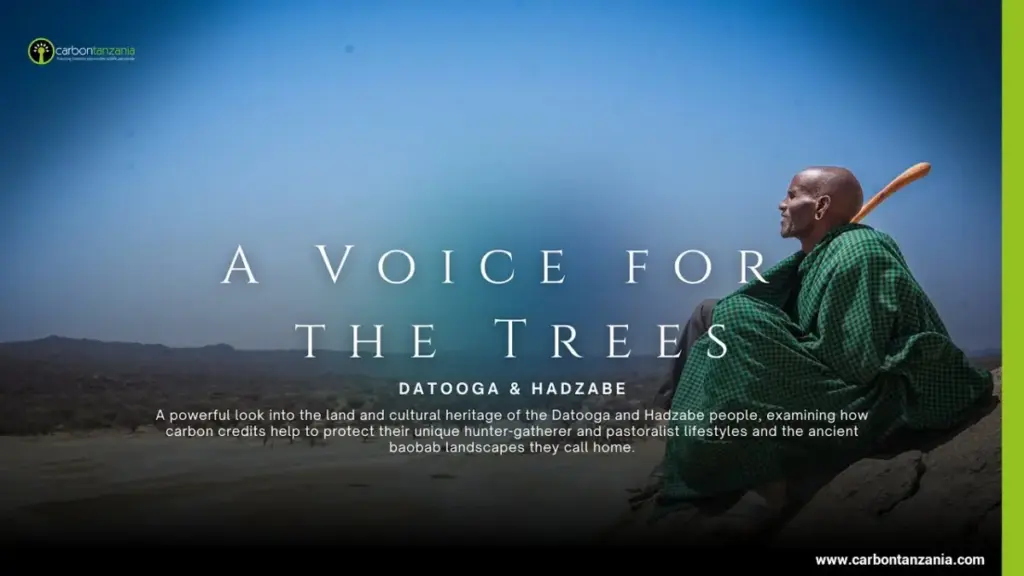
The Yaeda-Eyasi Carbon Offset Project—championed by Carbon Tanzania and prominently featured within the Sustainable Travel International Climate Impact Portfolio—demonstrates unequivocally that Indigenous communities are not obstacles to environmental preservation, but rather its most effective guardians. Centered in the dramatic landscapes of the Yaeda and Lake Eyasi basins, this initiative empowers the Indigenous Datooga and Hadza communities to protect their ancestral territories through direct carbon finance.
By translating verified forest carbon sequestration into tangible economic revenue, the project aligns the preservation of critical carbon sinks with the socioeconomic upliftment of marginalized peoples. The stakes could not be higher. For the Hadza, one of Africa’s last remaining hunter-gatherer groups, and the Datooga, traditionally pastoralist communities, protecting the local acacia woodlands is an existential imperative. As German Sedoyeka, the Yaeda-Eyasi Project Manager, poignantly notes after posing a hypothetical question to a local resident about the project’s departure: "If the carbon project were to leave today, the situation would be very bad. Life would be very difficult."
This investigative feature explores the mechanics, achievements, and broader implications of the Yaeda-Eyasi Landscape Project. Through rigorous analysis of its operational structure, community-led forest monitoring systems, direct socioeconomic dividends, and future viability, we examine how market-based climate solutions, when rooted in local land tenure and human rights, can successfully reconcile global climate ambitions with Indigenous self-determination.
Detailed Chronology: The Evolution of the Yaeda-Eyasi Landscape Project
To understand the current success of the Yaeda-Eyasi initiative, one must trace its historical roots, mapping out the deliberate, multi-year progression from vulnerable land tenure to a globally recognized benchmark for community-based carbon management.
Phase I: The Precipice of Loss (Pre-2010s)
For generations, the Hadza and Datooga peoples inhabited the dry, acacia-dominated woodlands surrounding Lake Eyasi and the Yaeda Valley. The Hadza relied on the forests for wild honey, tubers, fruit, and game, maintaining a nomadic or semi-nomadic lifestyle that left a virtually negligible ecological footprint. Meanwhile, the Datooga utilized the peripheries for seasonal livestock grazing.
However, entering the 21st century, these communities faced an existential threat. Rapid agricultural expansion, illegal logging for charcoal production, and an influx of agro-pastoralist migrants placed unprecedented pressure on the landscape. Land fragmentation accelerated. Without formal, legally recognized land titles, the Indigenous populations were vulnerable to land grabs, dispossession, and the rapid degradation of the ecosystems that sustained their cultural identity. "This land has been our home forever. It is part of who we are," echoes through the testimonies of community elders, underscoring the deep spiritual and physical bonds severed by creeping deforestation.
Phase II: Securing Rights and Laying Foundations (Early 2010s)
Recognizing that conservation is impossible without tenure security, non-governmental organizations—most notably Carbon Tanzania, working in close partnership with local civil society groups and government authorities—stepped in to establish a foundational legal framework.
The critical first step involved securing Certificates of Customary Rights of Occupancy (CCROs) for the local communities. This legal empowerment gave the Hadza and Datooga formal ownership over their traditional lands, creating a legal shield against external encroachment. Once tenure was established, stakeholders laid the groundwork for a Reducing Emissions from Deforestation and Forest Degradation (REDD+) project. By quantifying the carbon stored within the acacia-commiphora woodlands and calculating the emissions avoided by halting deforestation, the project positioned itself to enter the voluntary carbon market.
Phase III: Operationalizing Carbon Finance (Mid-2010s to Present)
With methodological validation and rigorous carbon baseline assessments completed, the Yaeda-Eyasi project began issuing verified carbon credits. These credits were purchased by environmentally conscious corporations, organizations, and individuals—including participants in Sustainable Travel International’s carbon offset initiatives.
Unlike traditional conservation models where funds are funneled through distant bureaucracies, the Yaeda-Eyasi framework operationalized a direct-to-community revenue stream. Locally elected governance structures were established to manage incoming funds transparently. Community-appointed forest rangers were recruited, trained, and put on stable payrolls to patrol the boundaries, deter illegal loggers, and monitor ecological health. Concurrently, revenues began flowing into community-prioritized public goods, transforming the daily reality of remote Tanzanian villages.
Supporting Context & Metrics: How the Project Operates
The mechanics of the Yaeda-Eyasi Carbon Offset Project bridge high-level international carbon accounting with grassroots ecological management. Analyzing the operational pillars reveals why this initiative has achieved sustained success where others have faltered.
1. Community-Led Forest Protection and Monitoring
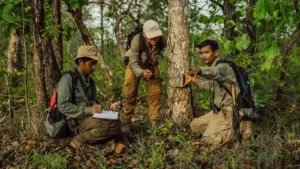
At the heart of the project’s methodology is the understanding that local populations possess superior knowledge of their environment. Rather than hiring external security forces—a tactic that historically breeds resentment and human rights abuses—the project employs locally appointed rangers drawn directly from the Hadza and Datooga communities.
- Stable Incomes: These rangers earn reliable, formal incomes funded entirely through carbon finance. This provides an alternative economic lifeline in a region where cash economies are severely underdeveloped.
- Proactive Defense: Equipped with modern monitoring tools (such as GPS-enabled mapping devices) alongside traditional tracking skills, rangers routinely patrol vast tracts of woodland. They intercept illegal charcoal makers, prevent unauthorized agricultural clearance, and report land encroachment before it results in permanent deforestation.
2. Ecological Restoration and Co-Benefits
The results of this vigilant protection are starkly visible across the landscape. Forests that were previously degraded are actively regenerating. This ecological recovery has generated a cascade of direct co-benefits:
- Apiculture (Honey Production): The restoration of flowering acacia trees has driven a resurgence in wild bee populations. Traditional honey harvesting, a vital dietary and economic staple for the Hadza, has flourished, yielding higher volumes of organic honey for local consumption and sale.
- Biodiversity and Subsistence: The recovering canopy sustains rich undergrowth, providing critical fruit sources for human nutrition and reliable dry-season grazing corridors for livestock. Wildlife populations, including migratory ungulates and predators, have found refuge within the stabilized corridors.
3. Socioeconomic Infrastructure Dividends
Carbon revenue is not merely banked; it is actively deployed to address systemic regional inequities. Through democratic community meetings, residents vote on how to allocate surplus carbon funds. Key infrastructural investments include:
- Education: Funding the construction and maintenance of local schools, reducing the distance children must travel to receive an education and significantly boosting enrollment rates.
- Healthcare: Subsidizing the establishment of community health clinics, bringing preventative care, maternal health services, and essential medicines closer to remote homesteads.
Official Statements and Stakeholder Perspectives
The transformative impact of the Yaeda-Eyasi project is best understood through the voices of those who implement it, govern it, and live within its boundaries.
"This land has been our home forever. It is part of who we are."
— Anonymous Indigenous Community Member, Yaeda Valley
This simple declaration captures the psychological and cultural dimensions of land tenure security. For Indigenous groups, conservation is not a transactional exercise in carbon accounting; it is the preservation of heritage, cosmology, and ancestral duty.
German Sedoyeka, the Yaeda-Eyasi Project Manager, highlights the precarious reliance these communities now place on the voluntary carbon market:
"I once asked a community member what would happen if the carbon project were to leave. He said, ‘If the carbon project were to leave today, the situation would be very bad. Life would be very difficult.’"
Sedoyeka’s observation underscores a profound ethical reality. While carbon projects lift communities out of extreme marginalization, they also introduce a modern economic dependency. The success of the project has raised local living standards and created institutional dependencies on schools, clinics, and ranger salaries. Consequently, the continuity of these carbon markets is no longer just a climate mitigation goal—it is a humanitarian necessity for the survival and dignity of the Hadza and Datooga.
From the perspective of institutional partners like Sustainable Travel International, the Yaeda-Eyasi initiative represents the gold standard of what a Climate Impact Portfolio should achieve. By directing offset investments toward projects that simultaneously sequester carbon, protect biodiversity, and uphold human rights, programs like this prove that carbon offsets can deliver verifiable, multi-layered value.
Future Outlook: Challenges and Horizons
As the Yaeda-Eyasi Carbon Offset Project looks toward the future, it navigates a complex global landscape characterized by both immense opportunity and systemic vulnerability.
Navigating the Volatility of Voluntary Carbon Markets
The global voluntary carbon market has experienced intense scrutiny in recent years, with critics questioning the additionality, permanence, and methodological rigor of various offset schemes worldwide. While the Yaeda-Eyasi project has largely insulated itself from these critiques by maintaining transparent, community-grounded verification processes and direct benefit-sharing mechanisms, it remains exposed to broader market fluctuations.
- Pricing Fluctuations: Shifts in corporate net-zero commitments and volatile credit pricing can directly impact the volume of revenue flowing down to the Yaeda Valley.
- Diversification Strategies: To ensure long-term resilience, project managers and partner organizations are exploring diversified funding streams, including sustainable ecotourism partnerships, ethical non-timber forest product markets (such as certified organic wild honey branding), and government-backed biodiversity credits.
Scaling Indigenous-Led Conservation
The triumphant model witnessed in the Yaeda and Lake Eyasi basins offers a scalable blueprint for the rest of East Africa and beyond. Across the globe, an estimated 80% of remaining biodiversity is located on Indigenous lands. Replicating the Yaeda-Eyasi framework—starting with legal land titling, followed by community ranger employment, and culminating in equitable carbon revenue distribution—could revolutionize global conservation efforts.
However, scaling requires navigating complex bureaucratic landscapes, countering entrenched political resistance to Indigenous land rights in certain jurisdictions, and maintaining rigorous free, prior, and informed consent (FPIC) protocols at every stage.
Conclusion: A Blueprint for Harmonized Climate Action
The Yaeda-Eyasi Landscape Project transcends traditional definitions of a carbon offset initiative. It is a living testament to the efficacy of Indigenous land stewardship. By honoring the traditional knowledge of the Datooga and Hadza communities and fusing it with modern legal frameworks and carbon market mechanisms, the project has successfully halted deforestation, restored vital ecosystems, and injected life-changing socioeconomic infrastructure into remote Tanzania.
As global leaders grapple with the twin crises of climate change and biodiversity loss, the lesson from the acacia woodlands of Yaeda is clear: true ecological sustainability cannot be achieved at the expense of human dignity. By empowering those who have inhabited and protected the land for millennia, initiatives supported by organizations like Carbon Tanzania and Sustainable Travel International offer a beacon of hope—proving that when Indigenous communities thrive, the planet thrives with them.