

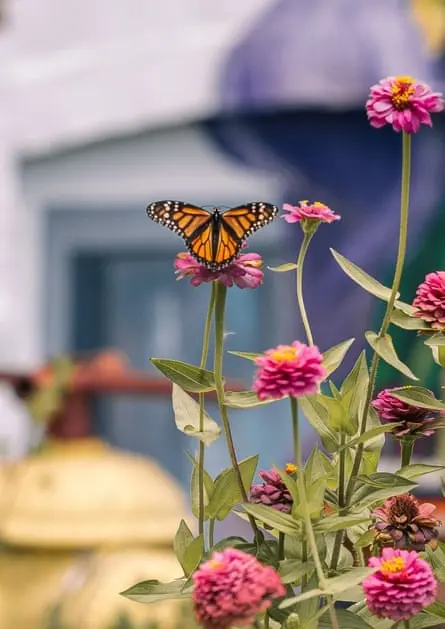
Amid the relentless, hardscape geometry of Chicago’s Pilsen neighborhood—where concrete and asphalt dominate the urban footprint—one residence defies its industrial surroundings. Covered in a breathtaking, vividly colored mural of monarch butterflies, Claudia Galeno-Sánchez’s family home serves as a striking beacon of ecological resistance. Over the past several years, Galeno-Sánchez has transformed her modest front and back yards into a thriving urban sanctuary dedicated to the cultivation of native milkweed and wildflowers.
For Galeno-Sánchez, 49, this endeavor is far more than a gardening hobby; it is a deeply personal mission tied to environmental stewardship, community empowerment, and a profound emotional connection to migration. Observing the stark decline of monarch populations both in her adopted home of Chicago and her hometown in Puebla, Mexico, she has dedicated her life to building resilient natural habitats. Her work aligns with a nationwide grassroots movement of urban conservationists working tirelessly to combat the severe, systemic threats facing North America’s most iconic pollinators.
However, this grassroots mobilization unfolds against a backdrop of escalating ecological crisis and regulatory setbacks. Over the past two decades, eastern and western monarch populations have plummeted due to rampant habitat loss, the widespread application of harmful pesticides, and climate-induced extreme weather events. While recent policy decisions by U.S. federal agencies have delayed vital Endangered Species Act protections until June 2030, local advocates refuse to wait for bureaucratic rescue. Through initiatives like the non-profit Women for Green Spaces, Galeno-Sánchez and her peers are proving that grassroots ecological restoration can take root in the unlikeliest of urban landscapes, offering a vital lifeline to endangered species and human communities alike.
Detailed Chronology: From Childhood Memories to Urban Sanctuary
The seeds of Galeno-Sánchez’s ecological activism were planted decades ago during her childhood in Puebla, Mexico, where vibrant skies routinely teemed with millions of migrating monarch butterflies. These early memories created a lasting impression of natural abundance, a stark contrast to the environmental realities she would witness years later.

A Decade of Awakening
A turning point arrived roughly ten years ago during a return visit to her hometown in Puebla. Walking through the landscapes of her youth, Galeno-Sánchez was struck by an unsettling quiet: the skies were conspicuously empty. The dense swarms of monarch butterflies that had defined her childhood were gone, replaced by an alarming vacuum. Struck by grief and confusion, she asked herself the question that would redirect her life’s trajectory: "What’s happening with the butterflies?"
The realization that an entire species was fading from view coincided with her evolution as a mother. "Before becoming a mom, I didn’t know much about the environment," Galeno-Sánchez reflects in Spanish. "Knowing that we are losing species and the planet is warming, I feel that while I’m alive, it’s my time to do something. Not only for my children, but for future generations."
Transforming the Pilsen Homestead
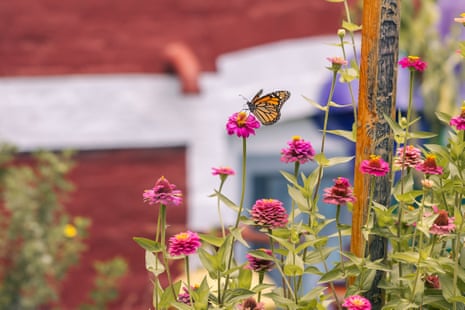
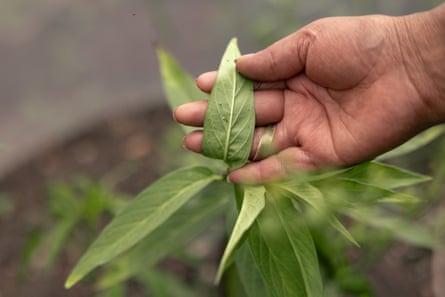
Upon returning to Chicago, Galeno-Sánchez began the meticulous process of transforming her family home in Pilsen—shared with her husband and two children—into an educational and ecological sanctuary. Recognizing that monarchs depend entirely on native milkweed to lay their eggs and feed their caterpillars, she tore up traditional landscaping and replaced it with native milkweed and diverse regional wildflowers.
Her early efforts, though driven by pure intentions, involved a steep learning curve. Initially, Galeno-Sánchez attempted to rear monarch caterpillars indoors, believing that protecting them from outdoor elements offered the best chance of survival. However, consultations with conservation experts revealed a critical flaw: indoor rearing can inadvertently weaken the insects, inhibiting their ability to navigate the rigors of the wild.

"We have to plant their natural habitats out there, because they are not human babies; they are another species," Galeno-Sánchez explains. "They need to be exposed to sunlight, to changes in temperature, even predators make them stronger to migrate."
By shifting her focus from captive breeding to outdoor habitat restoration, her Pilsen yard became a vital fueling station. Every fall, through late October, Galeno-Sánchez and her children now marvel at delicate generations of monarchs touching down to rest and refuel during their grueling, nearly 3,000-mile migratory journey to the overwintering sanctuaries in Mexico.
Expanding the Footprint: Neighborhood-Wide Action
What began as a single residential garden quickly catalyzed a broader neighborhood movement. Recognizing that isolated patches of green are insufficient to sustain migrating populations, Galeno-Sánchez expanded her efforts beyond her property lines.
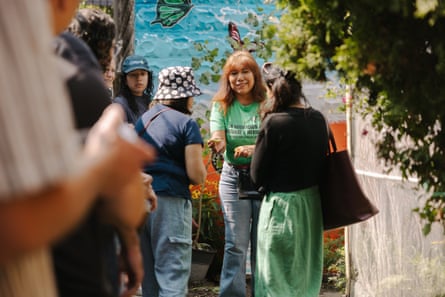
To date, she has spearheaded eight distinct native plant projects spanning her neighborhood and local schools. She has also partnered with community gardens located in dense industrial sectors of Chicago, supplying milkweed plants and securing financial stipends for local residents who volunteer to water and maintain them. To institutionalize these efforts, Galeno-Sánchez co-founded the non-profit organization Women for Green Spaces, which aims to forge partnerships with schools across the Chicago metropolitan area, teaching children the foundational importance of ecosystem care and urban biodiversity.
Supporting Context & Metrics: The Peril and Promise of the Monarch
The grassroots efforts of individuals like Galeno-Sánchez take place against a complex and increasingly precarious scientific backdrop. The monarch butterfly (Danaus plexippus) is globally renowned for one of the most remarkable migration phenomena in the animal kingdom, traversing thousands of miles across international borders between Canada, the United States, and Mexico. Yet, this evolutionary marvel is buckling under anthropogenic pressures.
Scientific Assessment of Decline
According to extensive monitoring by conservation scientists and wildlife agencies, both the eastern and western North American monarch populations have experienced severe, long-term declines over the past two decades. The primary drivers of this trajectory include:
- Habitat Destruction: Widespread deforestation in the monarch’s high-altitude overwintering sanctuaries in Central Mexico, coupled with intensive agricultural practices in the U.S. Midwest that have systematically eradicated native milkweed fields through the heavy use of herbicides.
- Pesticide Overload: The widespread application of systemic insecticides, including neonicotinoids, which contaminate the nectar and foliage vital for butterfly survival, leading to documented mass die-offs.
- Climate Change: Unpredictable weather patterns, prolonged droughts, and severe storms disrupt the delicate timing of the butterflies’ spring and fall migrations, often stranding them without necessary floral resources.
The Policy Landscape and Regulatory Delays
Conservation advocates have spent years fighting for formal federal recognition of the monarch butterfly under the U.S. Endangered Species Act (ESA). Securing ESA listing would unlock vital federal funding, mandate cross-agency conservation strategies, and enforce stricter regulations on habitat destruction and pesticide use.
However, these efforts have faced continuous political hurdles. Following earlier delays, federal wildlife authorities under successive administrations—including recent developments—have pushed back any final determination regarding monarch protections. Most recently, the U.S. Fish and Wildlife Service’s decision on whether to list the species as endangered has been officially delayed until June 2030, a move heavily criticized by environmental law groups and conservation biologists who argue that bureaucratic inaction jeopardizes the species’ remaining window of recovery.
A Glint of Hope in Eastern Populations
Despite the overarching crisis, recent winter monitoring data has offered moments of cautious optimism. Fluctuations in the eastern monarch population—which overwinters in Mexico’s Oyamel fir forests—have shown temporary increases in the total forest area occupied by clusters of butterflies during specific years.
While these modest upticks have drawn widespread media attention and praise for conservation groups, wildlife biologists issue a firm caveat: short-term population spikes do not equate to long-term recovery. The underlying rate of habitat degradation still far outpaces annual population growth, leaving the monarch perpetually vulnerable to the looming threat of functional extinction. For backyard conservationists, however, these numbers provide a vital psychological boost, reinforcing the tangible impact of local habitat creation.
Official Statements & Community Perspectives
The intersection of ecological preservation and human migration forms the emotional core of Claudia Galeno-Sánchez’s narrative, bridging the gap between wildlife conservation and the immigrant experience.
The Parallel of Migration
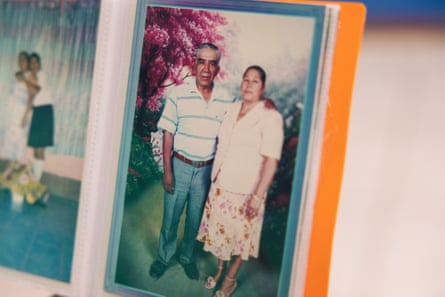
For Galeno-Sánchez, the plight of the monarch butterfly is not merely an abstract scientific concern; it is a reflection of her own life story. Having migrated to the United States as a child without her parents to live with extended family in Chicago, she intimately understands the trials of displacement, resilience, and the search for sanctuary.
Because of her immigration status at the time, Galeno-Sánchez faced the profound heartbreak of being unable to travel back to Mexico to be with her father during his final days as he battled cancer. This deeply personal trauma infuses her conservation work with a poignant sense of empathy.
"The monarch butterfly migrates. We migrate. The only difference is that the monarch butterfly does not require a passport." — Claudia Galeno-Sánchez
By framing migration as a natural, shared imperative across species, Galeno-Sánchez challenges xenophobic narratives and reframes human movement as part of a broader, interconnected ecological fabric. Her public speaking and community outreach emphasize that borders—whether political or geographical—are human constructs unknown to the natural world.
Institutional and NGO Voices
Environmental organizations working alongside grassroots leaders emphasize that the survival of urban ecosystems depends entirely on community-led interventions. Representatives from Women for Green Spaces note that traditional, top-down conservation models often fail to engage urban populations, particularly in working-class neighborhoods of color like Pilsen.
"Grassroots leaders like Claudia are redefining what environmentalism looks like," notes a spokesperson for the coalition. "Conservation is not just about pristine wilderness reserves in remote national parks; it is happening right here on concrete blocks, schoolyards, and apartment balconies. When we empower urban communities to nurture pollinators, we are simultaneously building community resilience, mental health, and climate adaptation from the ground up."
Future Outlook: Interconnected Survival
As the debate over federal protections stretches toward the 2030 decision deadline, the responsibility of safeguarding the monarch butterfly continues to rest heavily on the shoulders of decentralized networks of citizens, scientists, and educators.
Galeno-Sánchez’s vision for the future extends far beyond her current roster of eight native plant projects in Pilsen. Through Women for Green Spaces, she aims to scale the initiative across the entire Chicago Public Schools district, embedding ecological literacy into urban curricula. By teaching children how to cultivate milkweed, observe caterpillar development, and respect local biodiversity, the organization hopes to foster an entire generation of environmental stewards.
Ultimately, Galeno-Sánchez views her labor of love as a matter of enlightened self-interest for the human race. The preservation of the monarch butterfly is inextricably linked to the health of broader insect populations, agricultural productivity, and global ecological stability.
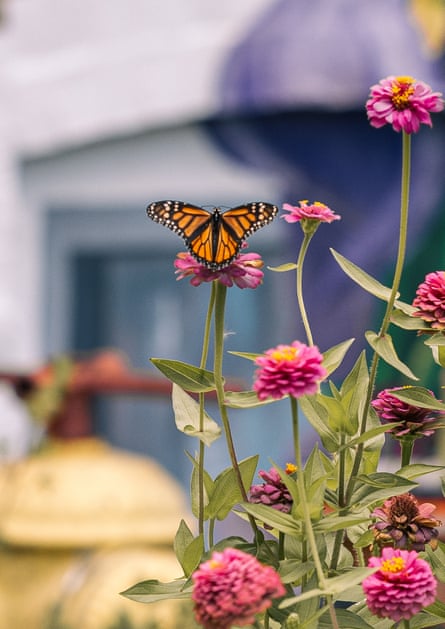
"By protecting them [the butterflies], we are protecting other pollinators and eventually protecting humankind," Galeno-Sánchez concludes.
In the heart of Chicago, where concrete once seemed absolute, a single painted home and its surrounding patches of milkweed stand as proof that transformation is possible—reminding a fractured world that resilience, much like migration, is a journey shared by all living things.



