

Executive Overview
July is arguably the most demanding month of the year for human skin. As temperatures soar, daylight stretches into the late evening, and social calendars fill with outdoor excursions, our dermatological health is subjected to a relentless onslaught of environmental stressors. We sweat more, experience higher volumes of ultraviolet (UV) radiation, and frequently alter our dietary habits to favor lighter, colder meals.
Yet, when acne flares, skin tightens into uncomfortable dehydration, or premature sun damage becomes apparent, the modern consumer’s immediate reaction is almost exclusively topical. We scour beauty aisles for stronger serums, heavier moisturizers, and high-SPF formulations, completely overlooking a foundational variable: the plate.
Summer skin is unequivocally easier to feed than it is to rescue. While topical treatments manage the surface and sunscreens provide an indispensable shield against UV rays, they cannot manufacture biological tissue out of thin air. The structural integrity, hydration capacity, and resilience of your skin are built from the inside out using the raw biochemical materials supplied by your diet. Understanding the complex interplay between seasonal physiological shifts and internal nutrition is the missing link in achieving authentic, resilient summer skin.
Detailed Chronology: How Summer Disrupts Skin Physiology
To understand why our dietary needs shift so drastically during the summer months, we must first examine the physiological cascade that occurs when ambient temperatures climb and solar exposure peaks. This seasonal transformation unfolds across three distinct biological fronts:

Phase 1: The Electrolyte and Fluid Drain
As the body works to maintain thermoregulation in the summer heat, sweat glands kick into overdrive. While perspiration is vital for cooling the body, it is not merely water evaporating from the skin. Sweat is a hypotonic fluid containing vital electrolytes—primarily sodium and potassium.
When individuals rely solely on guzzling plain, un-salted water to combat summer thirst, they inadvertently dilute their extracellular fluid balance. This creates a state of internal cellular dehydration that standard topical moisturizers cannot fix. The skin, being the body’s largest organ, is often the first to reflect this systemic electrolyte imbalance, presenting as a dull, lackluster texture or an overproduction of compensatory oil.
Phase 2: The UV Antioxidant Depletion Cycle
Simultaneously, heightened UV exposure triggers a surge in free radicals within the dermal layers. These unstable molecules cause oxidative stress, systematically breaking down collagen and elastin fibers. To neutralize this damage, the body draws upon its internal reserves of antioxidants—such as vitamins C and E, and carotenoids stored in cutaneous tissue.
During the peak summer months, these antioxidant reserves are depleted at an accelerated rate, often outstripping the body’s baseline replenishment capacity. Without a continuous influx of dietary antioxidants, the skin’s natural photoprotective defenses are severely compromised.

Phase 3: The Seasonal Appetite Shift
Compounding these environmental stressors is a behavioral shift: when it’s hot outside, human appetite naturally drops. Heavy, hot meals fall out of favor, replaced by erratic grazing, skipped meals, or monotonous salads lacking adequate caloric and macronutrient density.
If an individual goes four or five days running with inadequate protein intake, the body experiences a shortage of the specific amino acids required for constant cellular turnover and structural repair. The result is a silent nutritional deficit that manifests directly on the surface of the skin as delayed healing, micro-tears from environmental friction, and a compromised moisture barrier.
Supporting Context & Metrics: The Nutritional Framework for Dermal Resilience
Bridging the gap between seasonal nutrition and skin health requires a strategic focus on specific macro- and micronutrients. None of these dietary components replace sunscreen, but together they establish an elite biological baseline.
1. Hydration Starts on the Plate
While fluid intake is heavily emphasized in wellness culture, a surprisingly meaningful share of daily hydration can—and should—come directly from food. Summer produce is naturally water-dense and rich in potassium, making it uniquely suited to combat summer dehydration.
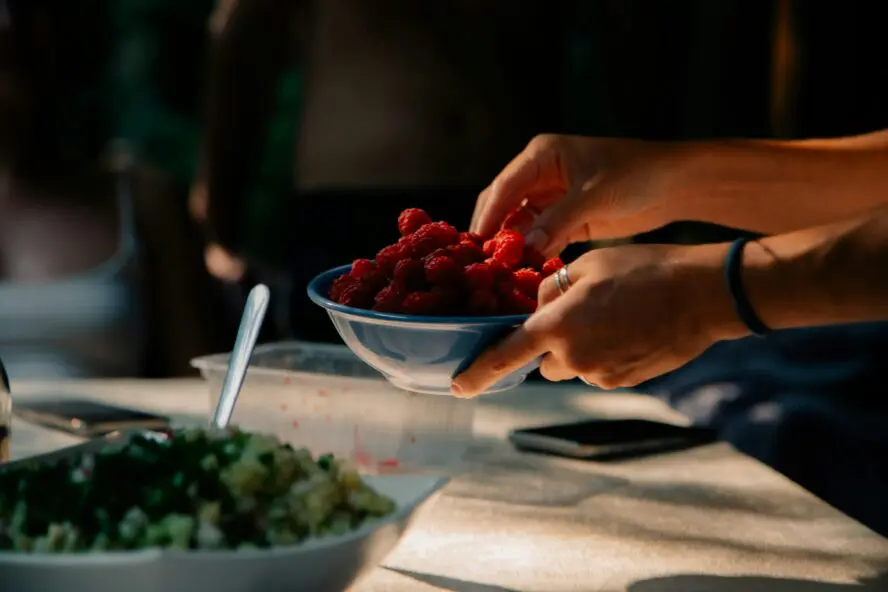
- The Power Players: Watermelon, cucumbers, heirloom tomatoes, fresh berries, citrus fruits, and leafy greens boast water contents exceeding 90%.
- The Electrolyte Connection: Because sweating depletes potassium alongside water, pairing water-dense produce with potassium and sodium sources (such as cantaloupe, legumes, Greek yogurt, and potatoes) restores cellular osmotic balance far more effectively than water alone.
+--------------------+-------------------------+------------------------------------------+
| Produce Item       | Water Content (Approx.) | Key Electrolytes / Skin Benefits         |
+--------------------+-------------------------+------------------------------------------+
| Watermelon         | 92%                     | Lycopene, Potassium, Citrulline          |
| Cucumber           | 95%                     | Silica, Hydrating Polysaccharides        |
| Heirloom Tomatoes  | 94%                     | Lycopene, Vitamin C                      |
| Leafy Greens       | 90-93%                  | Beta-carotene, Folate, Magnesium         |
+--------------------+-------------------------+------------------------------------------+
2. Vitamin C and Collagen Synthesis
Collagen is the structural scaffold of the skin, providing firmness and elasticity. However, the human body cannot assemble collagen molecules without an adequate, steady supply of Vitamin C, which acts as a non-negotiable enzymatic cofactor.
- The Food Sources: Bell peppers, strawberries, kiwi, citrus fruits, and broccoli are rich in Vitamin C and peak in availability during the warmer months.
- The Bioavailability Caveat: Vitamin C is notoriously fragile; it breaks down rapidly upon exposure to heat, light, and time. Consuming a bell pepper raw provides a significantly higher concentration of active vitamin C than cooking it down into a hot soup or stew.
3. Carotenoids and Endogenous UV Defense
Carotenoids—specifically beta-carotene and lycopene—accumulate steadily in human skin tissue over weeks of consistent dietary intake. Clinical research indicates that individuals who maintain a high intake of these compounds exhibit a measurable, albeit modest, increase in their minimal erythema dose (the threshold at which skin begins to redden under UV light).
- The Lycopene Advantage: Interestingly, lycopene is more bioavailable from cooked tomatoes combined with a healthy fat, such as extra virgin olive oil, than from raw tomatoes. A simple, lightly cooked summer marinara sauce is biochemically superior to a raw tomato salad for this specific purpose.
- Beta-Carotene Sources: Carrots, sweet potatoes, apricots, and red bell peppers round out the defense team.
4. Omega-3 Fatty Acids and the Lipid Barrier
The stratum corneum—the outermost layer of the epidermis—relies on a specialized matrix of lipids to lock in moisture and keep environmental pathogens out. The essential fatty acids in your diet feed directly into the lipid bilayer.
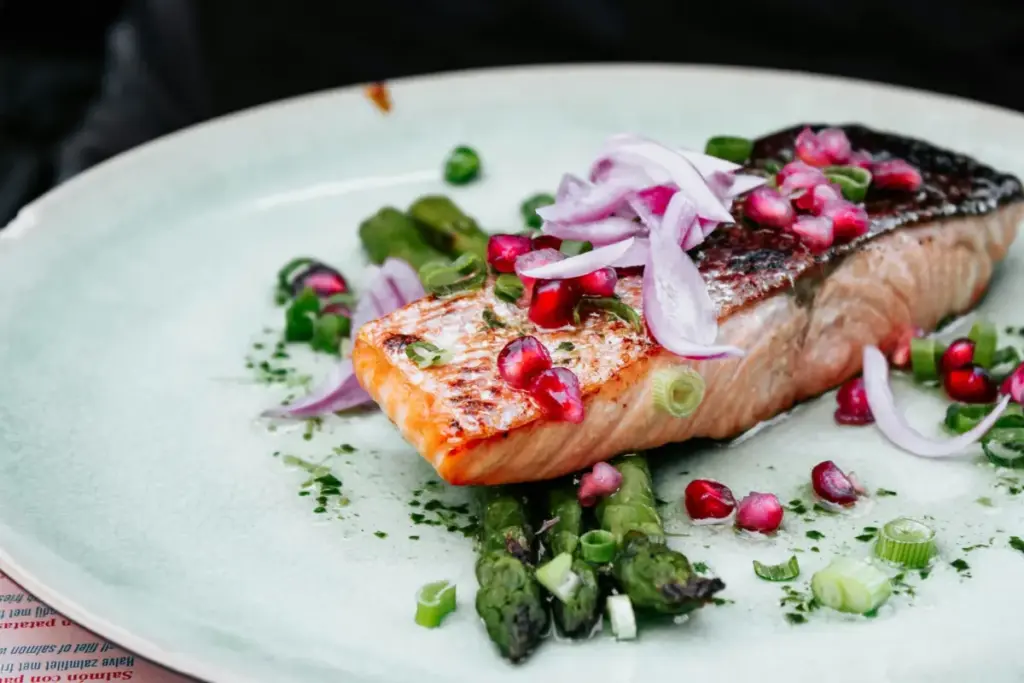
- Marine vs. Plant Sources: Fatty fish consumed twice a week remains the clinical gold standard for skin barrier support due to its high concentration of EPA and DHA omega-3s. Plant-based alternatives such as walnuts, flaxseeds, and chia seeds offer ALA omega-3s, though the human body’s conversion rate of ALA to EPA/DHA is inefficient, requiring larger serving sizes to match marine-based benefits.
5. Protein and Zinc for Cellular Turnover
Skin cells are in a perpetual state of sloughing and regeneration. This turnover requires a steady stream of building blocks.
- Amino Acids: Collagen is constructed primarily from the amino acids glycine and proline. Getting these requires regular, evenly distributed protein intake throughout the day rather than one massive protein load at dinner.
- Zinc: Crucial for wound healing and immune defense in the skin, zinc is found abundantly in shellfish, grass-fed beef, lentils, chickpeas, and pumpkin seeds.
Official Perspectives: The Gut-Skin Axis and Dermatological Realities
As wellness science evolves, researchers are paying closer attention to the gut-skin axis—the biochemical communication network connecting the gastrointestinal microbiome to cutaneous health.
Fermented foods such as unpasteurized yogurt, kefir, traditional sauerkraut, and kimchi are frequently lauded as cure-alls in skincare discourse. Clinical literature confirms that a diverse, robust gut microbiome influences systemic inflammation, which in turn impacts inflammatory skin conditions like acne, rosacea, and eczema.
However, dermatological experts urge caution against overhyping these findings. While cultivating a healthy gut through fermented foods creates a positive systemic environment, researchers emphasize that eating a bowl of sauerkraut will not magically erase hyperpigmentation or overnight clear chronic breakouts. The gut-skin connection is a powerful foundational pillar, but it must be viewed as part of an integrated lifestyle approach rather than a standalone miracle cure.
Future Outlook: A Balanced Blueprint for Summer Wellness
Ultimately, nutrition and topical care must operate as a collaborative partnership rather than competing philosophies.

Food builds the literal biological material your skin is made of. Products handle the surface environment, and sunscreen handles the solar spectrum that diet simply cannot touch. When you stop asking your skincare products to act as a substitute for a nutrient-dense diet—and vice versa—both systems begin to perform at their highest capacity.
Furthermore, for those curating wellness-focused summer routines or searching for thoughtful gifts for beauty enthusiasts, the complexity of personal skin chemistry should guide your choices. Formulas that worked wonderfully in February can feel entirely wrong by July, and skin types vary wildly. Rather than guessing at serums or specialized moisturizers, gifting options like a versatile beauty retailer gift card allow individuals to tailor their topical regimens to their skin’s shifting seasonal needs.
A One-Week Actionable Summer Skin Plan
To operationalize these insights without overhauling your lifestyle, anchor your week with these five consistent habits:
- Prioritize Water-Dense Produce: Include at least one serving of raw, water-rich fruit or veg (like watermelon, cucumber, or berries) with every afternoon meal.
- Double Down on Vitamin C: Incorporate raw red bell peppers or sliced strawberries into your morning routine to secure heat-sensitive antioxidants.
- Cook Your Tomatoes: Enjoy a simple olive-oil-infused tomato sauce at least twice a week to maximize lycopene absorption.
- Spread Your Protein: Distribute your protein intake evenly across breakfast, lunch, and dinner to ensure a continuous supply of amino acids for skin repair.
- Incorporate Healthy Fats: Add a handful of walnuts or a serving of wild-caught salmon to your weekly rotation to reinforce your skin’s moisture barrier from within.
Summer skin is remarkably resilient, provided you give it the fuel it needs to thrive under pressure. Feed it well, protect it wisely, and let your internal vitality do the rest.



