

Executive Overview
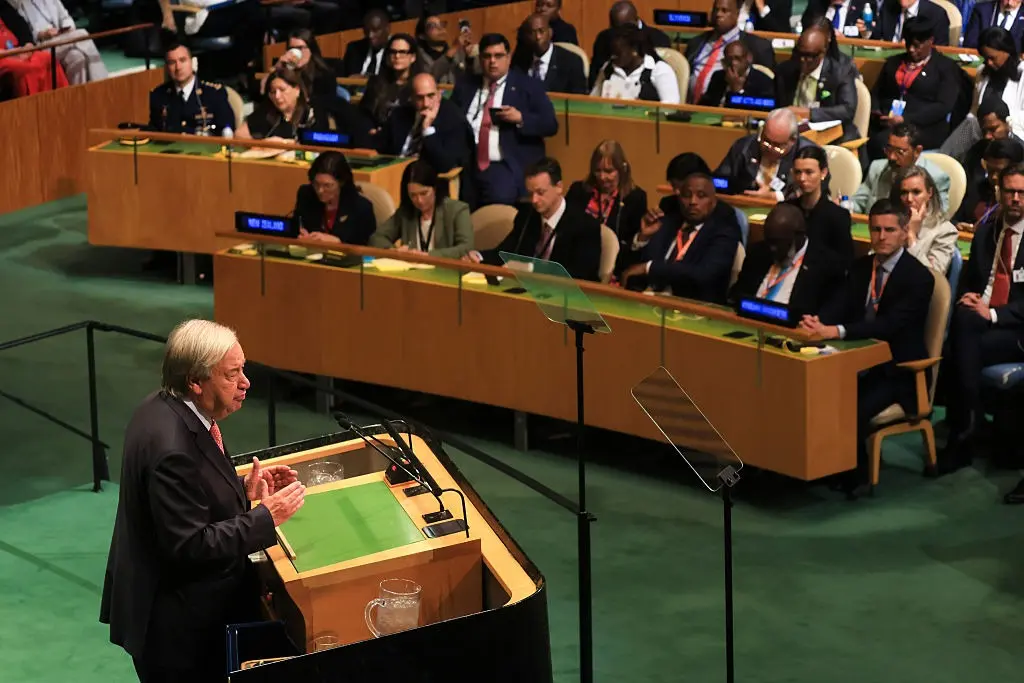
In a decisive move aimed at cementing its leadership in global climate action, the German federal government has formally presented a master strategy to complete the total phase-out of fossil fuels across its national energy landscape by 2045 at the latest. Unveiled on the sidelines of the United Nations General Assembly in New York, the transition roadmap provides a granular framework designed to systematically dismantle the country’s reliance on coal, oil, and natural gas, replacing them with a fully decarbonized, renewable-driven ecosystem.
The newly published blueprint centers on the rapid electrification of key carbon-intensive sectors, namely transport, residential heating, and heavy manufacturing. To support this demand surge, the plan mandates a steep acceleration in renewable energy deployment, targeting a minimum of 80% renewable electricity in the national power mix by 2030—up from approximately 55% in recent performance metrics. Furthermore, while the current statutory deadline for the total retirement of coal-fired power plants remains set at 2038, the roadmap reveals that Berlin is actively laying the groundwork to bring this phase-out forward to 2035.
This strategic pivot comes at a critical juncture for Europe’s largest economy. Having navigated the immediate fallout of the 2022 energy crisis and the severance of Russian natural gas imports, Germany is attempting to transform structural vulnerabilities into a competitive advantage. However, the path forward requires navigating immense technical, financial, and political obstacles, ranging from severe grid bottlenecks and capital constraints to industrial anxieties regarding energy affordability and economic competitiveness.
Detailed Chronology: From Structural Dependency to Accelerated Decarbonization
[2000] Renewable Energy Sources Act (EEG) established early feed-in tariffs.
  │
[2011] Fukushima Nuclear Disaster triggers Germany's accelerated nuclear phase-out (Atomausstieg).
  │
[2020] Coal Phase-Out Act passed; legal exit date set for 2038 at the latest.
  │
[2021] Climate Action Act amended; national climate neutrality target advanced to 2045.
  │
[2022] Geopolitical crisis severs Russian gas imports; short-term emergency coal reactivations occur.
  │
[2023] Final nuclear power plants decommissioned; renewables supply roughly 55% of electricity.
  │
[UNGA] Master Transition Roadmap released: Formalizes sector-coupling strategy & explores 2035 coal exit.
The Foundations of the Energiewende (2000–2011)
Germany’s transition away from fossil fuels—known nationally as the Energiewende—began over two decades ago with the passage of the Renewable Energy Sources Act (EEG) in 2000. This legislation introduced feed-in tariffs that catalyzed early investments in wind and solar infrastructure. The trajectory shifted dramatically following the 2011 Fukushima nuclear disaster in Japan, which prompted the German government to enact an accelerated phase-out of domestic nuclear power (Atomausstieg). While this decision spurred rapid growth in clean technology investments, it simultaneously increased the short- to medium-term reliance on domestic lignite, imported hard coal, and Russian natural gas to maintain baseload grid stability.
The Legislative Framework and Coal Exit (2020–2021)
By 2020, mounting international pressure and binding domestic emissions targets led to the enactment of the Coal Phase-Out Act (Kohleausstiegsgesetz). The law mandated a step-by-step reduction in coal-fired power generation, setting an absolute deadline of 2038 while establishing a multi-billion-euro compensation package for affected mining regions in Lusatia, Central Germany, and the Rhenish mining district.
Following a landmark ruling by the Federal Constitutional Court in early 2021—which deemed the state’s climate protections insufficient for safeguarding future generations—the government amended the Federal Climate Action Act. The revision elevated the 2030 greenhouse gas reduction target from 55% to 65% compared to 1990 levels, brought forward the climate neutrality target from 2050 to 2045, and established strict annual carbon budgets for individual economic sectors.
Crisis, Adaptation, and the New Roadmap (2022–Present)
The geopolitical shock of 2022 drastically disrupted this trajectory. The abrupt loss of pipeline gas from Russia forced Germany to temporarily reactivate reserve coal units and construct liquefied natural gas (LNG) import terminals to prevent energy shortfalls. Despite these emergency measures, structural decarbonization advanced: the final three nuclear reactors were permanently powered down in April 2023, and renewable energy crossed the threshold to supply over half of the country’s net electricity generation.
The strategy presented at the UN General Assembly represents the culmination of lessons learned from the crisis. It transitions Germany from reactive emergency measures to a structured, highly orchestrated legislative and industrial campaign, binding sector-coupling objectives into a single macro-roadmap.
Supporting Context & Metrics: Analyzing the Transition Architecture
Current vs. Targeted Energy Indicators

Renewable Electricity Share:
  Current:  ██████████████ 55%
  2030 Target: ████████████████████ 80%+

Coal Generation Share:
  Current:  ███████ 25%
  2035 Target: █ 0% (Exploratory target advanced from 2038)

Economy-Wide Net Carbon Emissions:
  Current:  ██████ 40% reduction vs 1990
  2045 Target: █ 0% (Net-Zero Economy)
Power Generation Dynamics and Grid Expansion
Achieving an 80% renewable electricity target by 2030 requires an unprecedented expansion of generation capacity. To meet this benchmark, Germany must maintain an annual expansion rate of roughly 10 gigawatts (GW) for onshore wind and up to 22 GW for solar photovoltaics (PV).
| Metric / Target Year | Current Status (Approx.) | 2030 Target | 2045 Target |
|---|---|---|---|
| Renewable Share of Power | ~55% | $ge 80%$ | 100% |
| Solar PV Installed Capacity | ~85 GW | 215 GW | ~400 GW |
| Onshore Wind Capacity | ~61 GW | 115 GW | ~160 GW |
| Offshore Wind Capacity | ~8.5 GW | 30 GW | $ge 70text GW$ |
| Coal Phase-Out Deadline | ~25% of grid mix | Accelerated target: 2035 | Fully Phased Out |
The core operational challenge lies in the spatial imbalance of Germany’s energy geography. The vast majority of wind energy is generated in the low-demand coastal regions of northern Germany, whereas heavy industrial hubs—such as automotive and chemical plants—are concentrated in the south and west. Consequently, the roadmap prioritizes major high-voltage direct current (HVDC) transmission corridor projects, such as SuedLink and SuedOstLink. Progress on these lines has historically faced administrative delays and local resistance, creating transmission bottlenecks that cost grid operators hundreds of millions of euros annually in redispatch measures.
+-------------------------------------------------------------------+
|                   NORTH GERMANY (Generation Hub)                  |
|          Offshore & Onshore Wind | Low Energy Demand              |
+-------------------------------------------------------------------+
                                  │
                                  │  SuedLink / SuedOstLink
                                  ▼  HVDC Transmission Lines
+-------------------------------------------------------------------+
|                   SOUTH GERMANY (Demand Hub)                      |
|          Heavy Industry, Manufacturing | High Energy Demand       |
+-------------------------------------------------------------------+
Sector Coupling: Transport, Heating, and Heavy Industry
The roadmap explicitly acknowledges that decarbonizing the electricity grid is only a baseline. Achieving zero fossil-fuel usage by 2045 requires deep "sector coupling"—the direct and indirect electrification of economic activities historically reliant on oil and gas.
- Residential and Commercial Heating: Space and water heating currently account for roughly 30% of Germany’s total energy consumption, heavily dominated by natural gas and heating oil. Under the amended Building Energy Act (Gebäudeenergiegesetz), newly installed heating systems must be powered by at least 65% renewable energy, effectively positioning air- and ground-source heat pumps as the default standard for new constructions and retrofit projects.
- Transport Sector: The roadmap establishes ambitious targets for passenger and commercial transit, aiming for at least 15 million fully electric vehicles (BEVs) on German roads by 2030. To support this fleet, public charging infrastructure must scale to over one million active points nationwide.
- Heavy Industry and Green Hydrogen: For hard-to-abate sectors such as steel manufacturing, chemical synthesis, and cement production, direct electrification is technically unfeasible. The roadmap assigns a primary role to green hydrogen—hydrogen produced via water electrolysis powered by renewable electricity. Germany plans to build out a 9,700-kilometer core hydrogen pipeline network (Kernnetz) by 2032, connecting industrial clusters with domestic production sites and import terminals.
Managing the Dunkelflaute and Capacity Mechanisms
A critical technical hurdle highlighted in the strategy is the phenomenon known as the Dunkelflaute—extended winter periods characterized by low solar irradiance and calm winds. To guarantee absolute security of supply without falling back on coal or standard natural gas, the roadmap mandates the buildout of dispatchable capacity mechanisms.
Germany plans to tender up to 10 GW of new gas-fired power plants designed to run temporarily on natural gas before transitioning entirely to green or low-carbon hydrogen by the 2030s. These facilities will operate as emergency backup generation, complementing large-scale battery energy storage systems (BESS) integrated directly into the distribution grid.
Official Statements and Political Dynamics
The presentation of the roadmap at the UN General Assembly highlighted both international ambitions and domestic policy debates regarding the economic execution of the plan.
Addressing foreign dignitaries and environmental stakeholders, German Minister for Economic Affairs and Climate Action Robert Habeck emphasized the strategic urgency of the initiative:
"The transformation of our energy system is no longer purely an environmental mandate; it is an imperative of economic security and geopolitical resilience. By publishing this roadmap on a global stage, Germany demonstrates that a major industrial power can completely decouple its economic prosperity from fossil fuels. We are building a modern, flexible, and fully clean energy system that serves as an industrial model for the 21st century."
Chancellor Olaf Scholz echoed these sentiments, highlighting the regulatory reforms designed to streamline implementation:
"We have systematically dismantled bureaucratic hurdles that delayed the deployment of wind power, solar installations, and high-voltage transmission lines for over a decade. The speed at which we constructed our LNG infrastructure during the height of the supply crisis is the new benchmark for our broader green transition. We are moving from planning to rapid physical execution."
Despite official alignment on the international stage, the roadmap faces political friction at home:
- Fiscal and Budgetary Constraints: Conservative political factions and the Free Democratic Party (FDP) have raised concerns over the state subsidies required to fund grid expansion, hydrogen infrastructure, and industrial transformation. They caution that strict adherence to national debt rules (Schuldenbremse) limits long-term public spending capabilities.
- Industrial Competitiveness: Representatives from the Federation of German Industries (BDI) have cautioned that elevated power prices during the transition period could trigger capital flight and deindustrialization.
- Regional Economic Transition: Mining unions and regional leaders in eastern Germany maintain that accelerating the coal exit deadline from 2038 to 2035 is feasible only if alternative industrial jobs, grid connections, and regional support packages are fully deployed beforehand.
Future Outlook: Key Catalysts, Risks, and Global Spillover
Key Milestones along the Path to 2045

[2030] 80% Renewable Electricity | 15M Electric Vehicles | 65% GHG Reduction vs 1990
  │
[2032] Completion of 9,700 km National Green Hydrogen Core Network (Kernnetz)
  │
[2035] Target Date for Total Coal Phase-Out (Advanced from 2038)
  │
[2045] 100% Fossil-Free Energy Mix Across All Sectors (Net-Zero Germany)
As Germany embarks on the execution phase of its updated transition blueprint, its long-term success hinges on managing three primary operational risks:
1. Supply Chain Bottlenecks and Infrastructure Permitting
While legislative reforms have granted renewable energy infrastructure the status of "overriding public interest," real-world implementation faces severe material and labor shortages. The global supply chains for critical minerals—such as lithium, cobalt, nickel, and rare earth elements necessary for EV batteries, wind turbine magnets, and electrolyzers—remain highly concentrated. Furthermore, a shortage of skilled labor, from electricians to civil engineers, threatens to slow down retrofits and grid installations.
2. Market Design and Private Investment Mobilization
Transitioning to an electricity grid dominated by zero-marginal-cost renewable generation disrupts traditional wholesale power market dynamics. The federal government must overhaul the national market architecture to ensure private capital continues to flow into backup capacity, storage assets, and grid stabilization services. Transitioning from fixed feed-in tariffs to market-based contracts for difference (CfDs) will be critical to lowering capital costs for long-term projects.
3. Precedent for the Global Climate Framework
Germany’s performance will serve as a bellwether for energy transitions worldwide. As the European Union advances its broader Fit for 55 policy package under the European Green Deal, Germany’s ability to completely phase out fossil fuels while maintaining industrial productivity will offer valuable lessons.
If Germany successfully pairs rapid renewable expansion with heat, transport, and industrial integration, it will provide a replicable playbook for heavily industrialized, resource-importing nations worldwide. Conversely, if high energy prices, grid delays, or political disagreements derail implementation, it could serve as a cautionary lesson regarding the challenges of rapid structural decarbonization.
Ultimately, the 2045 strategy presented in New York is more than a policy document—it is a long-term commitment to reshaping Europe’s economic core. The coming decade will prove whether regulatory speed, engineering expertise, and targeted capital can turn this detailed roadmap into an operational reality.



