

Executive Overview
The global energy landscape is undergoing a profound and accelerated transformation, driven not merely by long-term climate targets, but by immediate geopolitical volatility and fossil fuel market shocks. New data compiled and analyzed by energy think tank Ember reveals that China’s solar exports reached an unprecedented, historic high in March 2026. Facing skyrocketing oil and gas prices exacerbated by the US-Israeli conflict with Iran, nations across the globe are desperately pivoting away from traditional hydrocarbons and turning en masse to renewable infrastructure.
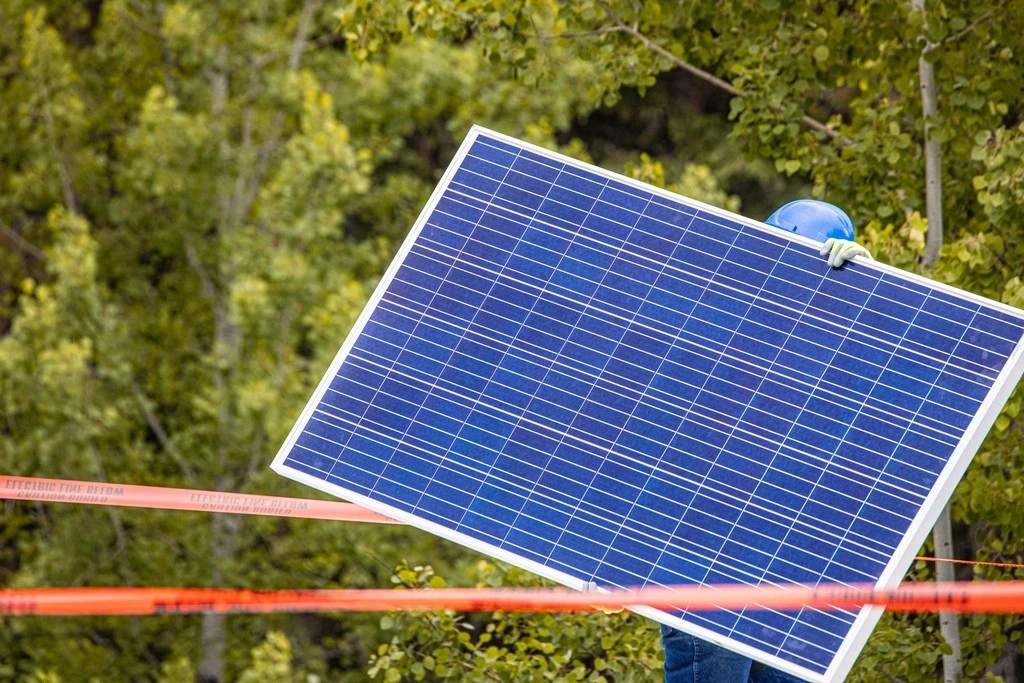
In March alone, China exported an astonishing 68 gigawatts (GW) of solar capacity. This figure represents a staggering 100% increase over February’s total and outpaces the previous all-time record set in August 2025 by 49%. To grasp the sheer magnitude of this shipment volume, 68 GW roughly equates to the entire installed solar capacity of Spain.
This record-shattering month saw 50 countries set all-time highs for Chinese solar imports, while another 60 countries hit six-month peaks. Driven primarily by regions heavily exposed to fossil fuel price volatility—most notably Africa and Asia—the numbers underscore a fundamental shift in how governments view clean energy. No longer treated strictly as an environmental luxury, solar power, alongside advanced battery storage and electric vehicles (EVs), has evolved into an essential frontline economic shield against geopolitical instability and energy insecurity.
Detailed Chronology of the March 2026 Export Surge
The unprecedented spike in March 2026 did not happen in a vacuum; it was the convergence of acute geopolitical events, structural shifts in supply chains, and looming regulatory deadlines.
The Geopolitical Catalyst
The primary catalyst for the March surge was the sudden and violent escalation of conflict involving the US, Israel, and Iran. The resulting instability sent shockwaves through international oil and gas markets, heavily restricting trade corridors and pushing energy prices upward. The vulnerability of traditional fuel supplies was laid bare, most prominently symbolized by disruptions in the Strait of Hormuz—a vital chokepoint for global liquefied natural gas (LNG) and crude oil shipments.
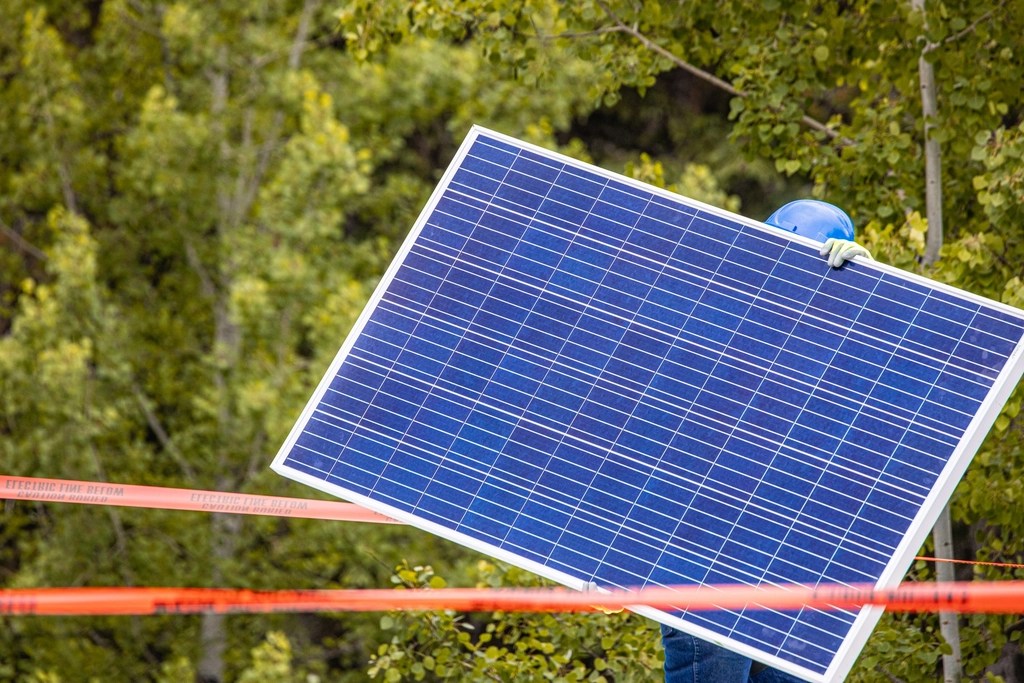
As fossil fuel costs climbed, governments worldwide recognized their immediate economic exposure. Energy ministers and policymakers recognized that relying on imported hydrocarbons left their grids and economies dangerously exposed to foreign conflicts. The immediate remedial action was a frantic global procurement race for scalable, independent power sources, with solar energy emerging as the undisputed choice for rapid deployment.
Regional Frontiers of Growth
The surge in imports was not uniformly distributed; it heavily concentrated in regions most vulnerable to fossil fuel volatility and economic shocks:
- Africa: Imports surged by an astounding 176% month-over-month, reaching a record 10 GW. Nations historically plagued by unstable grid power and expensive diesel generation turned aggressively toward solar. Standout figures included Nigeria, where imports skyrocketed by 519%, Kenya (up 207%), and Ethiopia (up 391%). Each of these countries crossed the threshold of importing over 1 GW of solar hardware in a single month for the very first time.
- Asia: Asia doubled its imports month-over-month to hit an unprecedented 39 GW. India led the charge with a 141% increase (+6.6 GW), while Malaysia saw imports leap by 384% (+1.8 GW), and Lao PDR climbed 108% (+2.3 GW).
- Other Markets: Traditional markets feeling the pinch of high fuel prices—including Japan, Australia, and the European Union—also established new import records. Conversely, the Middle East stood out as an exception; imports there were constrained as the localized security crisis around the Strait of Hormuz temporarily disrupted normal logistical and trade flows.
The Regulatory Pressure Cooker
Compounding the geopolitical urgency was a looming regulatory change within China itself. Effective April 1, 2026, Beijing adjusted its export tax rebates, a policy shift that effectively increased the cost of exported solar panels by approximately 9%. This policy adjustment triggered a massive, short-term rush among international buyers to secure hardware before the price hike took effect, supercharging March export volumes to astronomical levels.
Supporting Context & Metrics: The Anatomy of a Cleantech Boom
A deeper dive into the numbers reveals that the global clean energy acquisition strategy goes far beyond simple finished solar panels. The supply chain has matured, reflecting a sophisticated approach by importing nations toward domestic manufacturing and multi-vector electrification.
Panels Versus Cells and Wafers
A critical structural shift occurred in late 2025 and continued through March 2026: importing countries are increasingly moving away from solely buying finished solar modules. Instead, they are developing domestic assembly capabilities to capture local economic value and mitigate long-term supply chain vulnerabilities.

In October 2025, China’s exports of upstream components—specifically solar cells and wafers—officially overtook finished panel exports for the first time. This trend accelerated in March 2026:
- Finished Solar Panels: Exports rose 91% month-over-month to reach 32 GW.
- Solar Cells and Wafers: Exports climbed 108% month-over-month, reaching an overwhelming 36 GW.
This heavy emphasis on cells and wafers indicates that developing nations in Africa and Asia are actively building out their own manufacturing ecosystems, transforming raw imports into localized, finished clean energy products.
The Broader Cleantech Ecosystem: Batteries and EVs
Solar power is only one pillar of this modern energy defense strategy. China’s exports of lithium-ion batteries and electric vehicles (EVs) experienced parallel, explosive growth in March 2026.
According to Ember’s China Cleantech Exports Data Explorer, combined exports of solar technologies, batteries, and EVs jumped by 70% year-over-year in March, and by 38% compared to February alone.
- Battery Storage: Battery exports breached the $10 billion mark in March, representing a 44% increase from the previous month. Robust demand was concentrated in the European Union, Australia, and India—all markets with massive utility-scale and commercial energy storage pipelines intended to stabilize intermittent renewable generation.
- Oil Displacement: The macro-level impact of this cleantech deployment is already staggering. Ember’s Global Electricity Review highlights that record solar growth in 2025 successfully displaced an amount of gas-fired power equivalent to all LNG shipments that navigated the Strait of Hormuz over the course of the year. Simultaneously, the burgeoning global EV fleet reduced daily global oil demand by 1.8 million barrels in 2025—roughly equivalent to 13% of total US crude production.
Official Statements and Industry Analysis
Industry experts emphasize that the convergence of climate imperatives and geopolitical risk has fundamentally altered the trajectory of the global energy transition.

Euan Graham, a senior analyst at Ember, noted the direct correlation between geopolitical instability and clean energy adoption:
"Fossil price spikes are accelerating the shift. Countries are importing solar at record levels while also building out their own manufacturing to keep up with intense, urgent demand. The economic and security risks of staying tied to volatile fossil fuel markets have simply become too high to ignore."
Energy economists point out that the speed of the March 2026 surge demonstrates a structural decoupling from traditional energy planning. Historically, building out national power generation infrastructure required years of bureaucratic approvals, capital-intensive engineering feasibility studies, and complex long-term fuel supply contracts. Today, modular renewables—comprising solar panels, battery banks, and electric mobility—offer a plug-and-play alternative that can be deployed rapidly to plug immediate grid deficits and insulate local economies from external price shocks.
Furthermore, geopolitical strategists emphasize that the closure and disruption of maritime chokepoints like the Strait of Hormuz serve as a permanent wake-up call. Decentralized energy generation—harnessing local sunshine and domestic battery storage—represents the ultimate form of energy sovereignty.
Future Outlook: The New Paradigm of Energy Security
As the global community looks past the immediate crisis of early 2026, the implications of this record-breaking export wave will resonate for decades.

Decentralization and Sovereign Resilience
The traditional energy paradigm—characterized by the extraction, maritime shipping, and centralized combustion of finite fossil fuels—is increasingly viewed as an outdated and inherently fragile model. The speed with which nations across Africa and Asia absorbed nearly three-quarters of China’s solar output in March signals that developing economies are leapfrogging traditional fossil-fuel-centric grid development, much in the way they leapfrogged landline telephone infrastructure in favor of mobile cellular networks.
By investing heavily in domestic solar cell assembly, localized battery storage infrastructure, and electrified transport, emerging nations are building robust, distributed economic buffers.
Long-Term Market Projections
Looking forward, analysts expect that the post-March 2026 landscape will feature several defining trends:
- Sustained High Demand: Despite the 9% cost increase resulting from China’s April tax rebate adjustments, the underlying structural drivers—volatile fossil fuel prices and heightened geopolitical tension—will ensure that global demand for Chinese cleantech remains structurally elevated.
- Accelerated Local Manufacturing: The high volume of imported wafers and cells points to a future where more developing nations establish indigenous solar panel manufacturing hubs, reducing their reliance on finished goods imports and creating high-value domestic green-collar jobs.
- Grid Modernization and Storage Integration: As solar penetration reaches unprecedented heights in regions like India, Australia, and parts of Africa, parallel investments in grid-scale battery storage will become mandatory to manage load balancing and prevent curtailment.
Ultimately, the events of March 2026 mark a historical turning point. While the global energy transition began as an environmental crusade against carbon emissions, it has transformed into something far more urgent and politically potent: an indispensable, frontline defense strategy for national economic survival and energy security.



