Executive Overview
Across the globe, the compounding pressures of climate change, ecological degradation, and rapid industrialization are forcing vulnerable populations to rethink survival. While international climate summits often focus on macroeconomic policies and multi-billion-dollar mitigation strategies, the true vanguard of environmental adaptation is frequently found at the hyper-local level. From the flood-prone plains of South Asia to the sinking lakebeds of Mesoamerica and the polluted inland fisheries of Southeast Asia, frontline communities are proving that grassroots innovation is just as critical as top-down policymaking.
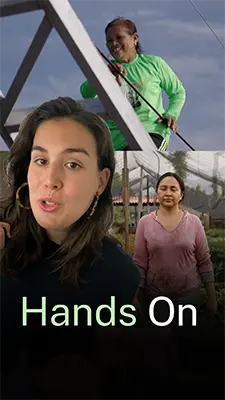
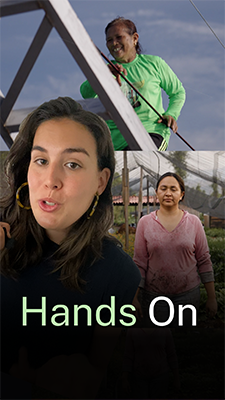
This dynamic of local ingenuity is the focal point of Hands On: Stories That Build Change, a compelling new documentary video series produced by Mongabay. The series steps away from climate doomerism to highlight practical, community-led responses to ecological disruption. By examining three distinct case studies—in Bangladesh, Mexico, and Thailand—the project reveals how ancestral knowledge, combined with modern adaptability, can safeguard homes, food systems, waterways, and cultural livelihoods.
In Bangladesh, rural families are combatting increasingly severe monsoon seasons with elevated, flood-resistant architecture. In Mexico City, urban and peri-urban farmers are reviving the chinampas—ancient pre-Hispanic floating gardens—to cleanse polluted canals, bolster local food security, and preserve the habitat of the critically endangered axolotl. Meanwhile, in Thailand, traditional fishers and marine researchers are mapping aquatic ecosystems and deploying artificial fish shelters to rescue a unique giant lift-net fishing heritage from the twin threats of pollution and habitat loss.
This in-depth feature explores the socio-ecological contexts, mechanics, and broader implications of these three community-driven initiatives, offering a blueprint for resilience in an era of unprecedented environmental transition.
Detailed Chronology: The Evolution of Grassroots Adaptations
To understand the weight of these contemporary interventions, one must trace their lineage from historical survival mechanisms to their modern-day incarnations. Each of the three communities featured in Hands On is navigating a crisis decades in the making.
Bangladesh: Engineering Against the Monsoon
- The Historical Context: For generations, rural communities in the riverine deltas of Bangladesh have lived in harmony with the seasonal floodwaters of the Brahmaputra and Ganges rivers. These floods traditionally deposited nutrient-rich silt essential for agriculture.
- The Turning Point: Over the past three decades, climate change has accelerated glacial melt in the Himalayas and intensified monsoon downpours. Flooding has transformed from a predictable seasonal rhythm into volatile, destructive deluges that routinely wash away homes, drown livestock, and rot stored food supplies.
- The Modern Intervention: In response, local engineers, NGOs, and villagers have spearheaded the construction of elevated, modular, and flood-resilient tiny homes. Utilizing locally sourced, affordable materials—such as reinforced bamboo, elevated concrete plinths, and waterproof composite panels—these dwellings are strategically designed to float or remain dry above peak flood levels. Crucially, these designs incorporate secure, elevated grain and food storage compartments, ensuring community survival during prolonged isolation caused by high waters.
Mexico City: The Renaissance of Xochimilco’s Chinampas
- The Historical Context: Dating back to the Aztec Empire, the chinampas of Xochimilco in southern Mexico City were masterpieces of Mesoamerican hydraulic engineering. These artificial islands, constructed by layering mud, lake sediment, and decaying vegetation over woven reed frameworks, transformed a shallow lake system into one of the world’s most productive agricultural regions.
- The Turning Point: The 20th century brought rapid, uncontrolled urbanization to Mexico City. The Xochimilco wetland system was heavily drained, polluted by untreated municipal wastewater, and choked by invasive plant species. This ecological collapse decimated the endemic axolotl (Ambystoma mexicanum)—an iconic amphibian native only to these canals—and threatened the ancient farming tradition with total erasure.
- The Modern Intervention: Over the last decade, a coalition of local chinamperos (traditional farmers), biologists, and environmental activists initiated a systematic restoration project. By dredging blocked canals, filtering water through natural bio-filtration beds, and rebuilding rotting chinampa edges, the community has revived urban agriculture. Today, these plots serve a dual purpose: they yield organic vegetables for Mexico City’s markets while providing pristine, predator-controlled sanctuaries for captive-bred axolotls to re-establish wild populations.
Thailand: Defending the Giant Lift-Net Tradition
- The Historical Context: In Thailand’s inland freshwater ecosystems, fishing has long served as both the primary economic engine and a cornerstone of cultural identity. Among the most distinctive regional practices is giant lift-net fishing, where massive, bamboo-framed square nets are lowered and raised from wooden platforms to catch local freshwater species.
- The Turning Point: Industrial agricultural runoff, unchecked aquaculture development, and domestic waste have severely polluted Thailand’s inland lakes and reservoirs. Simultaneously, overfishing and the degradation of aquatic breeding grounds have caused fish stocks to plummet, threatening to extinguish a centuries-old cultural tradition passed down through generations.
- The Modern Intervention: Recognizing that government regulations alone could not reverse the decline, Thai fishers partnered with marine researchers and conservation groups to take matters into their own hands. Starting in the early 2020s, local communities embarked on comprehensive bathymetric mapping projects of their local lakes to identify remaining deep-water habitats. Working collaboratively, they sank artificial fish shelters—constructed from discarded tires, bamboo structures, and brush bundles—to provide safe havens for spawning fish, while simultaneously establishing self-policing no-take zones to allow depleted stocks to recover.
Supporting Context & Metrics: The Scale of the Challenge and Response
The initiatives highlighted in the Mongabay series do not exist in a vacuum; they are direct reactions to alarming macroeconomic and environmental indicators across South Asia, Mesoamerica, and Southeast Asia.
Climate Vulnerability in South Asia
Bangladesh remains one of the nations most vulnerable to climate shocks globally. According to the United Nations Development Programme (UNDP), over 20 million people in Bangladesh are currently vulnerable to displacement caused by riverbank erosion and rising sea levels.
- Monsoon Intensity: Meteorological data shows that monsoon rainfall volumes have become increasingly erratic, with single-day precipitation events frequently exceeding historical monthly averages.
- Housing Resilience Metrics: Traditional mud-and-thatch homes have an average lifespan of less than one year when subjected to severe flooding. The new flood-resistant tiny home designs extend structural viability to upwards of 15–20 years, dramatically reducing the financial and psychological toll of recurring reconstruction on impoverished rural families.
Urban Agriculture and Biodiversity in Mexico
Mexico City’s ecological footprint is immense, yet pockets of profound biodiversity persist within its borders.
- The Axolotl Crisis: Once abundant throughout the Valley of Mexico, wild axolotl populations have plummeted to critically low densities. Surveys by the National Autonomous University of Mexico (UNAM) estimated fewer than 35 individuals per square kilometer in certain zones during early conservation assessments. The restoration of chinampa micro-habitats has created protected biological corridors that are gradually reversing this trend.
- Water Purification: A single hectare of active, organic chinampas can filter thousands of liters of canal water daily through root absorption and microbial breakdown, offering an economical, nature-based solution to urban wastewater management.
Freshwater Depletion in Southeast Asia
Thailand’s inland fisheries represent a vital source of rural protein and employment, yet they face severe ecological stress.
- Stock Depletion: Fisheries Department reports indicate that native freshwater fish populations in key Thai river basins have declined by nearly 40% over the past two decades due to habitat fragmentation and water pollution.
- Community Engagement: The integration of fishers into scientific research—such as community-led lake mapping—has proven exponentially more effective at curbing illegal, unreported, and unregulated (IUU) fishing than top-down policing alone. Local compliance rates in self-established sanctuaries exceed 85%, demonstrating the power of community ownership over natural resources.
Official Statements and Expert Perspectives
The philosophy underpinning Hands On: Stories That Build Change is rooted in the belief that local communities are not merely victims of environmental degradation, but intellectual and practical leaders in resilience.
Dr. Elena Vasquez, an urban ecologist working alongside the Xochimilco restoration projects in Mexico City, emphasized the synergy between traditional knowledge and modern science during a recent project symposium:
"For decades, modern urban planners treated Xochimilco as a relic of the past—a picturesque tourist trap doomed to vanish under the weight of the sprawling metropolis. But the chinamperos understood something the engineers missed: these islands are decentralized, living infrastructure. By restoring them, we aren’t just saving an amphibian or growing organic spinach; we are re-engineering a sustainable hydrological metabolism for a megacity that is rapidly running out of water."
Echoing this sentiment in the context of South Asian climate adaptation, humanitarian architect Tariq Rahman noted the psychological and physical shift provided by resilient housing designs in rural Bangladesh:
"When a family loses their home to floodwaters three times in five years, they lose their capital, their children are pulled out of school, and mental health collapses. When we design homes that can withstand these pulses—homes that keep the grain dry and the family above water—we break the cycle of poverty and climate-induced displacement. Resilience is no longer an abstract policy goal; it is a physical roof over your head."
From Thailand, fisheries researcher Somchai Prasertsilp highlighted the transformative impact of grassroots monitoring programs:
"Fishermen have spent their entire lives on these lakes; they know every current, every spawning ground, and every seasonal shift. When we combined their generational ecological knowledge with modern GPS mapping and underwater shelter deployment, we didn’t just protect fish stocks—we restored dignity and autonomy to traditional fishing communities who felt powerless against industrial pollution."
Future Outlook: Scaling Local Action for Global Impact
As the international community confronts the accelerating realities of the climate crisis, the question of scalability remains paramount. Can localized innovations in Bangladesh, Mexico, and Thailand be replicated across borders, or will they remain isolated success stories?
Experts suggest that the true value of initiatives like Hands On: Stories That Build Change lies in their modularity. Rather than prescribing monolithic, capital-intensive engineering projects—such as massive seawalls or centralized water treatment plants—these community-led actions offer a modular toolkit for adaptation.
- Policy Integration: Governments and international development agencies are increasingly recognizing that funding must be channeled directly to grassroots organizations. By providing micro-grants for flood-resistant construction materials, legal protections for indigenous farming zones, and co-management rights for freshwater fisheries, national policies can amplify local success.
- Educational Curricula: Incorporating traditional ecological knowledge—such as chinampa management or sustainable net-fishing practices—into regional educational frameworks ensures that younger generations inherit not just environmental challenges, but the practical tools to solve them.
- Cross-Border Knowledge Sharing: Platforms like Mongabay play an indispensable role in bridging geographical divides. By documenting and broadcasting these stories, communities facing similar challenges in Africa, South America, and beyond can adapt these blueprints to their own unique cultural and ecological landscapes.
Ultimately, the narrative of our changing world is not solely one of loss. As demonstrated across the floodplains, canals, and lakes featured in Hands On, human creativity, solidarity, and respect for the natural world continue to forge pathways toward a sustainable future—one community at a time.