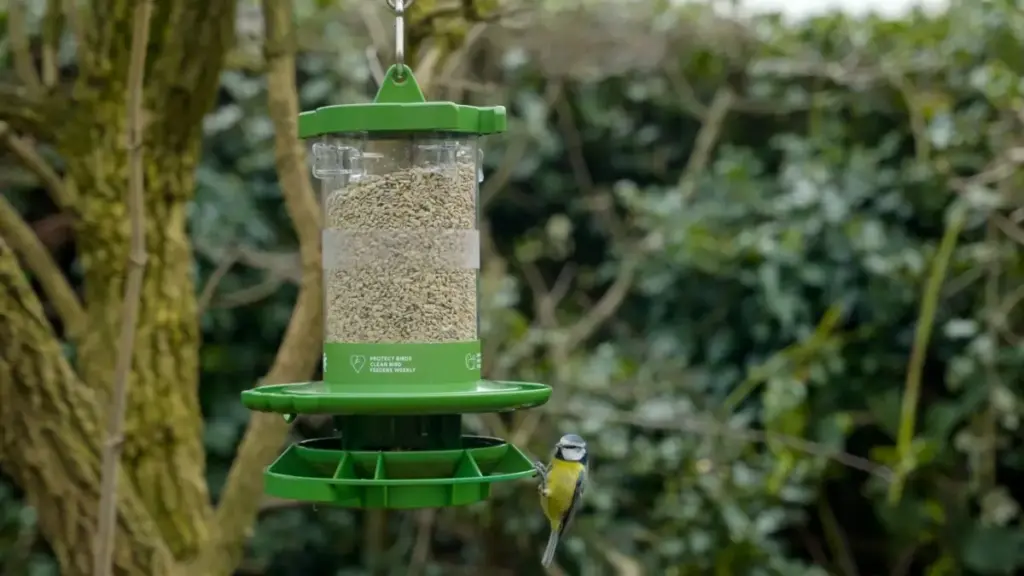
For millions of nature enthusiasts, transforming a backyard into a thriving haven for local wildlife begins with a well-stocked bird feeder. Providing supplementary food during periods of natural scarcity not only ensures the survival of local bird populations but also rewards gardeners with a vibrant display of color, song, and biodiversity. However, recent scientific findings and updated advisories from conservation authorities have fundamentally shifted how we must approach garden feeding.
Following a comprehensive study conducted in partnership with the British Trust for Ornithology (BTO) and the Institute of Zoology, the Royal Society for the Protection of Birds (RSPB) has updated its core wildlife guidance. Research confirms that fatal avian diseases—most notably trichomonosis—spread with alarming efficiency during the warmer summer and autumn months, particularly on flat, unhygienic surfaces such as bird tables and open baths.
In response, the conservation directive for wildlife-friendly gardeners is clear: Feed safely. Feed seasonally. This article explores the nuances of modern bird care, the critical importance of hygiene, and provides an expert, curated breakdown of the top bird feeders on the market designed to protect, sustain, and welcome garden birds safely.
Detailed Chronology: The Evolution of Garden Bird Conservation Guidance
Understanding how modern bird feeding practices arrived at this critical juncture requires examining the intersection of citizen science, pathology, and urban ecology over the past two decades.
The Early 2000s (The Rise of Backyard Feeding): As urban sprawl reduced natural foraging habitats, backyard bird feeding surged in popularity. Homeowners readily deployed flat bird tables and open trays, eager to support declining songbird populations with high-energy seeds, scraps, and kitchen leftovers.
The Mid-to-Late 2000s (Emergence of the Greenfinch Crisis): Researchers began noting a mysterious, rapid decline in populations of greenfinches and chaffinches across the United Kingdom. Pathological investigations isolated Trichomonas gallinae, a protozoan parasite traditionally associated with pigeons and raptors, which had mutated or adapted to infect passerine (perching) birds. This disease—trichomonosis—causes severe lesions in the upper digestive tract, preventing birds from swallowing and ultimately leading to starvation or suffocation.
The 2010s (Collaborative Scientific Studies): Recognizing the gravity of the epidemic, conservation bodies including the RSPB, the BTO, and the Institute of Zoology launched extensive longitudinal studies. Data conclusively proved that communal feeding stations, particularly flat surfaces where birds walked through food contaminated with saliva and droppings, acted as primary vectors for disease transmission.
The Modern Era (The "Feed Safely, Feed Seasonally" Paradigm): Synthesizing decades of empirical data, conservationists updated public advisory frameworks. Feeding was no longer viewed as a benign, year-round activity devoid of risk. Instead, it required strategic seasonal adjustment and rigorous hygiene protocols to prevent backyard sanctuaries from inadvertently becoming disease hotspots.
Supporting Context & Metrics: The Science of Avian Health and Feeding Mechanics
To maintain a healthy garden ecosystem, homeowners must understand what to feed, when to feed, and how equipment design directly impacts mortality rates among common garden visitors.
The Seasonal Imperative
While winter feeding remains a vital lifeline when natural food stores (such as insects, berries, and weed seeds) are buried under frost and snow, the landscape changes dramatically as the year progresses. Summer and autumn bring a confluence of risk factors:
Warmth and Moisture: Pathogens, bacteria, and fungi thrive in warm, damp conditions, multiplying rapidly on damp seed hulls and rotting food waste.
Juvenile Vulnerability: Newly fledged birds, inexperienced and possessing immature immune systems, frequently visit feeding stations during the late summer, making them acutely susceptible to infections like trichomonosis.
Diet Diversity and Species Attraction
Providing a varied menu encourages a diverse ecosystem. Specialized foods cater to different foraging habits:
Seed Mixes & Sunflower Hearts: Ideal for finches, sparrows, and tits. High in lipids and essential carbohydrates.
Suet Cakes & Fat Balls: Provide high-energy fuel essential for insectivorous birds like robins, wrens, and tits, particularly during colder snaps or high-energy breeding seasons.
Mealworms and Flaked Maize: Excellent for ground-feeding or table-feeding species (though tables require heightened hygiene protocols).
Official Statements and Conservation Directives
The updated stance of the RSPB and its scientific partners rests on two non-negotiable pillars of modern wildlife gardening:
"Feed seasonally – it’s important to adjust what we feed our garden birds during the summer and autumn months when there’s a higher risk of disease spreading."
"Feed safely – just one infected bird can turn your busy feeder into a disease hotspot. To help keep birds healthy, we need to prioritise hygiene."
Conservationists emphasize that taking down feeders temporarily during late summer—or drastically reducing quantities so that food is consumed quickly rather than sitting stagnant—can break the cycle of infection. Furthermore, routine disinfection of ports, perches, and trays using pet-safe, bird-friendly sanitizers is no longer an optional chore; it is an essential duty of stewardship.
Curated Product Guide: The Best Bird Feeders for 2026
Choosing the right hardware is a fundamental line of defense against both predators and disease. Below is our expert selection of the best bird feeders available to buy, balancing eco-friendly manufacturing, ease of cleaning, and pest prevention.
1. Peckish 100% Recycled Woodland Feast Multi Feeder
Price: £29.99
Best For: Eco-conscious gardeners looking for multi-functional feeding.
Overview: Part of an innovative collection crafted entirely from sustainably sourced wood and recycled materials, this feeder holds approximately 500g of seed alongside dual suet cake slots. Notably, its slate-effect roof and sturdy suet-holding mesh are manufactured using roughly 125 recycled food and drink cartons. It features an easily detachable structure for straightforward cleaning and arrives in plastic-free packaging.
2. Eco-Blu Bird Feeder
Price: £17.99
Best For: Budget-friendly, antimicrobial protection.
Overview: Molded from recycled ocean plastic engineered to naturally repel harmful bacteria, fungi, and microbes, the Eco-Blu is a lantern-style feeder built for longevity. Its transparent hopper provides an instant visual cue when stocks run low, while a straightforward locking mechanism allows the unit to be dismantled effortlessly for routine sanitation. It is exceptionally well-suited for sunflower hearts, standard seeds, and kibbled nuts.
3. Finches Friend Cleaner Feeder 1
Price: £44.99
Best For: Combating avian disease through advanced hygiene engineering.
Overview: Specifically engineered to disrupt the transmission vectors of trichomonosis—which has severely impacted chaffinch and greenfinch populations—this robust, fully recyclable feeder boasts a generous 1.79-litre capacity. Its ingenious design ensures food remains completely clean and dry, while the modular architecture allows the entire unit to be taken apart in seconds for deep cleaning.
4. Roamwild Pest Off Squirrel Proof Bird Feeder
Price: £32.99
Best For: Defending feeding stations against grey squirrels and larger birds.
Overview: Frustrated by squirrels clearing out your expensive seed stocks? The Roamwild Pest Off utilizes a clever weight-activated mechanism. When a heavy grey squirrel or large corvid lands on the perch, the hatch automatically descends to block access to the food ports. Once the pest departs, the spring-loaded perch resets. A built-in rain guard prevents seeds from clumping and clogging the interior chambers.
5. Ch-Eco Recycled Bird Feeder
Price: £6.95
Best For: Entry-level, colorful, upcycled garden additions.
Overview: Manufactured in the UK in a selection of six vibrant hues, these pocket-friendly feeders are constructed from recycled plastics and upcycled chewing gum. They are fully recyclable at the end of their lifecycle and conveniently ship with an introductory bag of bird food included.
6. RSPB Suet Feeder and Guardian
Price: £28.00
Best For: Protecting suet balls from larger predators.
Overview: Measuring 30cm in height and 24cm in width, this compact unit fits seamlessly into gardens of all sizes. Encased in a robust metal guardian grid, it permits smaller, agile garden birds (such as blue tits and long-tailed tits) to feast safely on up to 10 suet balls while keeping disruptive larger birds and squirrels at bay.
7. Cleaner Peanut Feeder (Finches Friend)
Price: £34.95
Best For: Safe, dry, and accessible peanut feeding.
Overview: Another masterclass in feeder design from Finches Friend, this covered, sealed container protects peanuts from moisture while utilizing a gravity-fed internal dynamic that pushes nuts outward toward the feeding area rather than letting them jam in the center. Built from UV-stabilised, recyclable polycarbonate that will not degrade under harsh summer sunlight, it features a removable hopper for effortless hygiene management. (Note: Always ensure you only use Aflatoxin-tested peanuts).
8. RSPB Ultimate Easy-clean Seed Feeder
Price: £13.00
Best For: Durability and long-term reliability.
Overview: Built from a resilient pairing of zinc alloy and a tough polycarbonate tube, the RSPB guarantees this feeder will neither crack nor discolour under intense solar exposure. Available in three distinct sizes—with the largest accommodating up to 1.5 litres of feed—it represents exceptional value for money backed by conservation pedigree.
How to Choose the Right Bird Feeder
Selecting the ideal feeder for your outdoor space boils down to two primary variables: target species and garden architecture.
Tube Feeders: Excellent for dispensing mixed seeds and sunflower hearts to smaller perching birds like finches, tits, and sparrows.
Suet/Fat Block Cages: Designed specifically for high-energy blocks, attracting insect-loving species that require calorie-dense nutrition.
Guardian-Protected Feeders: Essential if your neighborhood has a high population of grey squirrels, pigeons, or jackdaws that tend to bully smaller garden visitors away.
Where to Position Your Bird Feeder
Even the most expensive, hygienically advanced feeder will fail to attract birds if they do not feel secure while eating. Strategic placement is paramount:
Predator Awareness: Position feeders out of striking distance from lurking domestic cats and prowling grey squirrels.
Clear Sightlines: Hang feeders roughly at human eye level, or slightly higher, in a quiet, sheltered micro-climate. Ensure there are no low-hanging tree branches, fences, or tall shrubs within easy jumping range that ground predators can use as a launchpad.
Combating Pests: If grey squirrels prove persistent, opt for dedicated squirrel-proof hardware featuring metallic cages or drop-down weight hatches. Remember that squirrels not only steal food but can aggressively chew through inferior plastics, rendering standard feeders useless.
Future Outlook: The Next Decade of Backyard Wildlife Conservation
As urban development continues to encroach upon native British and European wildlife habitats, suburban and rural gardens will play an increasingly critical role as ecological stepping stones. The responsibility of sustaining local bird populations rests heavily on the diligence of private gardeners.
Looking forward, the integration of smart technology—such as wildlife cameras paired with automated cleaning alerts and smart-monitoring bird boxes—will likely revolutionize how we interact with garden visitors. However, technology cannot replace stewardship. By adhering strictly to the RSPB’s mandate to feed safely and seasonally, investing in antimicrobial, easily washable equipment, and maintaining uncompromising hygiene standards, gardeners can ensure that their backyards remain true sanctuaries of life for generations to come.
This Product Guide was last updated in August 2026. Prices and product availability are subject to change by respective manufacturers and retailers.