

Executive Overview
On a steep, rugged hillside in central Ethiopia’s semi-mountainous Gurage Zone, 32-year-old farmer Niku Argane stands to survey his land. Years of unmitigated flooding have carved deep, jagged gullies through the earth, washing away the rich, dark soil that once reliably produced abundant yields of barley and potatoes to feed his wife and four children—with enough surplus left over to take to the local market. But severe erosion, compounded by intensifying droughts, has progressively crippled his ability to farm.
"We have never stopped farming, but our production declined because of land degradation," Argane says quietly from his farm in Ambele Kebele.
Argane’s struggle is a micro-cosm of a national crisis. Over the past century, Ethiopia nearly eradicated its native forests, clearing dense woodlands for expanding agriculture, livestock grazing, and domestic fuel. This catastrophic loss of tree cover and stabilizing root systems left the nation’s topography entirely exposed to wind and rain, triggering massive topsoil loss and steep declines in agricultural productivity. Today, that structural vulnerability is turbo-charged by global climate change. Ethiopia now ranks among the countries most vulnerable to climatic shifts, suffering from a punishing dual reality: heavier, erratic downpours that scour away depleted soils and trigger deadly landslides, juxtaposed with blistering, prolonged droughts that rapidly dry out the remaining unprotected earth.
The economic and human tolls are staggering. Land degradation costs the nation an estimated $4.3 billion annually in diminished harvests and lost income for smallholders. Because more than 100 million Ethiopians depend directly on agriculture for their survival, the fallout extends far beyond ecological metrics into the realm of acute humanitarian crisis. Climate shocks and localized crop failures remain primary drivers of severe hunger. In 2024 alone, an estimated 15.8 million Ethiopians—roughly 12 percent of the national population—required emergency food assistance.
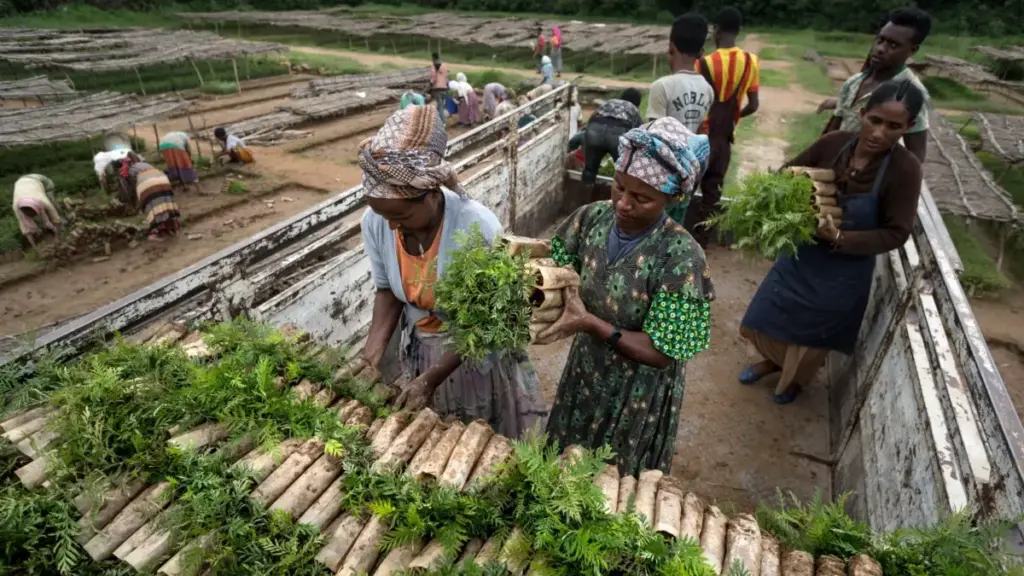
Yet, amid this bleak backdrop, Ethiopia is mounting one of the most audacious environmental restoration campaigns in human history. To reverse a century of ecological unraveling, the nation has embarked on the Green Legacy Initiative. In just the last seven years, tens of millions of citizens have mobilized to plant more than 47 billion tree seedlings across the country. With a stated goal of reaching 50 billion seedlings by 2030, this monumental undertaking seeks to rebuild native forests, integrate trees into working farmlands, capture atmospheric carbon, and build a climate-resilient future for generations to come.
Detailed Chronology: From Abundant Canopy to Barren Wasteland, and Back
The Roots of Collapse: The 20th-Century Deforestation Crisis
To understand the scale of Ethiopia’s current restoration challenge, one must look back at the historical landscape. In the early 20th century, lush forests covered an estimated 35 to 40 percent of the country. The Ethiopian highlands—cool, fertile uplands well-suited for diverse ecosystems—spanned vast swaths of green.
However, as human populations expanded and settlements pushed further into the interior, trees were systematically cleared for timber, pasture, construction, and firewood. As soils lost their native fertility due to continuous tilling without replenishment, cultivation was forced onto increasingly marginal lands, notably steep mountain slopes. The combination of intense hillside tillage and the wholesale removal of protective vegetation unleashed severe erosion. Fertile topsoil was stripped away by seasonal rains, washing down into major river systems and vital reservoirs.
By 1989, national forest cover had plummeted to an alarming estimate of less than 3 percent. The highlands were bleeding topsoil at a rate of roughly 1 billion metric tons every year, setting the stage for human catastrophe.
The Crucible of Crisis: Famine and the First Conservation Waves
The systemic degradation of the land culminated in the devastating droughts and famines of the 1970s and 1980s, which claimed hundreds of thousands of lives and permanently altered the nation’s political and social fabric. Stunned by the scale of the tragedy, the Ethiopian government, working alongside international donor organizations, began pouring resources into foundational soil and water conservation projects.
These early interventions were labor-intensive and localized. Rural communities were organized to construct terraces and check dams—small, low barriers built from rocks and logs laid strategically across gullies to slow the catastrophic velocity of rainwater runoff. Highly degraded lands were systematically fenced off to exclude livestock, allowing natural vegetation a chance to rebound. By the turn of the millennium, these piecemeal soil and water conservation programs were expanding in geographic scope, proving that degraded lands could indeed be coaxed back to life if given proper protection.
Supercharging the Effort: The Birth of the Green Legacy Initiative
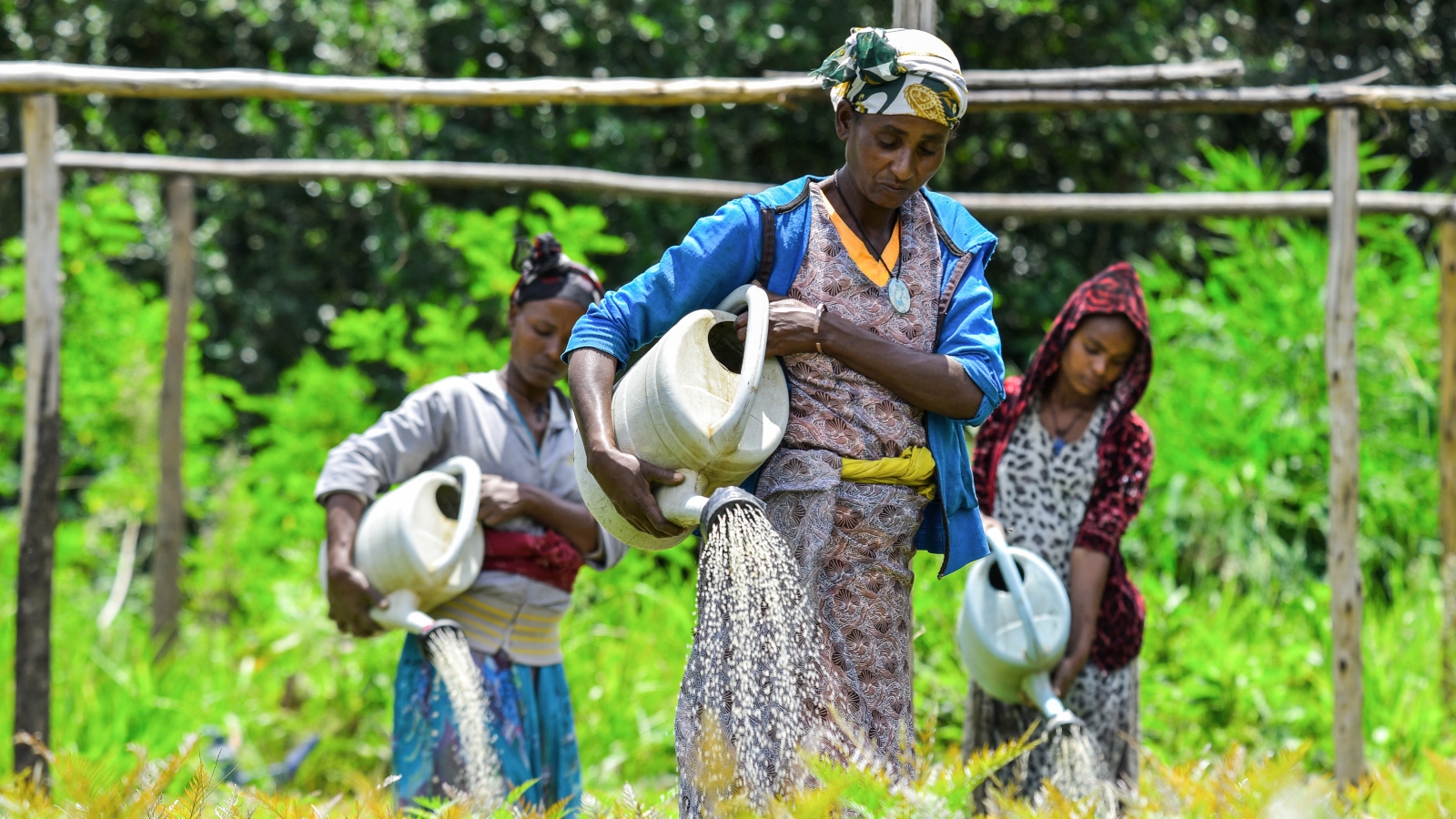
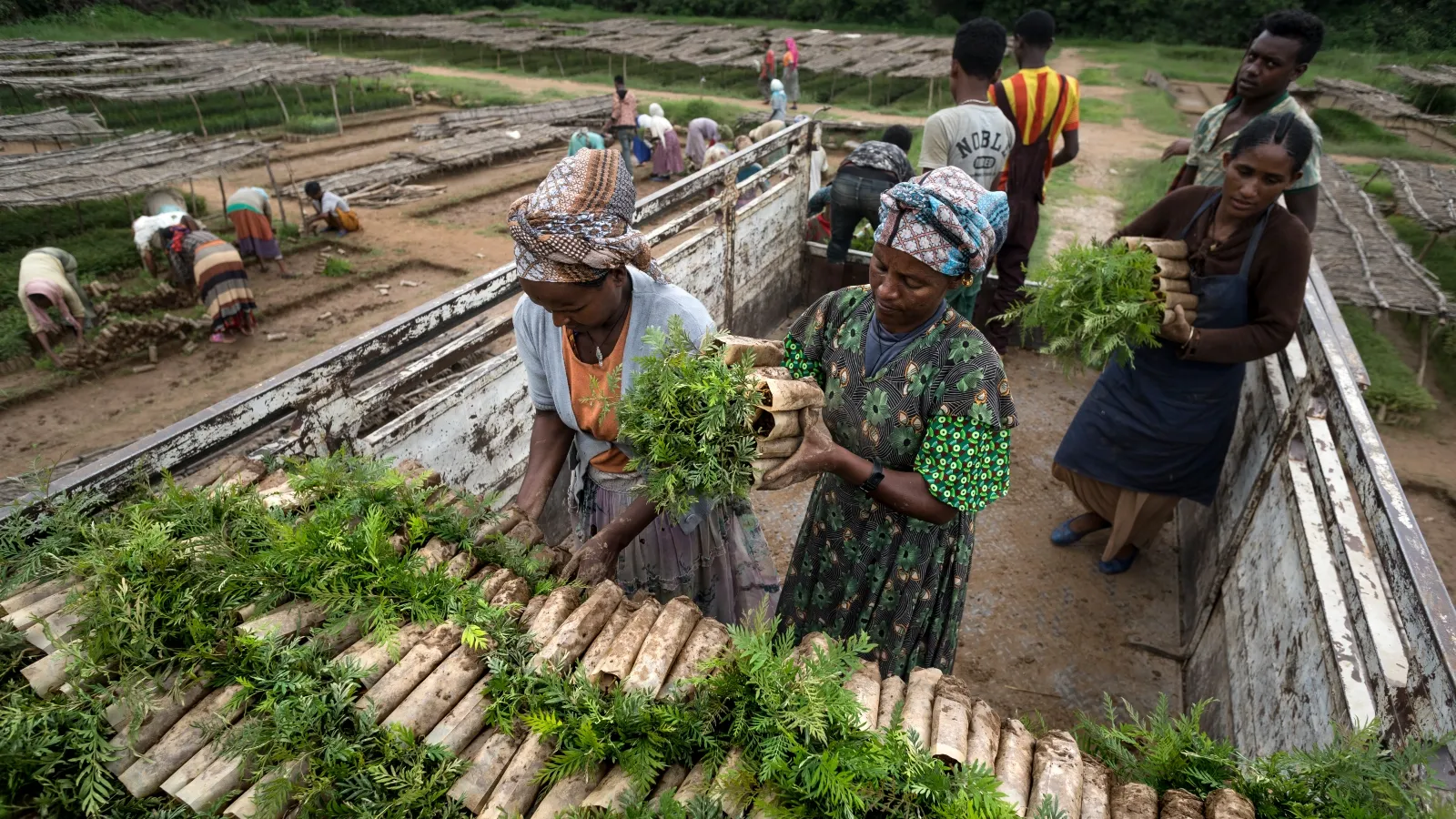
The paradigm shifted dramatically in 2019 when the federal government supercharged these disparate conservation efforts by institutionalizing tree-planting as a mandatory national movement. Dubbed the Green Legacy Initiative, the campaign mobilized a massive cross-section of society—including farmers, public servants, school children, and religious organizations—while establishing a sprawling network of public nurseries to distribute free seedlings across all regions.
The government institutionalized this commitment in 2024 by establishing the Green Legacy and Landscape Restoration Special Fund. By legally committing between 0.5 percent and 1 percent of the annual federal budget—translating to roughly $73 million to $145 million—to landscape restoration, Ethiopia demonstrated an extraordinary financial priority for a low-income nation. This unprecedented display of domestic political will and measurable success played a pivotal role in Ethiopia being selected to host the upcoming United Nations climate conference, providing a global stage to showcase its greening crusade.
The mobilization capacity of the initiative remains staggering. In August, government figures reported that 26.6 million Ethiopian volunteers planted a staggering 800 million tree seedlings in a single 24-hour period, shattering the previous year’s tally of 714.7 million.
Among the millions of participants was Yeshihareg Teferi. Rising before dawn, she traveled from her home in Addis Ababa to the outskirts of Tulu Dimtu, spending hours hunched over in the cold rain to dig holes in the thick mud. It was Teferi’s fifth consecutive year participating in the national tree-planting marathon. While she previously planted indigenous species such as the African wild olive and the African fern pine, this year she deliberately chose the hardy juniper.
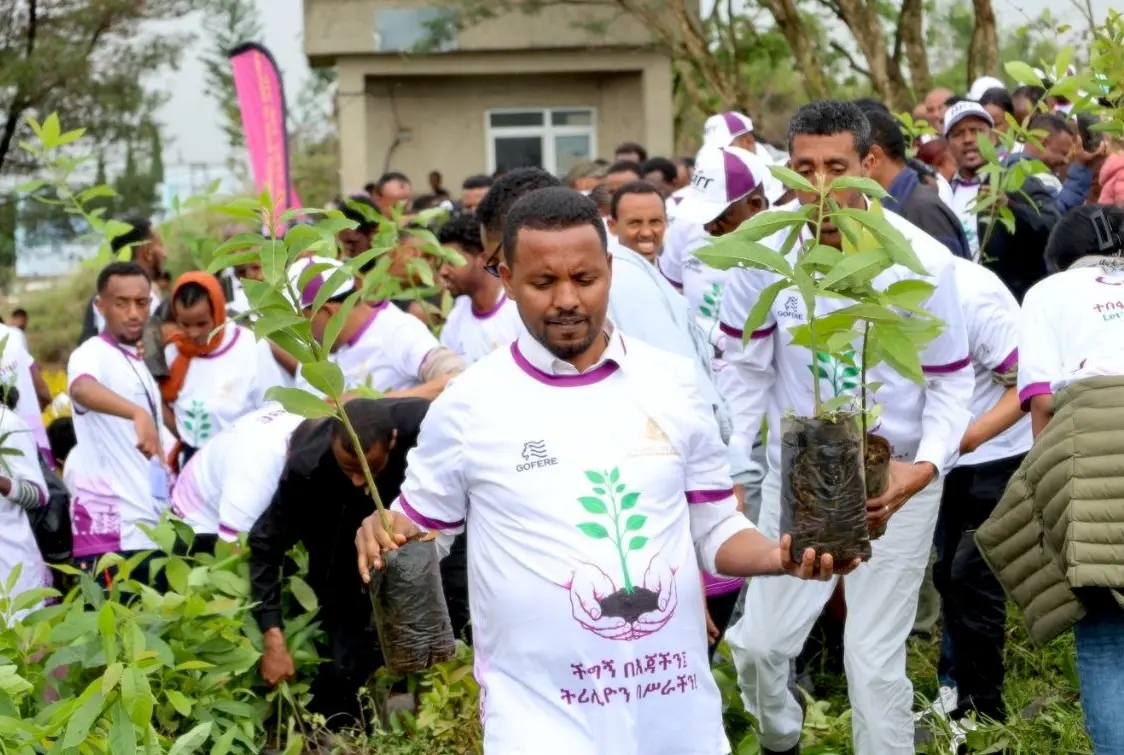
"We have a responsibility to ensure future generations inherit a green and fertile environment, rather than barren land," Teferi remarked, wiping mud from her hands.
Supporting Context & Metrics: Quantifying the Ecological Turnaround
While reforestation efforts globally are notoriously prone to high failure rates, the sheer scale of Ethiopia’s undertaking has caught the attention of international scientists and developmental economists.
"Reforestation is one of the most difficult things you can imagine," notes Aad Kessler, a researcher at Wageningen University in the Netherlands. "It almost always fails, but this is so big that even if 30 percent of the trees survive, it’s still huge."
Early quantitative metrics suggest that the vast effort is already yielding tangible dividends:
- Forest Cover Rebound: According to official government and independent research reports, national forest cover has climbed upward from 17.2 percent in 2019 to 23.6 percent in 2023.
- Deforestation Slowdown: The annual national rate of deforestation dropped dramatically between 2013 and 2023, falling from more than 350 square miles lost per year down to approximately 100 square miles.
- Habitat and Hydrological Recovery: In the Ethiopian highlands’ Abijata-Shalla National Park, comprehensive restoration work—including terracing, contour bunding, and replanting—has supercharged groundwater infiltration. Kumera Wakjira, director-general of the Ethiopian Wildlife Conservation Authority, notes that water levels in park lakes have measurably risen. This hydrological revival has welcomed back native fish populations, which in turn brought back fish-eating birds like cormorants and African darters, alongside recovering populations of Grant’s gazelles and wild dogs.
- Survival Rates: A major 2026 study analyzing more than 44,500 seedlings planted in southern Ethiopia in 2023 revealed an encouraging survival rate of approximately 80 percent. Survival was significantly higher among older seedlings, plantings executed during the wet season, and instances where local planters received formal training in best plantation practices.
Official Statements and Expert Perspectives
Despite the impressive statistical gains, the Green Legacy Initiative has sparked intense debate within the global scientific and ecological communities regarding methodology, long-term viability, and the focus on quantity over quality.
A primary critique centers on the sheer velocity of the campaign. Emiru Birhane Hizikias, an Ethiopian restoration ecologist currently based at Norway’s Nord University, calls Prime Minister-led political backing a "blessing, politically speaking," but cautions that the sheer speed of the Green Legacy Initiative has outpaced the administrative and technical systems required for optimal execution on the ground.
"Too often, the focus is placed entirely on getting huge numbers of seedlings into the earth rather than ensuring their survival," Hizikias warns. Drawing a direct analogy, he notes, "You can’t expect a baby to grow if you don’t care for it, but that’s how plantation in Ethiopia is often being done."
Endalkachew Wolde-Meskel, a soil scientist and senior researcher at the Center for International Forestry Research, emphasizes that trees alone do not constitute a healthy forest. True ecological restoration requires the natural regeneration of understory grasses, shrubs, fungi, and comprehensive watershed management by local communities.
"The objective is not really ‘plant trees,’" Wolde-Meskel asserts. "It is to restore the functioning of the entire landscape."
Countering these concerns, Abreham Berta Aneseyee, an environmental scientist at Wolkite University and an official adviser to Ethiopia’s Ministry of Agriculture, defends the campaign’s execution. He stresses that the mass plantings are tightly coupled with grassroots technical support. Forestry and agronomic experts are deployed directly to smallholder farms, advising farmers on critical survival metrics—such as optimal planting depth, the construction of physical soil conservation structures like bunds, and the critical importance of protecting young trees from premature livestock browsing.
International observers frequently compare Ethiopia’s strategy to other historical mega-projects, most notably China’s legendary restoration of the highly eroded Loess Plateau. Launched in the late 1990s through World Bank-backed watershed initiatives and the "Grain for Green" program, China successfully converted thousands of square miles of marginal rain-fed cropland back into dense forests and grasslands. However, researchers note a fundamental divergence: China achieved this primarily by paying rural farmers to take steep, degraded slopes completely out of agricultural production. In contrast, millions of Ethiopian smallholders have no such luxury; they remain entirely dependent on cultivating those exact marginal plots for their daily survival.
Future Outlook: Racing Against a Rapidly Changing Climate
Even as Ethiopia orchestrates one of history’s most ambitious ecological makeovers, the baseline conditions under which these landscapes must survive are shifting beneath their feet. Anthropogenic climate change is actively redrawing the ecological map of East Africa.
The Intergovernmental Panel on Climate Change (IPCC) projects increasingly frequent and intense heavy rainfall events across the region. The deadly human cost of this volatility was underscored in July 2024, when torrential downpours in the southern highlands’ Geze Gofa district triggered catastrophic twin landslides that claimed the lives of at least 257 people.
Simultaneously, scientific modeling indicates that global warming is supercharging the frequency and severity of El Niño cycles. This dynamic was starkly illustrated recently when the Famine Early Warning Systems Network linked El Niño to "historically poor" summer rains across Ethiopia, plunging regions into their driest June and July on record.
For aging farmers like 65-year-old Belayneh Mamo, based in the historically drought-prone Amhara region, these climate disruptions complicate the foundational mechanics of farming. Mamo relies on predictable July monsoon rains to cultivate essential staples like teff, sorghum, maize, and wheat. However, severe seasonal delays pushed his planting window deep into August.
"In previous years, September was a period when crops were already developing and food was becoming available for consumption," Mamo explains. "These climatic delays severely affect the seedlings we plant, our staple crops, and the availability of animal feed for our livestock."
In the arid pastoral landscapes of Afar and Somali, the Green Legacy Initiative has pivoted toward planting drought-tolerant native species. Yet, whether these trees can withstand the extreme thermal and hydrological stress projected for the mid-21st century remains an open scientific question.
Back on his hillside plot in the Gurage Zone, however, Niku Argane can already measure success in the soil beneath his boots. Since integrating restoration practices in 2019, he has systematically planted local grasses, fodder, fenugreek, and fruit trees along the outer boundaries of his fields. These living barriers successfully trap topsoil, while providing vital forage for his four cows, six goats, and three sheep. Crucially, his barley yields have nearly doubled, climbing from roughly 1,800 pounds per acre up to 3,200 pounds.
"Restoring degraded land isn’t just about protecting the environment," Argane reflects, watching water gently soak into his terraced slopes rather than scouring them away. "It’s also about making life better for my family and my community."



