Executive Overview
The transition toward a decentralized, resilient, and decarbonized energy grid has taken a major leap forward in New England. Major Massachusetts utilities Eversource and National Grid have officially expanded their popular ConnectedSolutions virtual power plant (VPP) programs to include residential vehicle-to-grid (V2G) charging. This strategic evolution transforms everyday electric vehicles (EVs) from passive electrical loads into mobile energy storage assets capable of feeding surplus power back into the utility grid during periods of acute energy demand.
By tapping into the underutilized battery capacity of thousands of residential EVs parked in driveways across the Commonwealth, the utilities aim to mitigate grid strain, decrease reliance on expensive and carbon-intensive peak-load power plants, and lower overall energy costs for ratepayers.
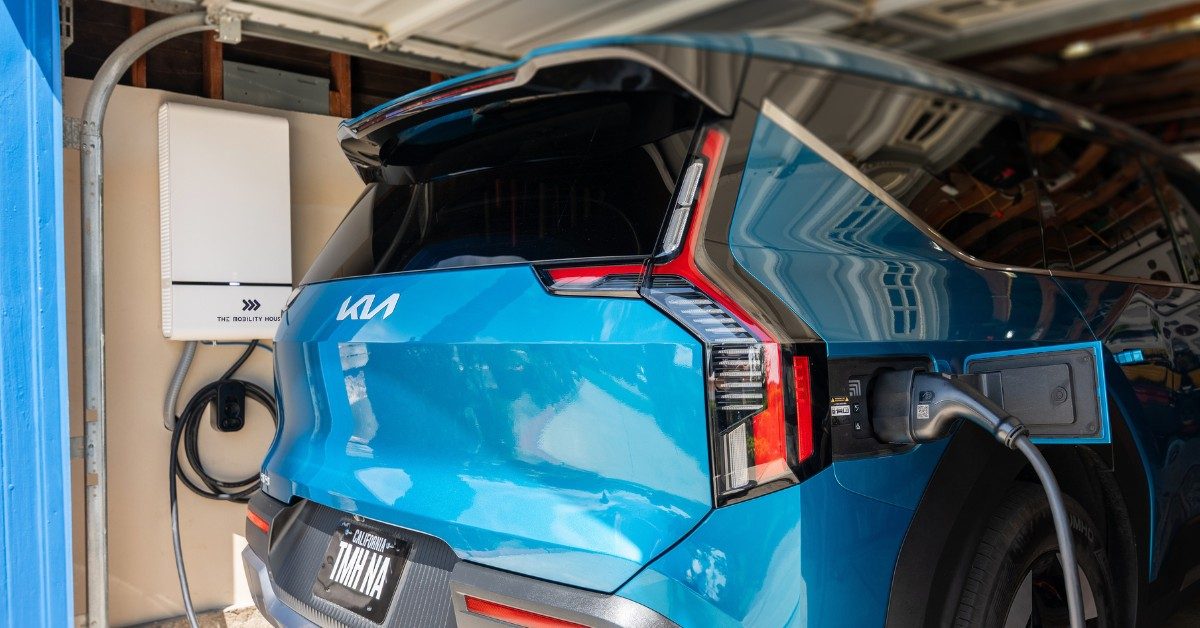
Behind this technological rollout is a coalition of industry leaders—including EnergyHub, Sunrun, and The Mobility House—providing the necessary smart-charging and grid-integration infrastructure. While early pilot phases have focused primarily on commercial and municipal fleets, such as electric school buses, this new initiative opens the door for everyday residential drivers to monetize their vehicle batteries while actively participating in regional energy stability.
Detailed Chronology: The Road to Residential V2G Integration
The integration of V2G technology into Massachusetts’ energy infrastructure did not happen overnight; it represents the culmination of years of pilot testing, regulatory frameworks, and technological advancements.

1. The Foundation: ConnectedSolutions and Early VPPs
For several years, Eversource and National Grid operated the ConnectedSolutions program as a reliable method to flatten demand curves. Historically, the program relied on commercial and industrial demand-response assets, stationary residential home batteries (such as Tesla Powerwalls), and enrolled smart thermostats. While effective, these measures were limited by the physical footprint of stationary installations.
2. Transitioning to Fleet Applications
Recognizing the massive storage potential inherent in large-capacity mobile batteries, utilities initially targeted commercial and municipal fleets. National Grid pioneered light- and medium-duty fleet V2G applications in Massachusetts, notably integrating electric school buses into the ConnectedSolutions framework. Concurrently, Eversource began direct consultations with school districts to launch parallel initiatives under its expanding ConnectedSolutions+ program. These early deployments proved that bidirectional chargers could safely and reliably discharge power back to the grid without degrading vehicle duty cycles or compromising fleet readiness.
3. Opening the Residential Frontier
Building upon the success of stationary home batteries and municipal fleet pilots, utilities turned their attention to the state’s burgeoning private EV population. With over 150,000 EVs registered on Massachusetts roads—and a rapidly expanding catalog of models equipped with bidirectional charging hardware—residential driveways represent an untapped virtual power plant of unprecedented scale.
The announcement that Eversource and National Grid are officially folding residential V2G into ConnectedSolutions marks a monumental shift. It transitions bidirectional charging from an experimental novelty into a mainstream, grid-scale asset class, supported by major software and hardware integrators like EnergyHub, Sunrun, and The Mobility House.
Supporting Context & Metrics: Unlocking Driveway Power Plants
To understand the magnitude of this initiative, one must analyze the intersection of regional energy demands, EV adoption rates, and the financial incentives currently being introduced to motivate consumer participation.
The Scale of the Opportunity
Massachusetts has steadily positioned itself as a progressive leader in clean transportation and electrification. Crossing the milestone of 150,000 electric vehicles on the road is merely the baseline. As automakers increasingly incorporate bidirectional charging capabilities into their next-generation architectures, the total mobile battery capacity available in the state grows exponentially every month.
To put this in perspective, a single modern EV battery possesses enough energy to power an average American household for multiple days. When aggregated across thousands of participating vehicles during a blistering summer heatwave or a freezing winter evening—when electricity demand routinely spikes—these mobile batteries can collectively displace the need to spin up dirty, expensive peaker power plants.
Financial Incentives and Technical Requirements
Participation in the newly expanded ConnectedSolutions residential V2G program is structured around performance-based incentives. According to official program disclosures provided by utility representatives:

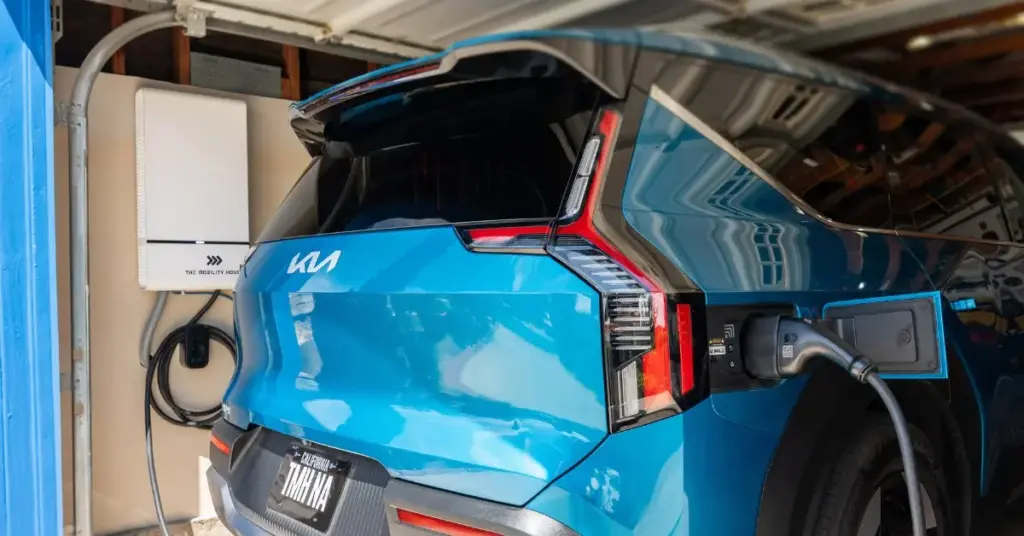
- Eligible Vehicle Lineup: The initial roster of qualifying vehicles features heavy-hitting models capable of bidirectional power transfer, including the Ford F-150 Lightning, Nissan LEAF, Kia EV9, Polestar 3, and Volvo EX90.
- Compensation Structure: Incentives are calculated based on technology provider, battery capacity, and actual grid-support performance. For National Grid customers enrolled via ConnectedSolutions, performance-based incentives are currently structured at up to $275 per average kilowatt (kW) of performance delivered over the course of the summer season.
- Estimated Earnings: Depending on the specific charger capacity and performance metrics, residential participants could realistically pocket between $1,375 and $2,750 over a summer season, directly offsetting the cost of vehicle ownership and home energy consumption.
Official Statements and Industry Perspectives
The convergence of automotive engineering, residential solar-plus-storage ecosystems, and utility management has generated widespread enthusiasm across the clean energy sector. Industry stakeholders view the Massachusetts rollout as a critical blueprint for the rest of the United States.
Chip Silverman, Sunrun’s director of grid services, emphasized the systemic benefits of mobilizing vehicle batteries:
"We are excited to bring our dispatching expertise to Massachusetts and help expand our vehicle-to-grid technology to more customers. Vehicle batteries play a critical role in stabilizing the grid, providing backup power to homes, and lowering energy costs for everyone."
The collaborative nature of the program bridges the gap between utilities, third-party software aggregators, and equipment manufacturers. Companies like EnergyHub and The Mobility House are deploying advanced orchestration platforms that ensure vehicle owners maintain seamless daily mobility while their cars simultaneously act as grid-stabilizing assets in the background.

Future Outlook: Challenges and Opportunities Ahead
While the launch of residential V2G in Massachusetts represents a watershed moment for energy policy, several hurdles remain before widespread, frictionless adoption becomes a reality.
Navigating the Hurdles
- Hardware and Software Compatibility: Not all EVs or residential chargers currently support bidirectional power flow. Clear, standardized communication protocols (such as ISO 15118) must be universally adopted to ensure seamless plug-and-play functionality across different automotive brands and charging hardware.
- Consumer Education and Trust: Range anxiety and battery longevity concerns remain top of mind for many EV owners. Utilities and aggregators must transparently communicate that participating in V2G programs—which typically involve discharging only a fraction of a vehicle’s total capacity during brief peak windows—does not noticeably accelerate battery degradation or leave drivers stranded.
- Streamlined Enrollment: Simplifying the onboarding process will dictate participation rates. If applying for incentives, obtaining permitting, and installing compatible bidirectional home energy systems remains overly complex or cost-prohibitive, mass adoption may lag behind utility expectations.
The Broader Horizon
Despite these challenges, the economic and environmental calculus heavily favors V2G integration. As more states look to decarbonize their grids while managing soaring electricity demands driven by artificial intelligence data centers, heat pumps, and mass EV adoption, virtual power plants will serve as the backbone of modern energy infrastructure.
Massachusetts is proving that the solution to grid strain may already be parked in the garage. If utilities can deliver on frictionless enrollment, attractive financial payouts, and robust technical support, the Commonwealth’s driveways will soon function as one of the most dynamic, decentralized power plants in the world.