NEW YORK — As the gavel fell to close the fifth round of high-stakes negotiations at United Nations Headquarters in New York, the prospect of a truly transformative Global Tax Treaty—formally recognized as the UN Framework Convention on International Tax Cooperation—remained tantalizingly within reach. Yet, beneath the diplomatic optimism lies a fierce ideological battleground. While delegates have succeeded in keeping the ambitious framework alive, civil society watchdogs and developing nations warn that major structural improvements to the foundational "zero draft" text are desperately needed.
Without substantial strengthening, critics caution, the resulting treaty risks becoming a toothless document that shields corporate polluters and the ultra-wealthy from their fair share of societal obligations, ultimately failing to provide the vital revenues needed to combat runaway climate change, nature loss, and spiraling global inequality.
The ongoing diplomatic push represents what many economists and policy experts call a once-in-a-generation opportunity to rewrite the rules of global finance. For decades, international tax governance has been dominated by exclusive clubs of wealthy nations, leaving developing economies—particularly across the Global South—struggling to capture revenue lost to aggressive tax avoidance, illicit financial flows, and offshore tax havens. The UN-led process aims to democratize this architecture, bringing tax rule-making out of closed-door boardrooms and into a universal, transparent forum.
Executive Overview: The Promise and Perils of the UN Framework Convention
The Fifth Intergovernmental Negotiating Committee (INC-5) meeting in New York served as a crucial litmus test for the viability of a universal tax framework. At its core, the proposed UN Framework Convention on International Tax Cooperation seeks to establish a binding international architecture that addresses the systemic dysfunctions of a global economy where multinational corporations routinely shift profits away from the jurisdictions where value is actually created.
The stakes could not be higher. Across the globe, governments are grappling with a polycrisis: sovereign debt distress, the escalating costs of extreme weather events, deep public sector deficits, and widening wealth gaps. Proponents of the treaty argue that a robust global tax mechanism could unlock hundreds of billions of dollars annually. These funds could be directly channeled toward financing green transitions, bolstering public healthcare and education, and cushioning vulnerable populations from the shocks of economic instability.
However, the path to consensus is fraught with institutional resistance. Traditional economic powerhouses—home to many of the world’s largest multinational corporations and financial institutions—have historically resisted UN-led tax governance, preferring instead the soft-law approaches and consensus-bound models historically hosted by organizations like the Organisation for Economic Co-operation and Development (OECD).
As negotiations progress through mid-2027, the central tension of the UN process is clear: Will the final treaty establish binding, enforceable mandates that curb corporate tax abuse and fund climate resilience, or will it be watered down by diplomatic compromises into a set of non-binding recommendations that leave the status quo intact?
Detailed Chronology: Navigating the Road to INC-5 and Beyond
To understand the gravity of the New York negotiations, it is necessary to examine the trajectory of the UN tax cooperation initiative, which has moved with surprising speed through the labyrinth of international diplomacy.
The Genesis of a Global Shift
The momentum for a UN tax convention gathered unprecedented steam following years of persistent advocacy by the Africa Group and other developing nation blocs. For decades, these nations argued that existing international tax rules—largely crafted by wealthy nations decades ago—were inherently skewed against them. The tipping point arrived when the UN General Assembly adopted a landmark resolution paving the way for a truly inclusive, UN-led framework convention on international tax cooperation.
The INC Process Unfolds
- Early Sessions and Framework Setting: The initial rounds of the Intergovernmental Negotiating Committee focused on establishing the procedural rules, scope, and governance architecture of the prospective treaty. Debates centered on whether the convention should act merely as an umbrella framework or dive immediately into specific protocols addressing wealth taxes, digital services taxation, and anti-corruption measures.
- The New York Crossroads (INC-5): The recent fifth round in New York marked a critical transition from procedural debates to textual engagement. Negotiators worked intensively on the "zero draft," the foundational document intended to shape the final treaty text. While developing nations successfully injected provisions emphasizing fairness, inclusivity, and human rights into the draft language, significant disagreements persisted regarding enforcement mechanisms, dispute resolution, and the balance of power between the proposed UN tax body and existing institutions.
The Path Forward: Nairobi and Beyond
With the conclusion of INC-5, the timeline leading up to the ultimate 2027 adoption deadline has been mapped out in meticulous detail.
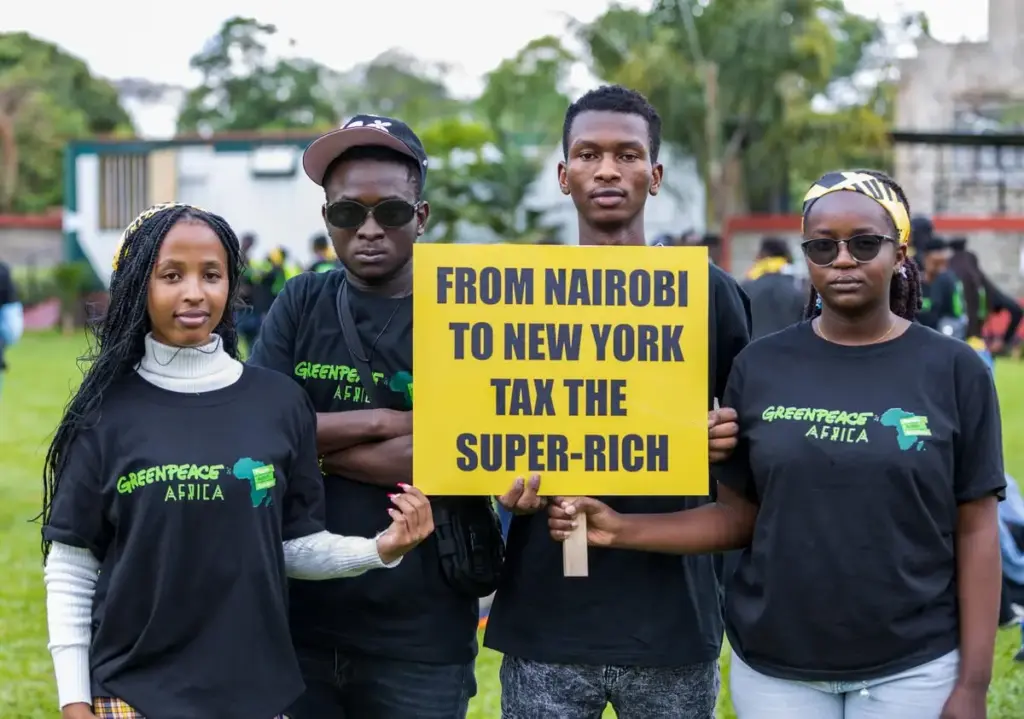
- The Sixth Round (INC-6): Scheduled to take place in Nairobi, Kenya, from November 30 to December 11, 2026, this session will mark a symbolic and strategic shift to the Global South, placing host-nation perspectives and regional priorities front and center.
- Final Sprints in 2027: Following Nairobi, three additional rounds of negotiations are scheduled throughout 2027 to finalize the text, iron out remaining reservations, and prepare the convention for formal adoption and subsequent ratification by member states.
Supporting Context & Metrics: The Human and Economic Toll of Tax Injustice
To frame the urgency of the UN tax talks, observers must look beyond the sterile vocabulary of diplomatic communiqués and examine the real-world metrics of modern economic inequality and ecological degradation.
The Scale of Revenue Loss
According to estimates by prominent economic networks and tax justice watchdogs, governments worldwide lose hundreds of billions of dollars each year to corporate tax abuse and offshore profit shifting.
- Developing Nation Disproportion: While high-income countries certainly experience tax base erosion, developing economies suffer disproportionately. As a share of total tax revenues or GDP, the losses incurred by the Global South severely constrain their fiscal space, forcing difficult choices between servicing external debt and funding basic public infrastructure.
- The Tax Haven Economy: A significant percentage of global corporate profits are systematically rerouted through a network of specialized tax jurisdictions designed to reduce effective corporate tax rates to near-zero. This practice starves public treasuries of the capital needed to invest in climate-resilient infrastructure.
The Intersection of Tax and the Climate Crisis
The nexus between international tax rules and environmental degradation is increasingly difficult to ignore. The ongoing climate crisis—manifested in devastating floods, prolonged droughts, and catastrophic storms—disproportionately impacts communities in the Global South who have contributed the least to historical greenhouse gas emissions.
Meanwhile, major fossil fuel conglomerates and carbon-intensive multinational enterprises continue to post record profits, frequently utilizing complex corporate structures to minimize their tax liabilities. Civil society organizations emphasize that a robust Global Tax Treaty could introduce coordinated mechanisms—such as mandatory minimum effective tax rates for extractive industries, coordinated fossil fuel subsidy phase-outs, and targeted levies on high-carbon investments—that simultaneously address fiscal deficits and accelerate decarbonization.
Official Statements and Stakeholder Perspectives
The ideological fault lines of INC-5 were vividly illustrated by the statements emerging from civil society leaders, institutional representatives, and international delegates.
Greenpeace International: Demanding Good Faith and Ambition
Weighing in on the conclusion of the New York negotiations, Nina Stros, Global Senior Policy Expert at the Greenpeace International Political Unit, issued a stern warning coupled with a resolute call to action:
"Global South demands for fair and inclusive international tax rules are starting to shape the text of the Framework Convention, and that is real progress. But without trust and a commitment from all parties to negotiate in good faith, we risk an empty treaty that fails to address problems everyone acknowledges exist. The most ambitious version of the Global Tax Treaty can only be built on truly international tax cooperation, where every voice counts, including those of the communities hit hardest by the climate crisis, not just predominantly those of the wealthiest polluters and their patrons."
Stros further underscored the stark disconnect between the sanitized environment of the UN negotiating rooms and the harsh economic realities faced by ordinary citizens worldwide:
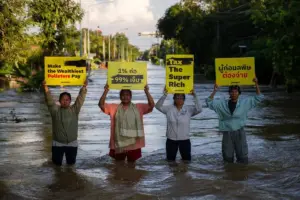
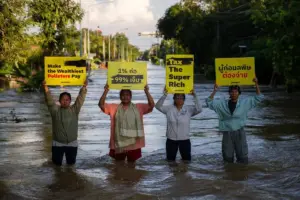
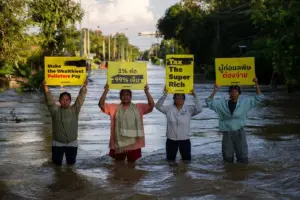
"Outside these negotiating rooms, people are living through extreme weather and rising bills, paying for a crisis they did little to cause, while the wealthiest polluters keep profiting. Too many countries are losing revenues to tax havens. The Global Tax Treaty is a once-in-a-generation opportunity to correct the unfairness and the dysfunctions of existing tax agreements and the broken corporate tax system. It’s time for every country to step up and bring concrete solutions that work for people and the planet."
The Push for Civil Society Inclusion
A notable development during INC-5 was the emergence of broad consensus regarding the inclusion of civil society organizations (CSOs), academic experts, and non-governmental stakeholders in future Conference of Parties (COP) meetings.
Advocates argued that transparency and external accountability are non-negotiable prerequisites for a credible treaty. By ensuring that grassroots organizations representing marginalized populations, labor unions, and environmental defenders have a seat at the table, future sessions can maintain pressure on reticent governments and prevent the dilution of core treaty obligations behind closed doors.
Future Outlook: What Lies Ahead on the Road to 2027
As delegations pack up their briefing notes in New York and turn their attention toward the upcoming sixth negotiating round in Nairobi, the overarching trajectory of the Global Tax Treaty remains fluid.
Key Hurdles to Overcome
- Binding Mandates vs. Voluntary Guidelines: A central battleground will continue to be the legal nature of the protocols developed under the framework convention. Developing nations largely favor robust, binding multilateral rules, whereas industrialized economies often push for flexibility and non-binding cooperation models.
- Resource Allocation and Institutional Design: Establishing where the administrative body of the new tax architecture will reside, how it will be funded, and how voting rights will be distributed will test the diplomatic agility of all participating states.
- Geopolitical Friction: Broader geopolitical tensions between major economic blocs inevitably spill over into UN specialized negotiations. Navigating these rivalries while maintaining a singular focus on global economic justice will require extraordinary statesmanship.
The Greenpeace Commitment
For its part, Greenpeace International and its global network of allies have signaled their intention to maintain an active, vigilant presence throughout the remainder of the process. Environmental and economic justice advocates will be stationed in Nairobi and subsequent sessions, pressuring national delegations to align their negotiating positions with the stark ecological and economic realities unfolding outside the conference halls.
Ultimately, the UN Framework Convention on International Tax Cooperation is more than a technical exercise in bureaucratic harmonization. It is a critical test of the international community’s capacity to build a fairer, more resilient global order—one capable of financing a sustainable future for people and the planet alike before the window of opportunity closes for good.