Executive Overview
The largest recorded outbreak of cyclosporiasis in United States history has exposed deep structural fissures in the modern agricultural supply chain. As public health authorities race to trace the origins of a parasitic infection that has sickened thousands across multiple states, internet speculation and public discourse have frequently zeroed in on an easy scapegoat: the vulnerable farmworkers who harvest our crops. However, food safety experts, epidemiologists, and labor advocates argue that blaming agricultural laborers is not only misguided, but it actively obscures the systemic failures driving these foodborne illnesses.
The crisis—which has prompted federal investigations reaching as far as central Mexico—highlights a perilous disconnect. Consumers demand cheap, abundant, and globally sourced produce year-round, yet the industrial infrastructure required to meet this demand relies on increasingly stressed water systems, degraded public health networks, and a marginalized, heavily stigmatized workforce.
This article explores the multi-layered dimensions of the current Cyclospora outbreak. By examining the structural realities of agricultural irrigation, the compounding threats of climate change, and the systematic erosion of worker protections amid an aggressive enforcement climate, we reveal a sobering reality: the health of our food supply is inextricably bound to the health and dignity of the workers who sustain it.
Detailed Chronology: The Anatomy of a Historic Outbreak
Early Summer: The First Alarms Sound
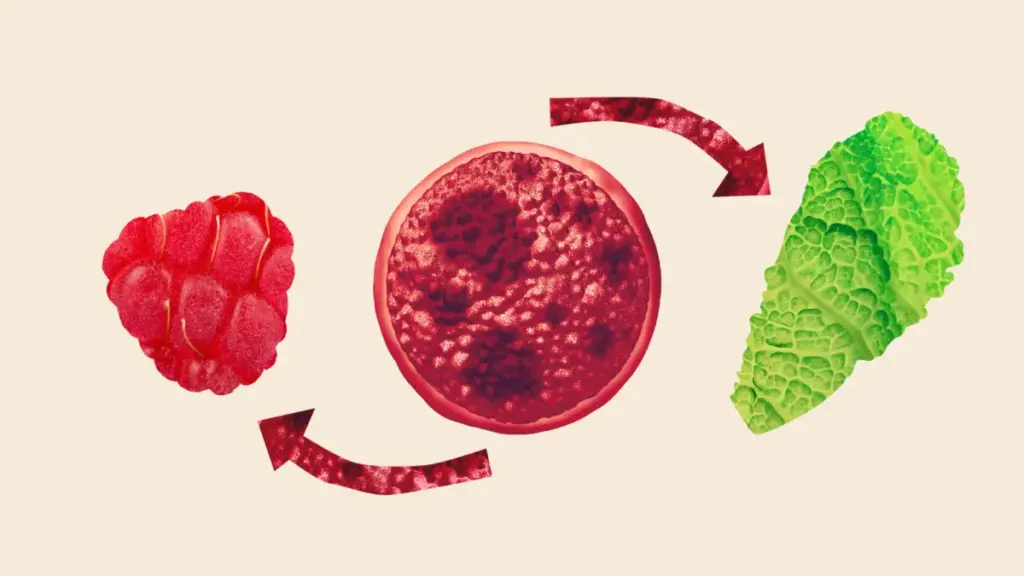
The crisis began unfolding earlier this summer when public health departments across the United States registered an anomalous surge in cases of cyclosporiasis. Caused by Cyclospora cayetanensis—a microscopic parasite that infects the small intestine—the illness manifests as severe abdominal distress, explosive watery diarrhea, cramping, bloating, nausea, and profound fatigue. Transmission occurs strictly through the fecal-oral route, meaning an individual must ingest food or water that has been contaminated with microscopic traces of human feces.
As case numbers mounted, public health agencies struggled to pinpoint a single vector. The sheer geographic dispersion of the patients pointed away from localized contamination and toward a widespread, systemic breakdown in the processing and distribution networks of the U.S. food supply.
Mid-Summer: Speculation and Scapegoating
As headlines multiplied, social media platforms became breeding grounds for misinformation and xenophobic speculation. Online commentators questioned whether farmworkers themselves were the source of the contamination. Pundits and casual observers floated theories that inadequate bathroom access in fields forced laborers to relieve themselves outdoors, or suggested that immigration enforcement policies depleting the workforce were somehow to blame.
These narratives inverted the reality on the ground. Rather than being vectors of disease, agricultural laborers are frequently the primary victims of environmental and systemic contamination, highly vulnerable to the very pathogens circulating through agricultural infrastructure.
August: Regulatory Scrutiny and International Investigations
As epidemiological investigations deepened, common denominators began to emerge. Public health authorities noted that multiple state-level cases shared a connection to produce handled by major agricultural supplier Taylor Farms.
By mid-August, the U.S. Food and Drug Administration (FDA) escalated its response, announcing that federal inspectors had initiated an on-site audit and facility inspection at a Taylor Farms agricultural plant located in central Mexico. While federal investigators have yet to definitively tie the ongoing outbreak to a single water source or processing error at the facility, the international scope of the investigation underscores the immense complexity of managing food safety within a globalized agricultural market.
Supporting Context & Metrics: Water, Climate, and Systemic Vulnerability
To understand how human waste finds its way onto fresh produce on a national scale, experts urge the public to look past the individual worker in the field and examine the industrial plumbing of modern agriculture.
The Irrigation Crisis and Reused Wastewater
The primary culprit in widespread Cyclospora contamination is rarely a field worker; instead, epidemiologists point to agricultural water systems. In many major agricultural regions—particularly those plagued by prolonged droughts and severe water stress driven by climate change—freshwater supplies are scarce.
To compensate, agricultural operations increasingly rely on treated municipal or industrial wastewater for crop irrigation. This practice is entirely legal and currently authorized in nearly half of all U.S. states. However, when municipal wastewater treatment systems fail to eliminate resilient parasites like Cyclospora—which possesses a tough outer shell allowing it to survive for weeks in soil or water—the consequences are devastating. A single compromised treatment facility or contaminated watershed can introduce the parasite to thousands of acres of leafy greens, berries, and herbs before they are harvested and packaged for market.
The Intersections of Climate Change and Heat Stress
Compounding the agricultural water crisis is the accelerating pace of global climate change. Rising ambient temperatures and increasingly unpredictable weather patterns are creating hostile environments for outdoor laborers while accelerating pathogen replication in water reservoirs.
Despite the obvious dangers posed by extreme heat, federal protections remain precarious. Recently, congressional debates stalled the implementation of a comprehensive federal heat injury and illness standard by the Occupational Safety and Health Administration (OSHA). This regulatory failure leaves millions of agricultural workers exposed to life-threatening thermal stress.

Data demonstrates the profound short-sightedness of such policy omissions. Studies consistently show that providing outdoor workers with adequate water, rest breaks, and shade during peak heat days not only prevents heat-related mortalities and hospitalizations but actually increases overall agricultural productivity. When workers are protected, operational efficiency improves; when they are neglected, the entire system stumbles.
Official Statements and Expert Perspectives: The Human Cost of Stigmatization
To unpack the complex socioeconomic realities facing agricultural laborers during public health crises, we turn to insights from Amy Liebman, Chief Program Officer at the Migrant Clinicians Network—an organization dedicated to connecting vulnerable farmworkers with essential health care services.
The Disconnect Between Food Safety Demands and Worker Realities
According to Liebman, the public harbors a profound disconnect regarding the food supply.
"Basically, I think we have a disconnect between what we expect and demand in terms of a safe food supply and how we actually do that," Liebman explains. "I am concerned that farmworkers are actually more vulnerable to getting the disease than they are likely to be the source of the outbreak."
Liebman emphasizes that farmworkers live and work under immense structural constraints. Because housing and employment are frequently intertwined, laborers often reside in close quarters where sanitation infrastructure may be substandard. Furthermore, issues regarding the proximity of sanitary facilities in expansive fields, the purity of well-water sources at labor camps, and geographic isolation all compound their vulnerability.
Public Health Breakdowns and the Shadow of Mass Deportation
The challenge of diagnosing and treating Cyclospora among migrant populations is heavily exacerbated by concurrent geopolitical and institutional shifts. The erosion of frontline public health departments—which have operated for years with dwindling federal support and underfunded local budgets—has left healthcare providers ill-equipped to mount rapid epidemiological responses.
Compounding this institutional decay is an increasingly draconian immigration enforcement landscape. Liebman notes that aggressive enforcement policies have pushed immigrant farmworker communities deep into the shadows, breeding pervasive fear.
"We now have this draconian approach to immigration enforcement. All of that has really pushed our farmworker population further into the shadows. There is a lot of fear in our farmworker community," Liebman warns.
When a farmworker falls ill with symptoms of cyclosporiasis, seeking medical attention is no longer a straightforward healthcare decision; it is a calculated risk. Navigating a fragmented medical system requires overcoming severe barriers:
- Geographic Isolation: Farms are often miles away from the nearest clinic, and public transportation is virtually nonexistent.
- Linguistic Barriers: A shortage of bilingual medical personnel complicates accurate diagnosis and treatment.
- Institutional Fear: The dread of immigration audits, detention, or deportation deters sick workers from reporting symptoms or visiting community health centers.
Worker Health is Public Health
Liebman stresses that policymakers must move past punitive or short-sighted legislative measures and recognize a fundamental truth: worker health and public safety are indivisible.
"The bottom line with both of these issues is that worker health and safety is public health," Liebman concludes. "Whether we’re looking at infectious diseases or exposures to weather-related issues like the heat, when we think about the worker and think about making sure the worker is protected — that benefits our broader community."
Future Outlook: Rebuilding Resilient Food Systems
As federal agencies like the FDA continue their on-site inspections of major agricultural suppliers, and as public health officials analyze the data from this historic Cyclospora outbreak, the path forward requires a radical reassessment of national agricultural policy.
- Modernizing Water Infrastructure: Federal and state regulators must upgrade water treatment standards, particularly regarding reclaimed wastewater used in agricultural irrigation. Investing in advanced filtration and pathogen-eradication technologies is essential to intercepting waterborne parasites before they reach crops.
- Safeguarding Frontline Health Networks: Restoring and expanding funding for rural health clinics and local public health departments will ensure that outbreaks are detected and contained rapidly, without relying on overextended frontline personnel.
- Institutionalizing Worker Protections: Enacting robust federal standards for heat stress management, guaranteeing equitable access to sanitation and clean drinking water in the fields, and decoupling healthcare access from immigration enforcement are non-negotiable steps toward stability.
Ultimately, the historic Cyclospora outbreak of this summer should serve as an urgent wake-up call. The safety of the food on our tables cannot be secured by scapegoating the people who harvest it. Only by confronting the systemic vulnerabilities in our water supply, investing in climate-resilient infrastructure, and guaranteeing dignity and protection for agricultural laborers can we build a truly secure and sustainable food system for the future.