

Executive Overview
The global landscape of urban transportation is undergoing a profound structural evolution, shifting away from human-piloted congestion toward data-driven, electric, and autonomous mobility ecosystems. In a major milestone for this transition, Waymo—the autonomous driving pioneer that operates commercial, rider-only services accounting for more than half a million paid trips weekly across the United States—has announced a strategic partnership with global insurance and financial services giant Allianz Partners.
This alliance is designed to lay the foundational operational framework for Waymo’s anticipated commercial expansion into Europe, starting with initial deployment plans in London and Munich. While autonomous driving software and hardware receive the lion’s share of public attention, industry insiders recognize that deploying a self-driving fleet at scale requires a deeply integrated operational backbone. This includes comprehensive risk management, bespoke insurance underwriting, specialized digital claims processing, and localized safety research.
By combining Waymo’s proven U.S. safety record—highlighted by data demonstrating a 16-fold reduction in serious-injury crashes compared to human-driven vehicles—with Allianz Partners’ extensive European expertise, the collaboration aims to establish a gold standard for international autonomous deployment. This article examines the strategic dimensions of the partnership, the operational hurdles of scaling robotaxis in complex European cities, the underlying safety metrics, and the future outlook for autonomous mobility across the continent.
Detailed Chronology: Building the Transatlantic Bridge
The journey toward international commercialization is rarely linear. For years, Waymo’s primary focus remained hyper-localized within major metropolitan centers in the United States, including San Francisco, Phoenix, Los Angeles, and Austin. Operating in these diverse environments allowed the company to refine its autonomous driving system—the "Waymo Driver"—through millions of real-world miles, establishing rigorous operational protocols and earning regulatory trust.
As the company crossed the threshold of managing over half a million paid weekly rides domestically, leadership began setting its sights abroad. Europe presented a logical next frontier, characterized by dense urban cores, complex historic street layouts, and stringent regulatory frameworks regarding data privacy, vehicle safety, and consumer protection. However, deploying autonomous vehicles (AVs) in European cities like London and Munich requires navigating an entirely different legal, infrastructural, and cultural landscape than the United States.
Recognizing that technology alone cannot guarantee a successful market entry, Waymo initiated a deliberate search for an established European partner capable of mitigating regulatory and financial risk. Enter Allianz Partners. Discussions between the two entities focused on designing an end-to-end framework capable of handling the unique variables of driverless fleets.
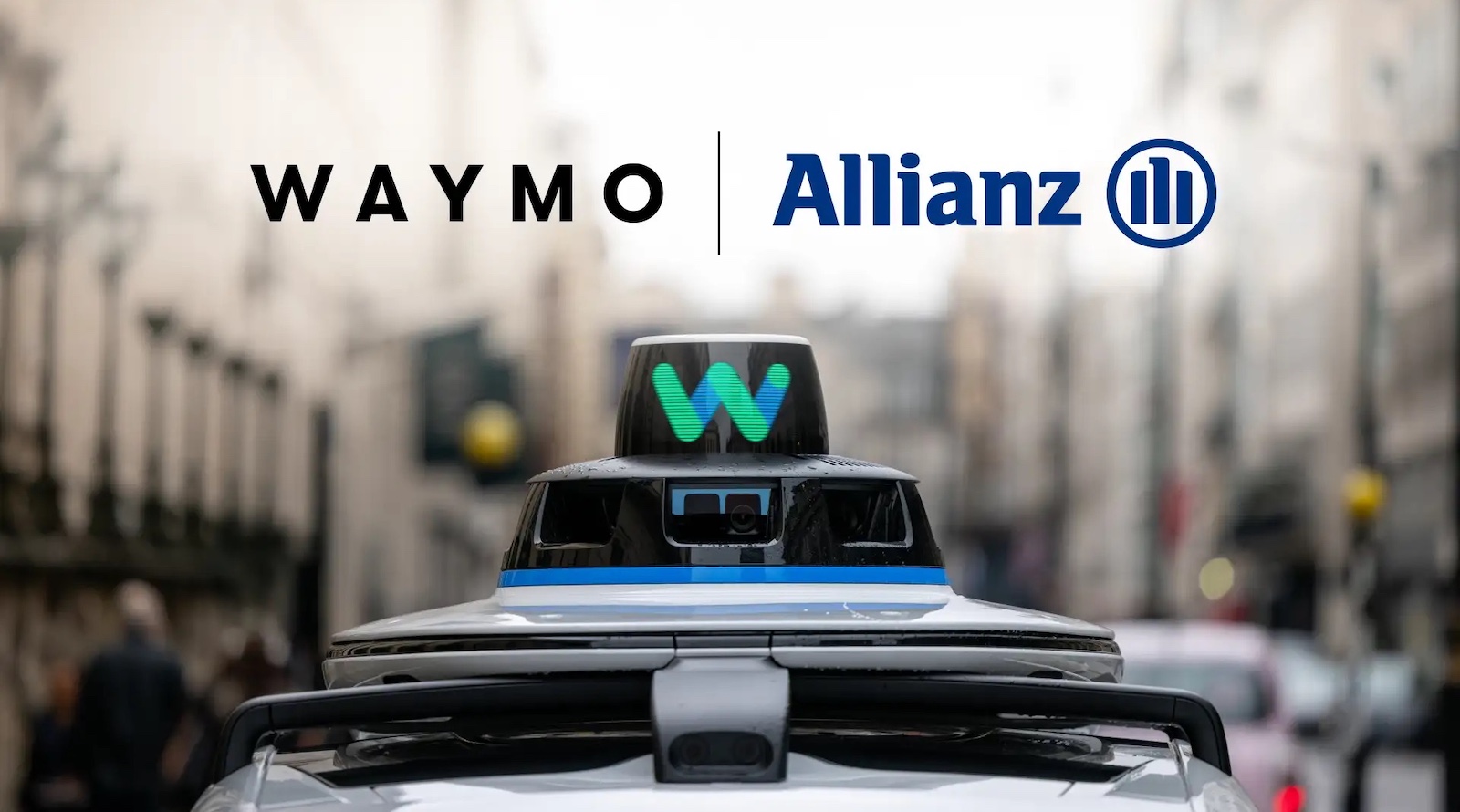
Rather than treating insurance as a retroactive afterthought, Waymo and Allianz Partners integrated risk assessment directly into the deployment strategy from day one. The partnership establishes a robust operational baseline that covers insurance infrastructure, localized claims handling, and collaborative safety research. Furthermore, the roadmap includes future explorations into innovative operational solutions, such as streamlined vehicle recovery protocols designed specifically for driverless fleets. This systematic chronology highlights a mature industry approach: prioritizing foundational stability before scaling consumer-facing operations.
Supporting Context & Metrics: The Safety Imperative and European Realities
The Power of Real-World Safety Data
To secure regulatory approval and consumer trust in historically risk-averse markets like Europe, autonomous fleet operators must present undeniable empirical evidence of safety. Waymo enters the European market armed with a compelling statistical argument. In the cities where it currently operates commercial services, data indicates a staggering 16-fold reduction in crashes involving serious injuries relative to human drivers.
This safety delta is achieved through a multi-layered sensor suite comprising LiDAR, radar, and high-definition cameras, coupled with machine learning algorithms that eliminate common human error factors such as distraction, fatigue, and impairment. However, replicating these safety outcomes in European cities introduces new variables.
Navigating London and Munich
London and Munich present distinct engineering and operational challenges:
- London: Known for its notoriously complex labyrinth of historic streets, heavy pedestrian and cyclist traffic, erratic micro-mobility users, and famously strict traffic regulations (including congestion charging zones and narrow lanes), London demands hyper-responsive situational awareness.
- Munich: As a major German automotive hub, Munich offers a structured yet dynamic environment featuring dense urban traffic, intricate tram networks, and strict adherence to European automotive standards.
Insurance for autonomous fleets in these environments cannot be calculated using traditional actuarial tables. Allianz Partners must evaluate algorithmic risk, edge-case frequency, cybersecurity vulnerabilities, and remote-assistance intervention rates. The collaboration bridges the gap between silicon-valley software development and centuries of European insurance and risk management expertise.
Official Statements on the Partnership
The announcement has garnered significant attention from executive leadership on both sides of the partnership, emphasizing the transformative nature of the agreement.

"Autonomous mobility is one of the most significant shifts our industry will navigate in the years ahead. Waymo’s technology leadership, combined with Allianz’s global expertise in insurance, assistance, and vehicle safety, allows us to build a comprehensive ecosystem that gives operators and passengers confidence at every stage of the journey."
— Tomas Kunzmann, CEO, Allianz Partners
Kunzmann’s remarks underscore the shifting paradigm within the insurance sector. Traditional insurers are actively evolving from reactive claim payers into proactive risk-mitigation partners, utilizing telematics and real-time vehicle data to model dynamic risk profiles.
"As we advance our commercial rollout in Europe, building the right operational foundation is just as critical as the technology behind the Waymo Driver. Teaming up with Allianz Partners allows us to pair our proven U.S. safety record and commercial experience with world-class European risk and claims expertise, ensuring we scale reliably and responsibly from day one."
— Tilia Gode, Head of Risk & Insurance at Waymo
Gode’s perspective highlights the rigorous internal philosophy guiding Waymo’s international expansion. By securing a top-tier institutional partner early, Waymo insulates its European operations against regulatory friction and financial volatility.
Future Outlook: What Lies Ahead for European Autonomous Mobility
The partnership between Waymo and Allianz Partners is more than a localized business agreement; it serves as a bellwether for the future of commercial autonomy in Europe. As the initial deployments in London and Munich move from planning phases to active on-the-ground testing and eventual public ride-hailing, several key trends will shape the landscape:
- Regulatory Evolution: European regulators will be watching these deployments closely. The success or failure of Waymo’s operational framework will likely influence EU-wide policy regarding autonomous vehicle certification, liability distribution, and data-sharing mandates.
- Ecosystem Maturation: Beyond standard insurance and claims processing, the exploration of specialized vehicle recovery solutions points toward a burgeoning B2B ecosystem tailored for driverless cars. Companies specializing in remote tele-operations, automated fleet maintenance, and roadside assistance for AVs will find fertile ground in Europe.
- Consumer Acceptance: While tech enthusiasts in London and Munich are eager to hail driverless rides, winning over the general public will require absolute transparency regarding safety protocols, data privacy, and accountability in the rare event of an incident.
In conclusion, Waymo’s calculated strategy of pairing its advanced autonomous technology with Allianz Partners’ elite risk infrastructure proves that the future of mobility will not be won by software alone. It requires a collaborative, multi-disciplinary foundation built on trust, regulatory compliance, and unwavering dedication to safety. As these fleets begin navigating the historic streets of London and Munich, they carry with them the promise of a cleaner, safer, and more efficient urban transportation future.



